

Place · 0.4 mi away
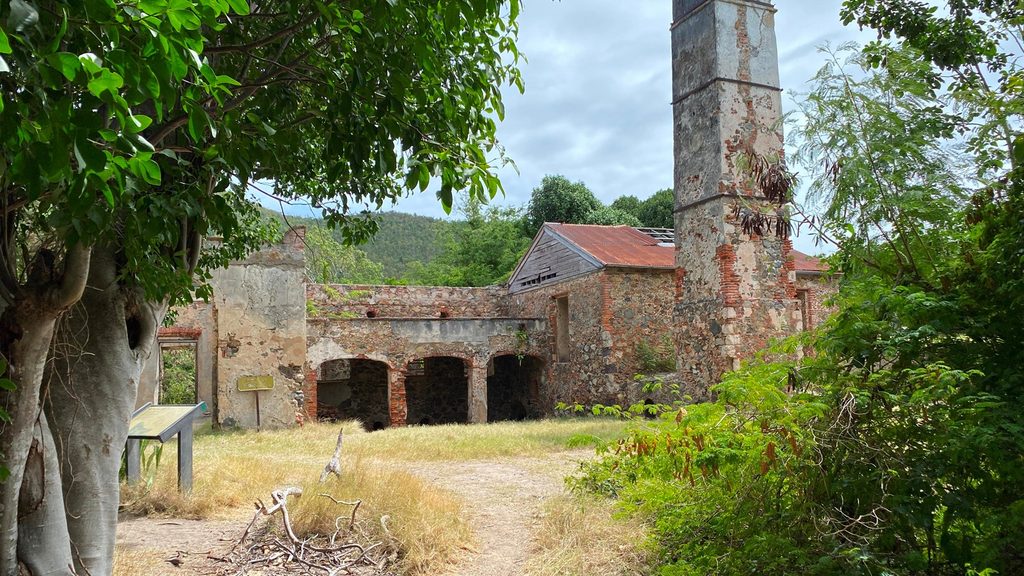
Tucked in a lush valley on St. John’s south shore, the Reef Bay Sugar Factory Ruins are one of the Caribbean’s most complete windows into plantation-era sugar making. The complex layout—mill, boiling house, curing house, rum still, and towering chimney—lets you trace the entire journey from cane to sugar to rum. It’s free to visit, but getting here is part of the adventure: a downhill hike in, a sweaty climb back out.
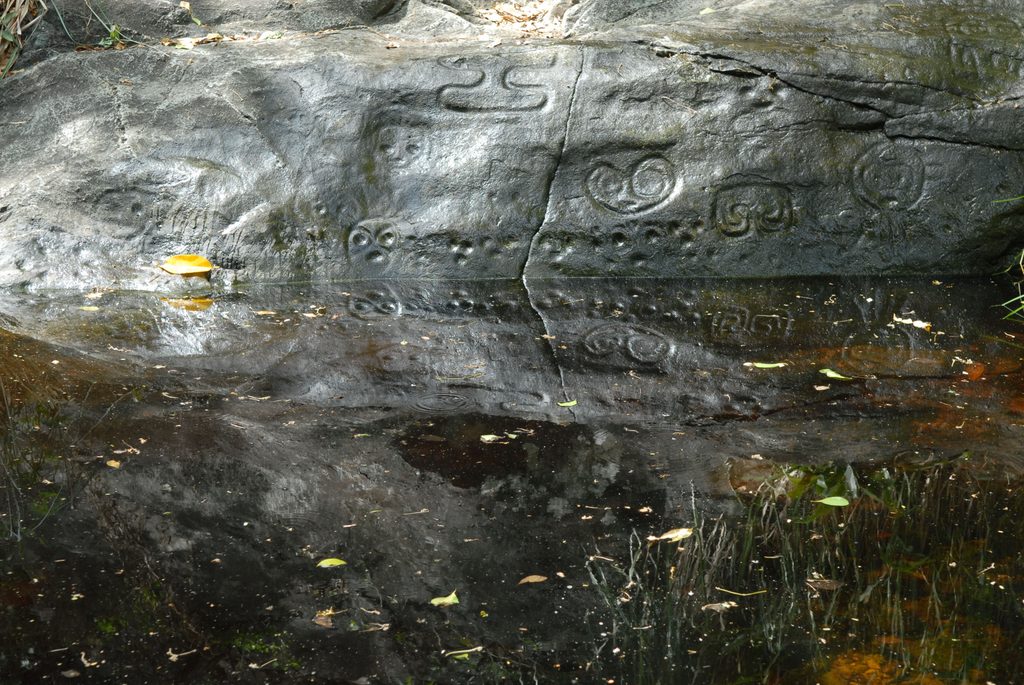
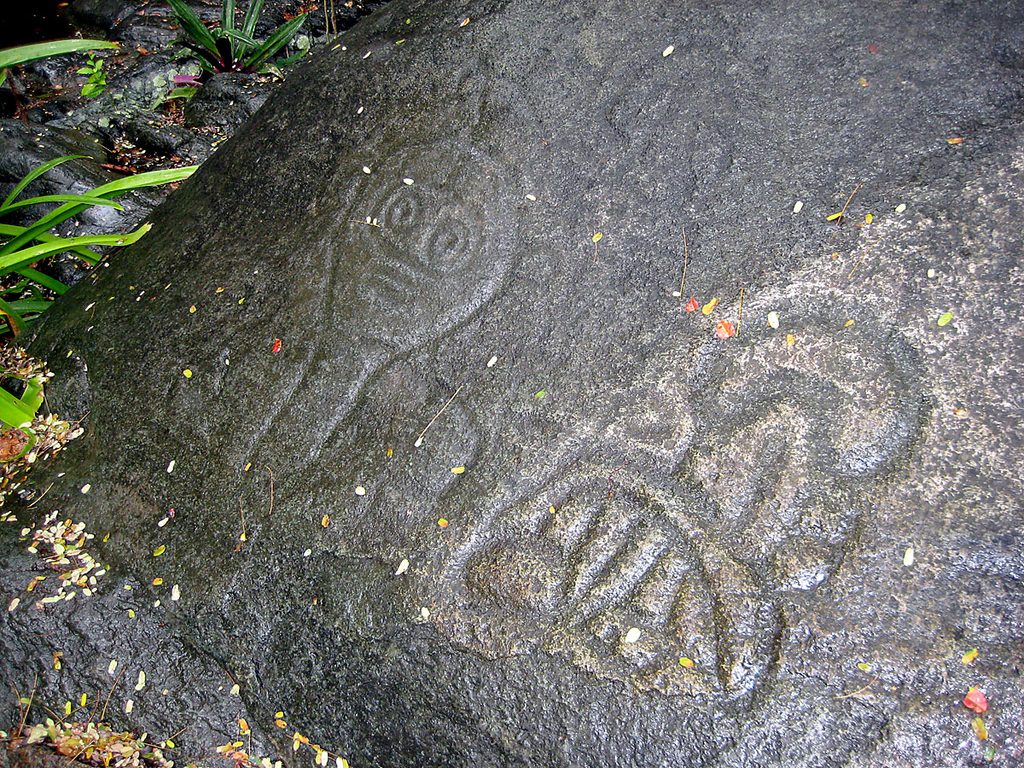
Most hikers descend the Reef Bay Trail (about 2.5 miles one way from Centerline Road) to reach the factory; the L’Esperance Trail (about 2.7 miles one way) is another option. A short spur off the main route leads to the famed Reef Bay petroglyphs near a freshwater pool and seasonal falls. Ranger-led, one‑way hikes with a boat pickup back to Cruz Bay are offered periodically—handy if you’d rather skip the steep return slog.
The downhill feels moderate; the climb out is the kicker, especially in tropical heat. Plan on 2–4 hours if you’re exploring the ruins, adding the petroglyphs, and maybe dipping down to Reef or Genti Bay. There are no toilets, food, or water along the trail or at the ruins—use facilities in town and pack what you need.
Sugar cultivation here dates to the 1700s, with estates later consolidated into Reef Bay Estate. Cane was first crushed with animal power before the factory modernized to steam in the 1860s. Emancipation in 1848 reshaped labor and production; operations wound down by 1908. In the early 20th century the site briefly produced bay‑leaf rum, then suffered storm damage. The park stabilized and restored the ruins in the 1960s, and the district is listed on the National Register of Historic Places.
Watch for deer, hermit crabs, and other critters along the trail. It’s easy to pair the factory with the petroglyphs and a stop at Reef or Genti Bay beach; some snorkel the reef just to the right when facing the water.
Daylight hours only. Start early to beat heat and humidity and to enjoy cooler, quieter trails. Midday is hottest and makes the uphill return toughest. Morning light tends to be gentler for photos in the shaded valley.
Place · 0.4 mi away
Place · 0.6 mi away
Place · 0.7 mi away
Place · 1.2 mi away
Moderate · 0.7 mi away
Challenging · 1.2 mi away
Moderate · 1.2 mi away
Easy · 1.4 mi away

Parkwolf Tour Guide
