Overview
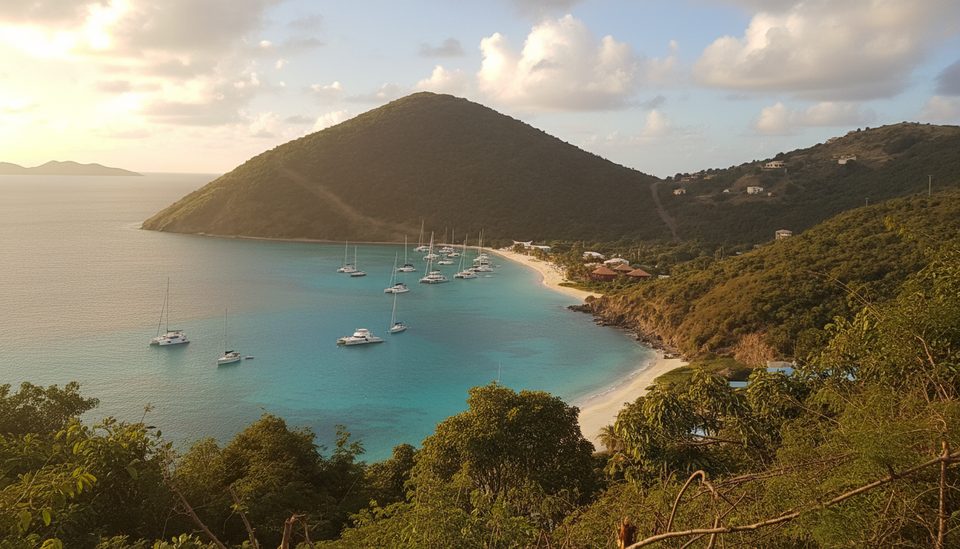
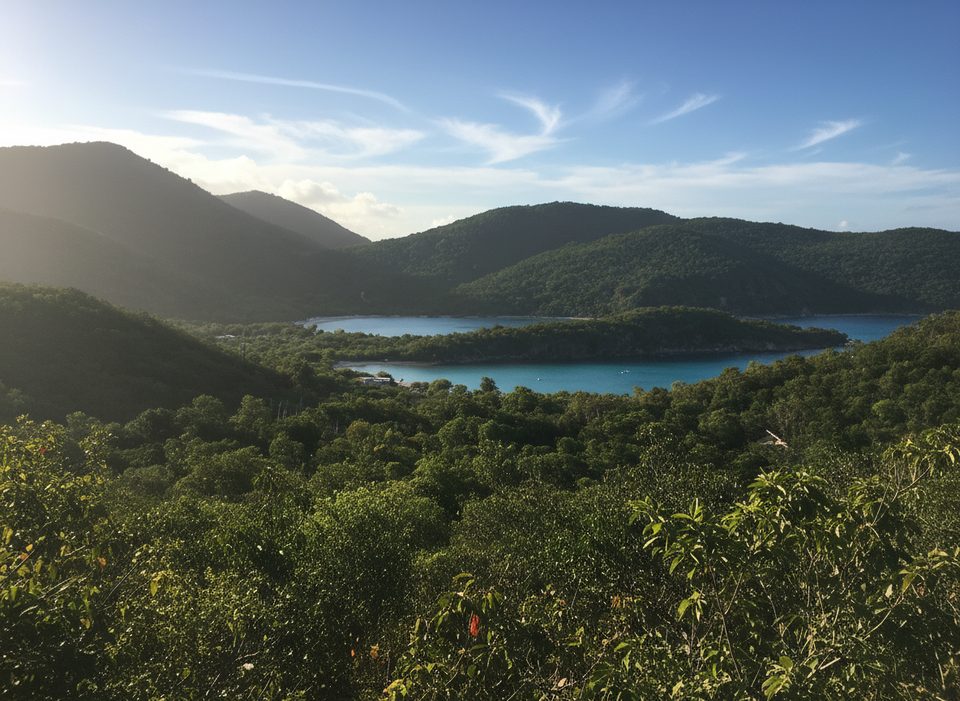
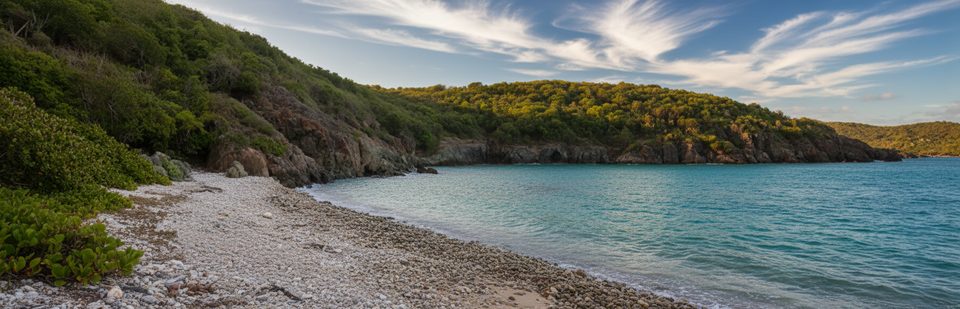
Little Reef Bay Beach is the quiet payoff at the far end of the Reef Bay corridor—a small, hike-in cove within the park that most visitors never reach. Expect tranquility, natural scenery, and few (if any) other people. It’s about the setting, not services.
Getting There
- Primary route: Hike the Reef Bay Trail from Centerline Road (around mile 5). The descent feels easy; the return climb is the workout. Start early to dodge heat and humidity, and bring more water than you think you’ll need.
- Alternate route: Come in from Little Lameshur Bay via the Lameshur Bay Trail to Reef Bay, then continue a short spur west to Little Reef Bay. Private boat drop-offs can be possible when conditions allow.
- Logistics helper: The park’s guided Reef Bay hike includes interpretation plus a bus to the trailhead and a boat pickup from the beach back to Cruz Bay—no uphill grind at the end.
What You’ll See On The Way
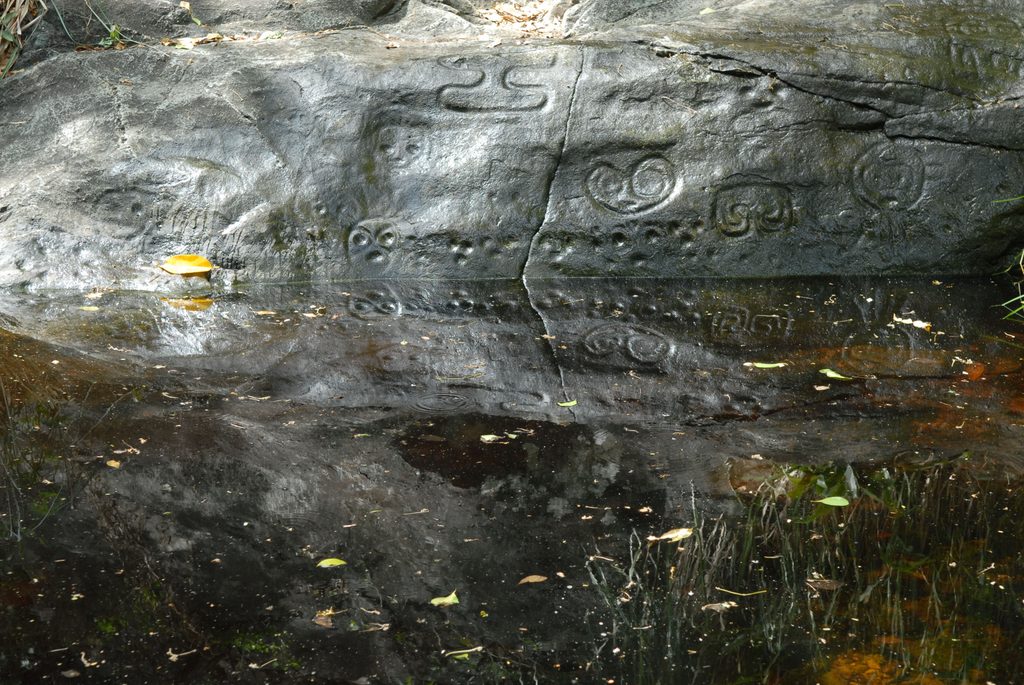
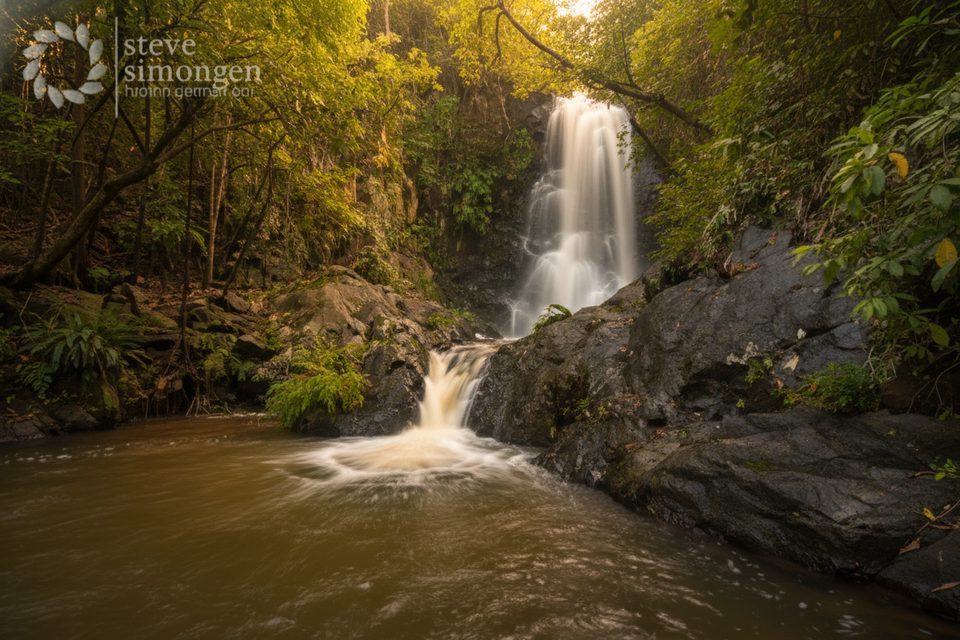
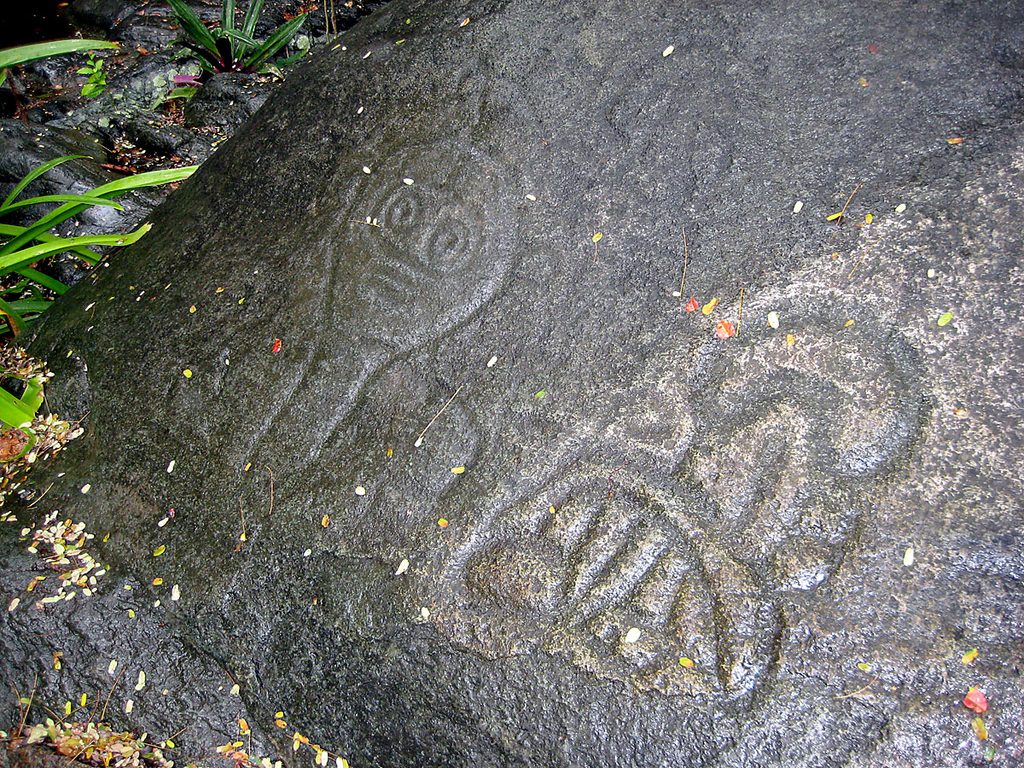
- Petroglyphs: A short side path near a seasonal pool/waterfall reveals rock carvings attributed to Indigenous peoples. The waterfall ranges from a trickle in dry spells to a proper cascade after rains.
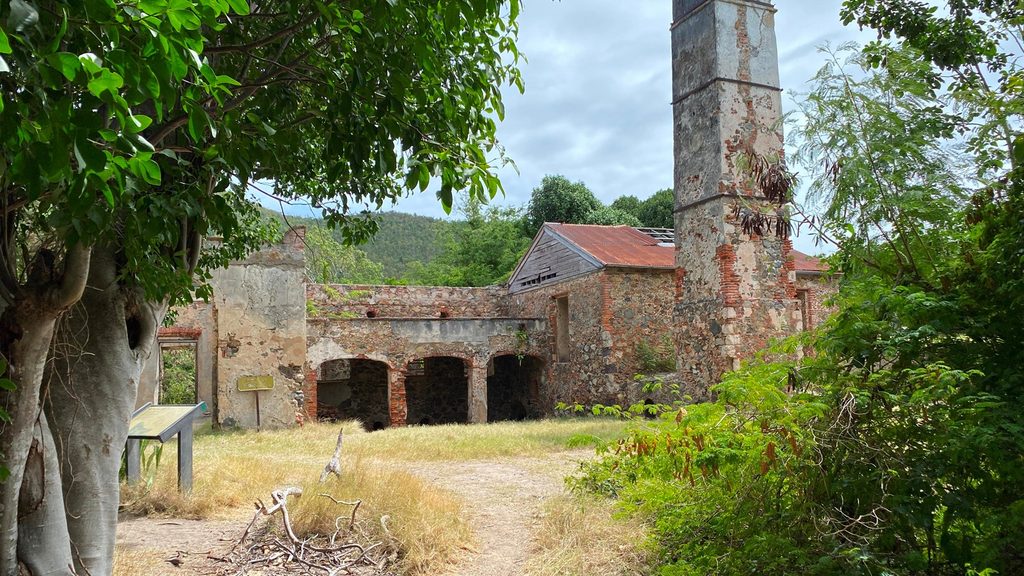
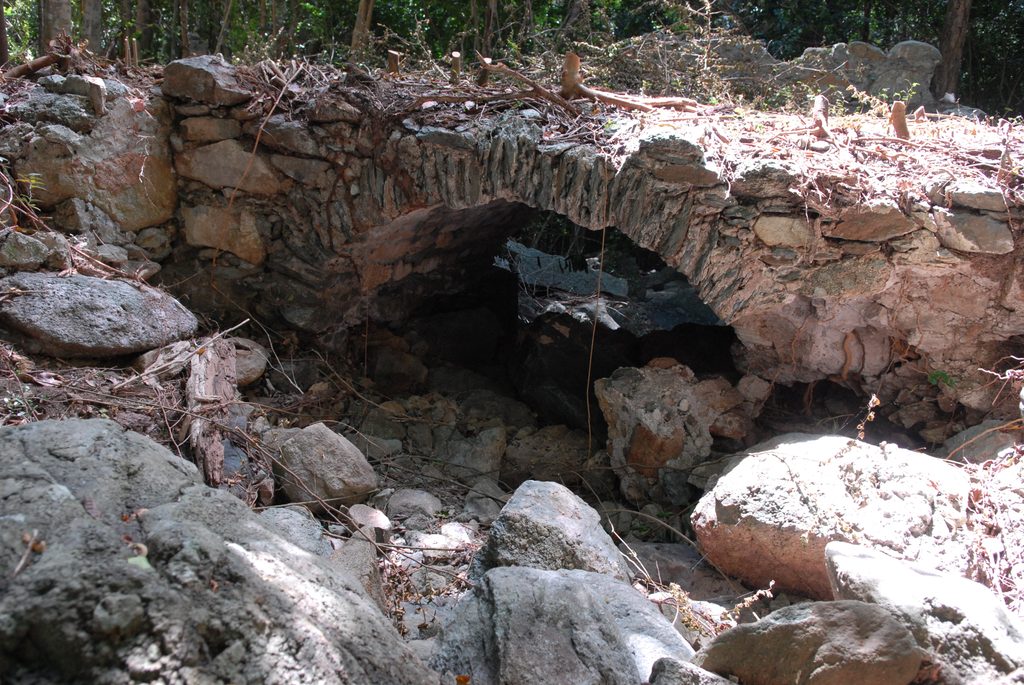
- Sugar mill ruins: Atmospheric plantation remains with interpretive signs add context to the island’s complex past.
- Wildlife: Forest sections can reveal deer, mongoose, lizards, and land/terrestrial crabs.
The Beach Experience
Little Reef Bay is smaller and more secluded than Reef Bay next door. The sand meets shallow water, and a nearby reef often keeps the surf mellow—nice for a peaceful float. Shade shifts with the day; bring your own if you plan to linger. You may spot marine life in the shallows (occasional juvenile sharks have been noted at Reef Bay); enjoy from a respectful distance.
Know Before You Go
- No facilities: There are no restrooms, showers, lifeguards, food, or trash cans. Pack in everything and pack out all waste.
- Trail footing: Expect rocks, roots, and slick patches after rain. Sturdy footwear beats flimsy sandals.
- Drones are generally not permitted in national parks without a special permit.
Best Time to Visit
- Early morning is best—cooler temps for the downhill and a more manageable return if you’re hiking back up.
- After significant rainfall, the nearby waterfall and pool are more photogenic; in the dry season, don’t count on flowing water.
- Crowds aren’t the concern here—heat and hydration are.