
Place · 0.2 mi away
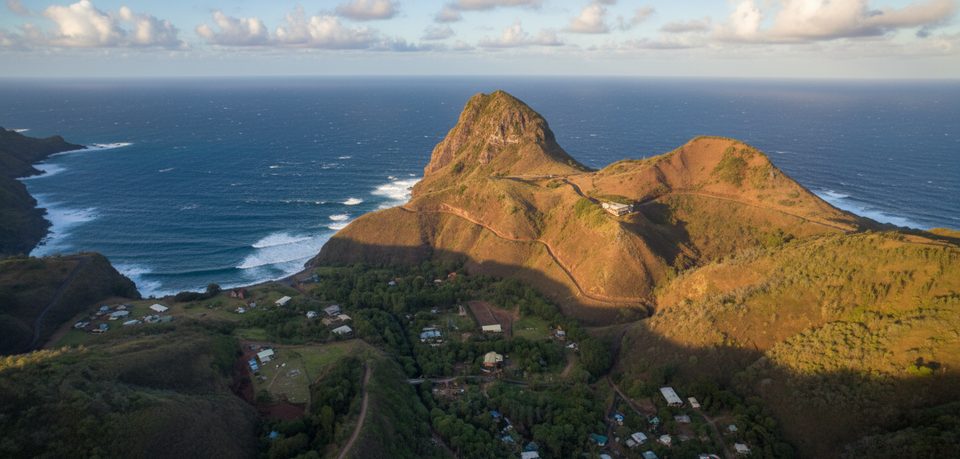
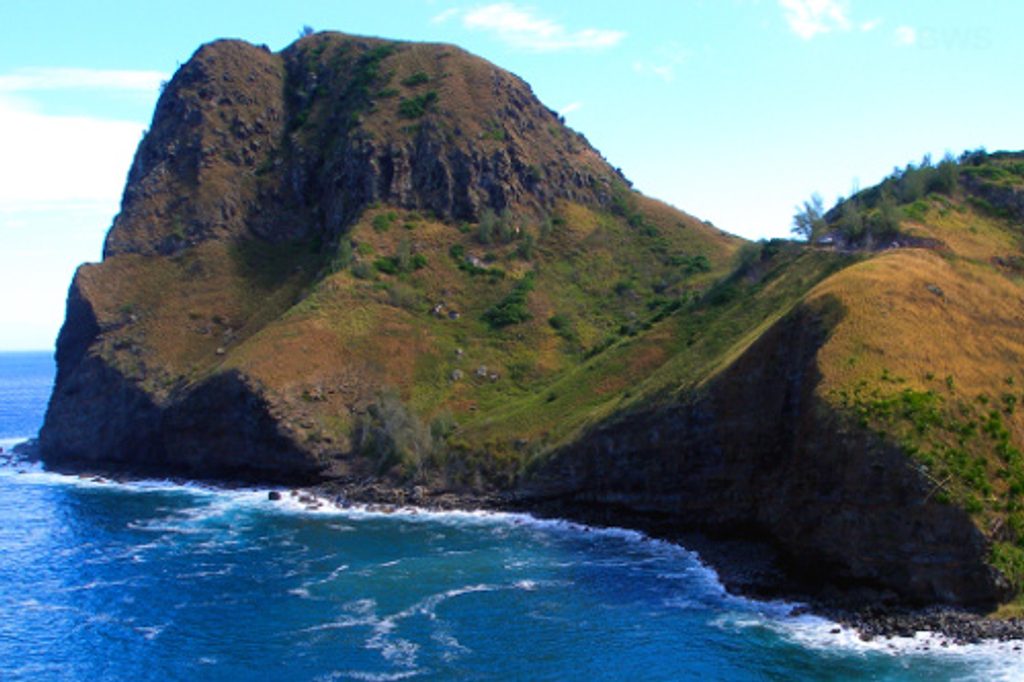
Kahakuloa Village is the tiny, old-Hawaiʻi pocket you reach on the committing West Maui coastal drive (Kahekili Hwy/Route 340). It’s a quiet fishing community tucked beneath 636-foot Kahakuloa Head, with a handful of churches and homes that feel a world away from the resorts. The payoff is big ocean-and-valley scenery and a rare sense of place; the tradeoff is a nail-biter of a road.
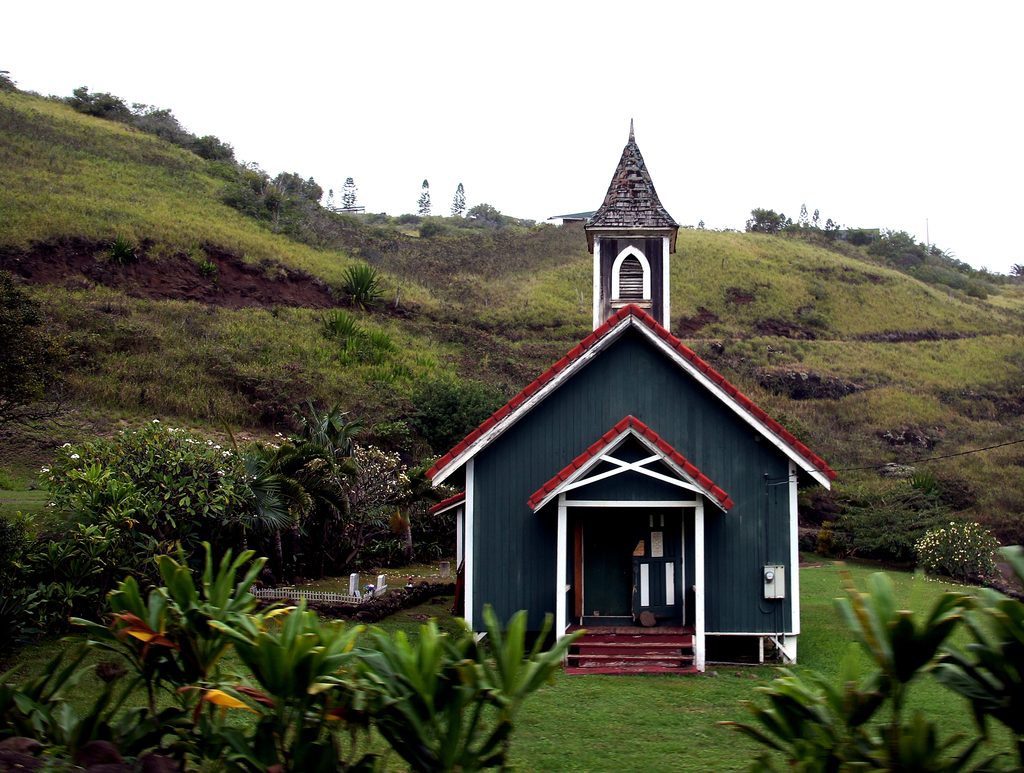
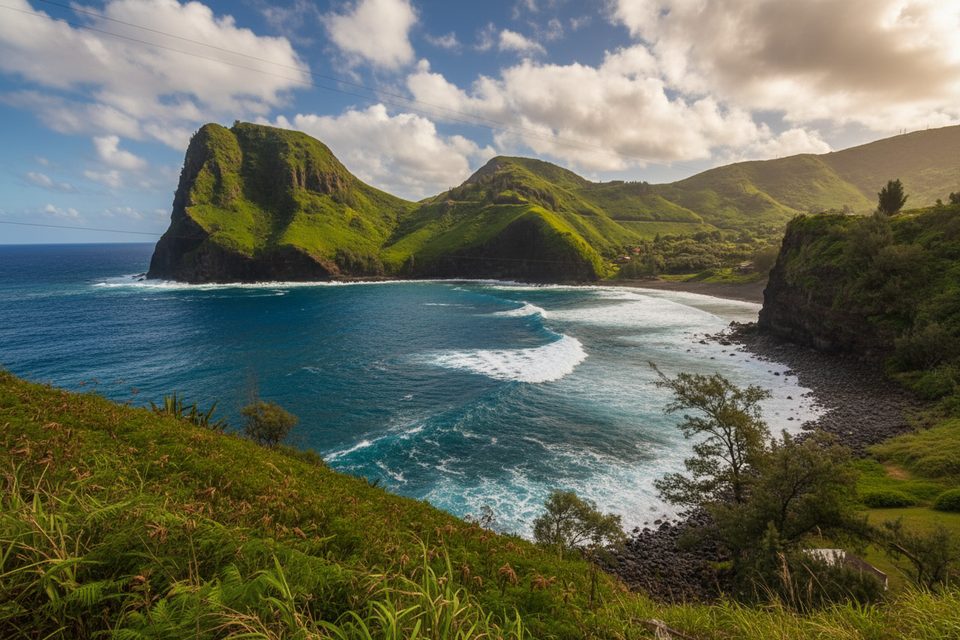
As you descend the one-lane hillside into the bay, the green cone of Kahakuloa Head fills the windshield and the valley spreads out below. This volcanic dome is tied to stories of Chief Kahekili, who was said to leap from the cliffs here. Around the village you’ll notice stonework, loʻi kalo (taro patches) in the valley, and simple churches—snap photos from pullouts and obvious turnoffs, not from the travel lane.
Kahakuloa was once a Place of Refuge, offering sanctuary to those who broke kapu (sacred laws). Today it’s still a close-knit community of roughly a hundred residents, with two churches and a rhythm that rewards patient, respectful visitors.
This is a classic banana-bread-and-shave-ice stop. Expect occasional food stands and a few galleries. Kaukini Gallery above the bay showcases local art and is noted as having a public bathroom; Karen Lei’s Gallery has restrooms for patrons—buy something and ask kindly. Beyond that, don’t expect stores or gas out here.
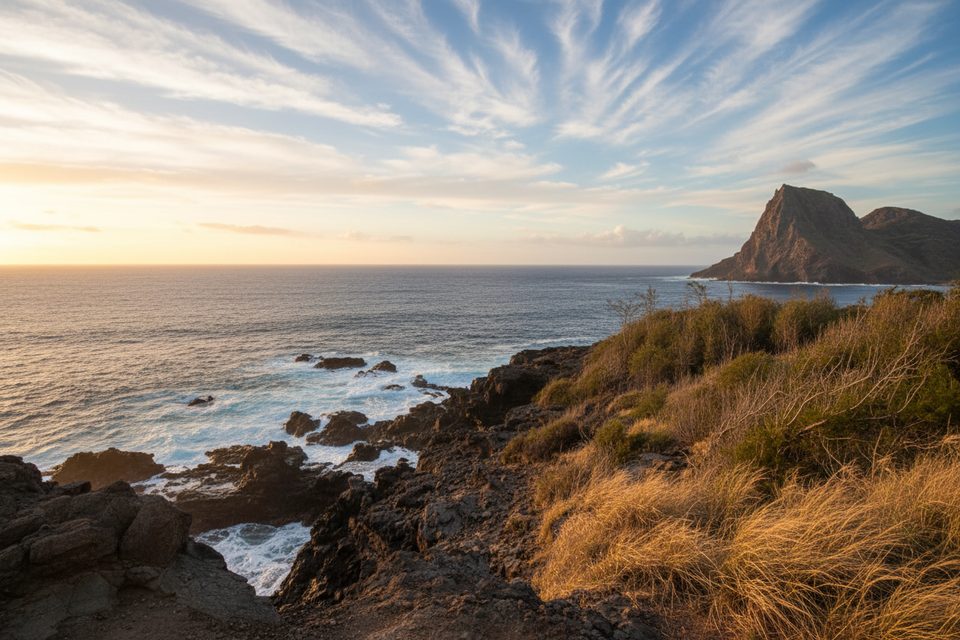
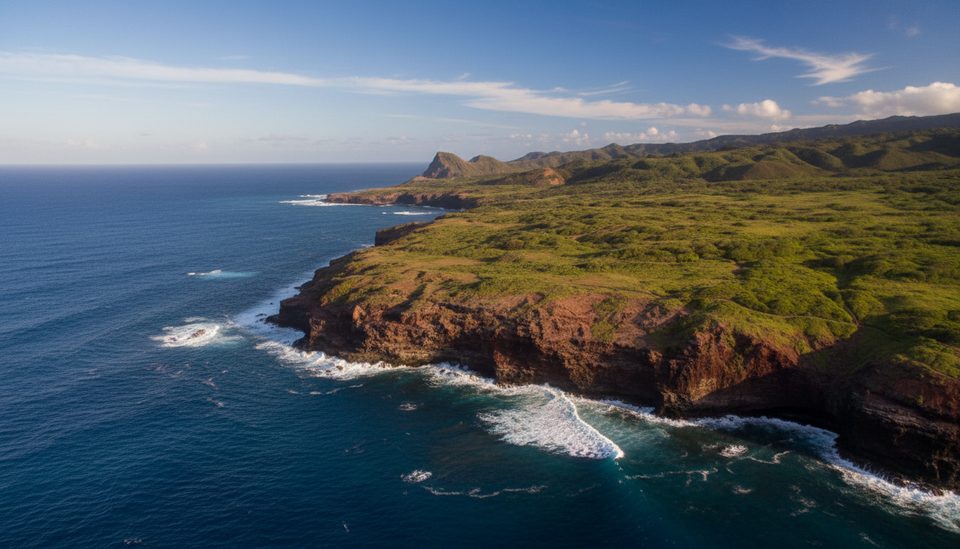
The approach past Nakalele gets serious: blind hairpins, cliffside drop-offs, stretches that are effectively a single lane with no guardrails. Many drivers prefer going clockwise (Kapalua → Wailuku) to hug the mountain side. Take it slow, yield with aloha, and be ready to back up for oncoming traffic. Skip this in heavy rain or after dark.
Services are sparse. There may be a porta-potty at Honolua Bay before the narrow section, but otherwise plan bathroom stops ahead. Kaukini Gallery is a reliable bet; stands in the village generally don’t have public restrooms. Fuel up before you go, bring water and snacks, and expect spotty cell service.
Much of the land is private farmland—obey signs, keep gates closed, and don’t trample taro patches. Skip any idea of scrambling up Kahakuloa Head; the slopes are steep and dangerous. If you’re continuing the loop, keep clear of outer tidepool rocks and blowholes elsewhere on the route—sneaker waves are real.
Daylight hours, fair weather, and an unhurried schedule are key. Aim for mid-morning to early afternoon when visibility is good and stands are likely open. Avoid weekends if you can—traffic on the narrow sections feels less stressful on quieter weekdays.
Place · 0.2 mi away
Place · 0.4 mi away
Place · 0.6 mi away
Place · 0.7 mi away
Moderate · 1 mi away
Easy · 2.3 mi away
Moderate · 2.7 mi away
Moderate · 2.8 mi away

Parkwolf Tour Guide
