Place · 12 mi away

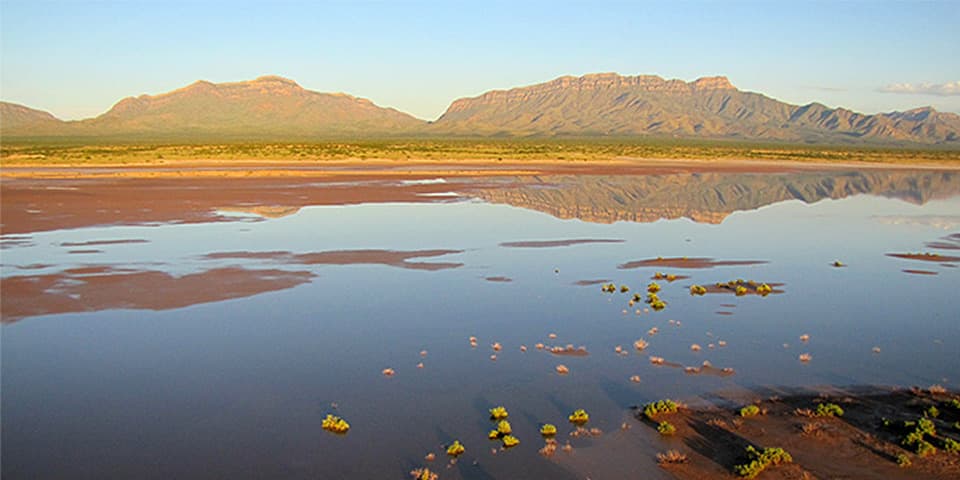
Lake Lucero is the park’s backstage pass—the ephemeral playa where selenite crystals form, break down, and ultimately become the gleaming gypsum sand that feeds the dune field. Most of the time it’s a dry lakebed, but after significant rain or snow it can hold shallow water and take on a stark, photogenic sheen.
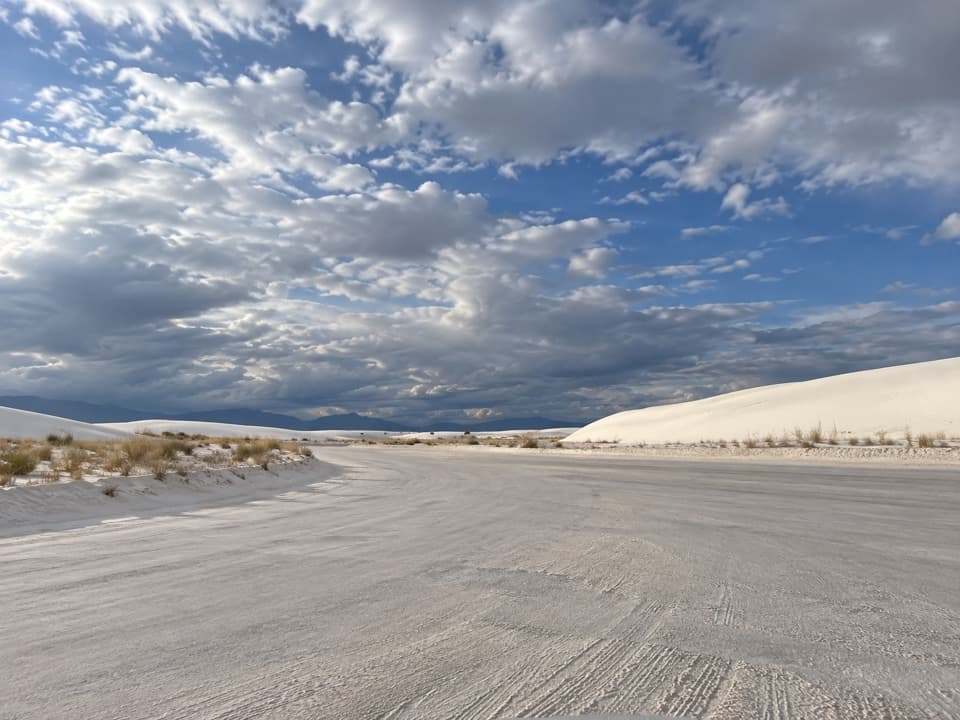
Expect a ranger-guided walk across a hardpan playa sprinkled with selenite crystals and gypsum grains just beginning their journey to the dunes. The landscape is stark and dramatic, with big-sky horizons and a striking contrast between the brown playa and the white gypsum fragments. You’ll learn the geologic story of how crystals grow during wet cycles, then shatter and weather into sand.
Lake Lucero is only accessible on park-led tours offered on specific dates. Reservations are required, open one month ahead, and carry a special tour fee. Group size is capped, parking is limited, and policies like one vehicle per ticket are in place. The hike itself is short and mostly flat but can involve crusty surfaces, occasional mud, and strong sun exposure. There are no services at the lake—no water, no trash cans, no restrooms—and you must leave all crystals in place.
Wildlife sightings are hit-or-miss in this wide-open environment, but you’re likely to spot tracks and other signs of hardy desert creatures that use the playa margins and adjacent gypsum terrain.
Tours run on select dates; book as soon as reservations open. Cooler seasons are more comfortable, and if it’s rained recently, the playa may hold water—great for moody reflections and sunset photos. With group size limits, crowding is manageable by design, but tours do fill.
If you’re curious about the park’s geology, this is a must-do. It’s less about sweeping dune vistas and more about understanding the source—underrated, education-forward, and surprisingly photogenic after wet weather.