Colonnade Falls

Remote, two-tier cascade in Cascade Corner
Colonnade Falls, Yellowstone National Park
InsideYellowstone National Park

Overview

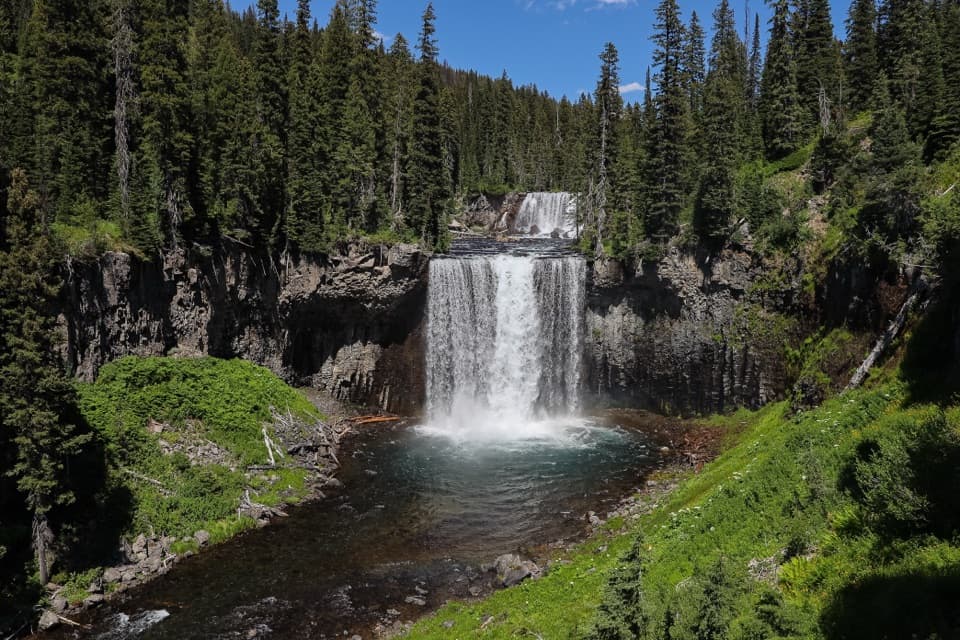
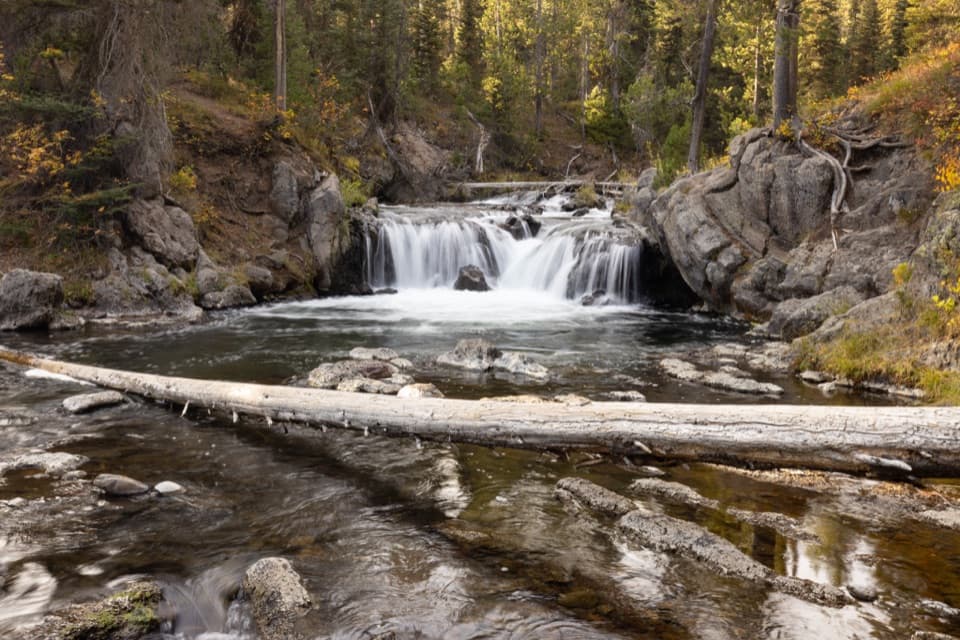
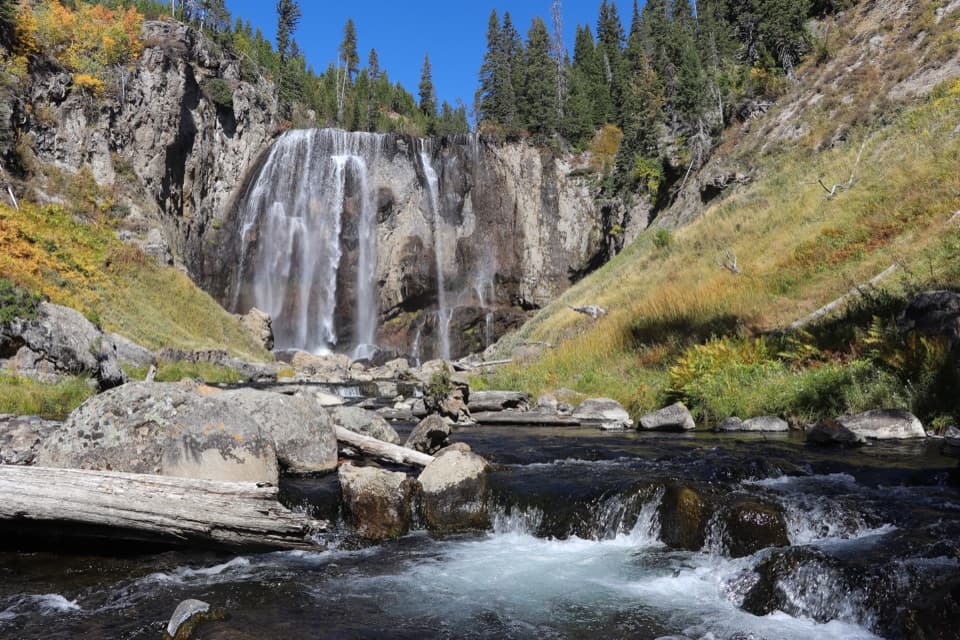
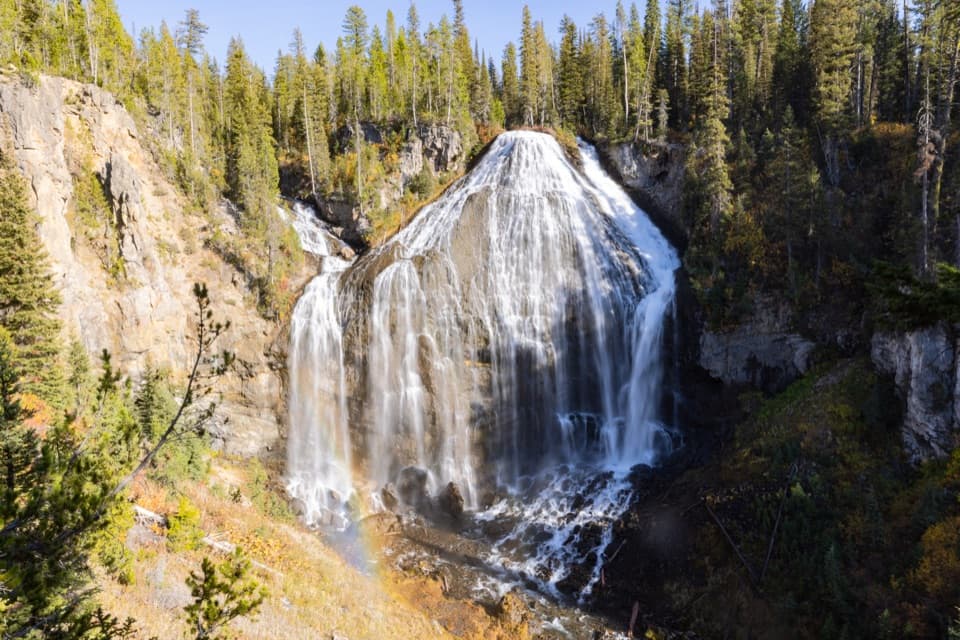
Colonnade Falls is a two-tier cascade on the Bechler River in Yellowstone’s remote southwest, a region nicknamed Cascade Corner for its wealth of waterfalls. Reported around 67 feet tall, it’s a dramatic payoff after a long, mostly gentle approach through meadows and forest.

The Hike and What to Expect

Most hikers start at the Bechler Ranger Station and follow the Bechler Meadows/Bechler River corridor. Plan on roughly 18–19 miles round trip with about 550 feet of total elevation gain—doable as a long day for strong hikers, but many split it into an overnight. Expect marshy sections early season, a suspension bridge over Boundary Creek, and then an unavoidable ford of the Bechler River before heading into Bechler Canyon toward the falls.

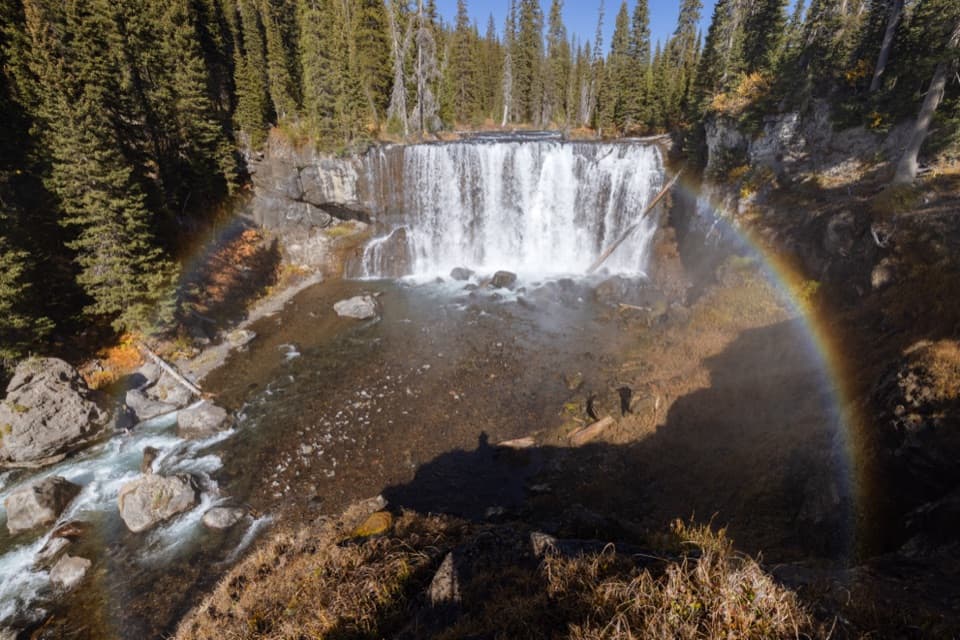
A signed spur leads to a prime overlook of Colonnade’s two tiers. If you’ve got gas in the tank, continue upstream about 0.4 mile to Iris Falls for a misty, head-on view. On the canyon walls, you may spot other cascades and talus slopes alive with pikas.

Season and Conditions

Late July through September is the sweet spot—lower river levels, drier meadows, and fewer biting bugs. Early summer brings higher, faster fords and fierce mosquitoes in this high-precipitation corner, plus frequent afternoon thunderstorms. Check with rangers for current ford depths and any advisories before committing.

Getting There and Services

Access is from the Cave Falls/Bechler side, typically reached via Ashton, Idaho, on a long stretch of gravel. Snow can linger into June. At the Bechler Ranger Station trailhead you’ll find basics like parking and restrooms, but there are no services at the falls themselves—carry all food and water and pack out trash.

Wildlife and Safety

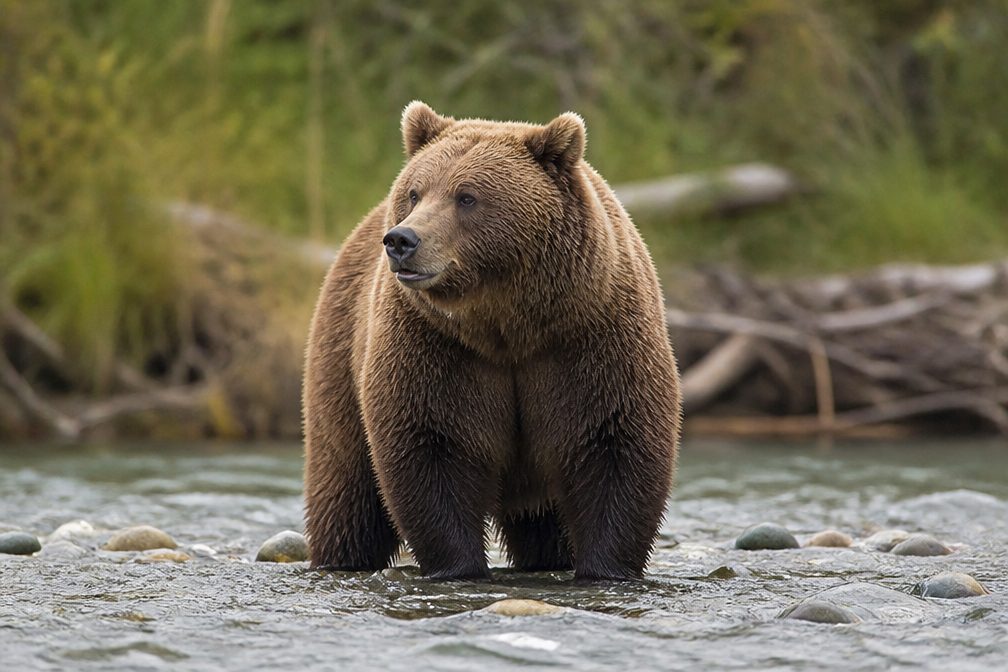
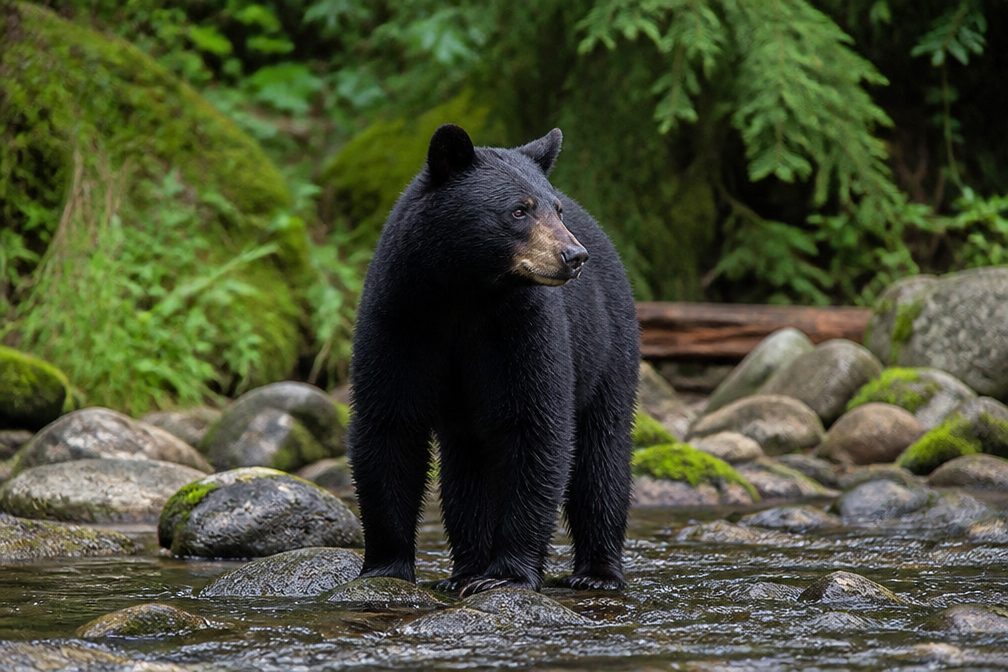
This is prime bear country—both grizzlies and black bears are possible. Carry bear spray, make noise in brushy sections, and follow food storage rules. For river fords, bring dedicated footwear and trekking poles, scout your line, and unbuckle your pack while crossing. If you’re staying overnight, you’ll need a backcountry permit.

Geology Snapshot

Waterfalls here form where more resistant volcanic rocks overlie softer layers. Over time, undercutting and collapses create the ledges and plunge pools you see at Colonnade—one reason Cascade Corner concentrates so many falls.

Photography

The main overlook frames both tiers nicely. Midday light can throw rainbows in the spray when the sun is behind you. Protect your gear if you head to Iris Falls’ misty viewpoint.

Best Time to Visit

  • Days: Start early to comfortably make the distance and to ford in lower, clearer morning flows.
  • Season: Late July–September for safer fords, fewer mosquitoes, and drier meadows.
  • Light: Mid-morning to early afternoon for potential rainbows; late-day light warms canyon walls but plan turnaround times carefully for the mileage.

Pros

  • Two-tier waterfall in a wild, low-crowd corner
  • Great add-on with nearby Iris Falls

Cons

  • Long round-trip hike with river fords
  • Mosquitoes can be intense early summer

Tips

  • Late July–September offers safer fords and far fewer mosquitoes.
  • Bring sandals or water shoes and trekking poles for the Bechler River ford.
  • Add Iris Falls just upstream for a great bonus view and lunch spot.
  • Start at first light to comfortably cover the mileage and beat afternoon storms.
  • Carry bear spray and know how to use it; make noise in brushy sections.
The Parkwolf tour guide sitting on a phone mounted in a car

Parkwolf Tour Guide

Like a tour guide in your car.

Save the places you found around Yellowstone, then let Parkwolf guide the drive between them.Download Parkwolf on the App Store