Iris Falls

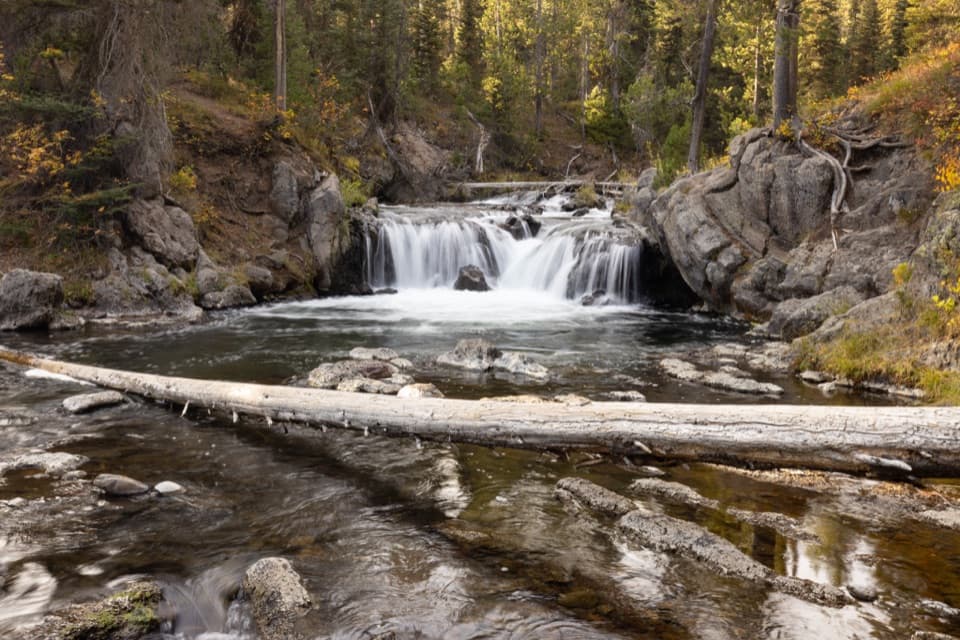
Remote cascade with rainbow spray in Yellowstone’s Cascade Corner
Iris Falls, Yellowstone National Park
InsideYellowstone National Park

Overview

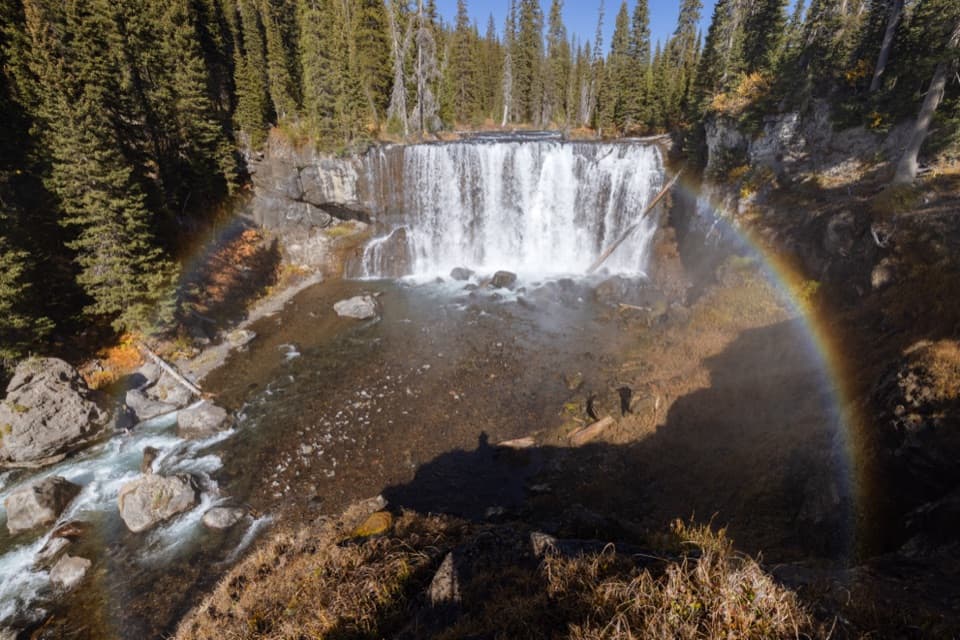
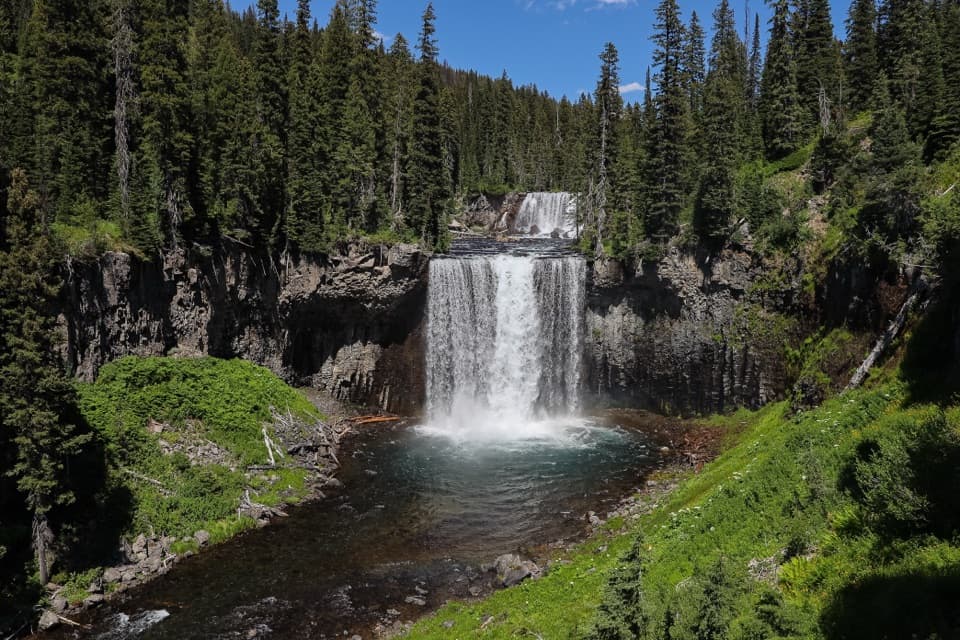
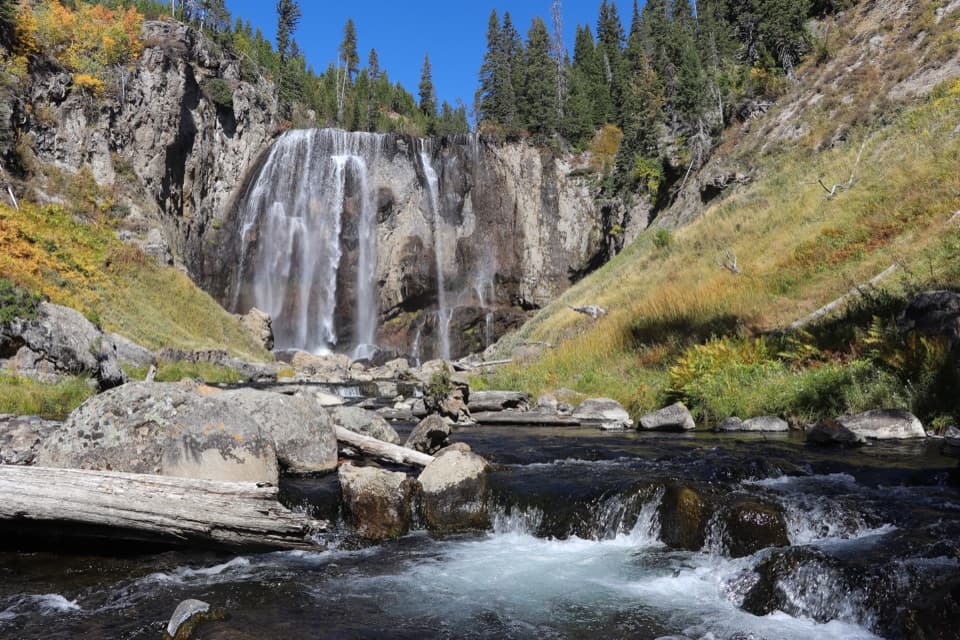
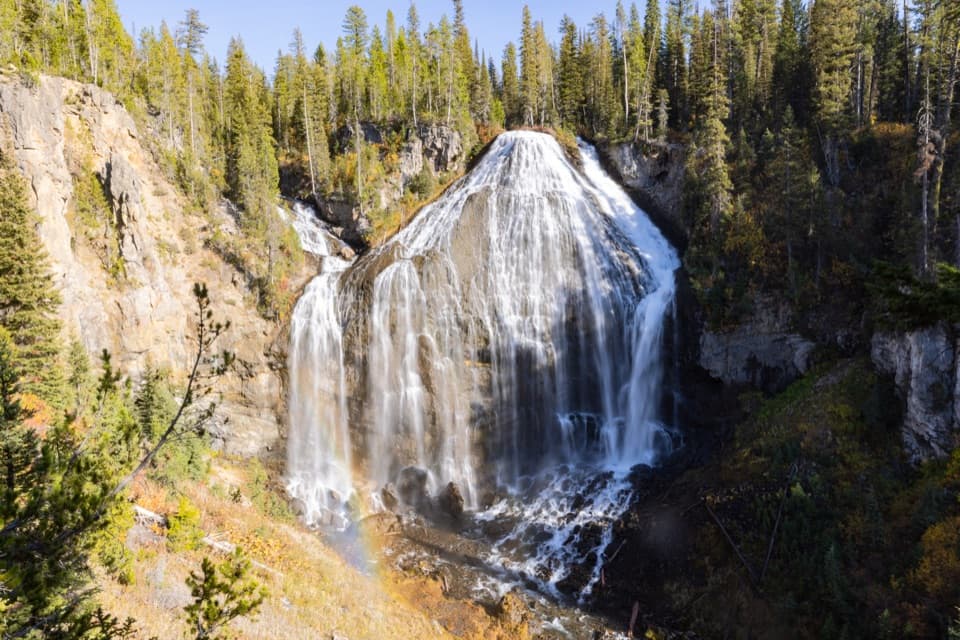
Iris Falls is a 45‑foot cascade on the Bechler River, tucked into Yellowstone’s far‑southwest "Cascade Corner." It’s a true backcountry prize: fewer people, big wilderness vibes, and that namesake rainbow‑making spray. The waterfall was named in 1885 after Iris, the Greek goddess of the rainbow.

Where It Is and Why It’s Special

Set between Colonnade Falls downstream and Ouzel Falls upstream, Iris sits in a stretch locals casually call "waterfall alley." The volcanic plateau forces the river over multiple lips, creating a chain of falls in a rugged canyon. Iris is the quieter sibling—worth the extra miles beyond Colonnade when you’ve got gas in the tank.

Getting There

Most hikers start from the Bechler Ranger Station near Cave Falls and follow the Bechler River Trail. Parking is in a medium‑sized, free lot by the trailhead; standard park entry fees apply. Services are sparse on the approach and at the trailhead.

The Hike

Expect a long out‑and‑back through meadows and along canyon benches. Terrain is generally moderate; the challenge is the mileage. Many hikers turn around at Colonnade Falls; continuing a bit farther brings you to Iris via a short spur to the best viewpoints. A strong, very early start makes a long day possible, but most people are happier splitting this into two days.

Season and Conditions

Best window is late July through September. Earlier in summer, the Bechler corridor is notorious for high water, deep mud, and intense mosquitoes. Side‑stream fords, downed trees, and beaver‑wet sections are all on the table. Summer afternoons commonly bring thunderstorms—plan to be headed out of exposed terrain by then.

Wildlife and Safety

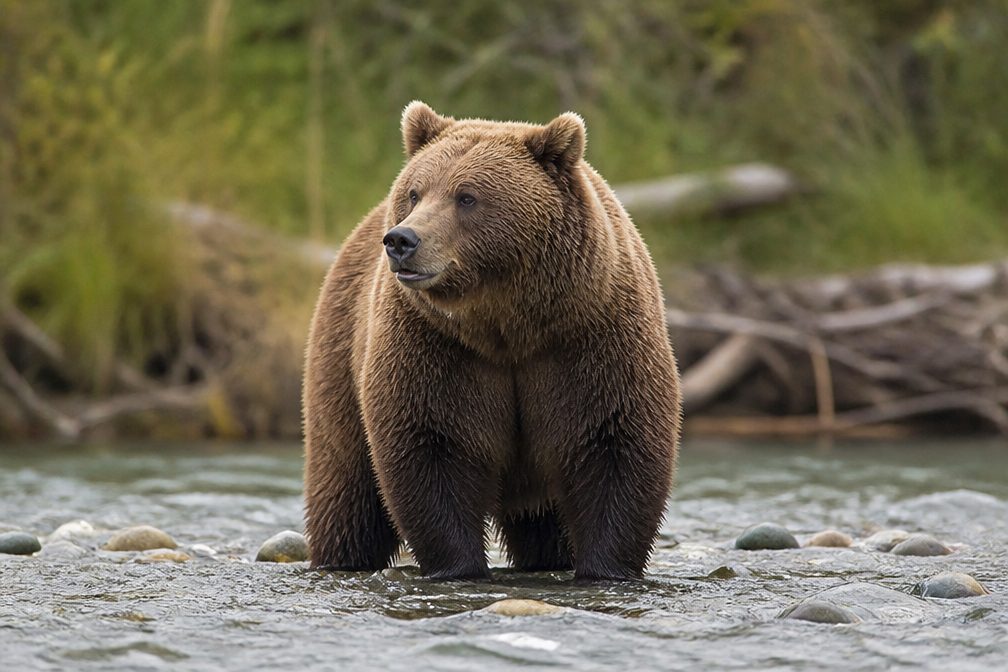
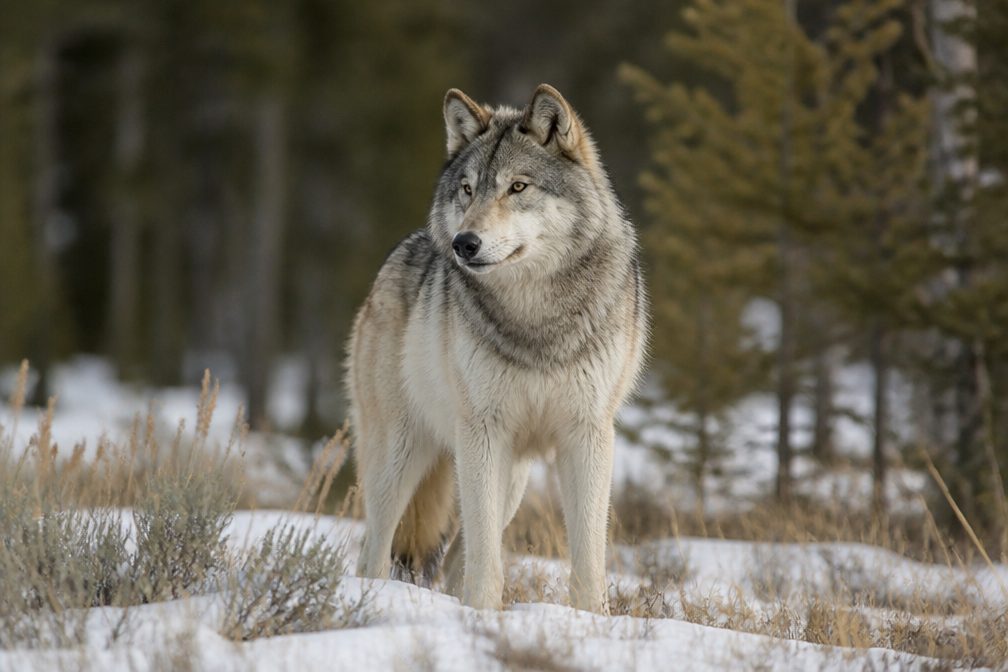
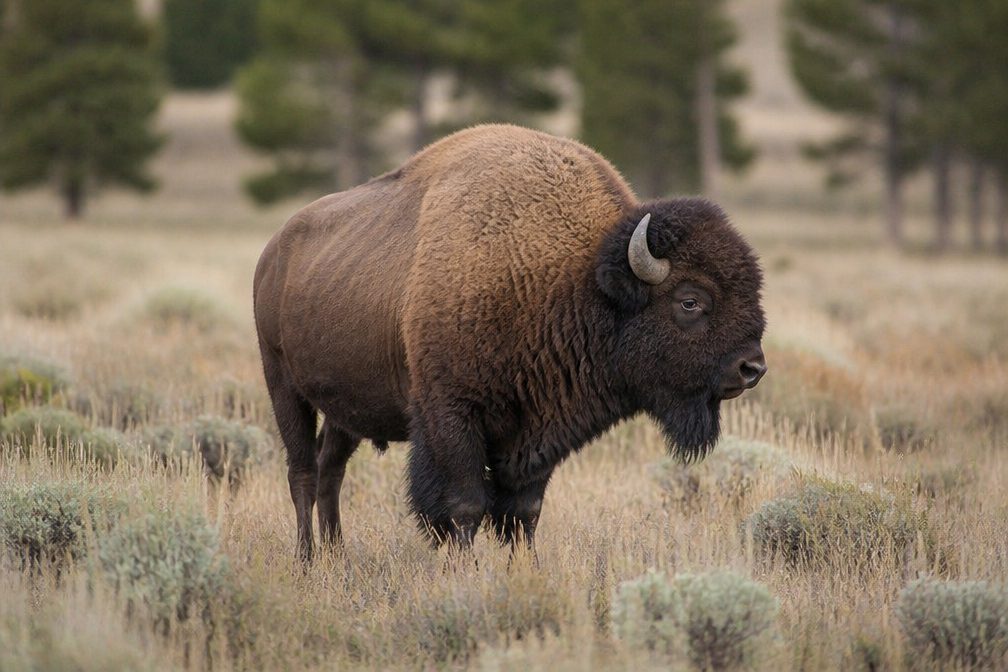
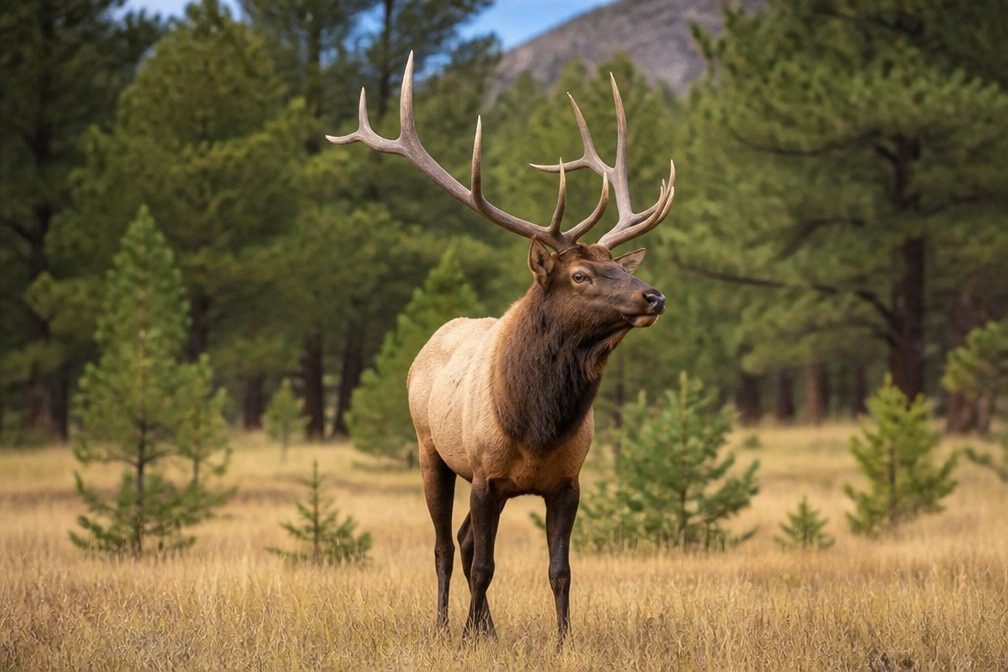
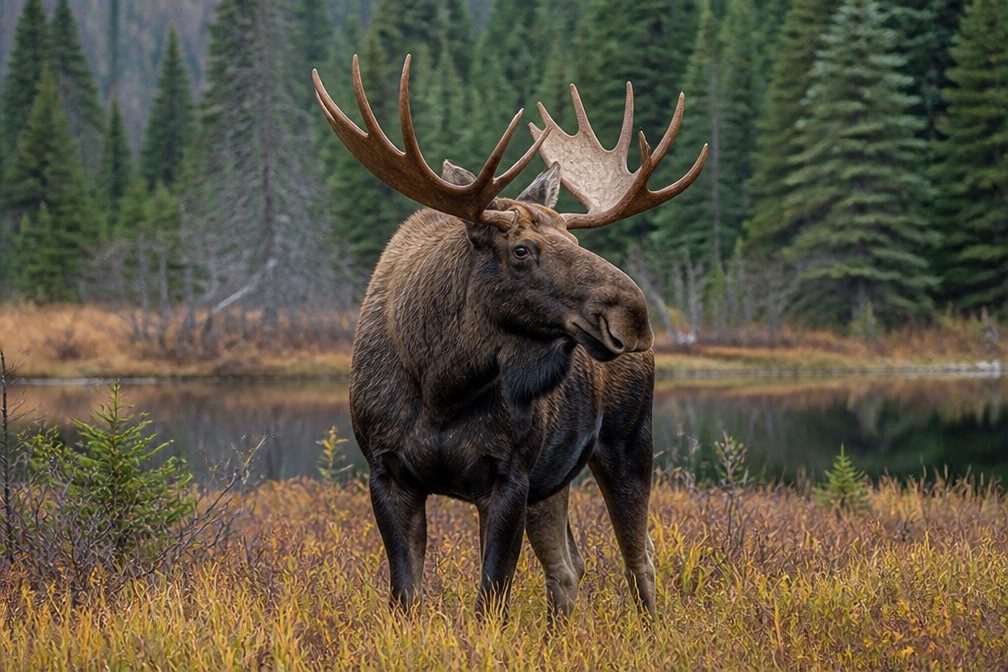
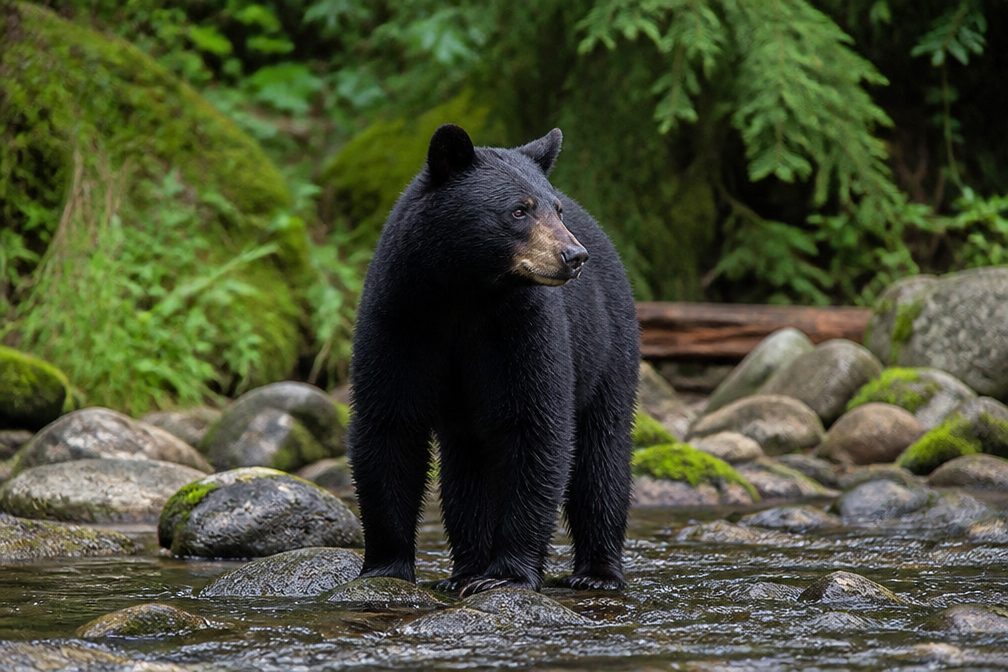
This is prime bear, moose, elk, and bison country. Carry bear spray, make noise in tall grass and meadows, and give wildlife plenty of space. Cell service is unlikely; bring a paper map or preloaded GPS and know how to use it. Treat all drinking water.

Permits, Camping, and Logistics

No permit is needed for a day hike, but designated backcountry campsites in the corridor require a backcountry permit. Check current trail and ford conditions with the Bechler Ranger Station before you go. Don’t count on restrooms at the trailhead; take care of business at major hubs or signed picnic areas before heading out.

Best Time to Visit

Late summer offers the friendliest fords and the least mud. Start at first light for a day push to beat afternoon storms and give yourself time at both Colonnade and Iris. Crowds are typically light even in peak season, so weekends aren’t dramatically busier here.

Photography Notes

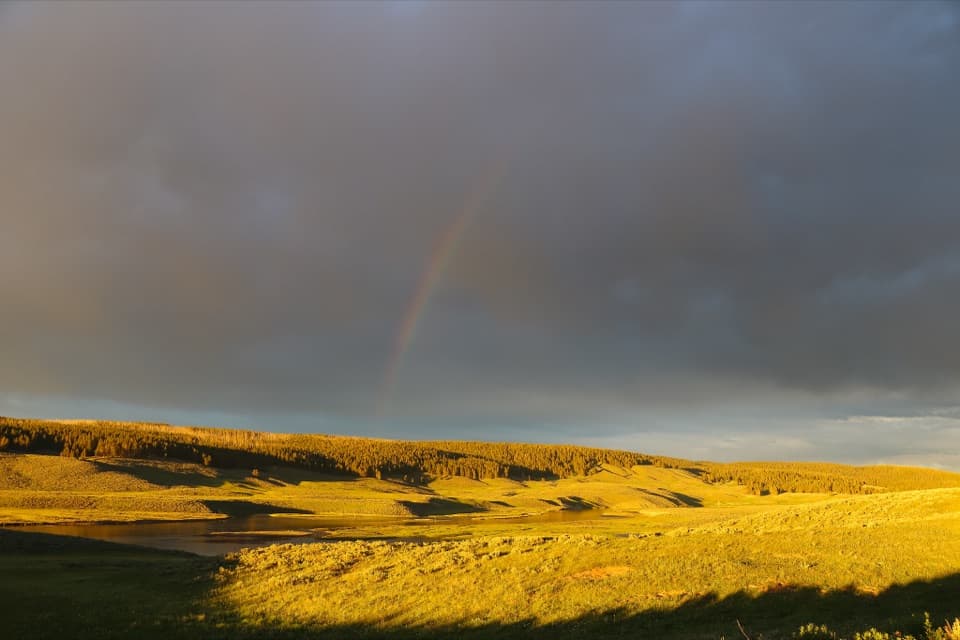
Iris often throws rainbows in the spray—watch for sun‑angle shimmer when the light breaks through. Bring a light rain shell for mist near the viewpoint and a cloth to wipe lenses.

Pros

  • Remote waterfall with few crowds
  • Spray often throws rainbows and pairs well with nearby Colonnade Falls

Cons

  • Long approach—better as an overnight for most
  • Early-season high water, mud, bugs, and possible fords

Tips

  • Start at first light if attempting this as a day hike.
  • Check current ford and trail conditions with the Bechler Ranger Station.
  • Carry bear spray and serious bug protection in early to mid‑summer.
  • Plan water treatment and bring extra calories; services are nonexistent on trail.
  • Preload offline maps; cell service is unlikely in the Bechler corridor.
The Parkwolf tour guide sitting on a phone mounted in a car

Parkwolf Tour Guide

Like a tour guide in your car.

Save the places you found around Yellowstone, then let Parkwolf guide the drive between them.Download Parkwolf on the App Store