
Place · 0.1 mi away
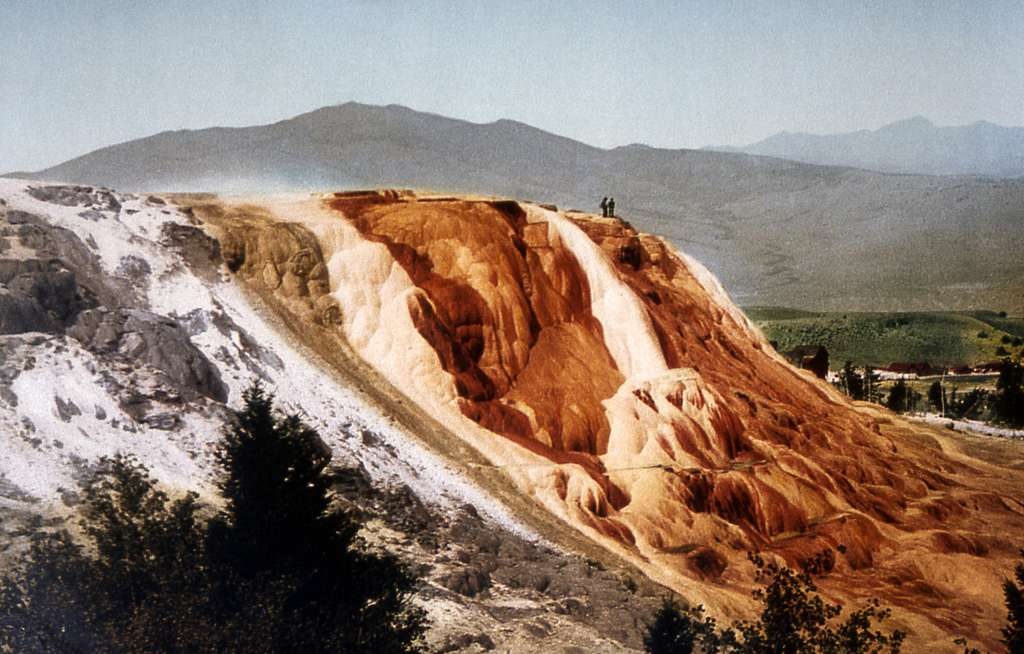
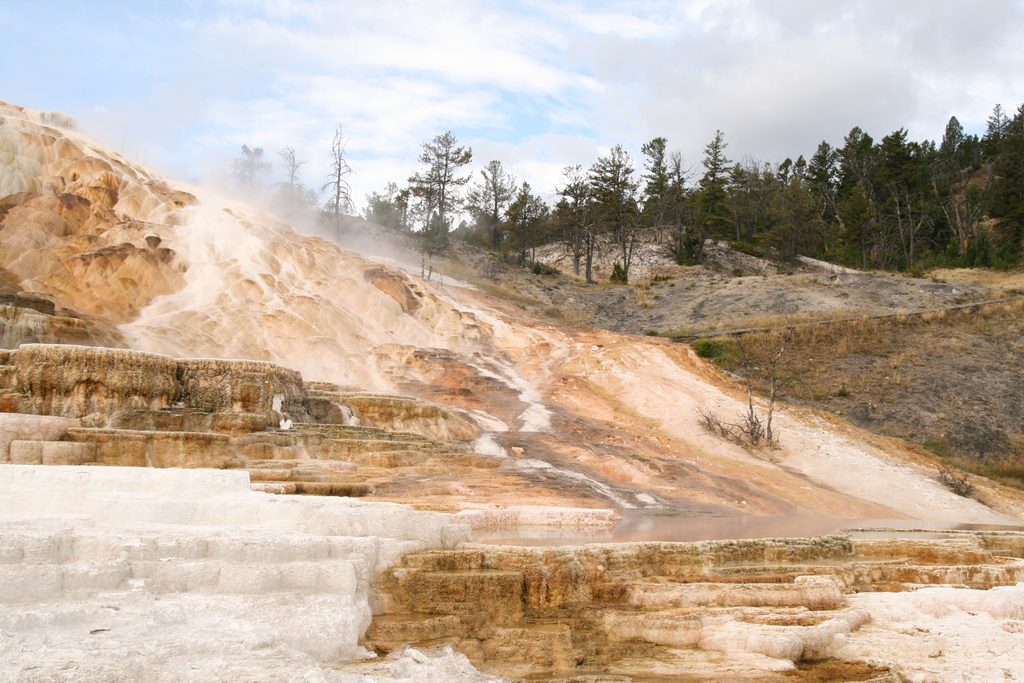
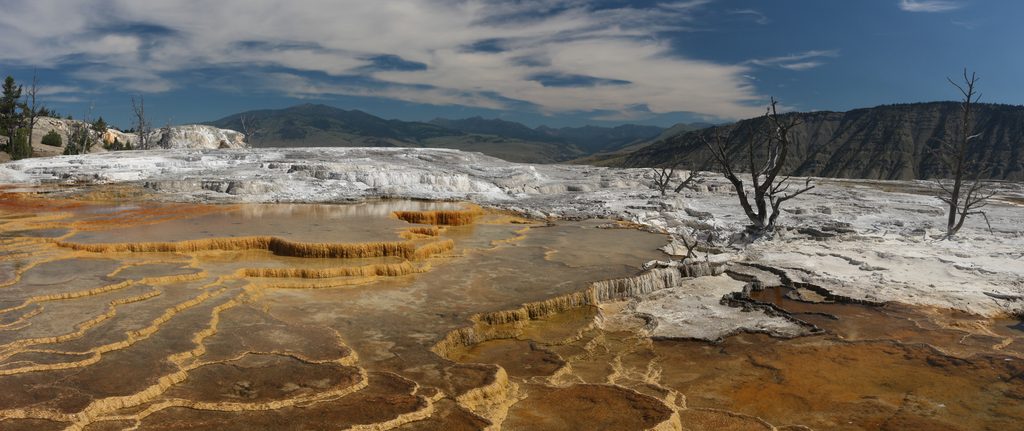
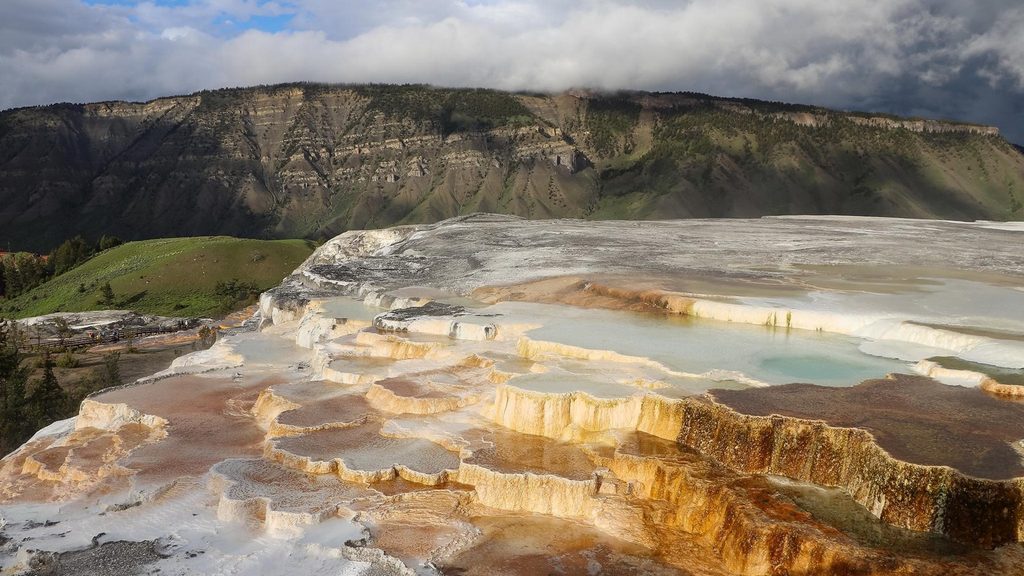
Jupiter Terrace is one of Mammoth Hot Springs’ marquee travertine formations—a cascading staircase of chalk‑white stone that waxes and wanes with the shifting underground plumbing. It’s part of the broader Main Terrace area, so what’s roaring with color one year might be quiet the next. In the 1980s, Jupiter even overflowed the boardwalks multiple times—classic Mammoth behavior.
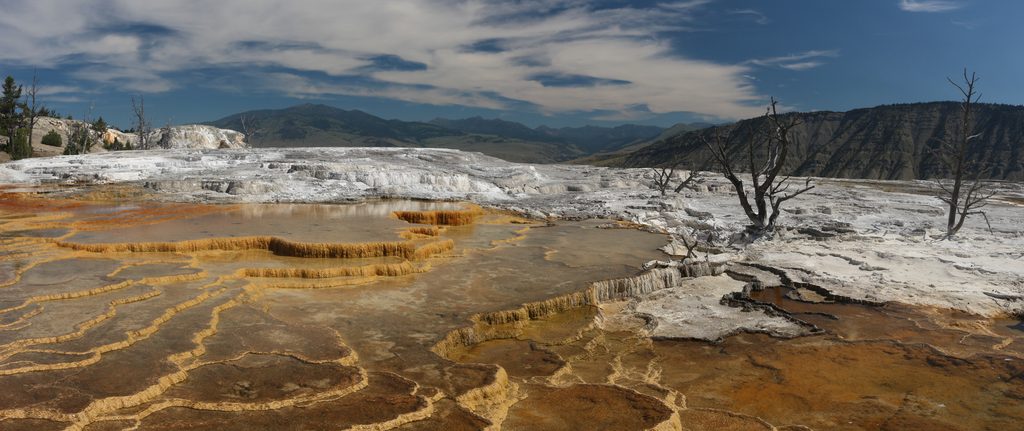
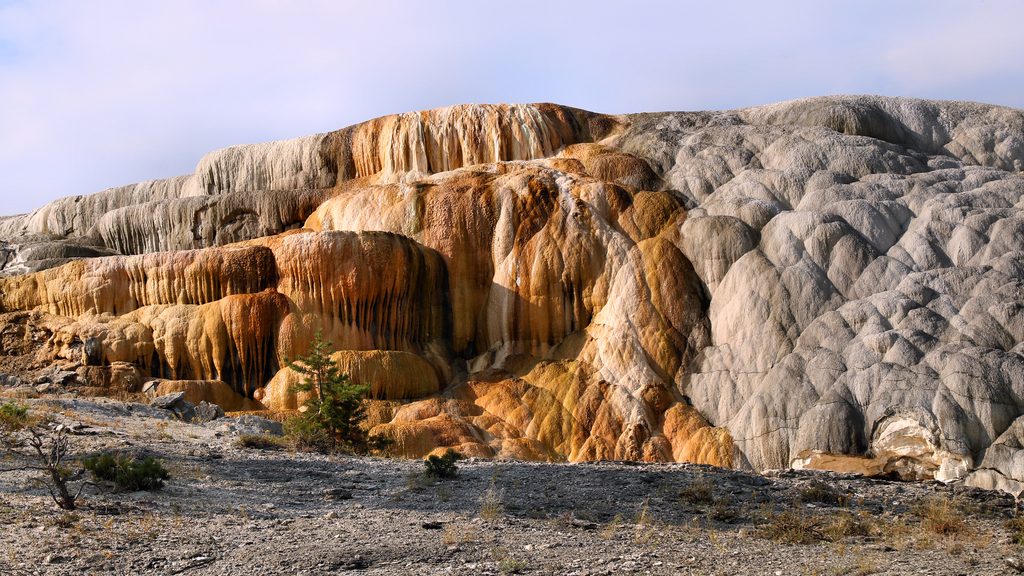
Expect gleaming white steps accented by streaks of copper, orange, and green when water is flowing. Those colors come from heat‑loving microorganisms (thermophiles) that thrive at different temperatures, so the palette changes as flow and heat shift.
Mineral‑rich hot water rises through fractures and fissures. As it hits the surface, carbon dioxide escapes and calcium carbonate rapidly precipitates, building travertine. The heat source for this system is still debated—either the Yellowstone caldera’s magma chamber or a more localized source—but the result is fast‑growing, ever‑changing terraces.
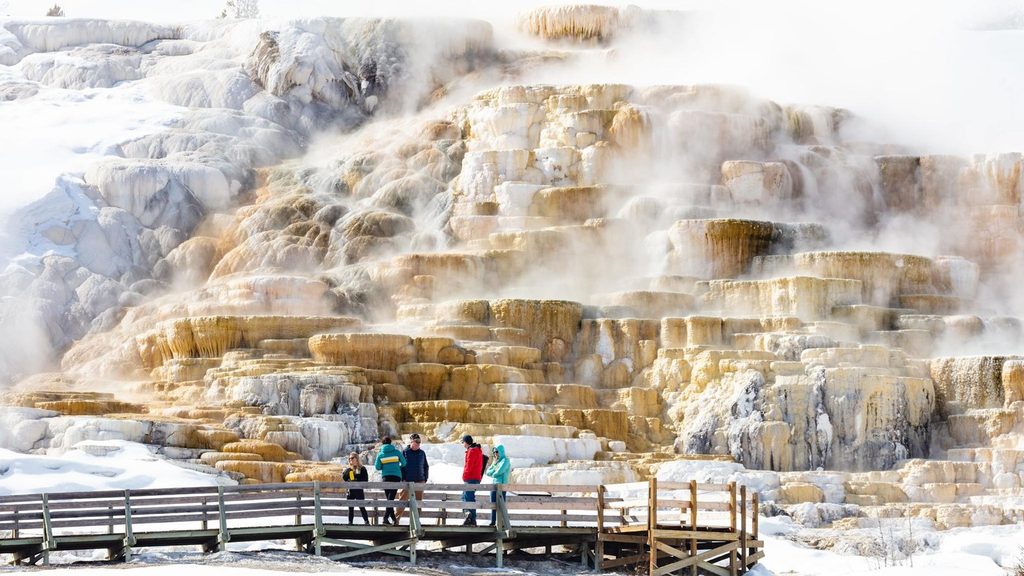
You can reach Jupiter Terrace from the Lower Terraces parking area via the boardwalk network, or hop between short boardwalks from pullouts along the one‑way Upper Terrace Drive. Restrooms are available by the Lower Terraces parking and at the Upper Terrace Drive parking area. There’s no traditional dirt‑trail “trailhead” here—just boardwalk entries and short walks.
It’s open 24 hours, so play the light: early morning and late afternoon bring softer glow, fewer people, and better photos. After rain or snow, colors can pop. Summer mid‑days draw the most traffic, and the small pullouts on Upper Terrace Drive fill fast. Winter is quieter and beautiful, but expect snowy or icy boardwalks and winter driving conditions.
Stay on the boardwalks and marked routes—the crust is thin and the water can be scalding. Supervise kids, skip the shortcuts, and respect closures. You’re responsible for your safety.
Elk are frequently seen around Mammoth; give them plenty of space and never approach. Indigenous peoples, including the Shoshone and Bannock, historically collected minerals from these terraces for white paint—a reminder that this landscape has long been important to human communities.
Pair Jupiter with nearby stars like Minerva Terrace, Canary Spring, Liberty Cap, Orange Spring Mound, or Opal Terrace. If Jupiter looks subdued, something else nearby is usually putting on a show.
Place · 0.1 mi away
Place · 0.1 mi away
Place · 0.1 mi away
Place · 0.1 mi away
Easy · 0.1 mi away
Easy · 0.2 mi away
Easy · 0.2 mi away
Moderate · 0.2 mi away

Parkwolf Tour Guide
