
Place · 0.1 mi away
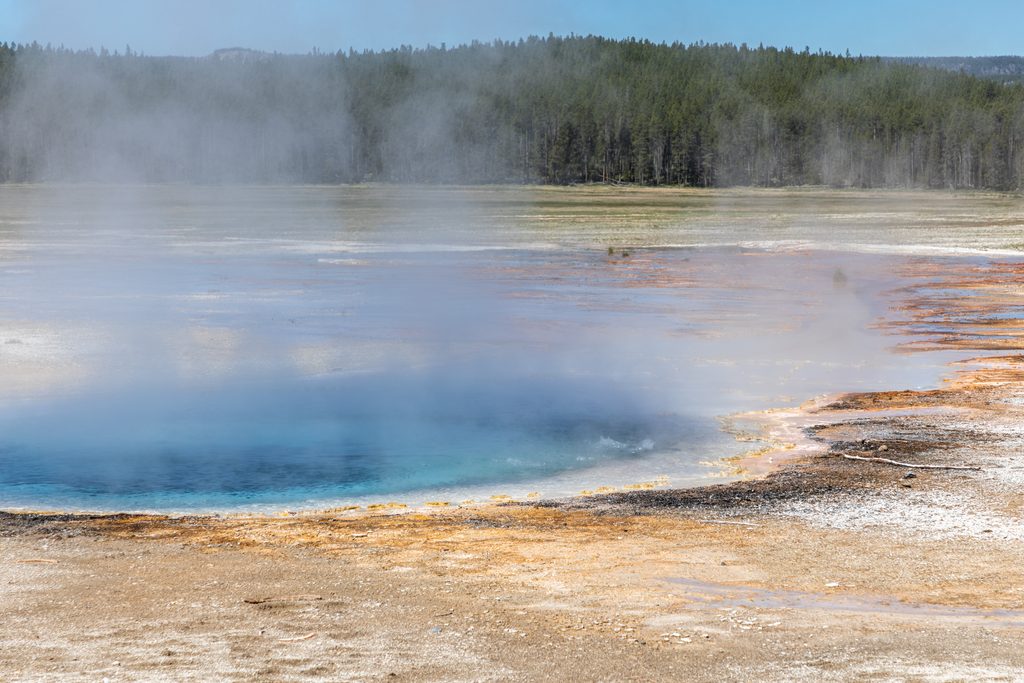
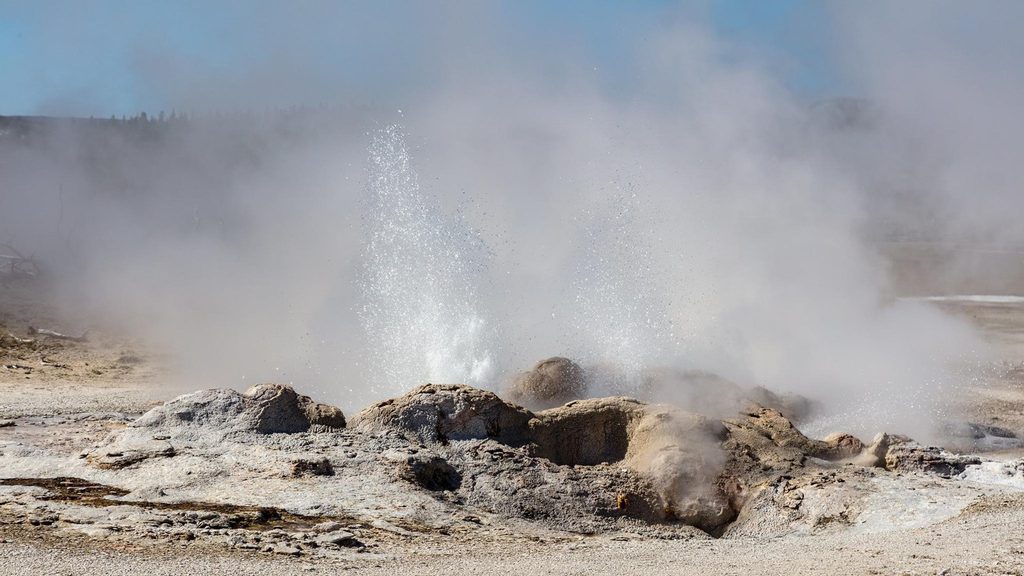
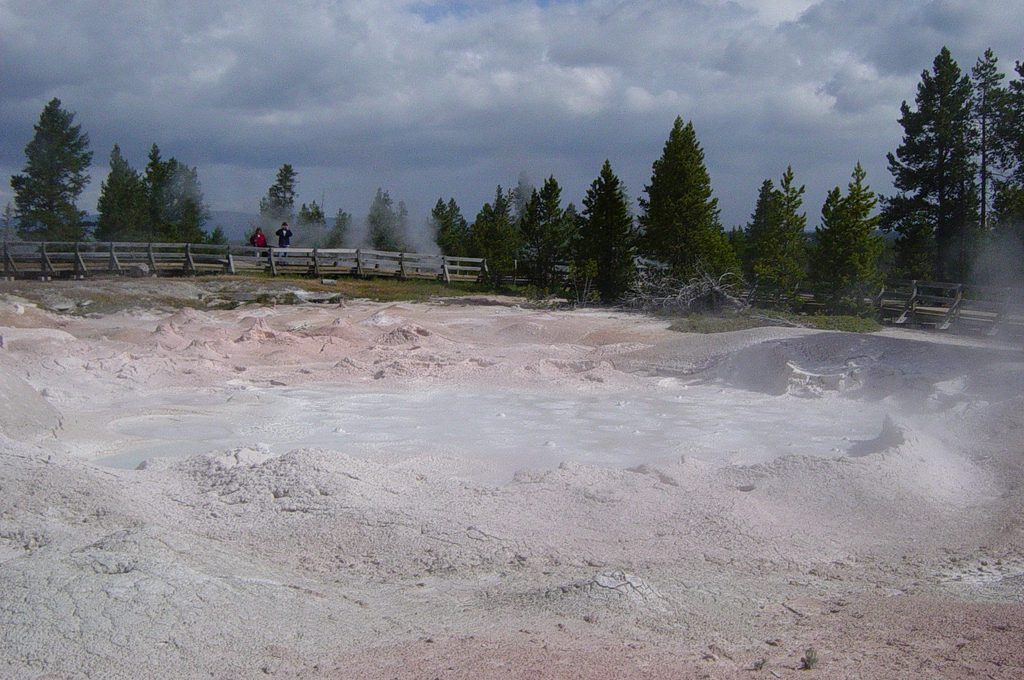
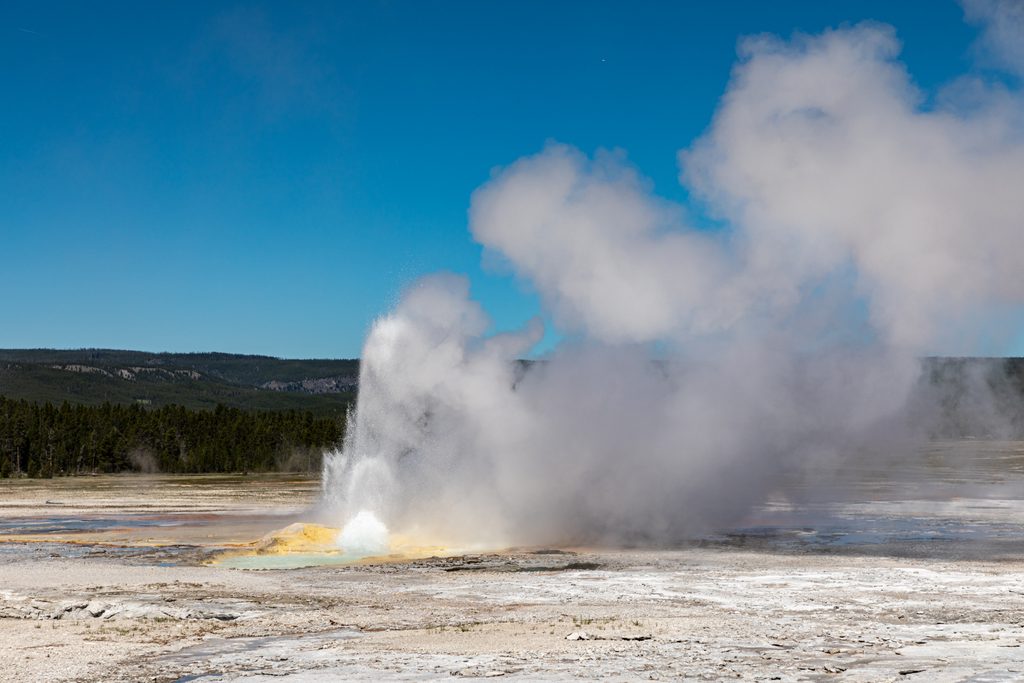
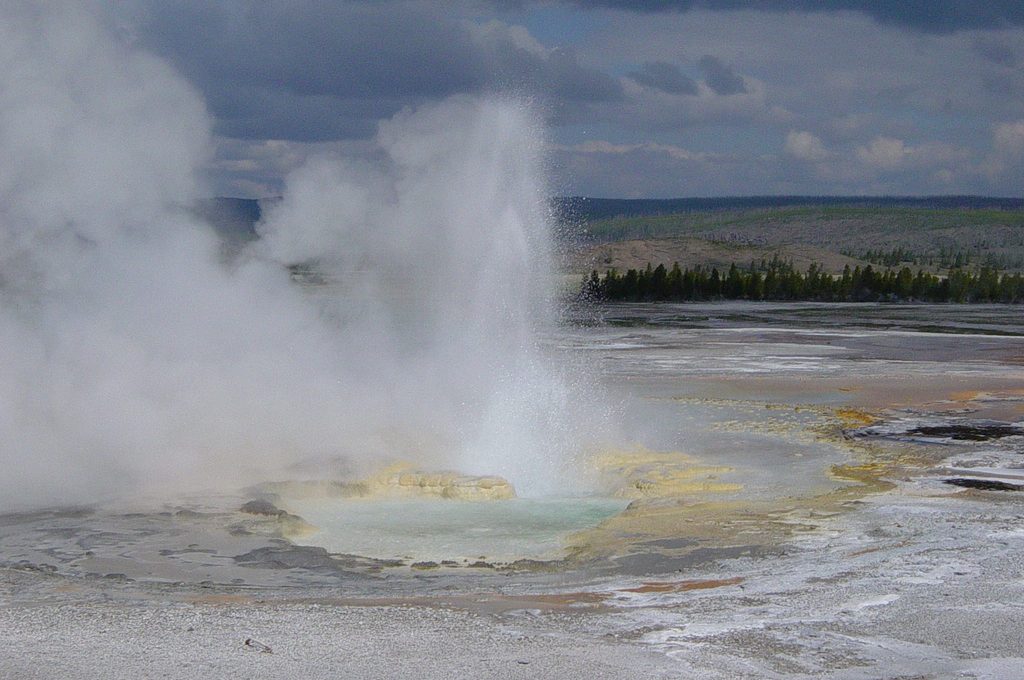
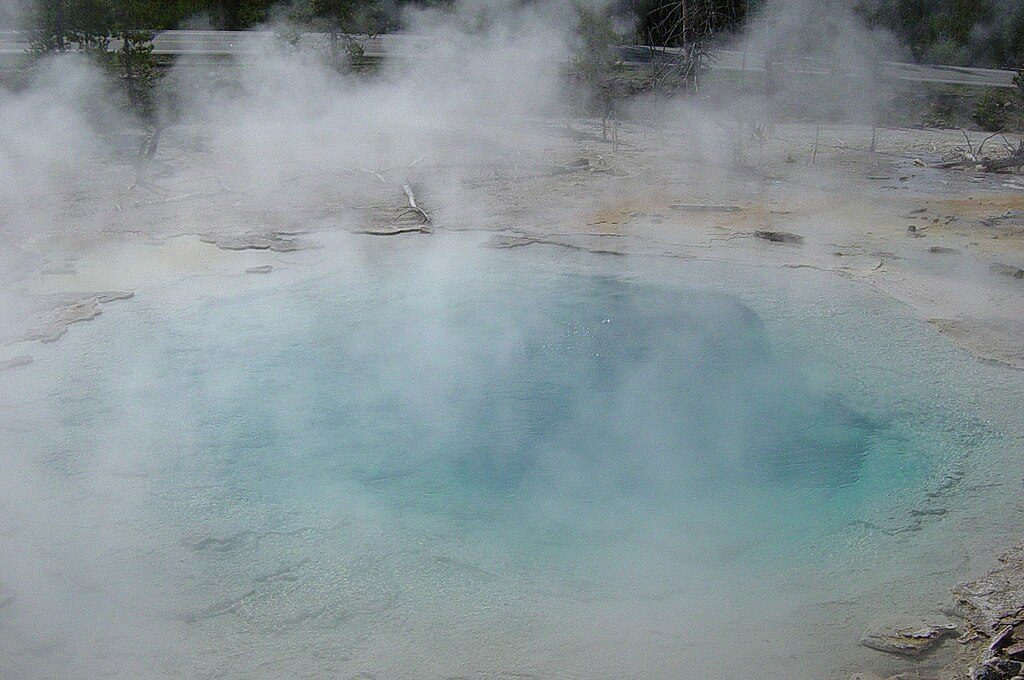
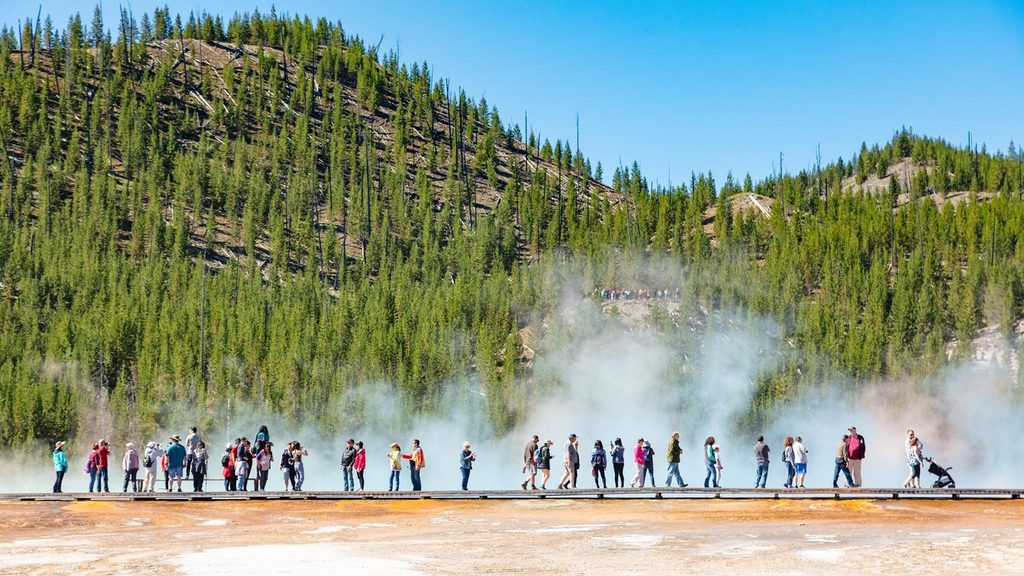
Lower Geyser Basin is the park’s largest thermal basin, a broad, open grassland kept treeless by heat just below the surface. It’s a greatest-hits sampler of Yellowstone hydrothermal features—bubbling mudpots, azure pools, roaring fumaroles, and frequent geyser bursts—without a long hike.
Color comes from minerals and thermophiles: white from silica or clay in acidic waters, red-orange from iron oxides and cyanobacteria, and greens to purples from different heat-loving microbes.
Sediment cores from Goose Lake show a major ecological shift here. About 10,300–3,800 years ago, the basin was forested with lodgepole pines and had localized hydrothermal activity. After ~3,800 years ago, heating became widespread across the basin, transforming it into today’s open grassland while activity at Goose Lake itself waned. Reorganizations like this can be driven by earthquakes or severe drought. The wider region sits over a mantle plume, and the park experiences frequent small earthquakes—part of the living geologic engine that powers these features.
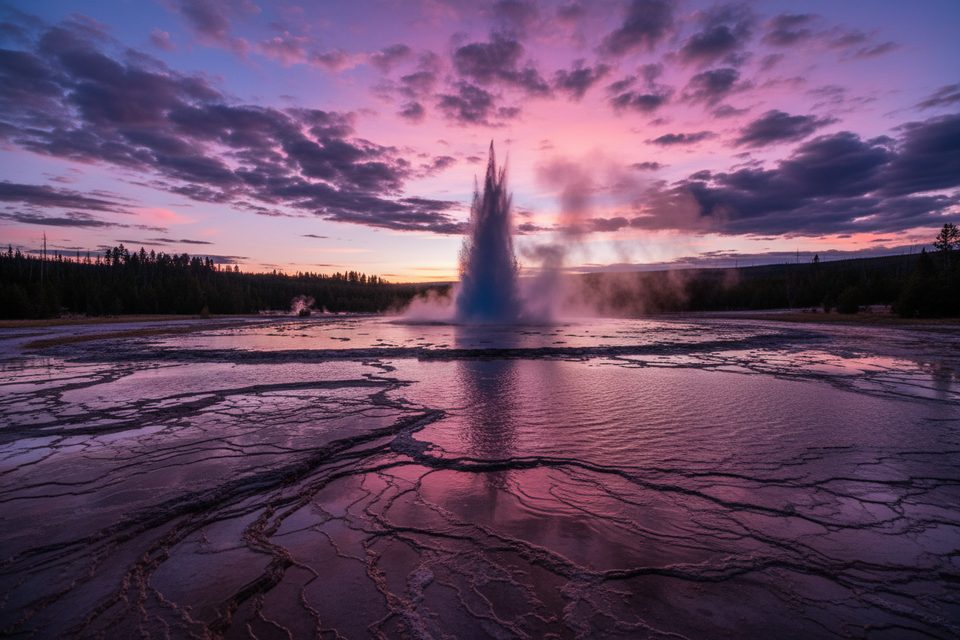
Early morning or near sunset brings softer light, cooler temps, fewer crowds, and better odds of easy parking. Sunset can be especially beautiful here—steam and color really pop—while traffic elsewhere in the park tends to ease. If you’re hoping to see Great Fountain erupt, check the day’s prediction window and build your route around it.
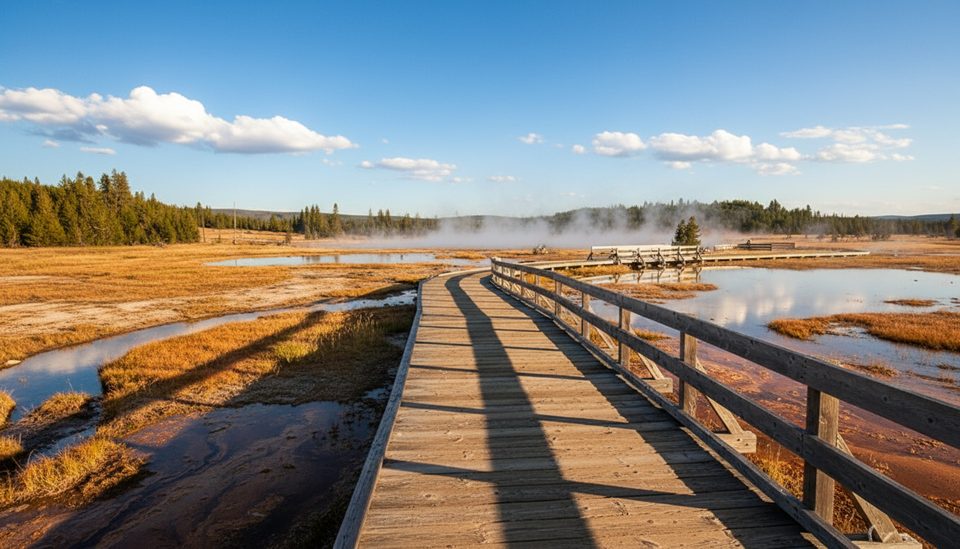
Bison commonly roam the basin and can cause traffic slowdowns. Give wildlife space—at least 25 yards from bison and elk, and 100 yards from bears and wolves. Stay on boardwalks and marked paths; ground can be thin with scalding water just beneath. Obey closures, keep hands and feet out of thermal waters, and be ready for fast-changing weather.
Place · 0.1 mi away
Place · 0.1 mi away
Place · 0.1 mi away
Place · 0.1 mi away
Easy · 0.1 mi away
Easy · 1 mi away
Easy · 1 mi away
Easy · 2 mi away

Parkwolf Tour Guide
