
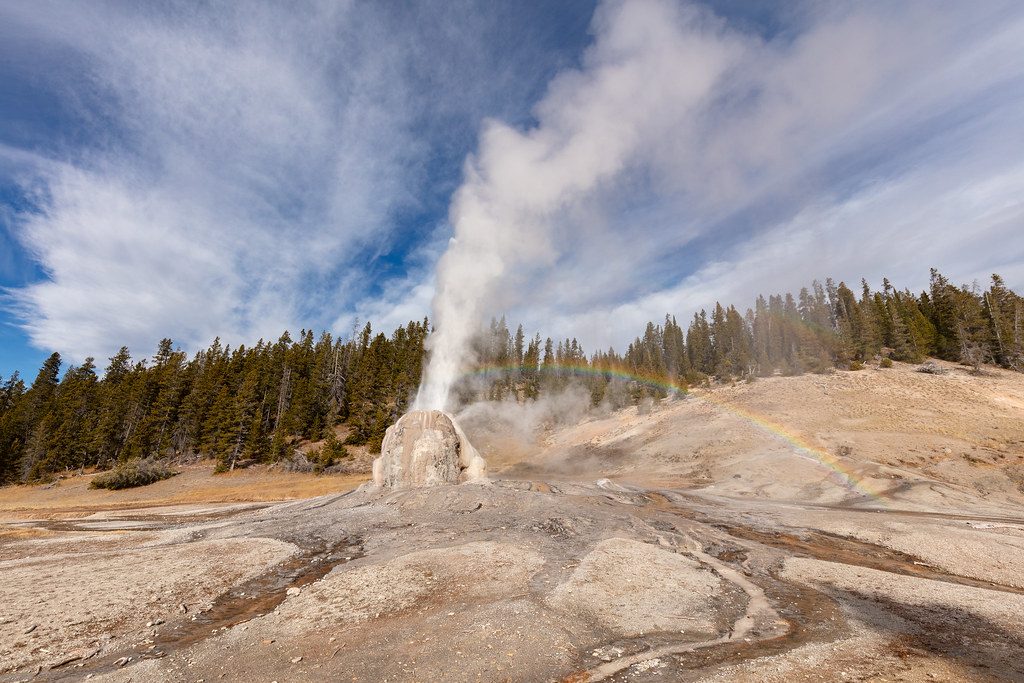
Place · 4.4 mi away
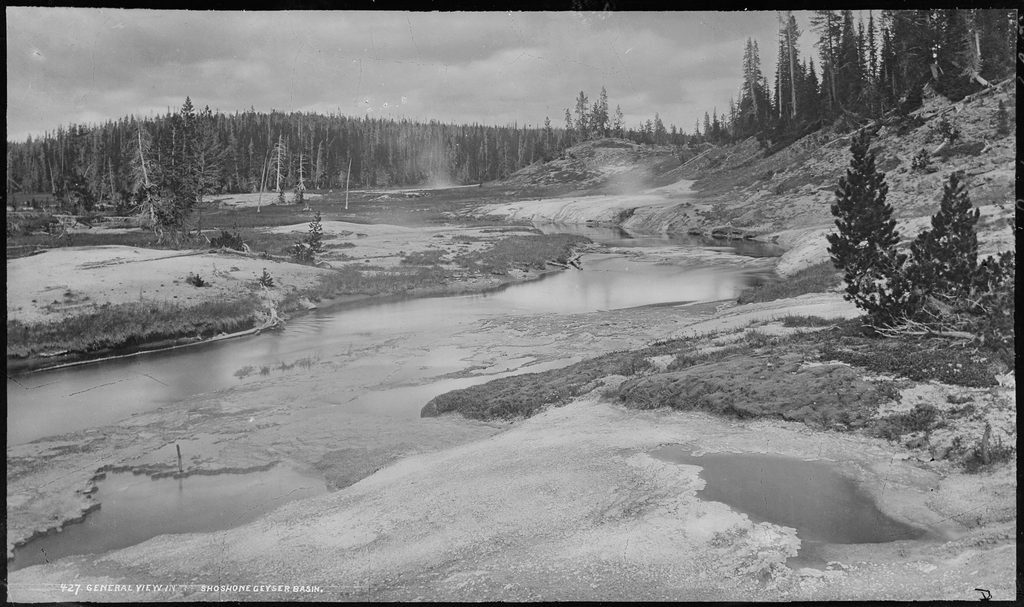
Shoshone Geyser Basin is Yellowstone’s largest backcountry geyser basin, tucked along the west shore of Shoshone Lake. It’s wild, undeveloped, and blissfully quiet—no boardwalks, no signage, no facilities—just one of the park’s densest collections of geysers in a pristine setting.
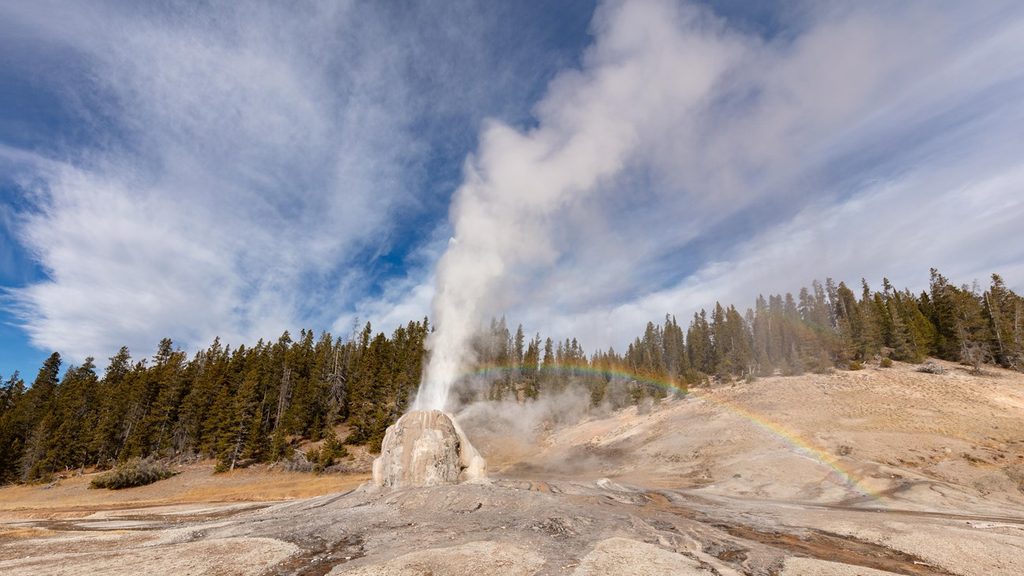
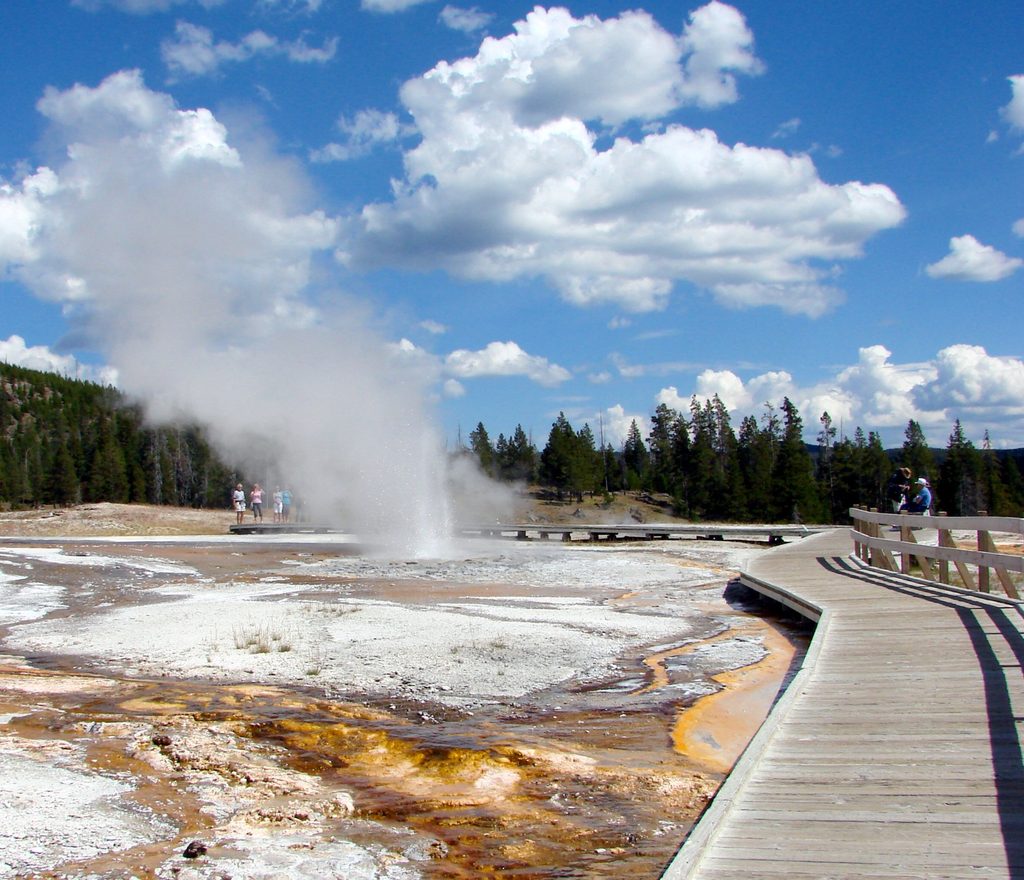
Expect a concentrated maze of springs and geysers: frequent short bursts from Minute Man Geyser (often every 1–3 minutes), the intricate sinter rims of the North Group, splashy features like Soap Kettle, and colorful pools such as Gourd and Taurus. Union Geyser—once the basin’s star—has been dormant for decades. The shoreline of Shoshone Lake frames the basin with a remote, high-country feel.
There’s parking only at trailheads/launches—not at the basin. No restrooms or potable water are available; treat lake/creek water.
Thermal ground here is thin and can collapse. Stay on the obvious established path; do not approach rims or cross runoff channels. A fatal accident occurred here in 1988—this is not a place to wander at night or off-route. Some thermal groups west of Shoshone Creek have been closed to public entry since 2016; respect all posted closures.
This is bear country. Hike in groups, carry bear spray, make noise, and give wildlife space (at least 100 yards from bears and wolves, 25 yards from other animals). If gases make you feel unwell, leave the area immediately.
Backcountry camping along Shoshone Lake requires a permit and is the best way to savor the basin without a rushed out-and-back. No permit is required for day hiking.
Late summer into September typically brings better footing and fewer mosquitoes; June–July can be buggy. Start early to give yourself ample time to explore and to retreat if conditions (weather, footing, wildlife) aren’t right. Solitude is the norm here compared to front-country basins, but daylight and weather should drive your timing more than crowd avoidance.
If you’re after an undeveloped thermal area and can handle a big day or an overnight, this is a rare, rewarding slice of Yellowstone—more about immersion and discovery than grand, predictable shows.
Place · 4.4 mi away
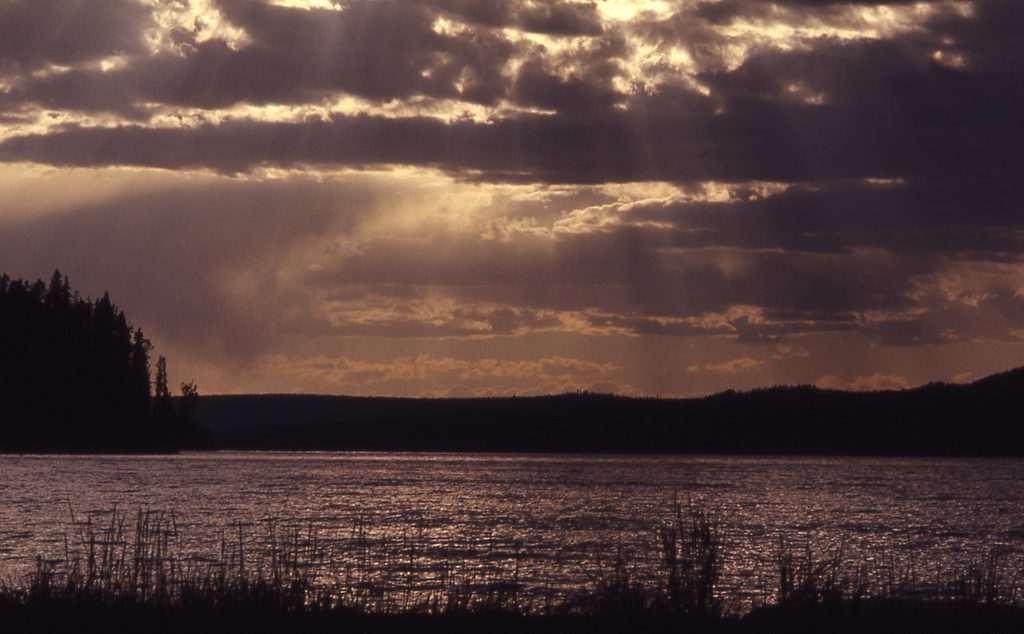
Place · 5.3 mi away
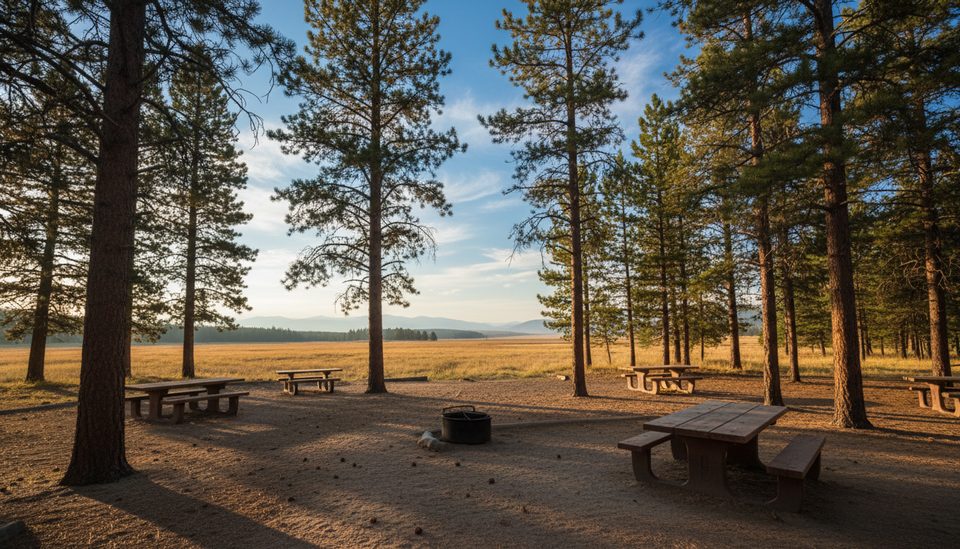
Place · 5.7 mi away
Place · 6.3 mi away
Easy · 6.2 mi away
Easy · 6.3 mi away
Easy · 7.4 mi away
Easy · 7.4 mi away

Parkwolf Tour Guide
