Parking
Lone Star Trailhead (OK1) is just beyond the Kepler Cascades pullout. Its small lot may fill; Kepler Cascades parking is the nearby overflow option. The trailhead has a kiosk and vault or composting toilet.
#17 of 167 trails in Yellowstone
Yellowstone National Park, WY · MT · ID
Easy Firehole River walk to a geyser with roughly three-hour eruptions.
Overview
Map & elevation
Plan your hike

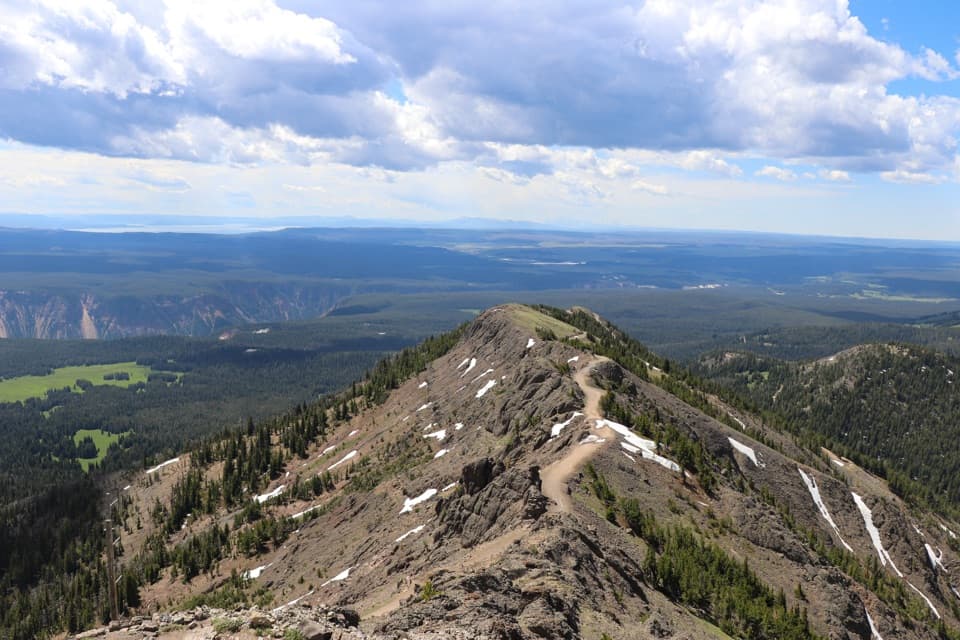
The highest, rockiest slopes around here are a summer buffet for grizzly bears.
Yellowstone Tour Guide
Parkwolf is a GPS audio tour guide for Yellowstone National Park. As you drive, it chimes in with what’s ahead: hidden gems, upcoming stops, history, geology, and wildlife, right through your car’s speakers.
See the Yellowstone audio tourRecorded for this trailhead
Lone Star Geyser Trailhead“You're nearing the Lone Star Geyser trailhead, where a mostly level riverside walk leads to a pale cone in a forest clearing. It's about five miles round trip, taking two to three hours before any wait for an eruption.”
Plays as you drive up to this trailhead in the Parkwolf Yellowstone Tour Guide.
More stories near here in the app
“First time driving through a national park. We used the Yellowstone tour on grand loop Road and it’s just like having a tour guide in your car with you.”


Trail guide
Lone Star Geyser Trail is a 4.8-mile (7.7 km) out-and-back from Lone Star Trailhead (OK1) to the place where Lone Star Geyser comes into view, then back the same way. The mostly level route follows an old service road beside the Firehole River, with patchy pavement and dirt sections. Plan on 2 to 3 hours of walking, and add time if you want to wait for an eruption. The National Park Service describes it as wheelchair and mobility-device accessible, though the pavement is intermittent. An older trailhead listing gives 5.4 miles instead of 4.8, so treat the distance as approximate and leave a little margin.
A short early spur leads to a diversion dam on the Firehole; stay on the main route toward the geyser. Farther along, the road crosses a bridge and passes a short spur to Halfway Group at about three-quarters of a mile. At roughly 1.5 miles, Spring Creek Trail branches off; keep to the main Lone Star route. These side trails lead elsewhere, so check the junctions before turning. The forest stays close along much of the river walk, then opens around the geyser basin.
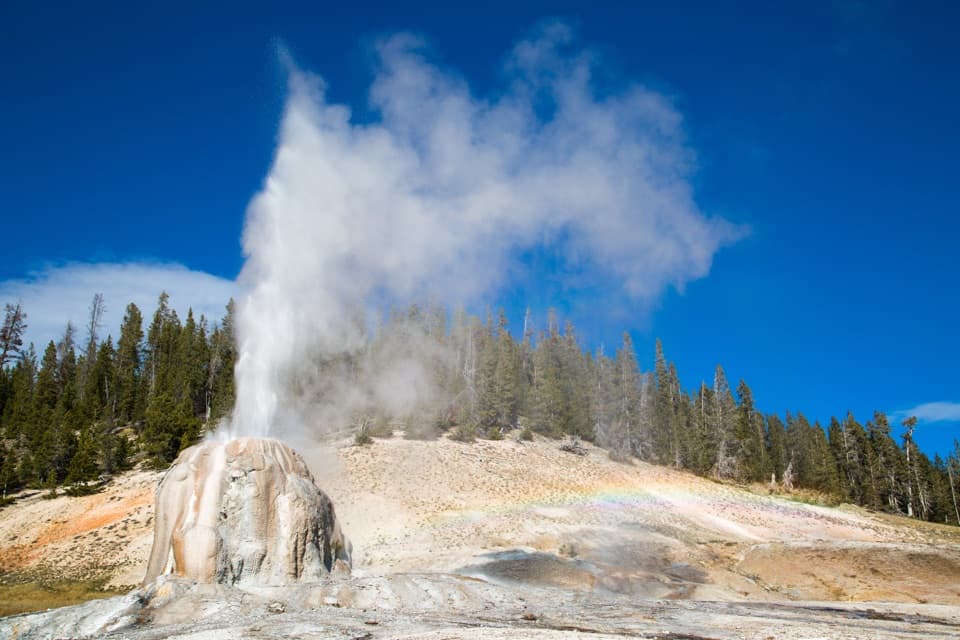
The payoff is a 12-foot cone of silica sinter in an open thermal clearing beside the river. Lone Star erupts on average about every three hours, sending water and steam roughly 45 to 50 feet high. That is an average interval, not a timetable: the cone may be quiet when you arrive, and a good eruption can mean a long wait. Its unusually steady rhythm has been observed since at least the 1880s. Silica dissolved in the hot water settles out as it reaches the surface, gradually building the cone.
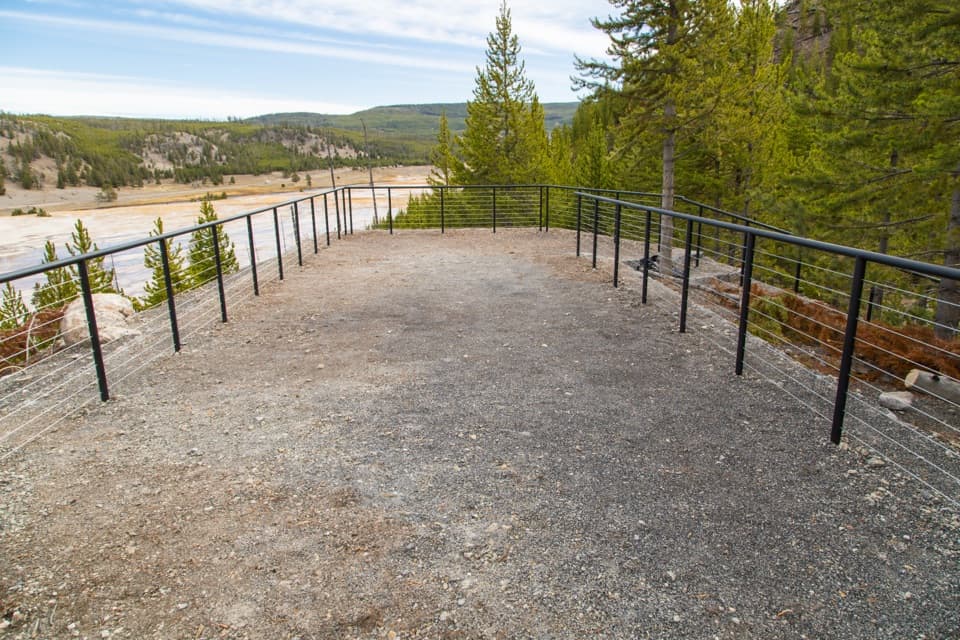
The mapped trail ends at a barrier about 300 feet from the cone, where the geyser is visible. If it erupts, the clearing gives you an open view of the plume against the forest. The route continues beyond the geyser toward Howard Eaton, Shoshone Lake and Continental Divide Trail connections; that adds a longer backcountry walk, not part of this standard outing. Cyclists share the road to the barrier and must dismount before the geyser.
Stay on established paths around the basin. The crust can be thin above scalding water, and stepping onto unmarked ground can be fatal. Pets are not allowed on the trail. Bears and bison use this area: keep at least 100 yards from bears and wolves and 25 yards from bison and other wildlife.
Lone Star Trailhead is just beyond the Kepler Cascades pullout, southeast of Old Faithful. The small lot can fill; Kepler Cascades parking is the nearby overflow option. The trailhead has an information kiosk and vault or composting toilet. No food or potable water service was confirmed at the access, so do not count on finding either along the walk. There is no separate activity fee or reservation, though Yellowstone entrance fees may apply.
Wildlife
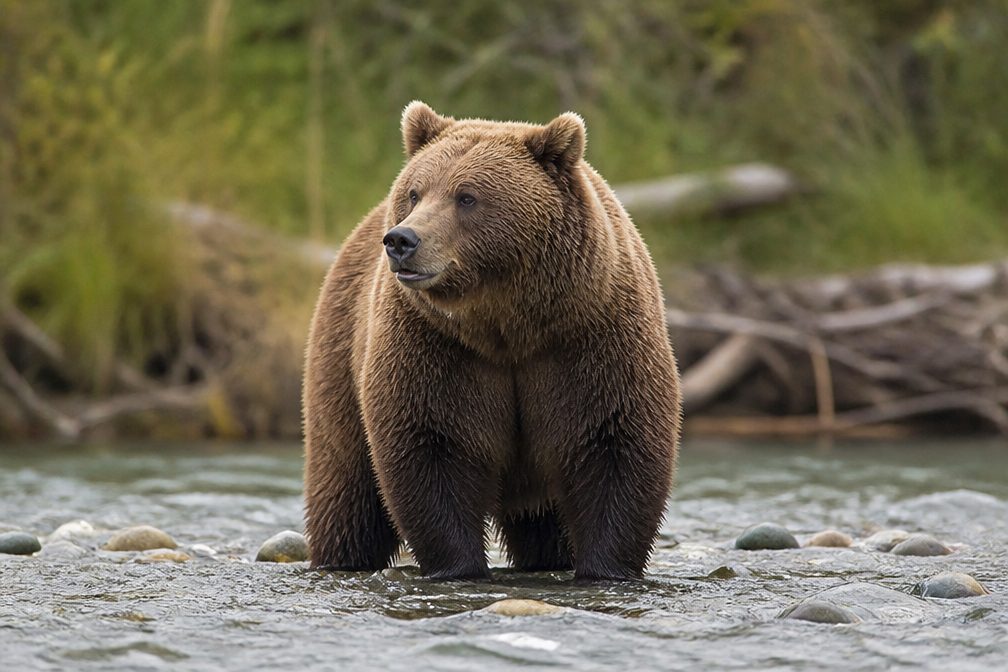 713 sightingsGrizzly BearMost seen around 6 AMSighting map
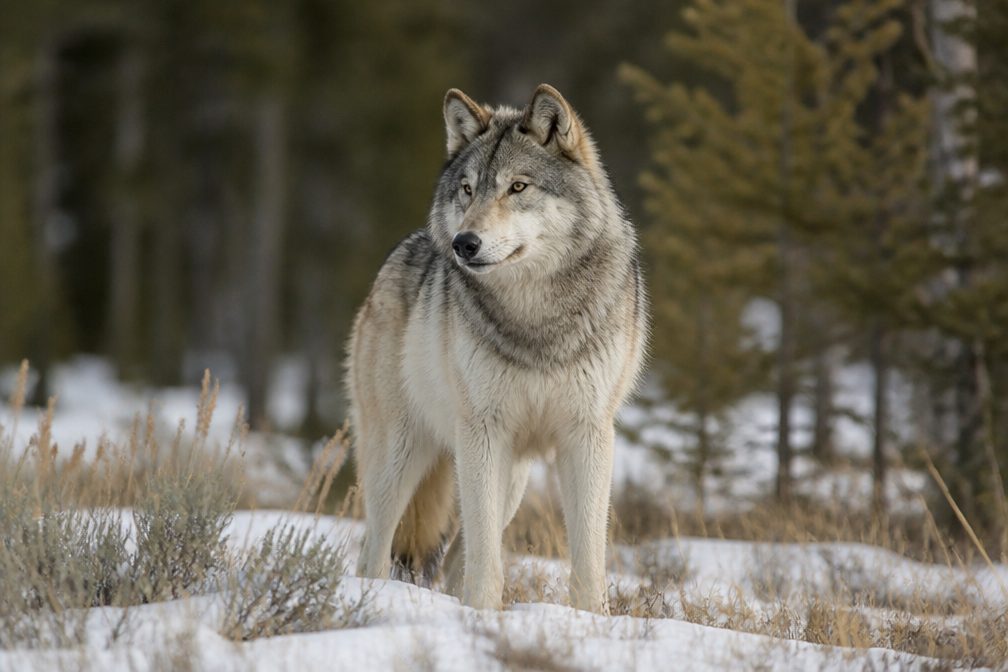 743 sightingsWolfMost seen around 6 AMSighting map
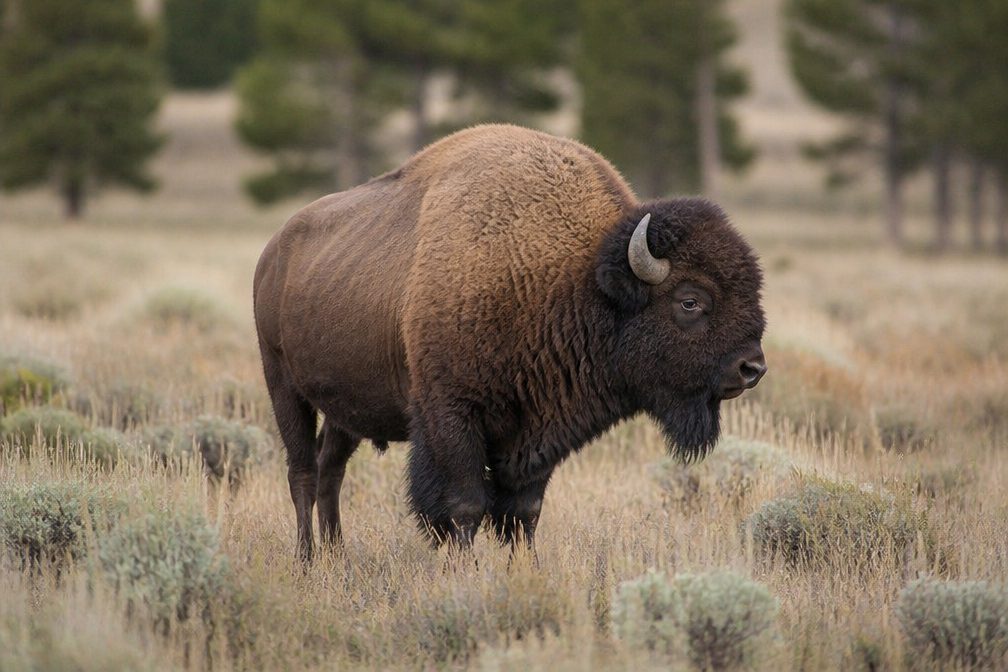 5,273 sightingsBisonMost seen around 7 AMSighting map
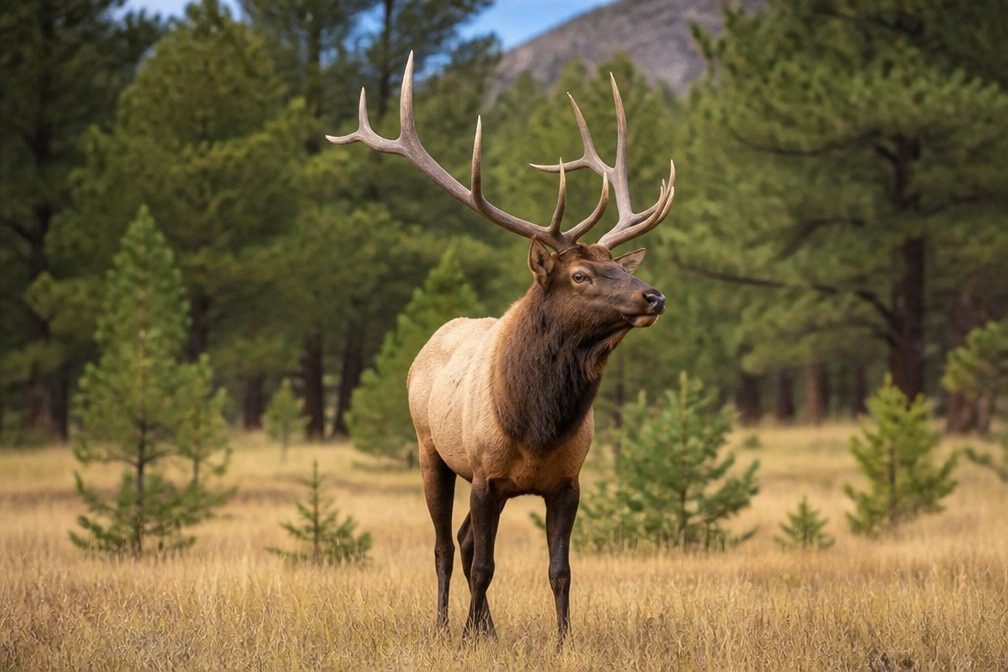 3,258 sightingsElkMost seen around 7 PMSighting map
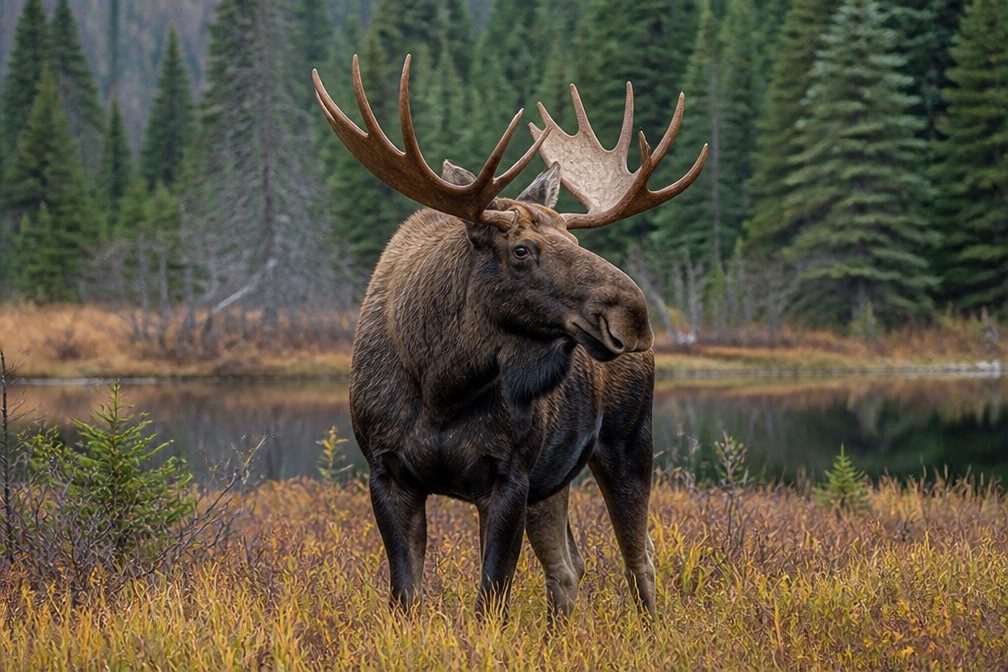 397 sightingsMooseMost seen around 7 PMSighting map
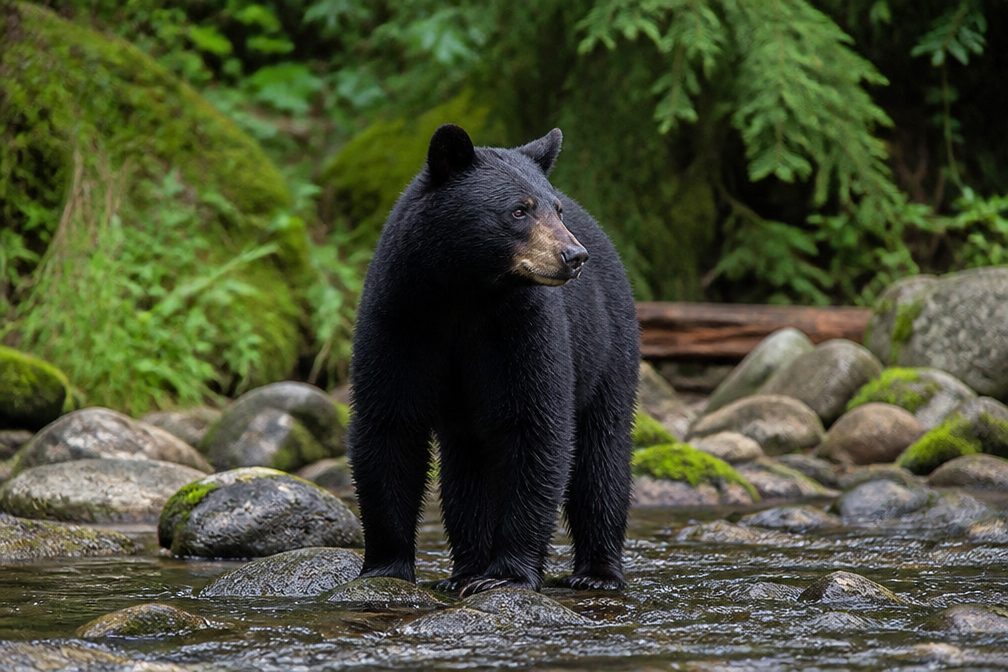 1,494 sightingsBlack BearMost seen around 7 PMSighting map
Sighting maps show where each species has been reported across Yellowstone. Wildlife moves, so no sighting is guaranteed.
Keep exploring
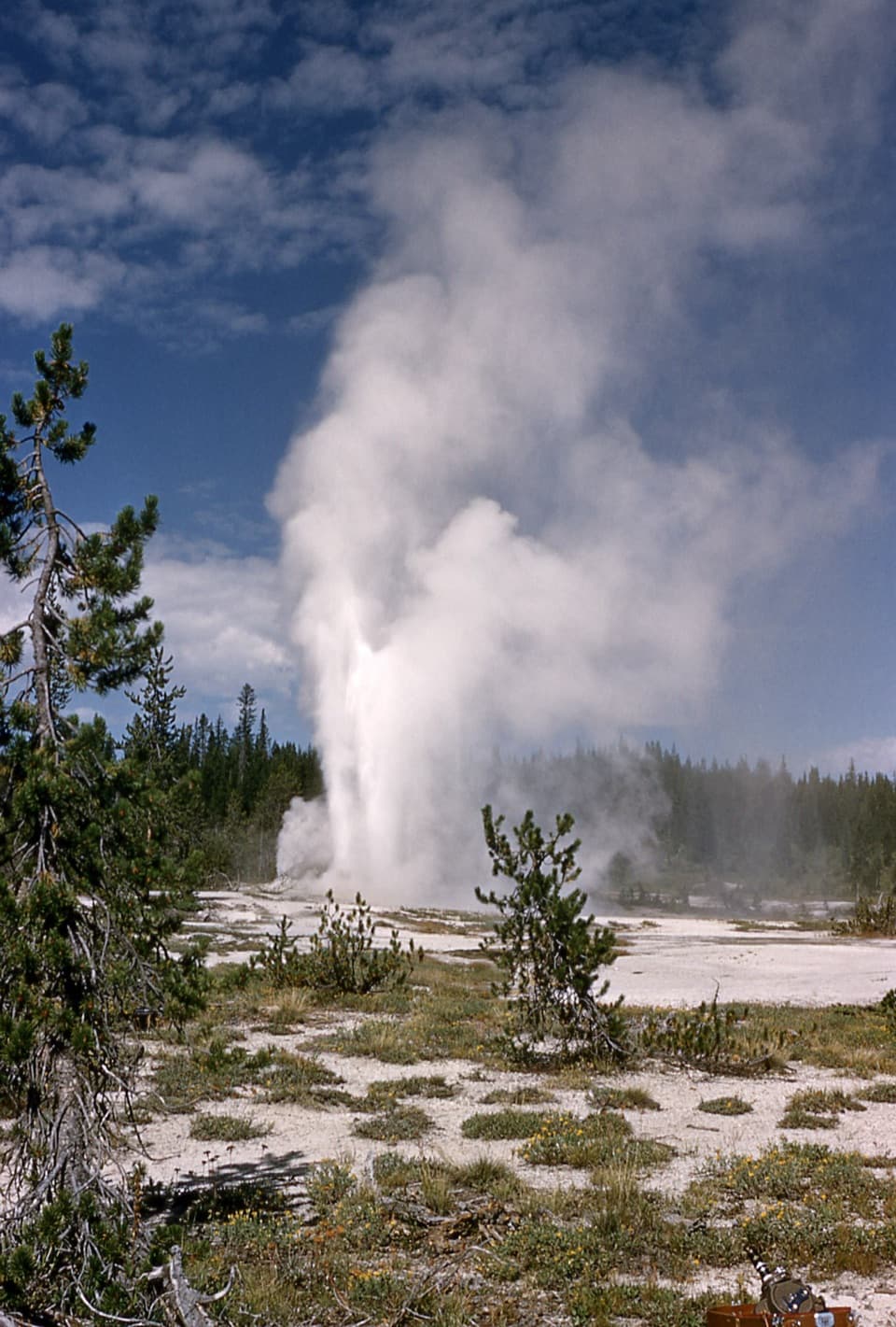 ChallengingShoshone Geyser Basin Trail17 mi · 8.5 hr · At the trailheadMore than 80 geysers, with no boardwalks and a long hike in.
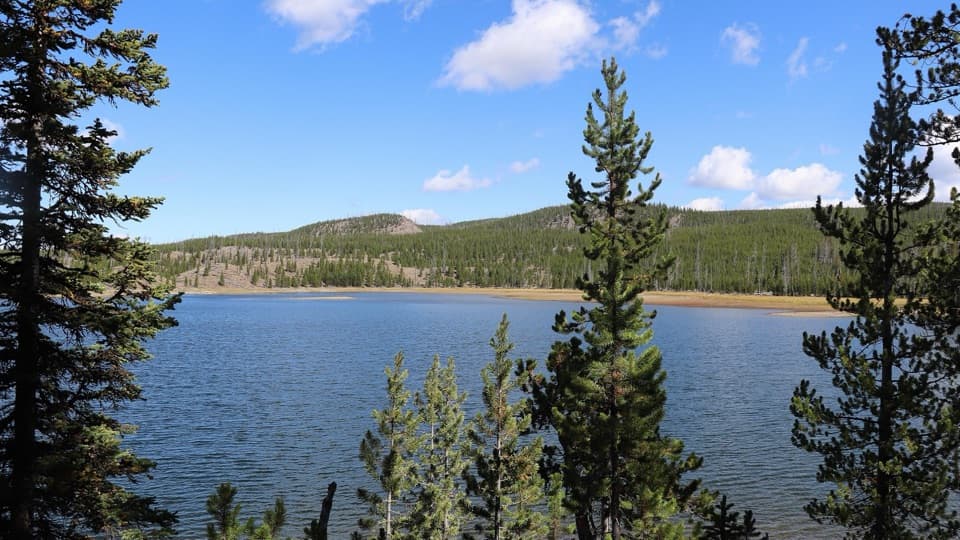 ModerateMallard Lake Trail7 mi · 4.5 hr · 1.3 mi awayPipeline Hot Springs and a Firehole crossing lead to Mallard Lake.
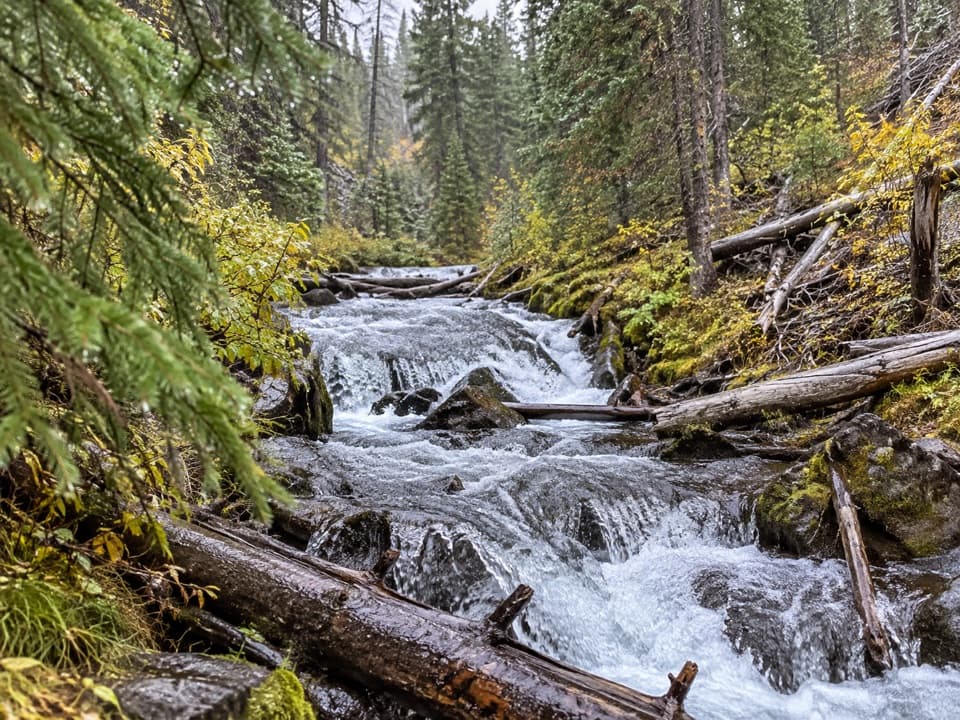 EasyFern Cascade Loop Trail2.5 mi · 1.5 hr · 1.4 mi awayA short woods loop slips down to a hidden cascade.
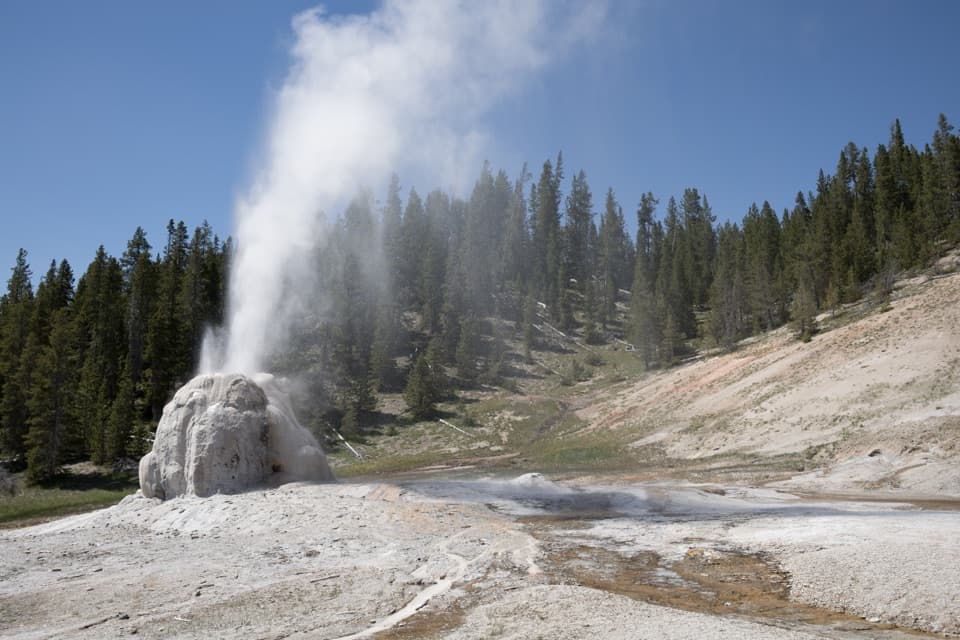 ModerateHoward Eaton Trail: Old Faithful to Lone Star Geyser6.3 mi · 3 hr · 1.4 mi awayBurned hill, spruce-fir forest, and a geyser at the end.
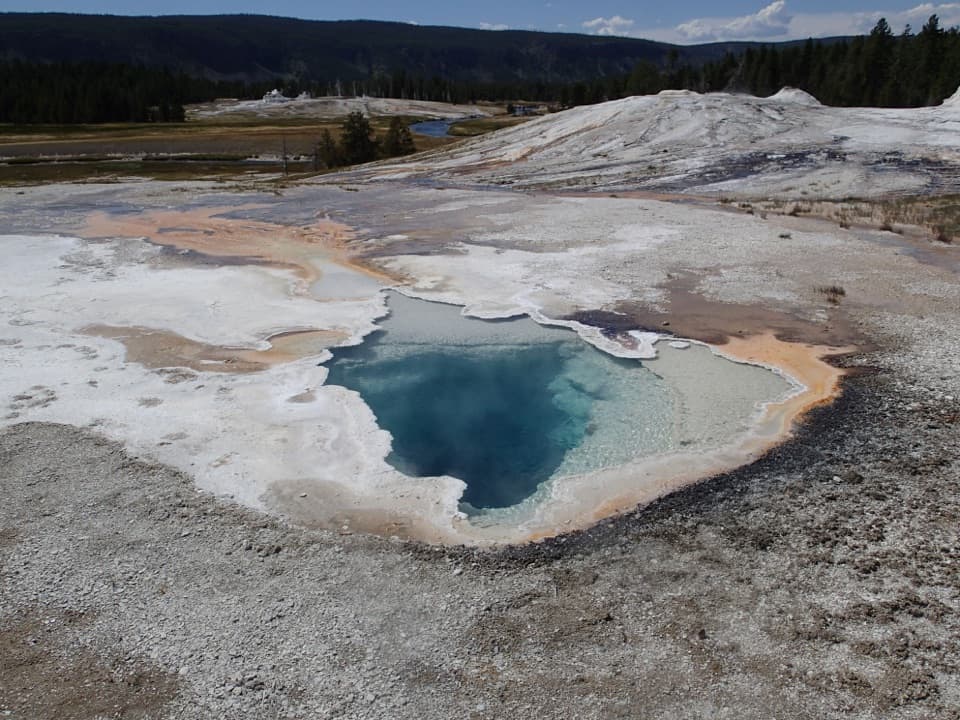 EasyGeyser Hill Loop Trail1.2 mi · 1 hr · 1.6 mi awayCompact boardwalk loop past geysers, vivid springs, and steaming runoff.
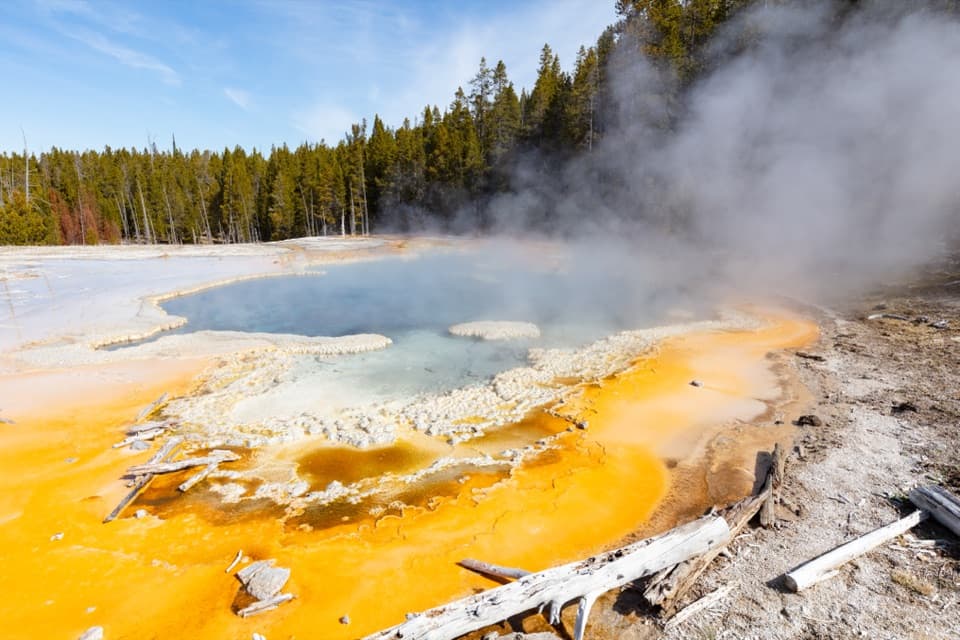 ModerateObservation Point–Solitary Geyser Loop1.9 mi · 2 hr · 1.7 mi awayA short climb trades switchbacks for Old Faithful from above.
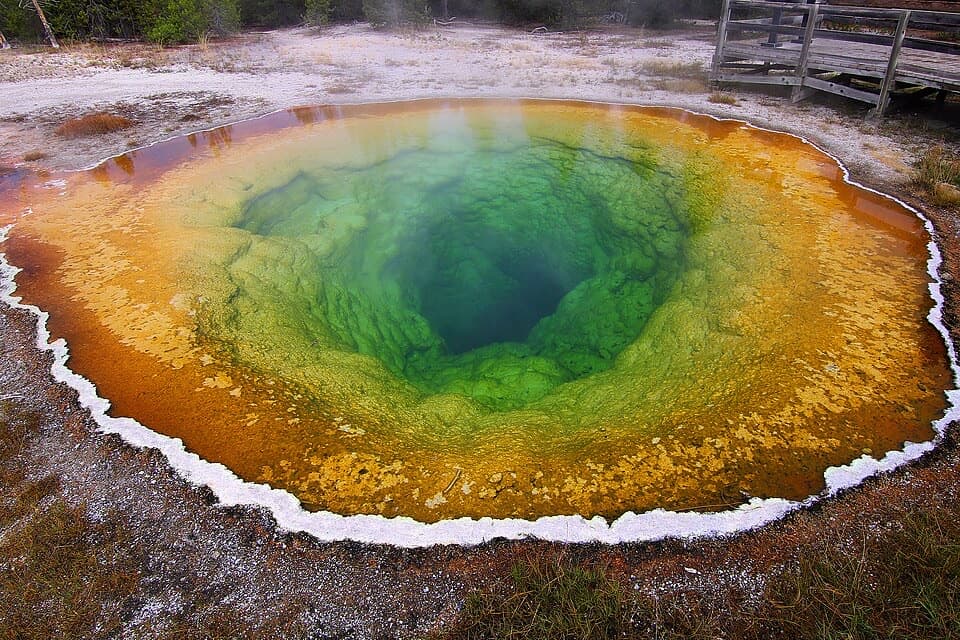 EasyOld Faithful to Morning Glory Pool Trail2.7 mi · 2 hr · 1.7 mi awayA level geyser walk ends at a spring changed by its visitors.
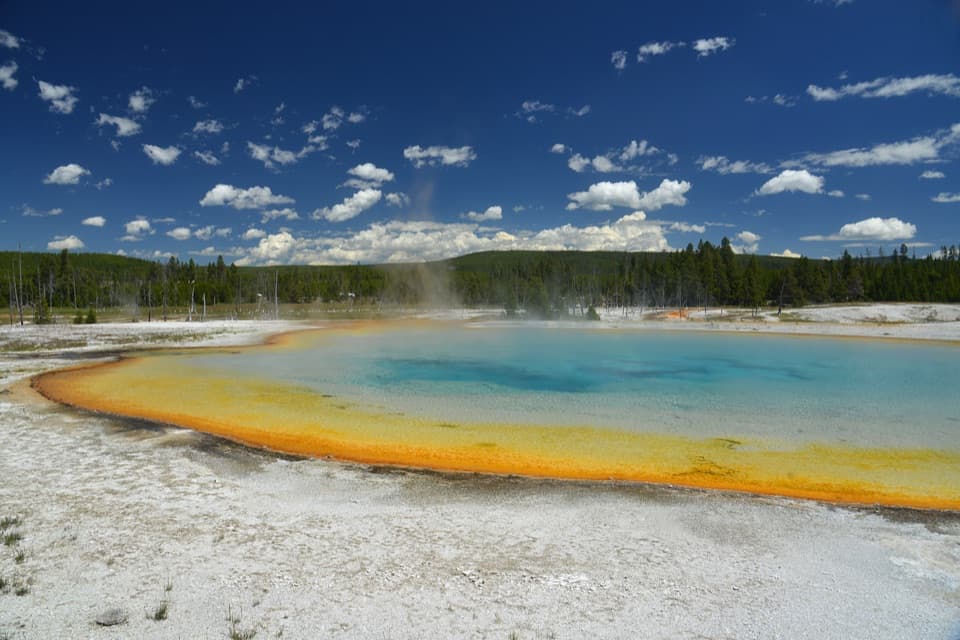 EasyBlack Sand Basin Trail0.5 mi · 30 min · 2.7 mi awayShort boardwalk spurs past colorful hot springs and geysers.
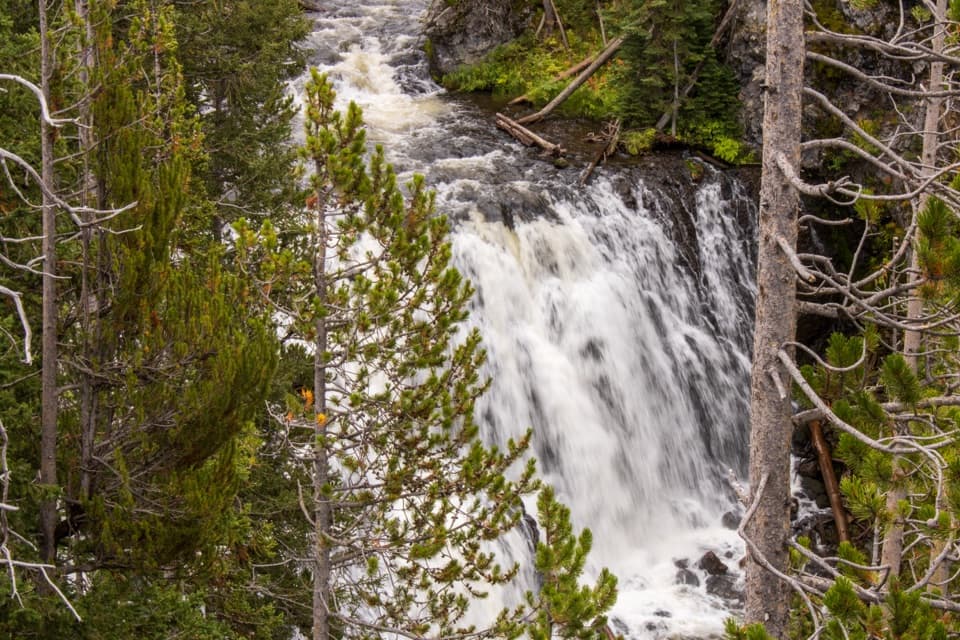 Sight · 0.2 mi awayKepler CascadesThree tiers of Firehole water tumbling into a wooded ravine.
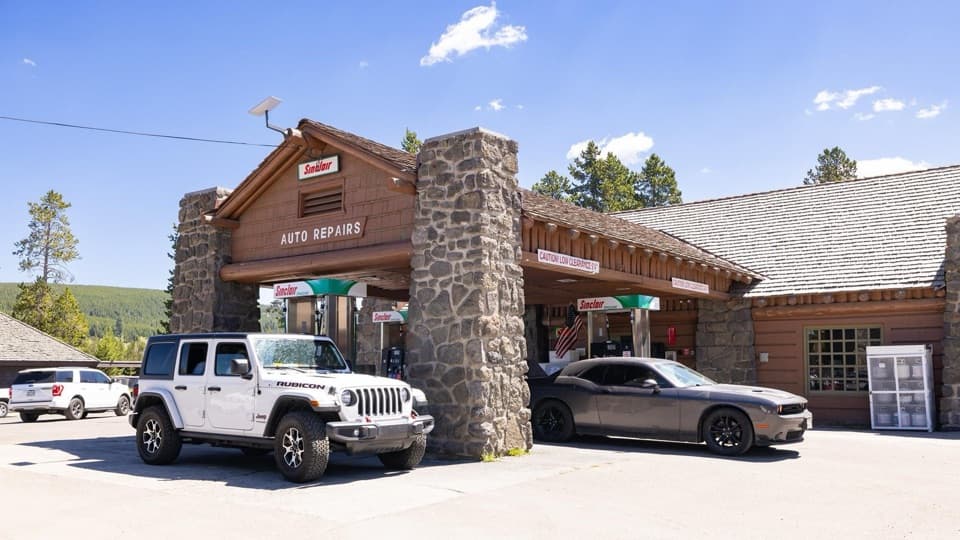 Gas station · 1.4 mi awayOld Faithful Gas and Service Station - UpperA useful in-park stop for fuel, propane, snacks, or repairs.
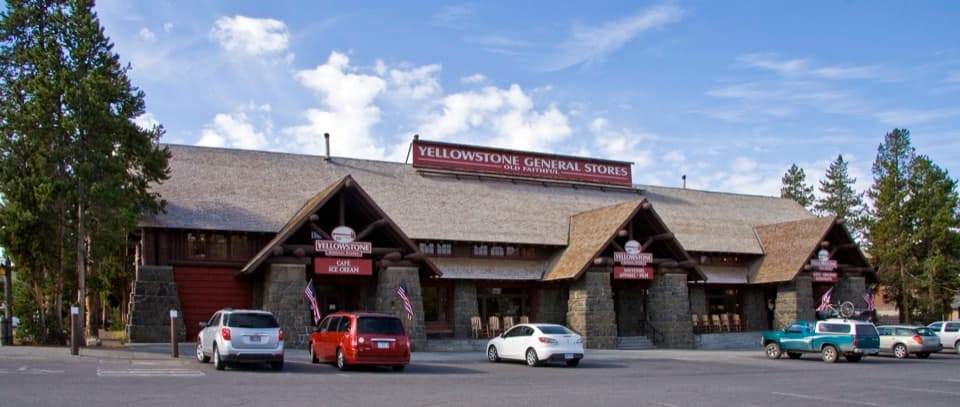 Store · 1.4 mi awayOld Faithful General Store - UpperA 1929 general store with a huge fireplace and practical supplies.
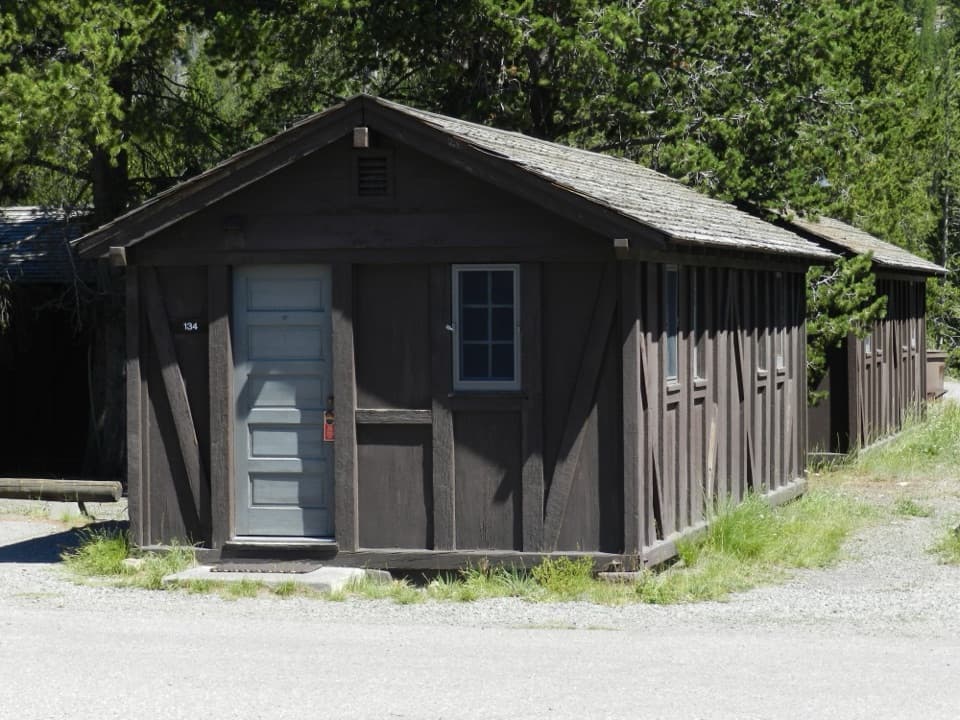 Lodging · 1.5 mi awayOld Faithful Lodge CabinsA rustic cabin stay within easy reach of Old Faithful.
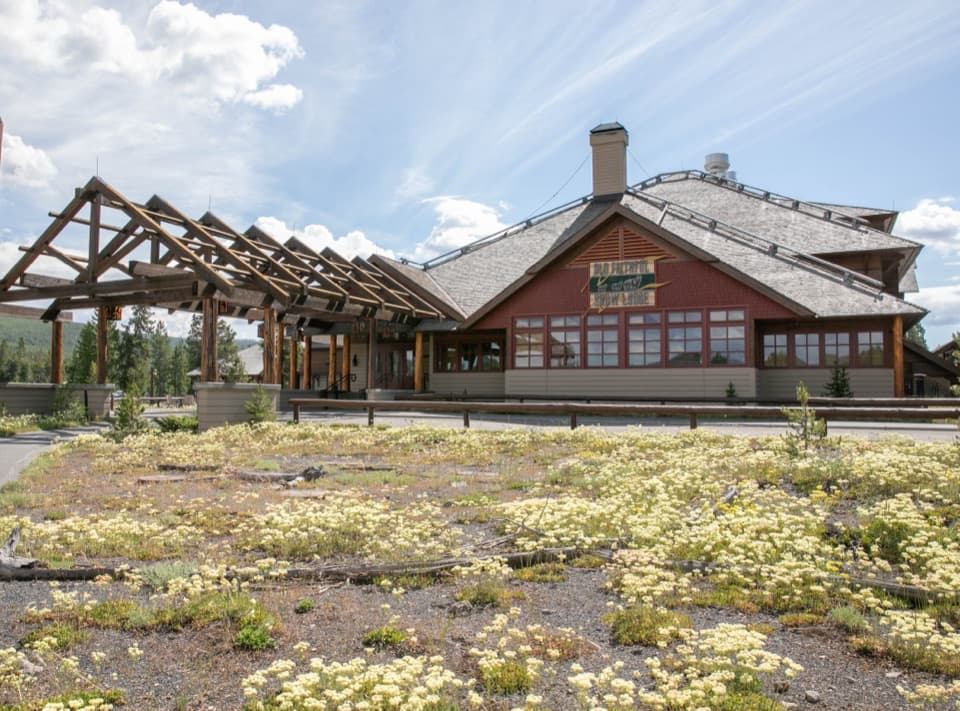 Lodging · 1.5 mi awayOld Faithful Snow Lodge and CabinsSleep near the basin; the geysers are a short walk away.
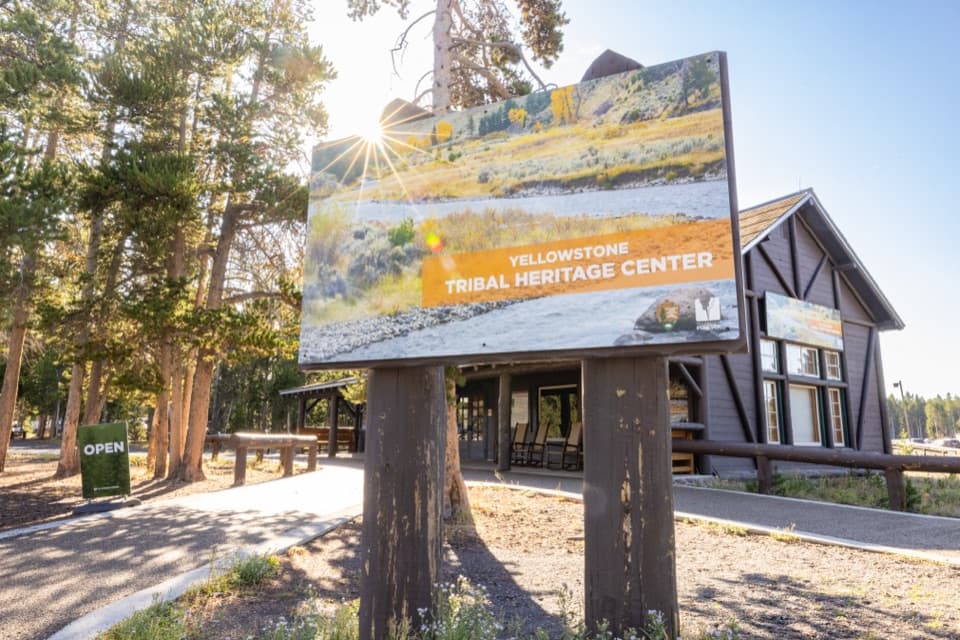 Sight · 1.5 mi awayYellowstone Tribal Heritage CenterMeet Indigenous presenters in a historic Haynes photo shop.
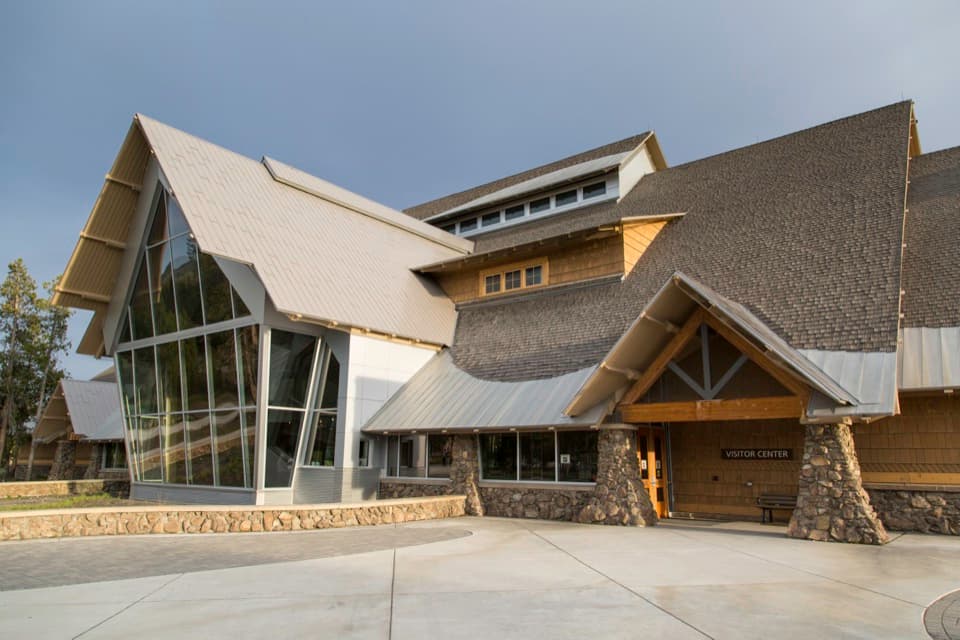 Visitor center · 1.6 mi awayOld Faithful Visitor Education CenterWatch Old Faithful indoors, then get the science behind the eruptions.
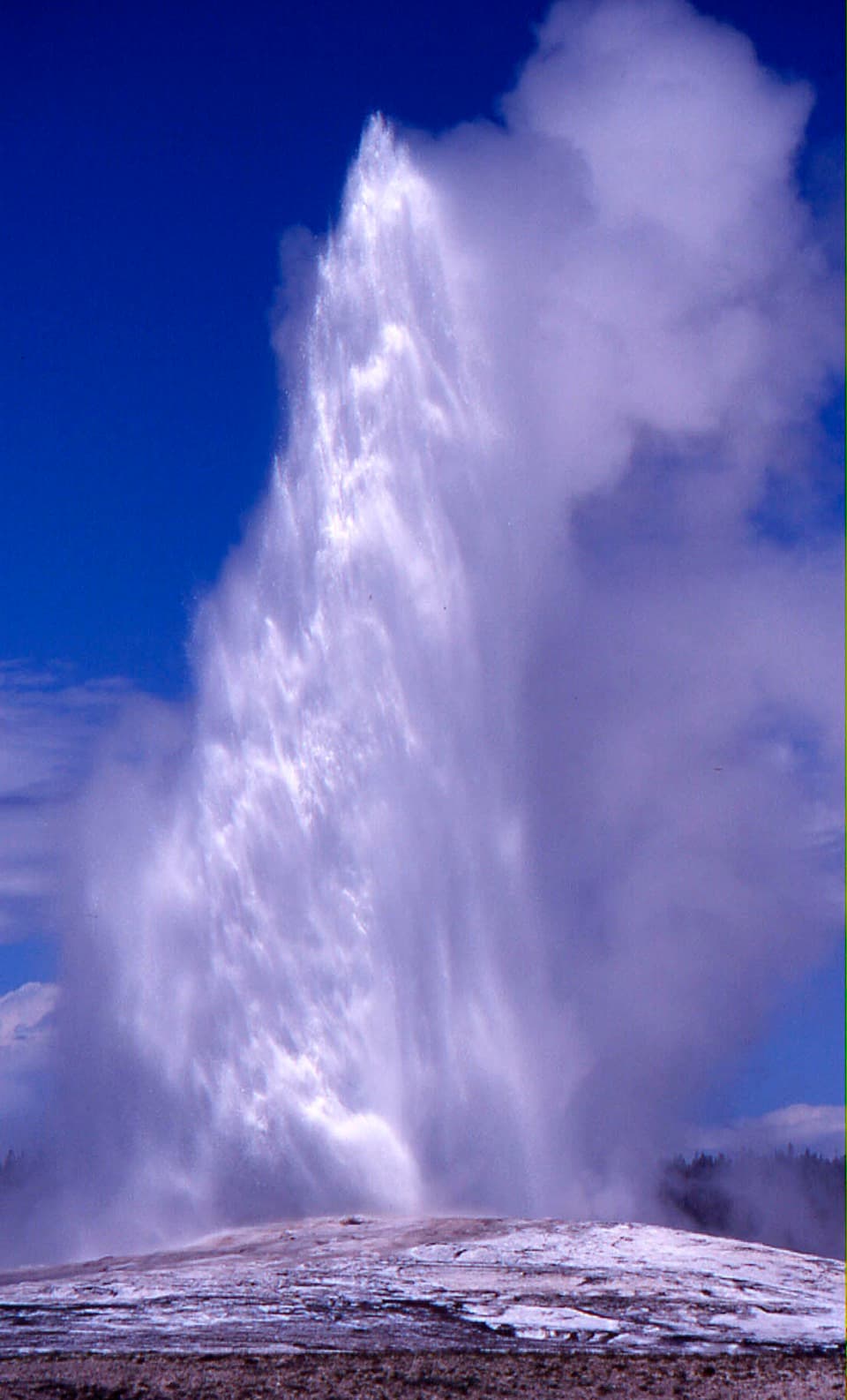 Sight · 1.6 mi awayOld Faithful GeyserThe eruption is brief; the basin boardwalk makes a longer stop worthwhile.
Parkwolf’s Yellowstone ranking

The audio tour guide for the drive, plus offline maps, trails, and wildlife heatmaps for when the signal drops.