
Place · 5 mi away
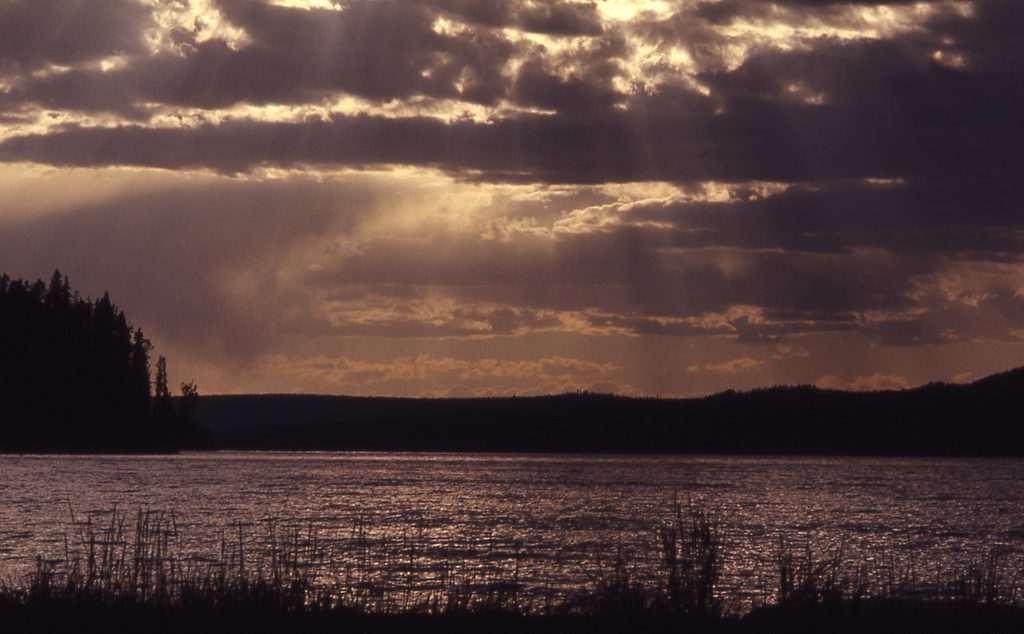
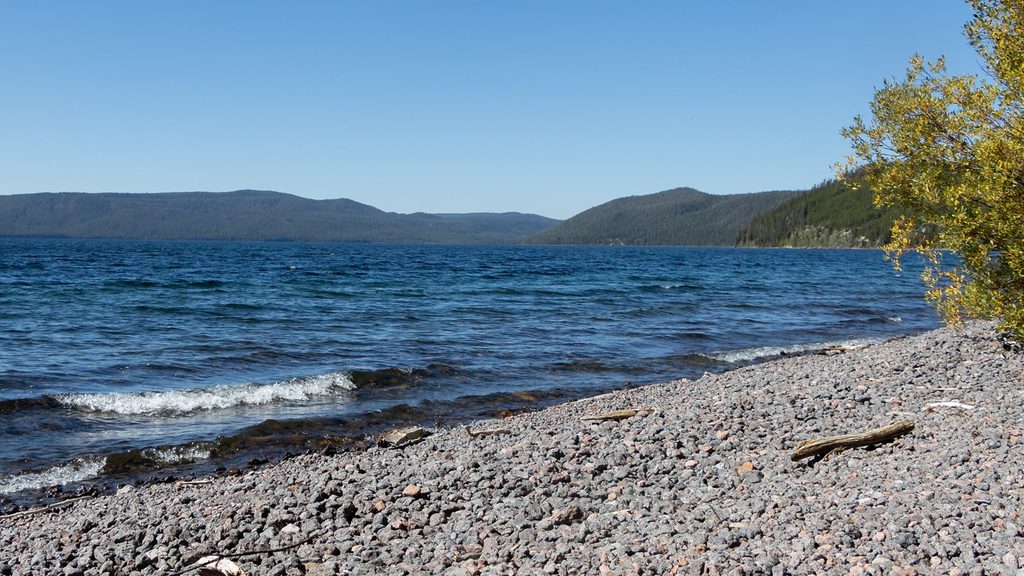
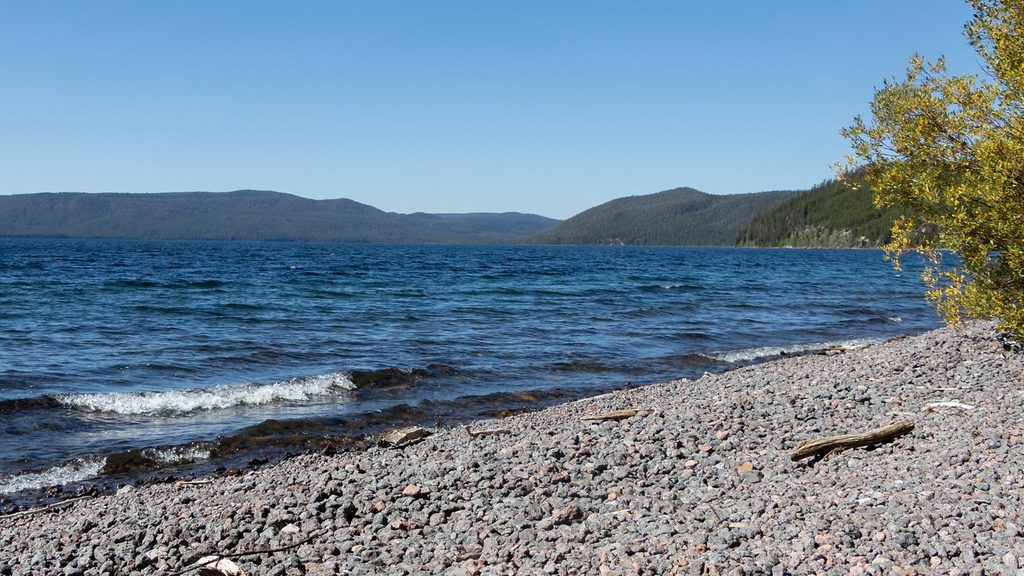
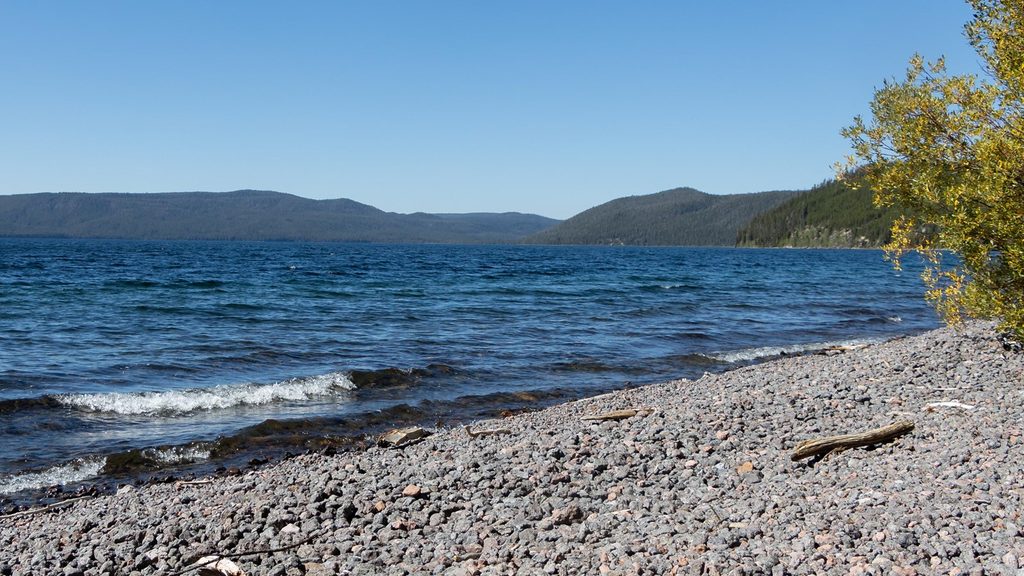
Shoshone Lake is the park’s quintessential backcountry water—no roads, no motorboats, just a huge wild lake ringed by forested ridges. If you crave solitude and a “small adventure” vibe without epic elevation, this is your spot. The southwest shore hides the remote Shoshone Geyser Basin, one of the densest geyser fields on earth, adding a surreal twist to an already wild setting.
There’s no driving to the shore—plan to hike or paddle. The easiest walk is the DeLacy Creek Trail (about 6 miles round-trip) off the Grand Loop Road between West Thumb and Old Faithful. For a bigger day, the Dogshead Trail ties into the Lewis River Channel for roughly 10–11 miles round-trip to reach the lake. Expect simple trailhead parking and don’t count on restrooms; use facilities in developed areas before you start.
A classic way in is by canoe or kayak from Lewis Lake up the Lewis River Channel to Shoshone Lake. When the current stiffens, you’ll likely need to hop out and line your boat. Hand-powered craft only here; you’ll need a boating permit and an aquatic invasive species inspection/orientation before launching. If you plan to camp, a backcountry campsite permit is required, and sites book up in peak season.
Backcountry lakeshore camps are designated (think bear poles, minimal signage, and backcountry-style privies). Popular itineraries include a multi-day paddle-camp circuit or a backpacking loop linking DeLacy Creek, the lakeshore, and the Dogshead/Lewis Channel area. Afternoon winds can whip up serious chop—start crossings early and keep crossings conservative.
Originally fishless, the lake now holds nonnative lake trout, brown trout, and Utah chub. A Yellowstone fishing permit is required, and park regulations apply. Expect AIS inspections for gear and note that felt-soled wading boots are prohibited in the park.
This is bear country—travel in groups, carry bear spray, and practice strict food storage. Park waters are cold and swift; if your route includes a ford (like the Lewis Channel), check conditions and use caution. Thermal areas are fragile and dangerous: stay on established routes and respect all closures in and around the Shoshone Geyser Basin.
Late June through early fall has the best access, but bring serious bug dope or a headnet if you’re here in late June. Winds typically build by afternoon—start hikes and paddles early. Midweek visits help with trailhead parking. Shoulder-season trips trade bugs for cooler temps and fewer people, but always check water, weather, and permit conditions before committing.
Place · 5 mi away
Place · 5.1 mi away
Place · 5.1 mi away
Place · 5.3 mi away
Easy · 2 mi away
Easy · 5.8 mi away
Moderate · 5.8 mi away
Moderate · 5.8 mi away

Parkwolf Tour Guide
