
Place · 0 mi away
Moderate
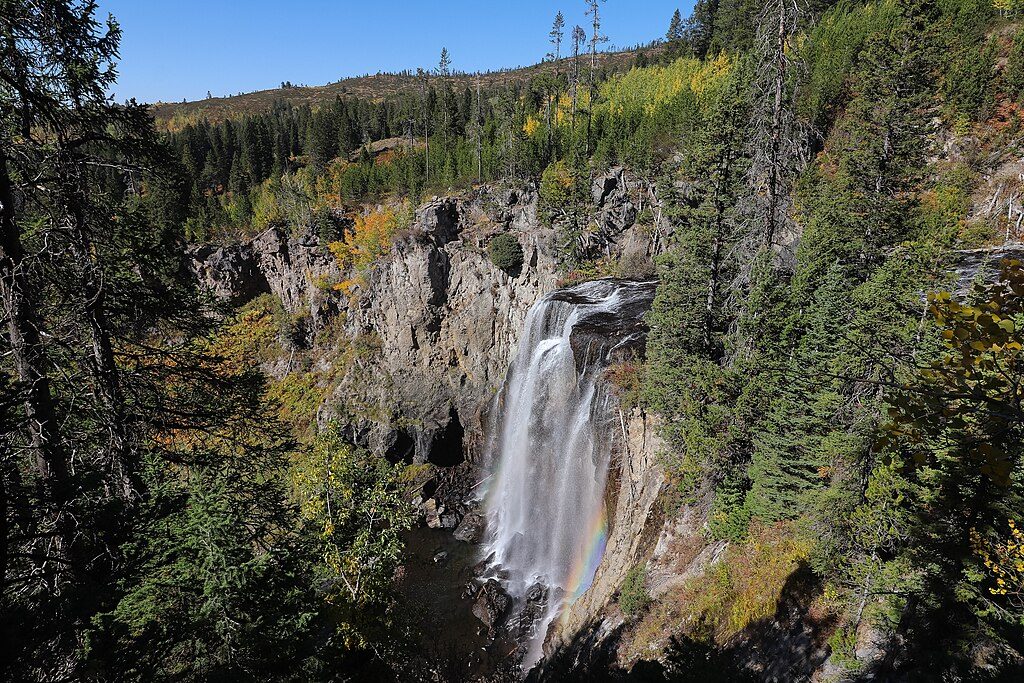
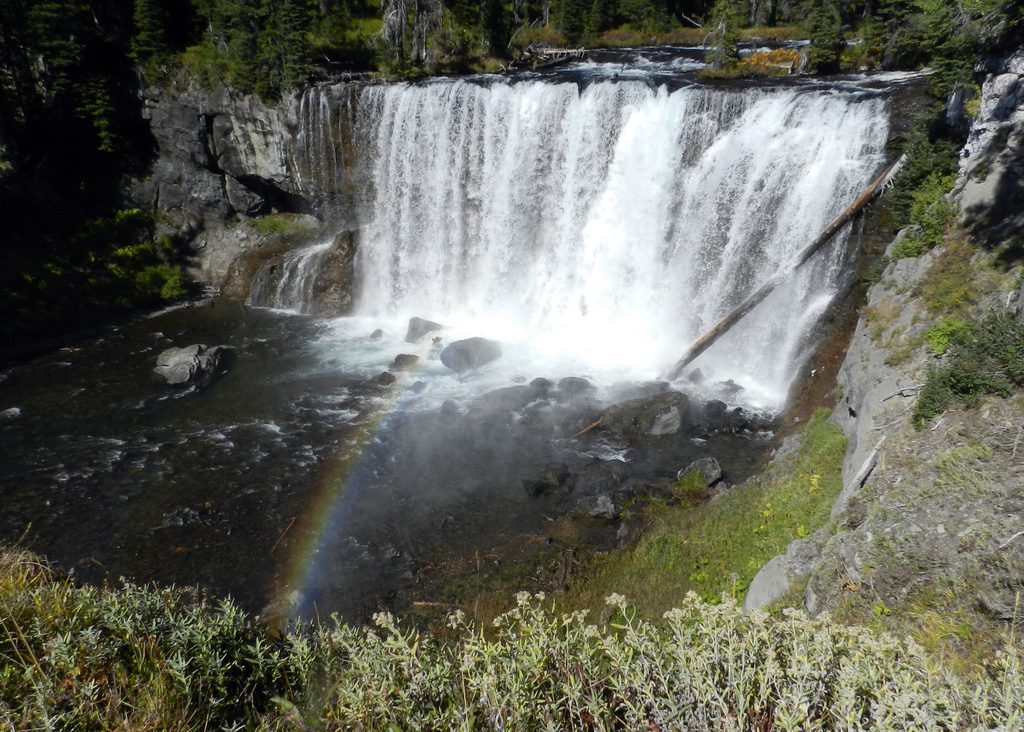
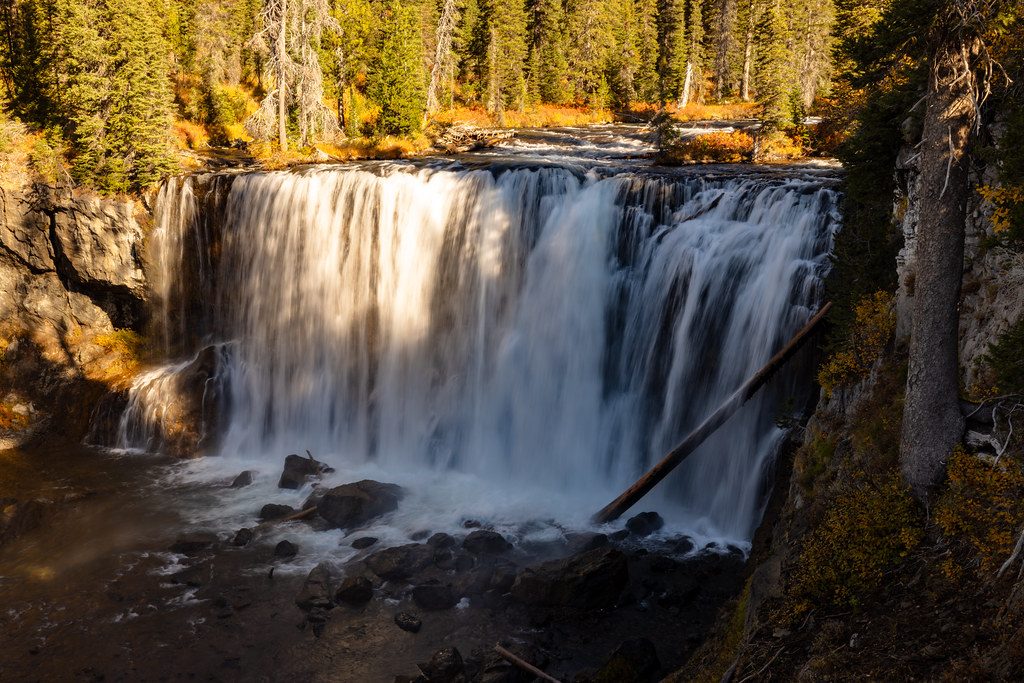
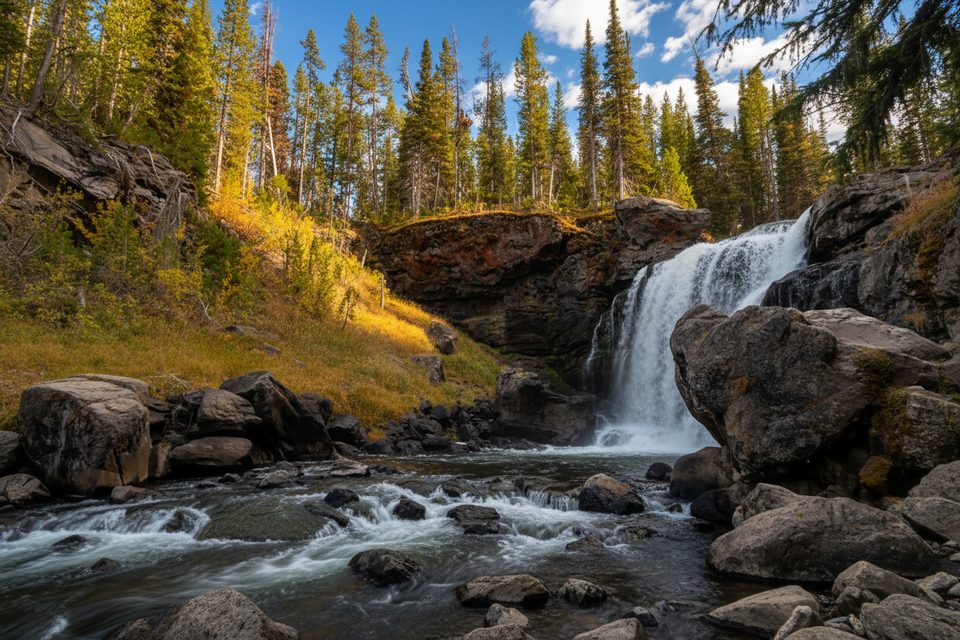
This is a big, rewarding backcountry day: roughly 16.7–16.9 miles total with around 650–700 feet of gain. The route travels through wide-open meadows and quiet forest to a 110‑foot curtain of water, Dunanda Falls—one of the Bechler region’s crown jewels. The kicker: warm water from nearby springs slides into Boundary Creek below the falls, creating natural soaking spots when conditions are right. You’ll also pass Silver Scarf Falls near the end, and on clear days the meadows offer distant Teton views.
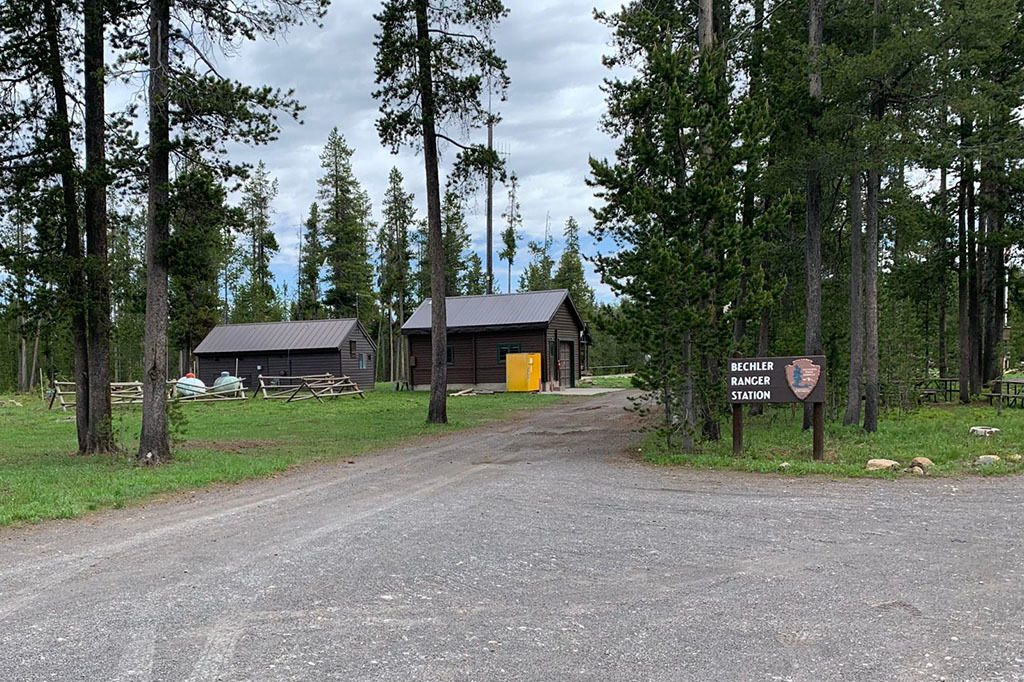
Start at the Bechler Ranger Station. Many hikers make a mini-loop: head out via the Boundary Creek Trail and return through the Bechler Meadows Cutoff to the Bechler Meadows Trail. The Boundary Creek approach is prettier forest early on but usually involves two early water obstacles (Bartlett Slough and a Boundary Creek ford) and a few small crossings near Silver Scarf. Just before Dunanda, the trail climbs to the rim; a well-used, steep user path drops to the base for the best head-on view. The meadows side uses a bridge over Boundary Creek and often has fewer true fords, but sections can be very wet or even flooded earlier in the season. If you want to minimize fords, do the meadows approach as an out-and-back. Either way, plan for about 17 miles total.
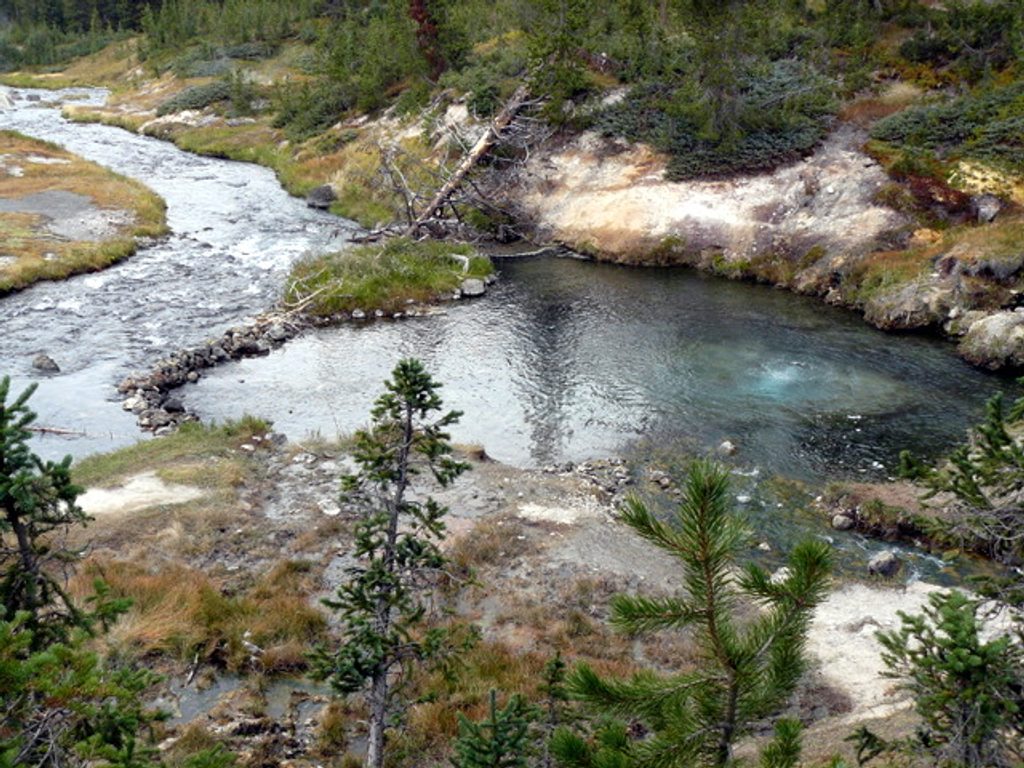
Below Dunanda, hot spring water mixes with Boundary Creek to create warm pockets. It’s a memorable soak if flows and temperatures cooperate. Reach them via the steep use path to the base; some hikers also access the river from a nearby backcountry campsite when it’s unoccupied. Test the water carefully, expect slick rock, and don’t alter any thermal features.
The mileage is the main challenge; otherwise the grade is mostly gentle. Expect mud, beaver reroutes, and seasonal water where trail becomes “braided” or disappears under marsh. Early season brings high, cold fords and fierce mosquitoes; trekking poles, wading footwear, and extra socks are game changers. Cell service is unreliable. This is bear country—carry spray and practice proper food storage if you’re staying overnight.
Late July through September usually offers lower water, firmer ground, and fewer bugs. Waterfalls run fuller earlier in the summer, but crossings and mosquitoes are tougher. Late September into October can be gorgeous and quieter, with crisp air and fall color, but days are shorter and early storms or cold snaps are possible—start early and bring layers.
Keep an eye out for moose in willow-choked sections, elk and deer grazing the meadows, and wildflowers in summer. Near the rim, the rock can be slick and undercut with no railings—give the edges respectful distance.
If you love long, relatively flat backcountry days capped by a big waterfall—and the chance to soak—this is your hike. If endless meadows, potential fords, and occasional mud aren’t your thing, consider a shorter waterfall outing elsewhere in the region, or save this one for late season when conditions mellow.
Park at the Bechler Ranger Station in the park’s southwest; the hike starts on either the Boundary Creek Trail or the Bechler Meadows Trail.
Expect seasonal fords, mud, and beaver-altered routes; steep, slick edges near the falls with no railings; bears are present—carry spray; cell service is unreliable.
Place · 0 mi away
Place · 0 mi away
Place · 1.8 mi away
Place · 2.4 mi away
Challenging · 0 mi away
Challenging · 0 mi away
Moderate · 0.1 mi away
Easy · 18.5 mi away

Parkwolf Tour Guide
