
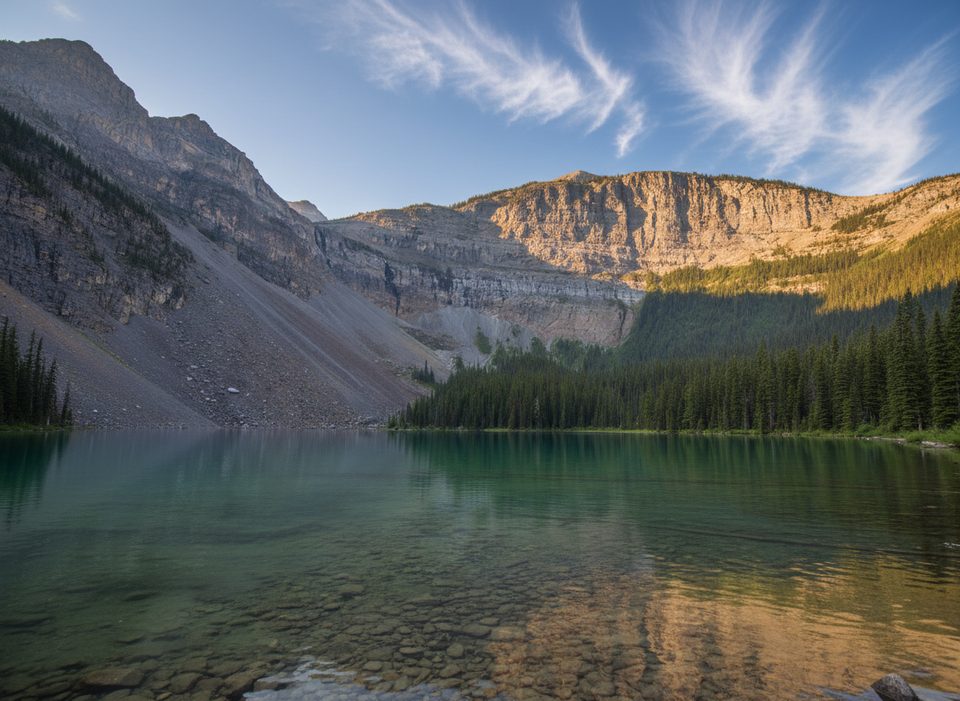
Place · 1.2 mi away
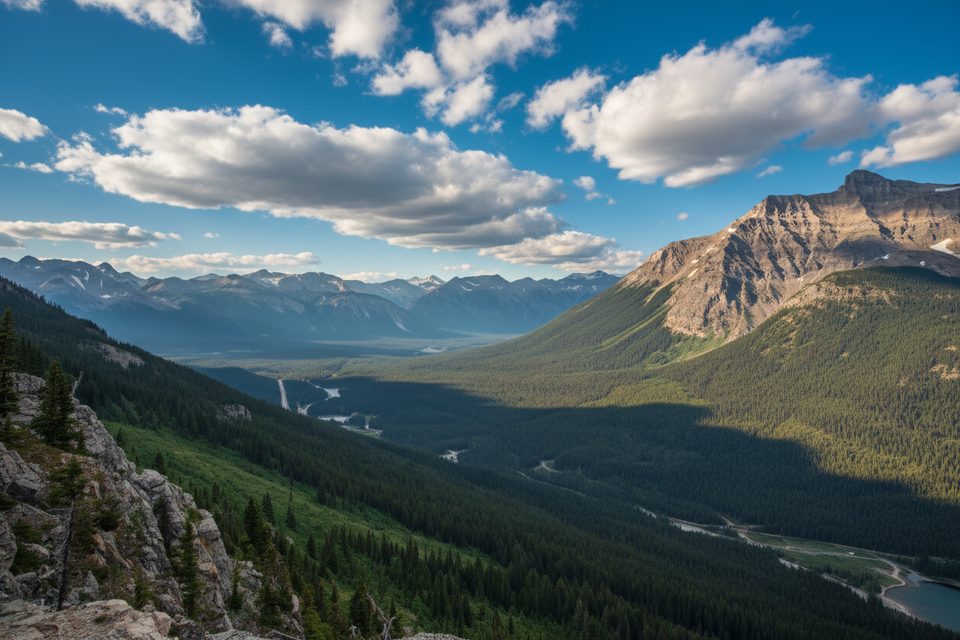
Straddling the Alberta–BC border at the Continental Divide, Kicking Horse Pass is where both the Trans‑Canada Highway and the Canadian Pacific Railway crest the Rockies. It’s a designated National Historic Site because this is the corridor that completed Canada’s transcontinental rail link in the 1880s. At 1,627 m (5,338 ft), it’s the highest point on the CPR and the Trans‑Canada Highway.
The headline act is the Spiral Tunnels—ingenious loops blasted through the mountains in 1909–1910 to tame a notoriously steep grade. From the roadside Spiral Tunnels viewpoint near Field, you can watch long freight trains appear and reappear at different elevations. Expect classic big-mountain scenery and a slice of Canadian engineering history in one stop.
First documented by the Palliser Expedition in 1858 (the name comes from an unfortunate horse kick to Dr. James Hector), the pass became the CPR’s chosen route in the 1880s—key to British Columbia’s link to Confederation. It was designated a National Historic Site in 1971.
You’re in prime Rocky Mountain habitat. Elk, deer, mountain goats, and occasionally black or grizzly bears roam the broader area, though the busy viewpoint itself isn’t a hotspot. Keep your distance and never feed wildlife.
This is a highway corridor stop: parking/pullouts, interpretive signs, and big views. Services are minimal—don’t count on food or shops here. It can be busy in summer with tour buses.
Mid‑May to mid‑October offers the most reliable weather and easiest access. In peak summer, arrive early to snag parking and avoid bus crowds. Winter conditions can limit access and comfort.
Mountain weather swings fast—bring layers, water, and snacks. There’s no posted train timetable, but with so many trains daily, waits are usually rewarded.
Place · 1.2 mi away
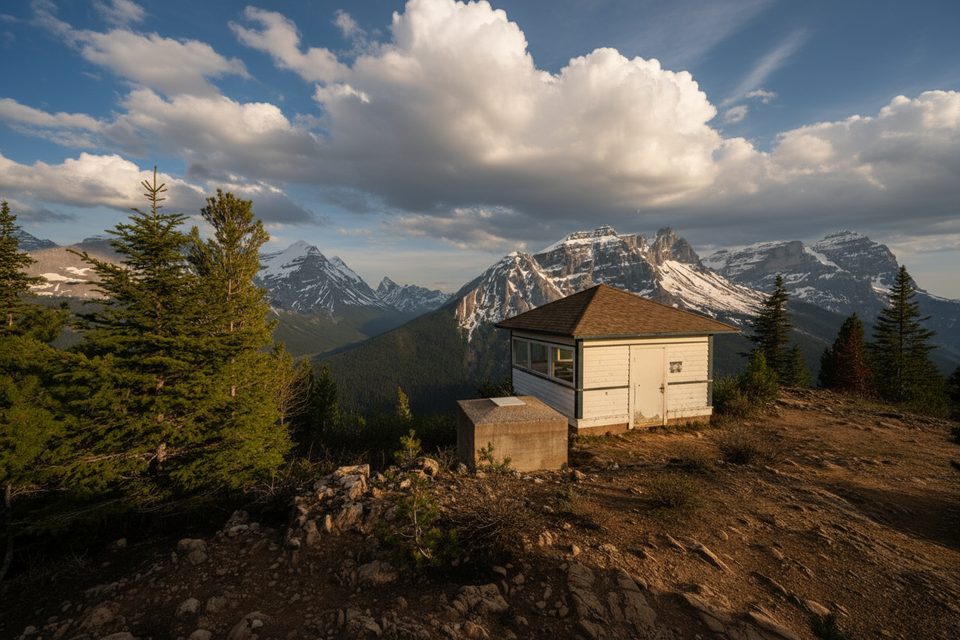
Place · 3.6 mi away
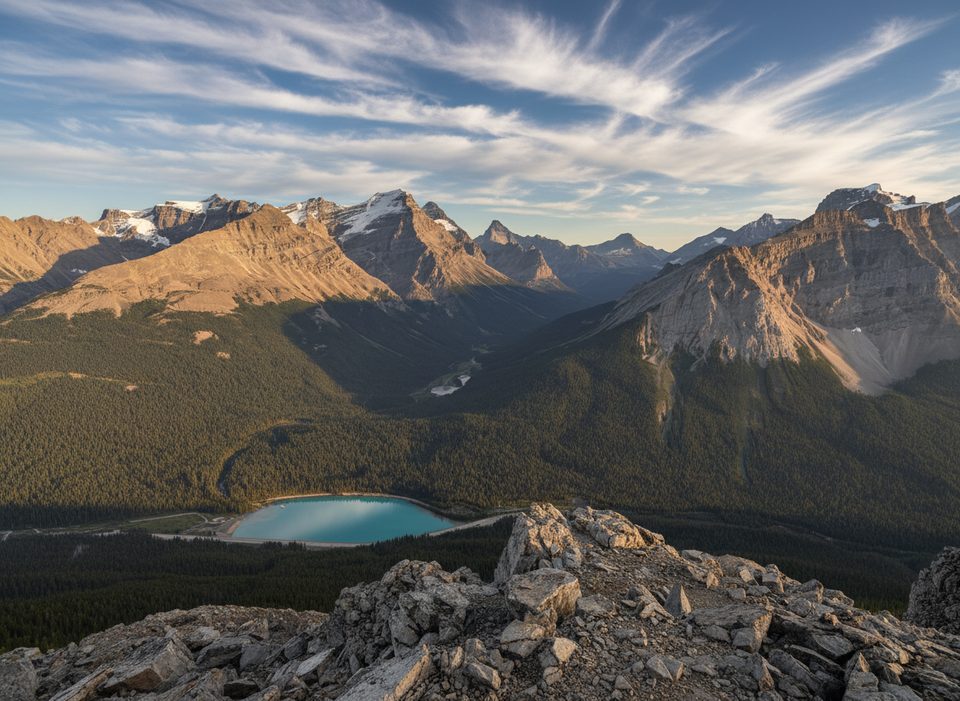
Place · 3.6 mi away
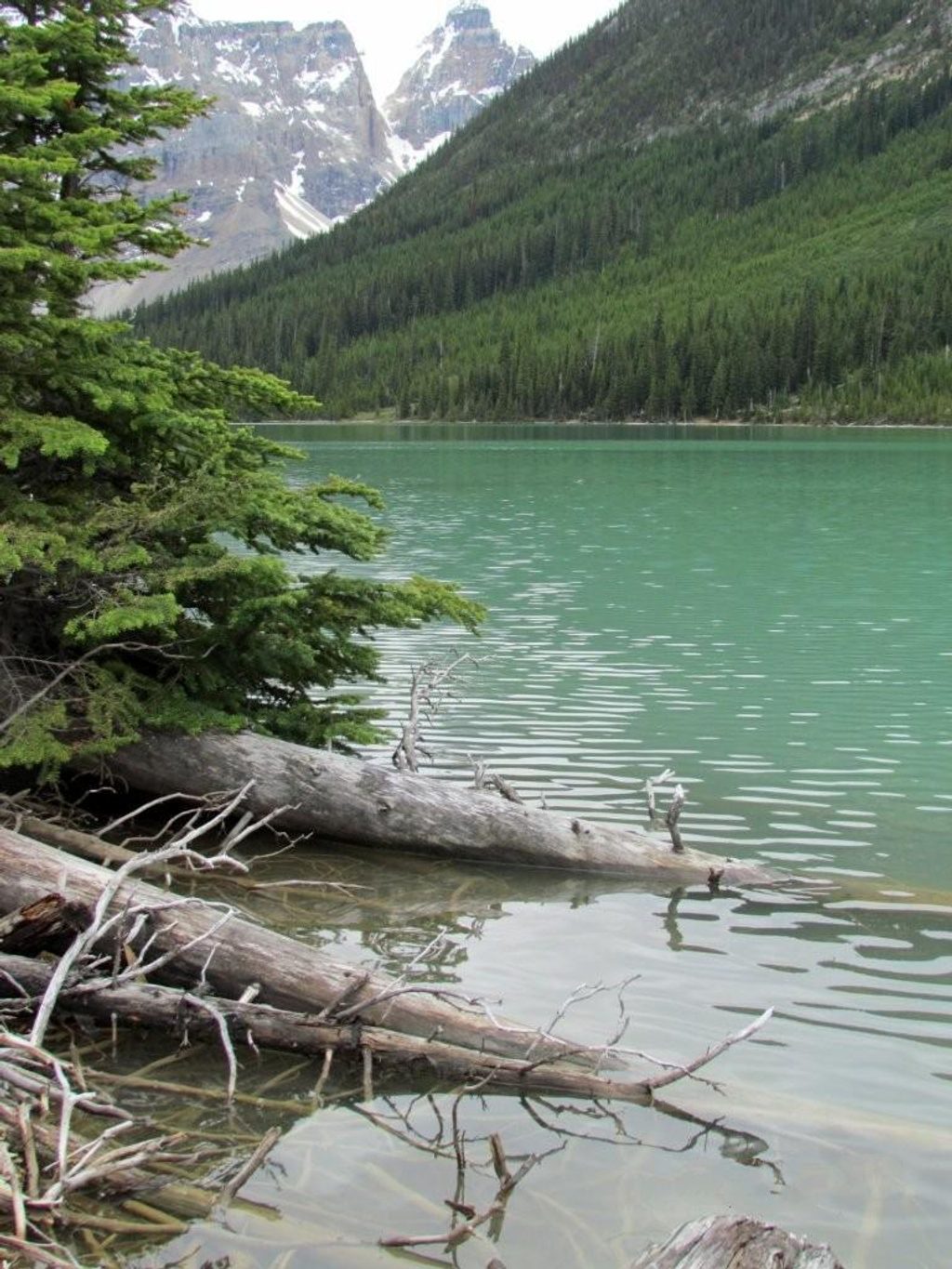
Place · 4.6 mi away
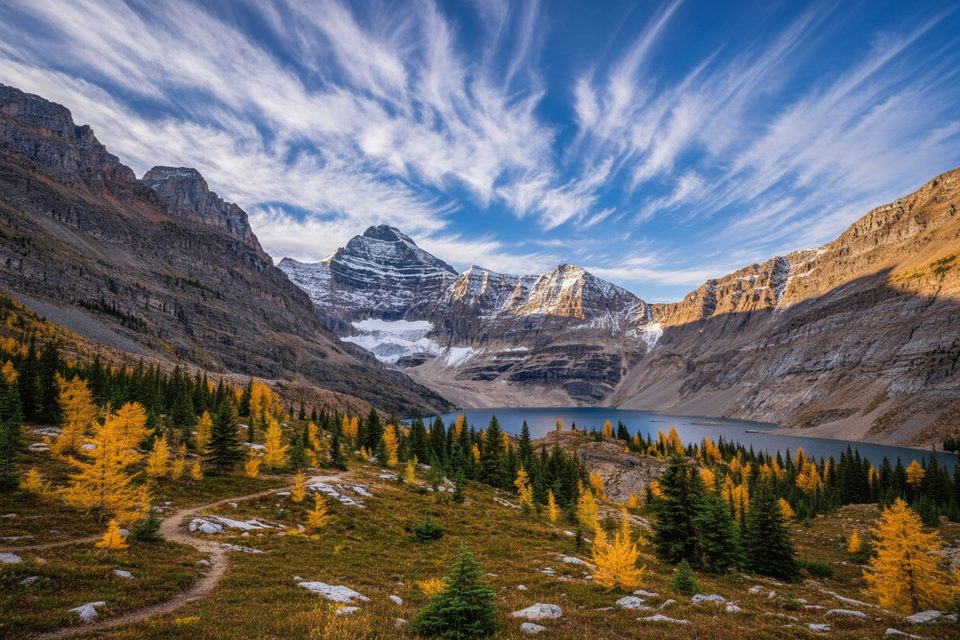
Moderate · 2 mi away
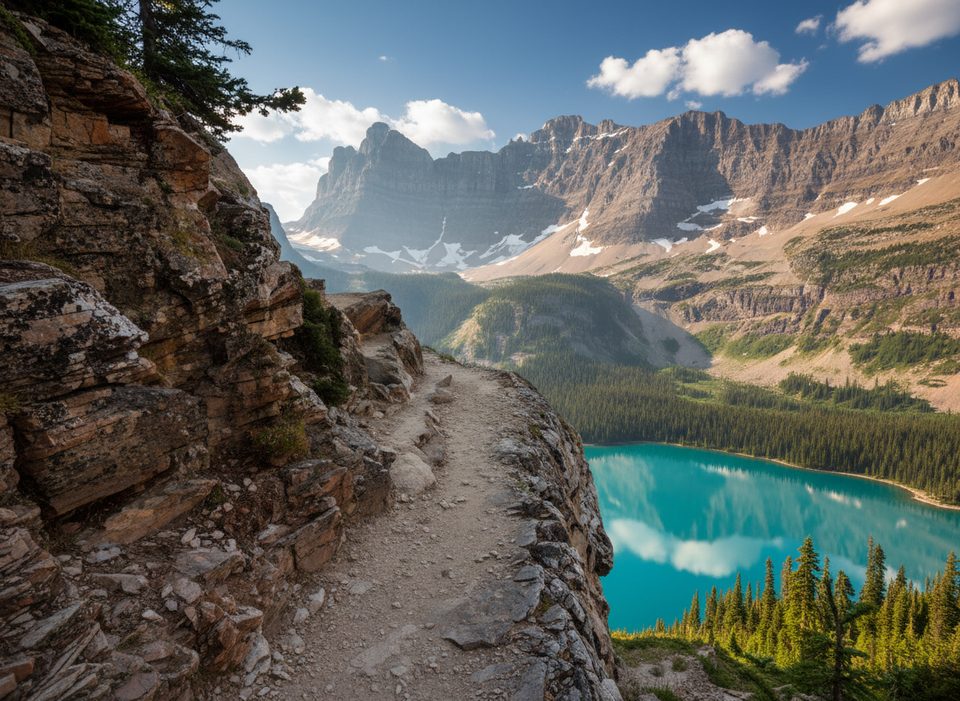
Challenging · 2 mi away
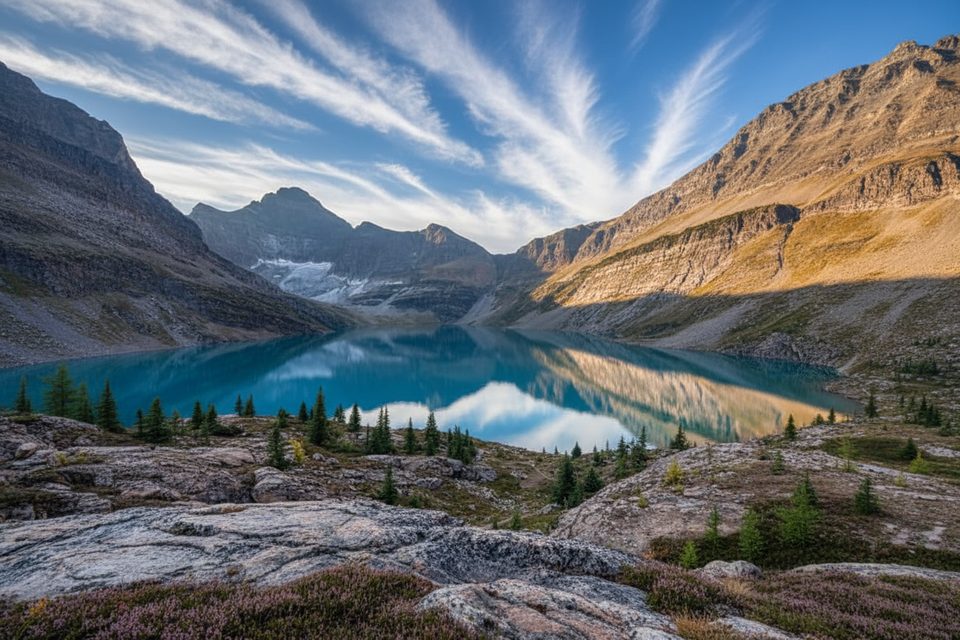
Moderate · 2 mi away
Challenging · 2 mi away

Parkwolf Tour Guide
