Place · 0 mi away

Paget Lookout is a historic fire tower site perched on the south slopes of Paget Peak. The small white structure is no longer staffed, but it still serves as a basic shelter and a terrific perch for valley-spanning views. It’s a classic Yoho outing: a steady climb through forest into subalpine terrain, rewarded with big scenery and a sense of history.
Expect roughly 3.2–3.5 km each way (about 7–8 km round-trip) with around 500–520 m of elevation gain. The trail starts from the Sherbrooke Lake parking area off the Trans‑Canada Highway, easing through forest before steepening via switchbacks near treeline. The path is well‑defined and maintained, but it’s a workout. Many hikers treat the lookout as their turnaround; confident parties sometimes continue up the scree to Paget Peak for a straightforward, steeper scramble.
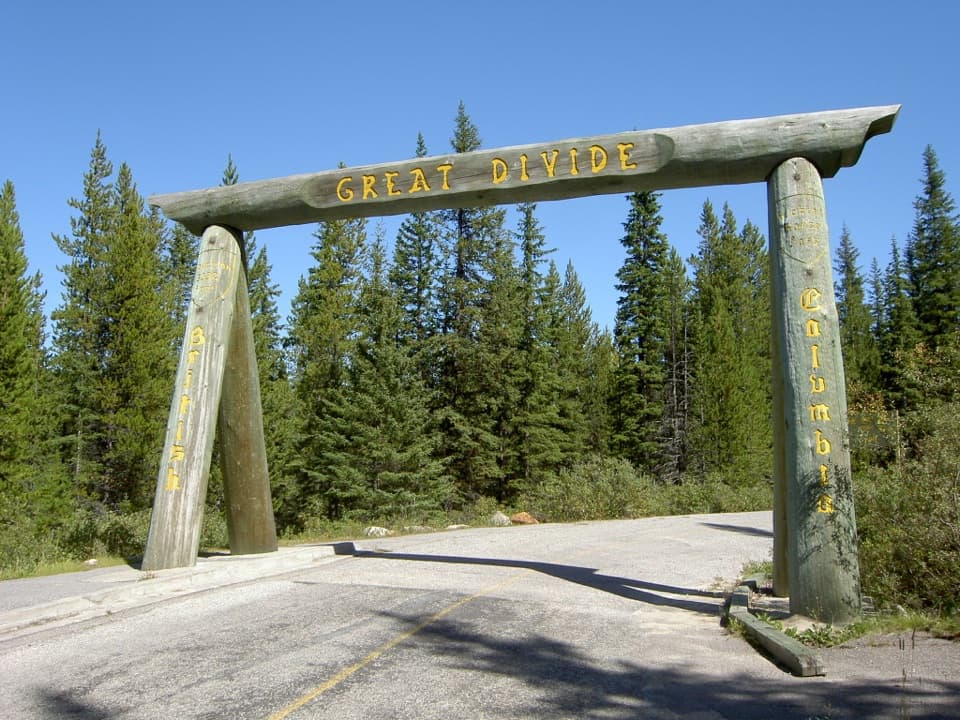
From the lookout, you’ll gaze down to Wapta Lake and across to heavyweight peaks, including the glaciated north face of Mount Victoria. On clear days you can pick out the Kicking Horse and Bow valleys and a skyline that stretches toward the Continental Divide. It’s a sweeping vantage that feels nicely removed from the crowds.
Built in 1944 and used into the 1970s, this is described as the oldest surviving fire lookout in Canada’s mountain national parks. It marks an era when fire detection and suppression defined park management. The slopes around Paget Peak are also notable for Paget limestone, a classic Cambrian rock unit—one reason those pale cliffs and scree fields stand out above the trees.
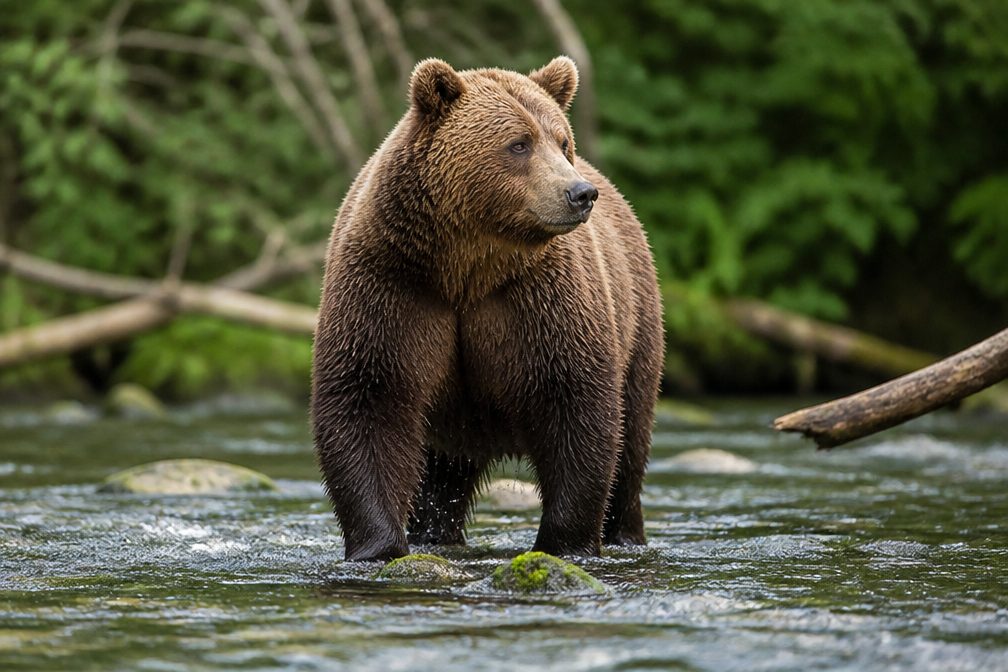
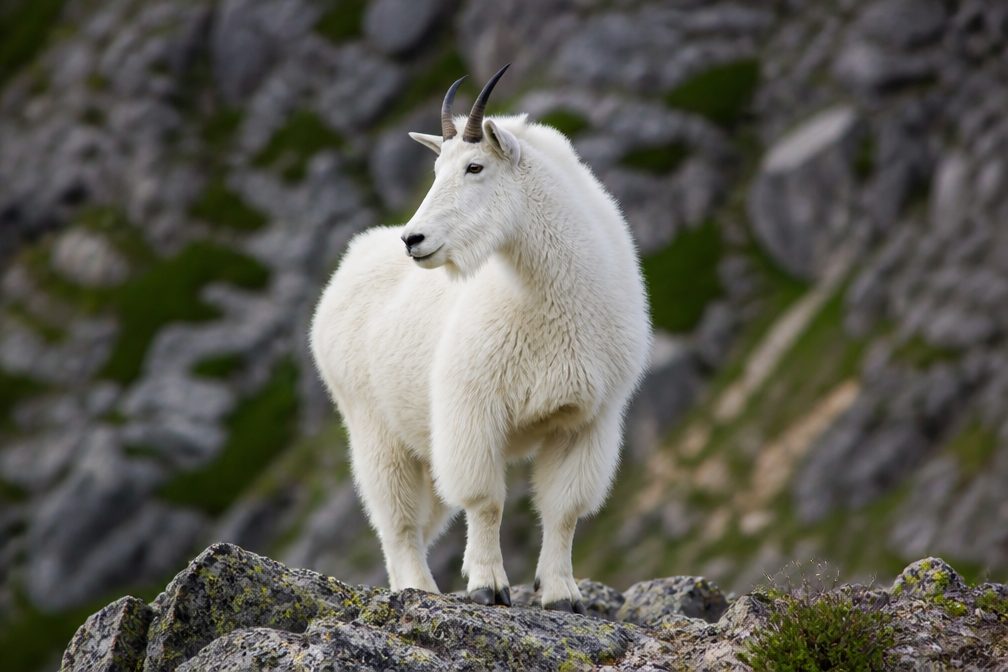
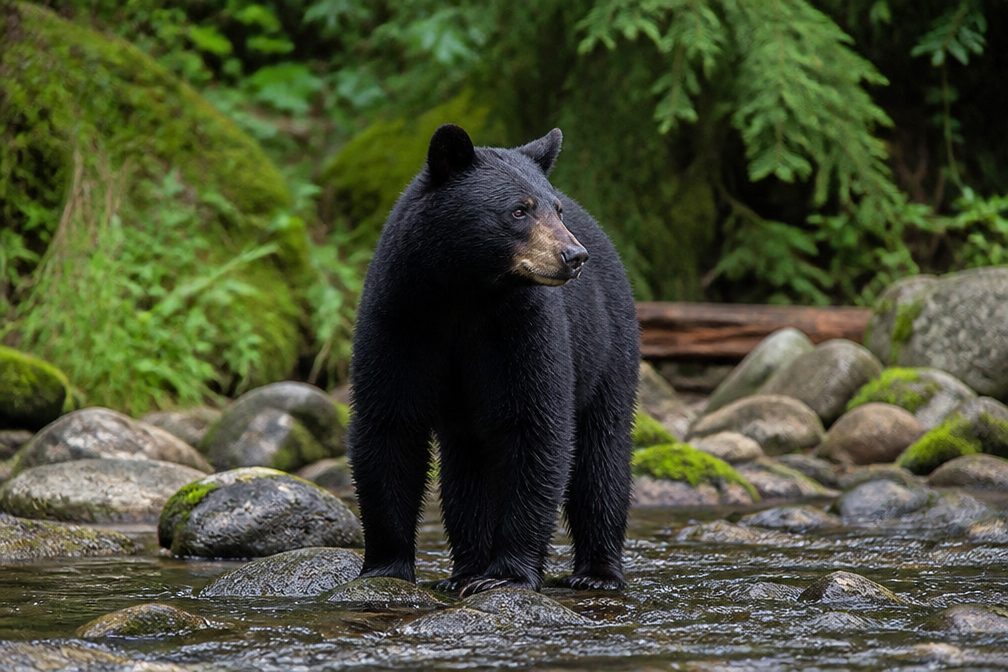
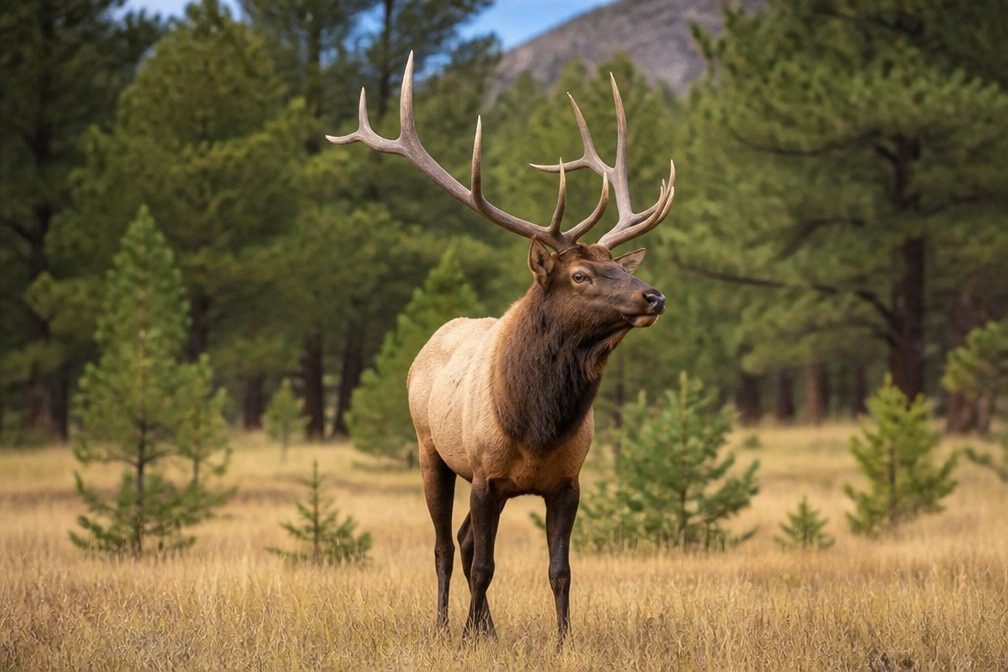
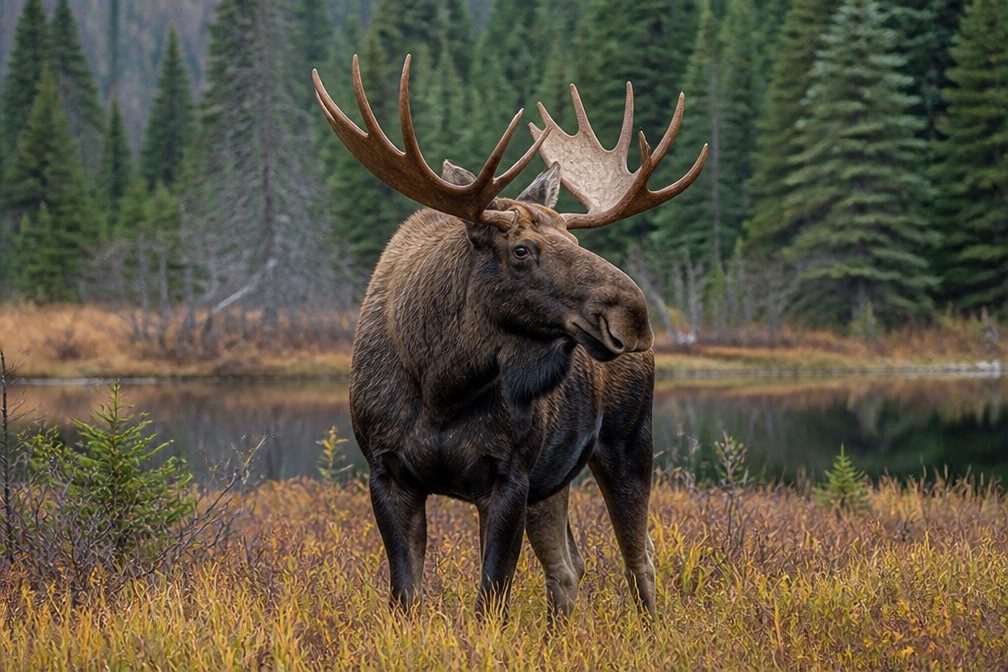
This zone straddles forest and subalpine, so keep your eyes out for marmots, pikas, ground squirrels, and alpine birds like Clark’s nutcrackers and gray jays. Bears and mountain goats are occasionally reported—carry bear spray, make noise, and give wildlife space.
June through September is the sweet spot, with lingering snow possible early season. Aim for mornings on weekends to find parking and cooler temps. Clear, stable weather days make the lookout far more enjoyable given the exposure near the top.
Water and snacks (no sources on route), layers for fast-changing weather, bear spray, and sturdy footwear—especially if you plan to push on to Paget Peak.