
Place · 0 mi away
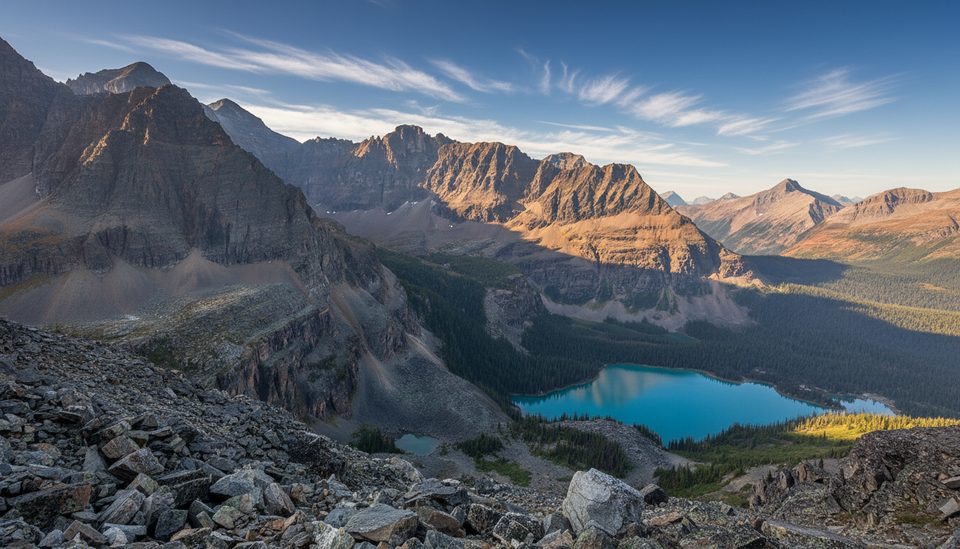
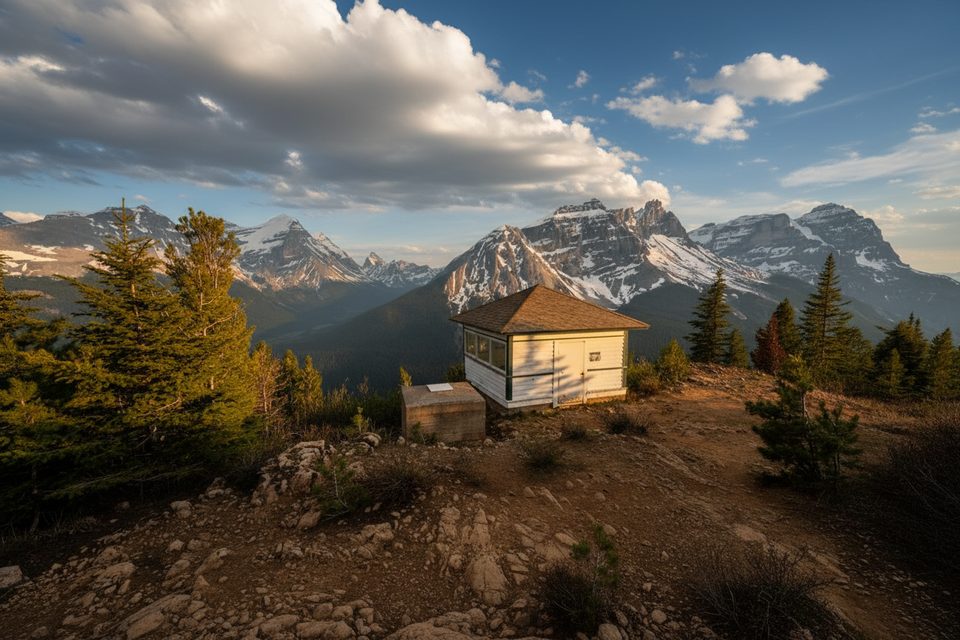
A high, wind‑scoured mountain pass between the Wiwaxy Peaks and Mount Huber, Wiwaxy Gap tops out around 2,530 m and anchors the classic Lake O’Hara Alpine Circuit. Most hikers grind up steep switchbacks from the lake, tag the Gap, then traverse the Huber Ledges toward Lake Oesa.
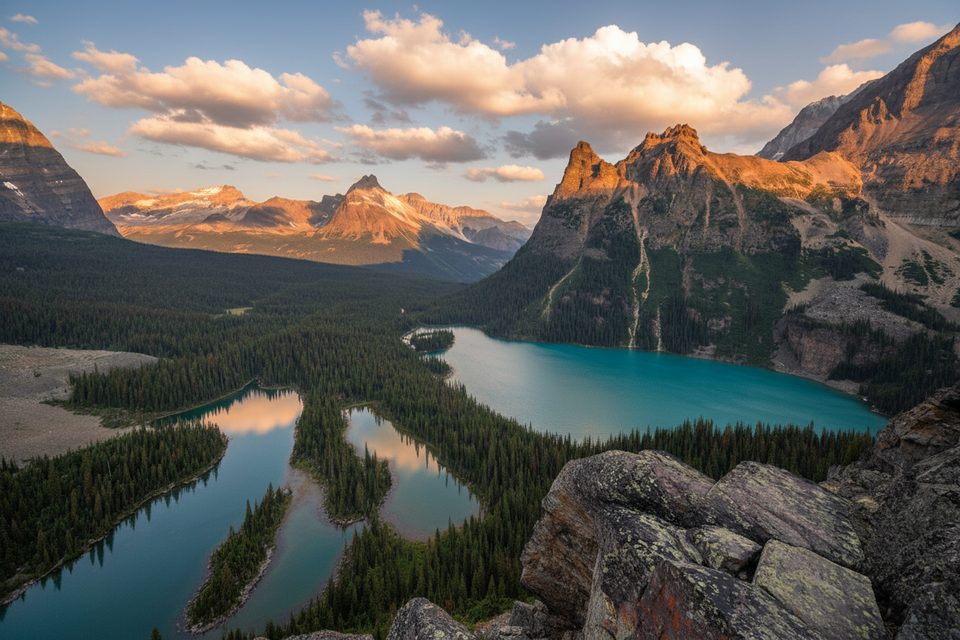
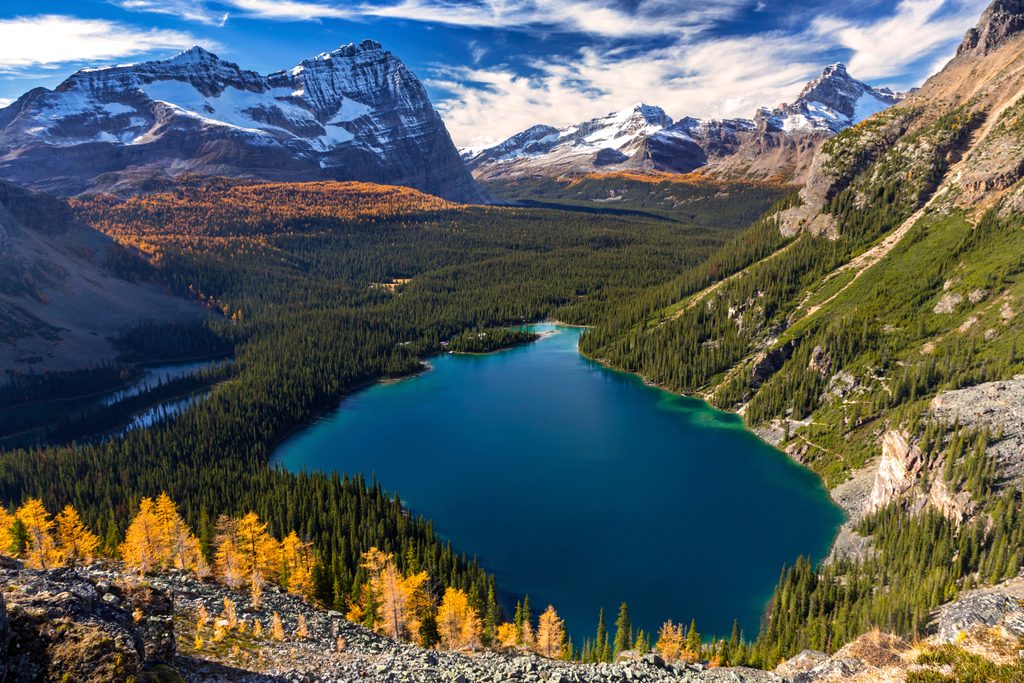
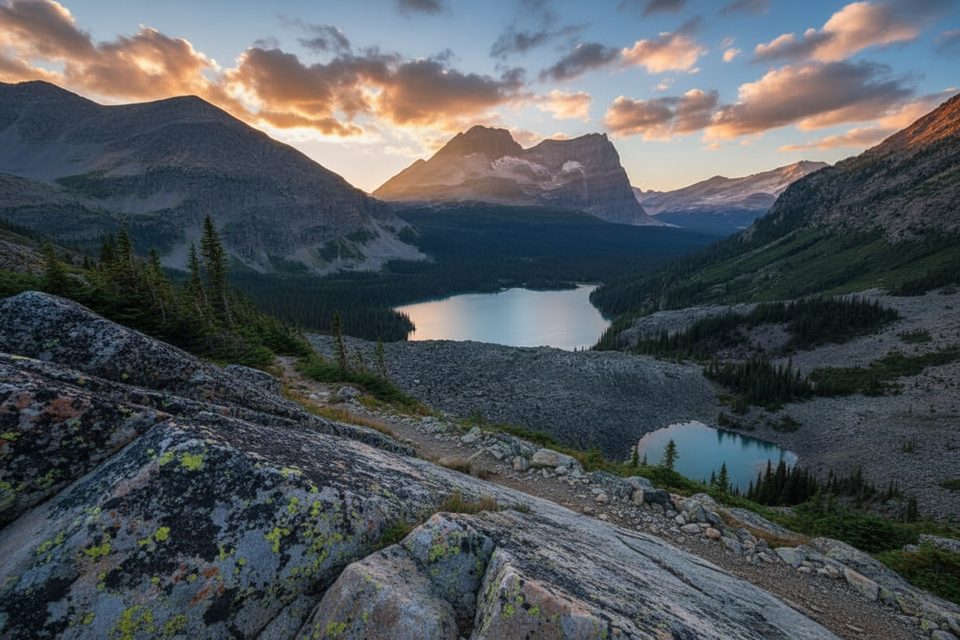
The views are outrageous: turquoise Lake O’Hara far below, spiky ridgelines all around, and sightlines toward big names like Mt. Biddle, Hungabee, and Yukness. It’s the kind of high-alpine drama that makes the O’Hara basin so famous, concentrated into one shoulder-burning climb and a lofty perch that feels properly wild.
Expect a sustained, steep ascent on rocky, sometimes loose tread with short exposed sections. The descent/traverse on the Huber Ledges is exactly what it sounds like—narrow ledges cut into cliffy terrain. Confident hikers love it; anyone uneasy with heights won’t. Beyond the Gap toward Wiwaxy East Peak, the beaten path fades and route‑finding + hands‑on scrambling become the name of the game.
This basin is known for mountain goats, marmots, and pikas, with occasional bears moving through. Stay alert, give wildlife space, and follow standard bear‑country practices.
Start early for cooler temps, steadier footing, and flattering light over O’Hara. Late season (after the bulk of snow has melted) is the most straightforward; early season can mean snow/ice on ledges. Wind is common at the pass, so bring layers. Even with the access limits, mornings are calmer and less social than mid‑day.
Sturdy boots and trekking poles help on the steep switchbacks and loose bits. Pack layers, rain shell, sun protection, plenty of water and calories, and a navigation aid if you’re continuing beyond the Gap.
Place · 0 mi away
Place · 0.6 mi away
Place · 0.7 mi away
Place · 0.7 mi away
Moderate · 0.7 mi away
Easy · 0.8 mi away
Moderate · 5.4 mi away
Moderate · 5.4 mi away

Parkwolf Tour Guide
