
Place · 0 mi away
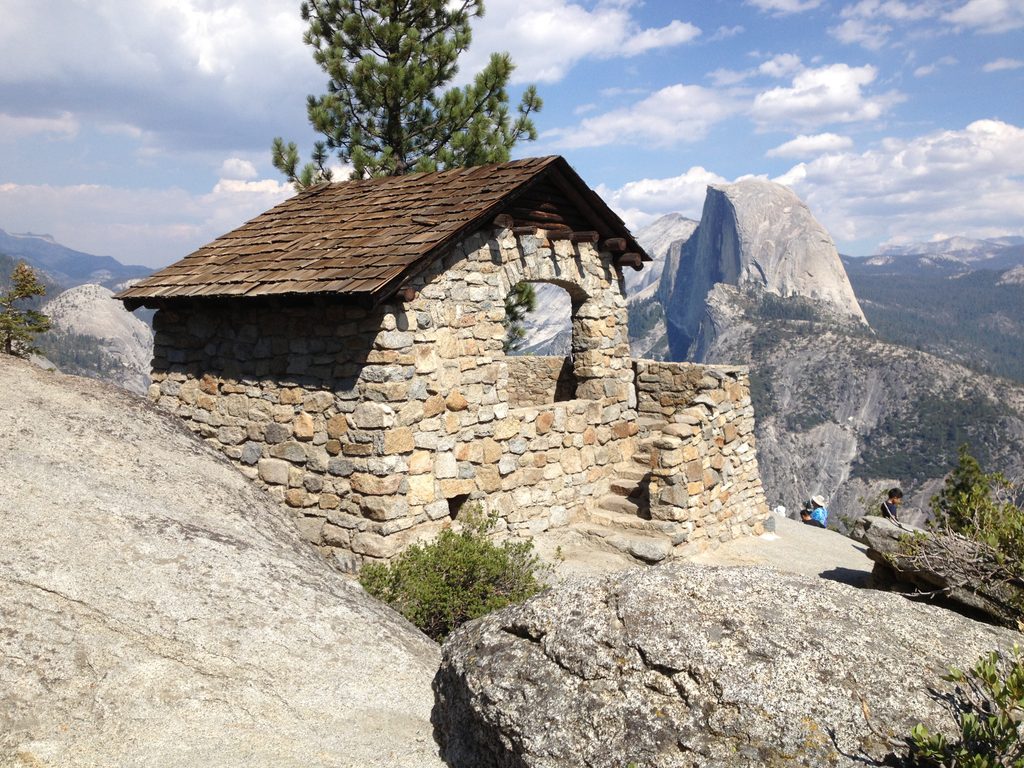
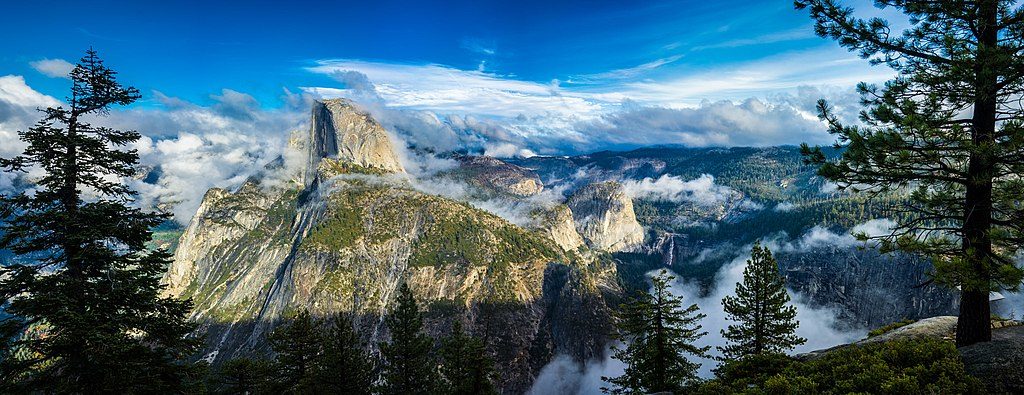
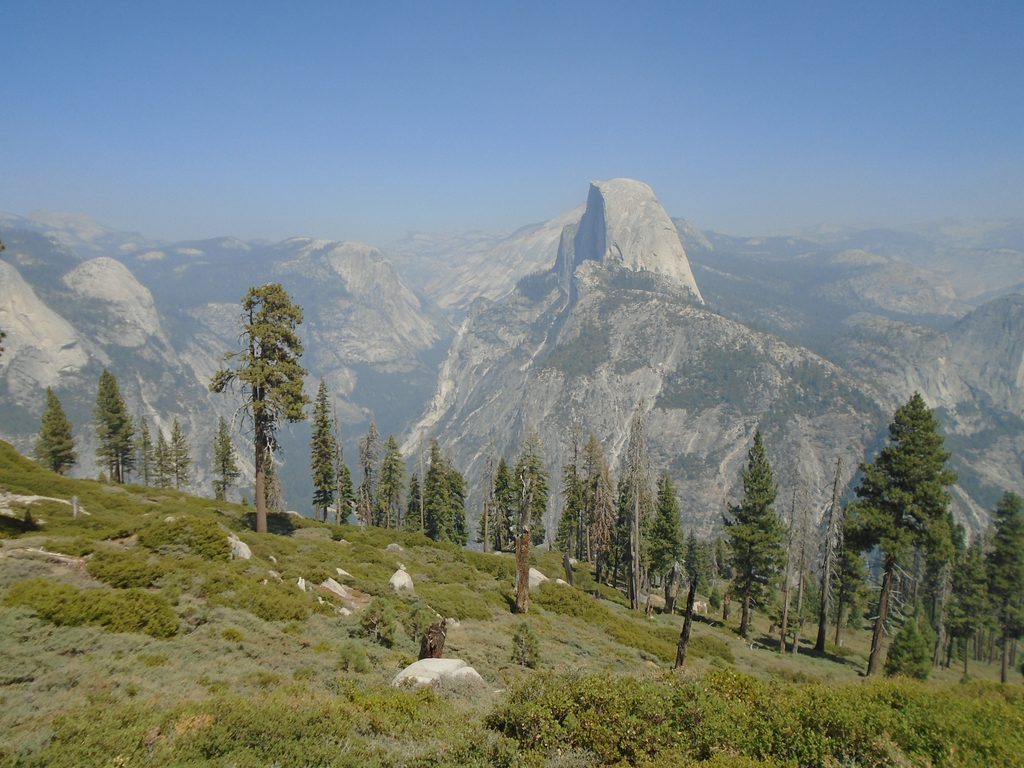
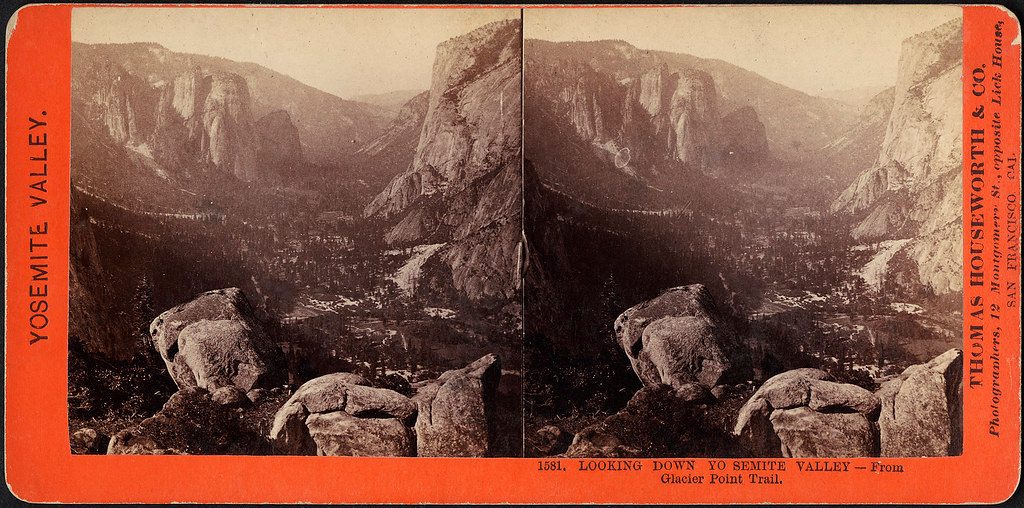
A small but storied stone shelter perched beside Glacier Point’s famous overlook, the Glacier Point Trailside Museum (aka the Geology Hut) is more about place than displays. Think interpretive shelter and a perfectly framed window onto Half Dome and the Valley, not a staffed museum. It’s an easy add-on if you’re already at Glacier Point and care about how park interpretation began.
Built in the mid‑1920s and designed by Herbert Maier, this was the first “trailside museum” in the national park system—an early experiment that helped define how parks teach on-site. Its NPS Rustic architecture (arched stone openings, log-supported roof) set a style that spread across parks, and it’s listed on the National Register of Historic Places.
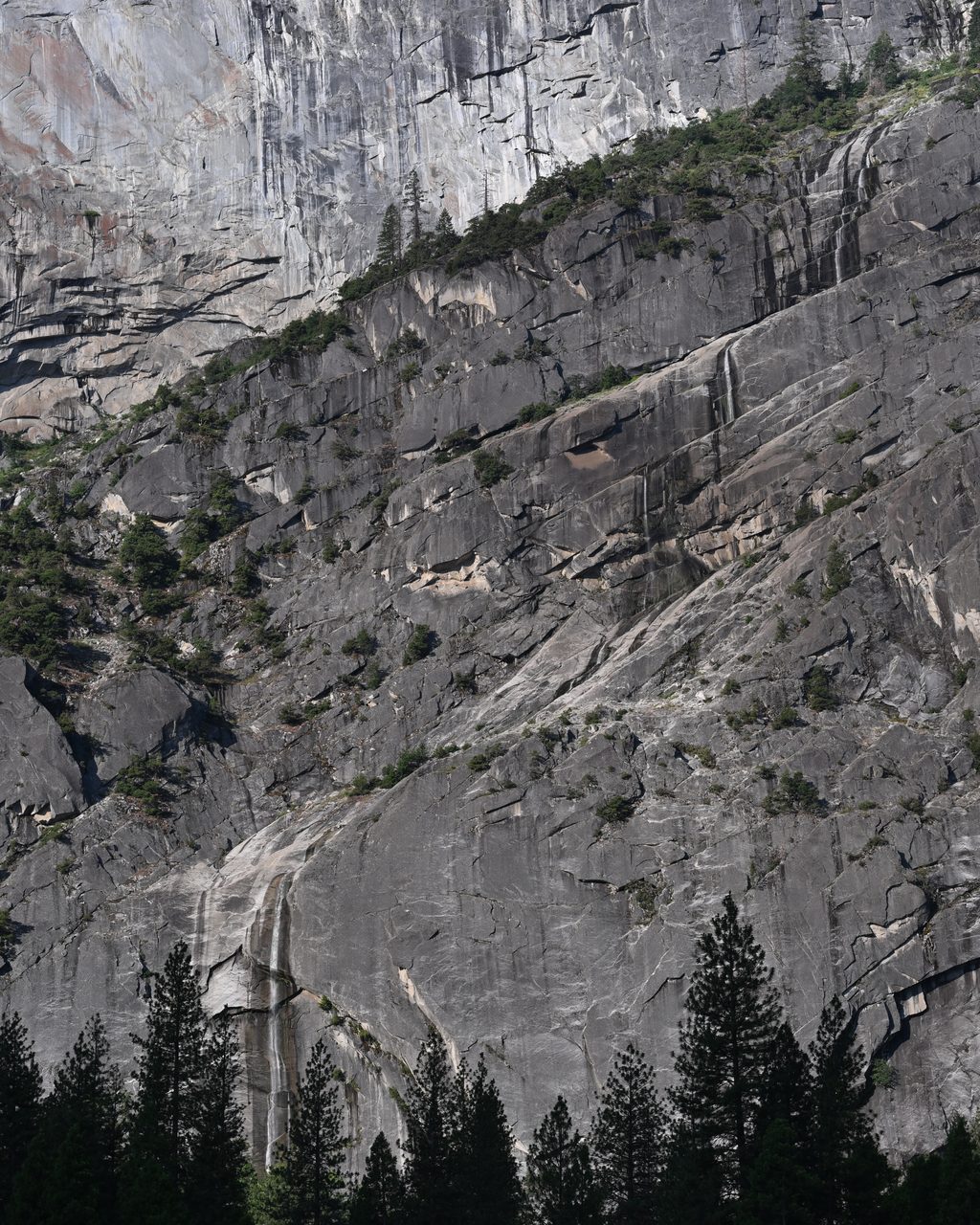
Rockfall is part of Yosemite’s natural process. Stay on designated paths, keep back from cliff edges, and heed any posted advisories.
Place · 0 mi away
Place · 0 mi away
Place · 0.5 mi away
Place · 0.5 mi away
Challenging · 0 mi away
Easy · 0.1 mi away
Easy · 0.8 mi away
Challenging · 0.9 mi away

Parkwolf Tour Guide
