Glacier Point

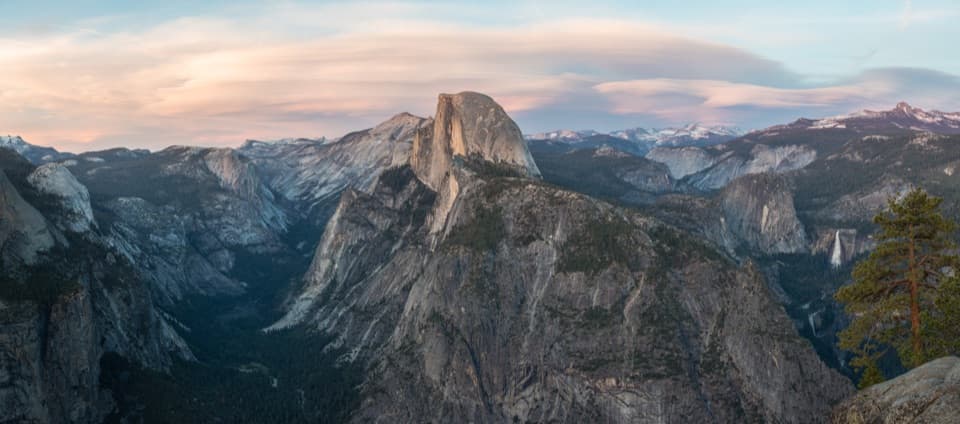
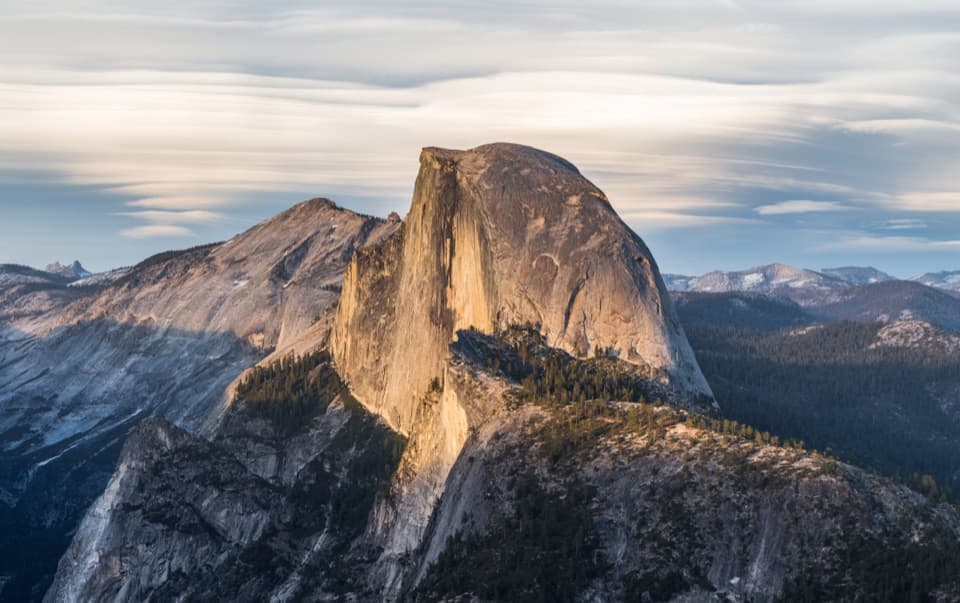
Front-row view of Half Dome, Yosemite Falls, and the Valley
Glacier Point, Yosemite National Park
InsideYosemite National Park

Overview

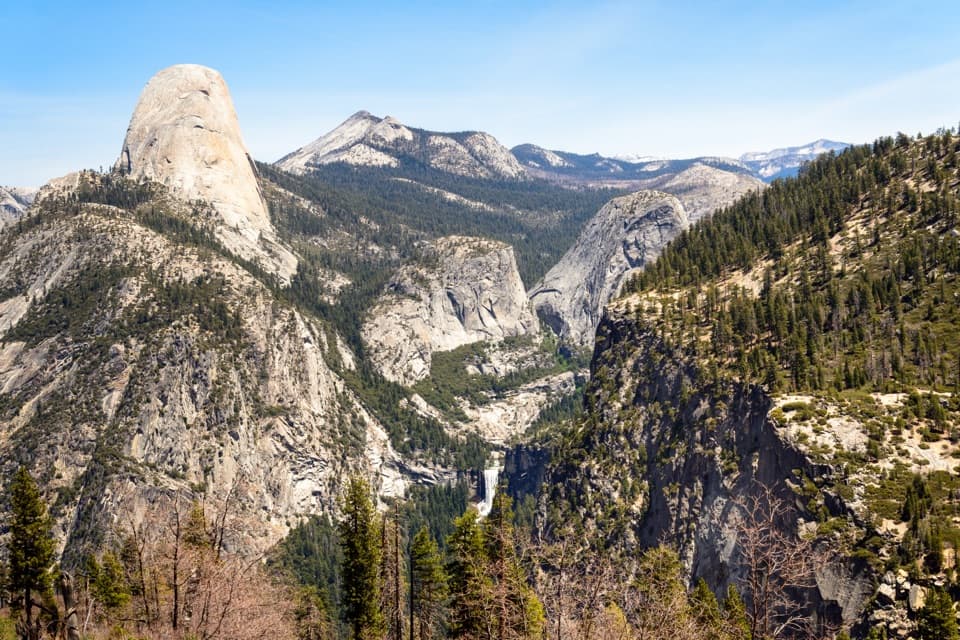
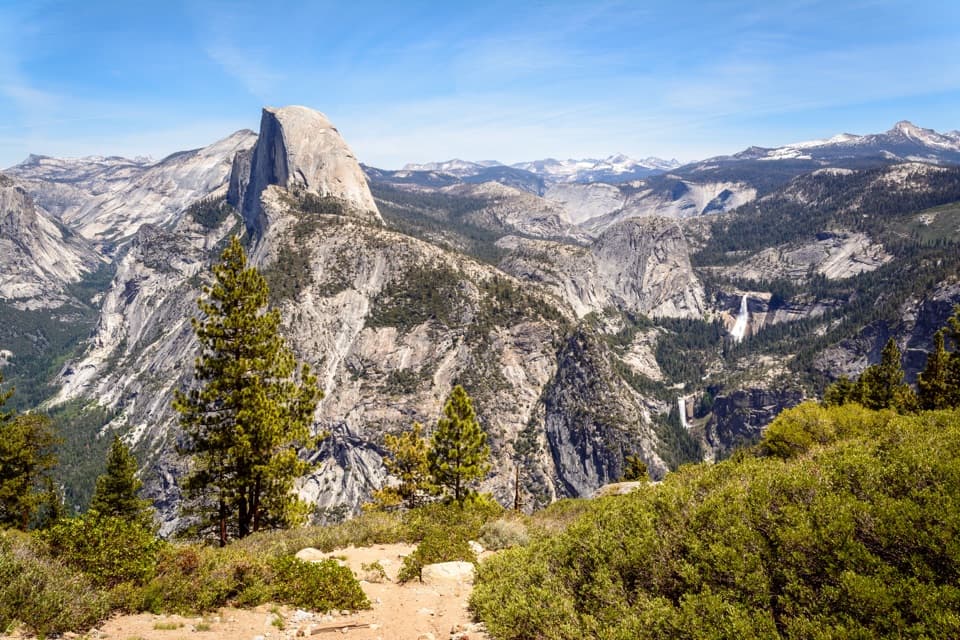
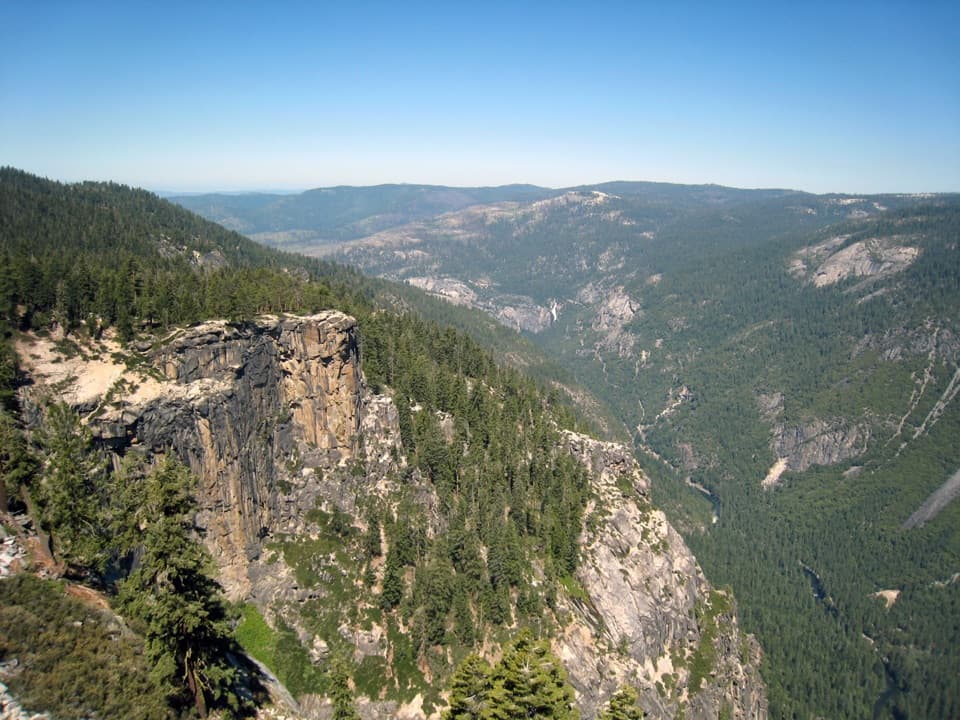
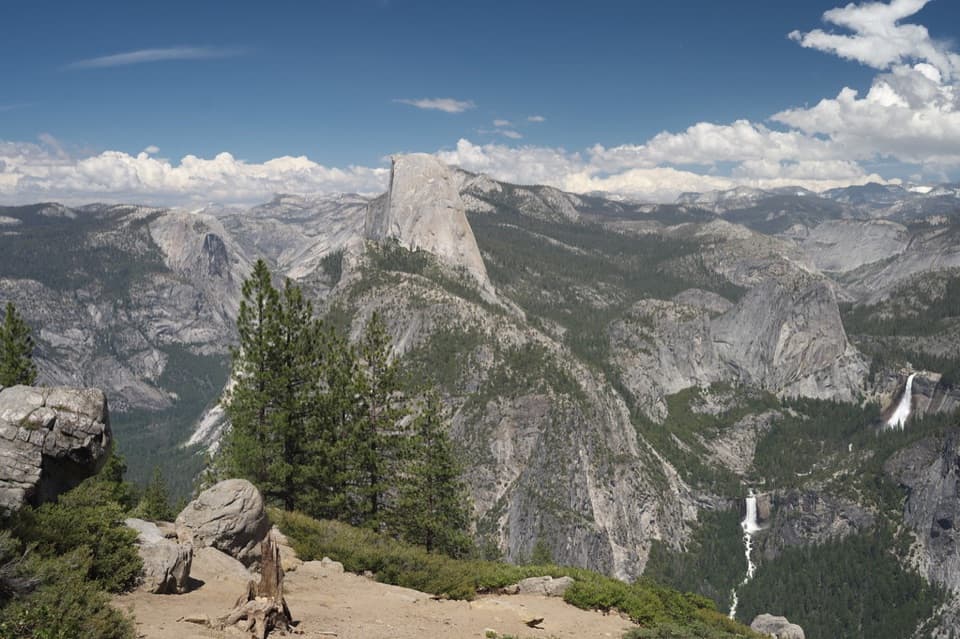
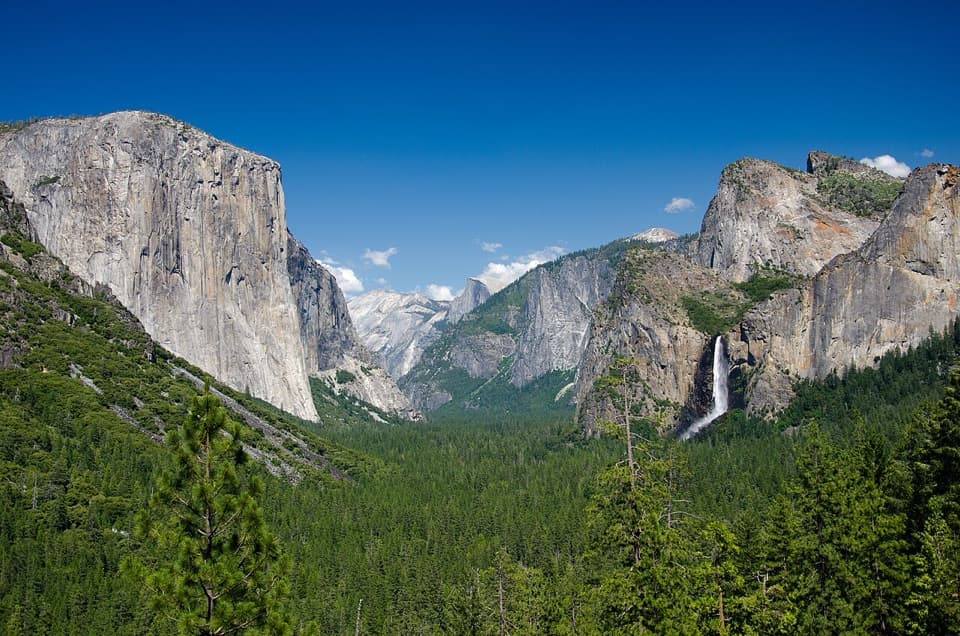
Glacier Point is the park’s grandstand: a high rim overlook sitting roughly 3,200 feet above the Valley with a sweeping, face‑to‑face view of Half Dome, Yosemite Falls, Vernal and Nevada Falls, Tenaya Canyon, and a skyline of granite peaks. It’s the place that makes first‑timers go quiet and regulars come back every trip.

What You’ll See

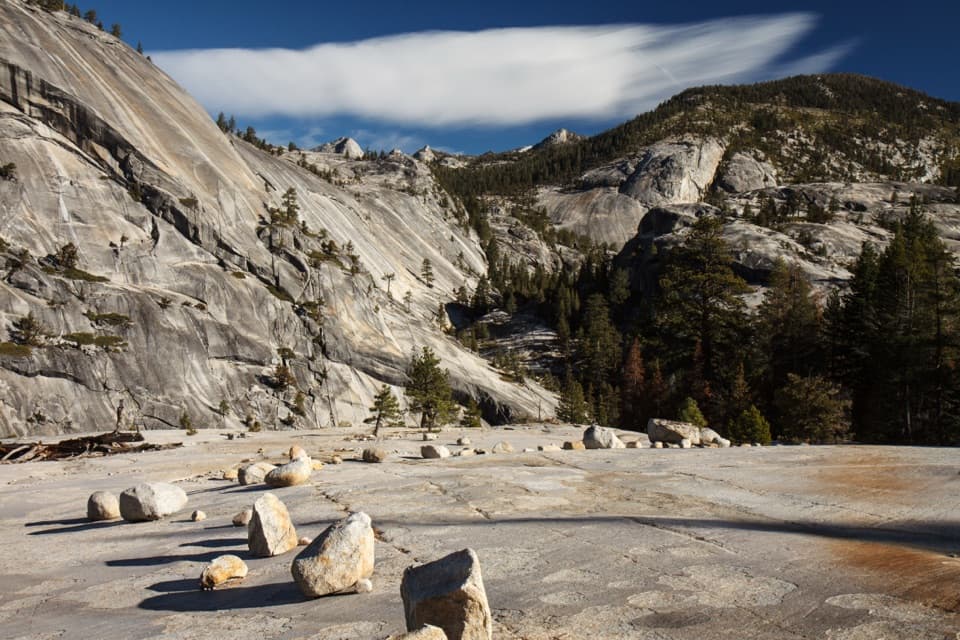
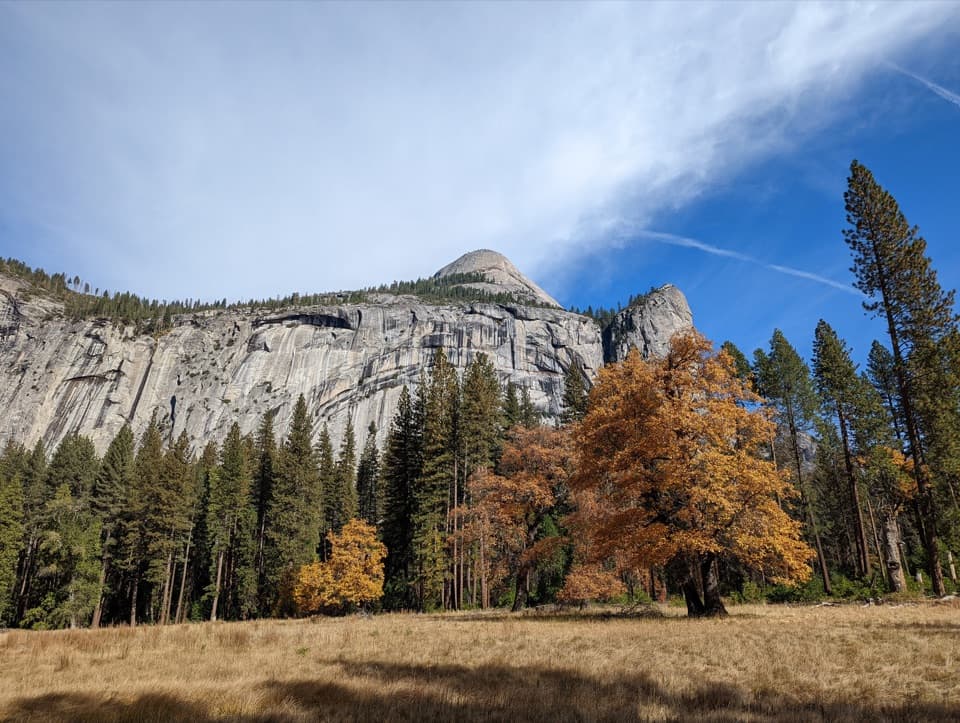
  • A classic U‑shaped glacial valley laid out beneath you, polished domes, and hanging valleys that pour off as waterfalls.
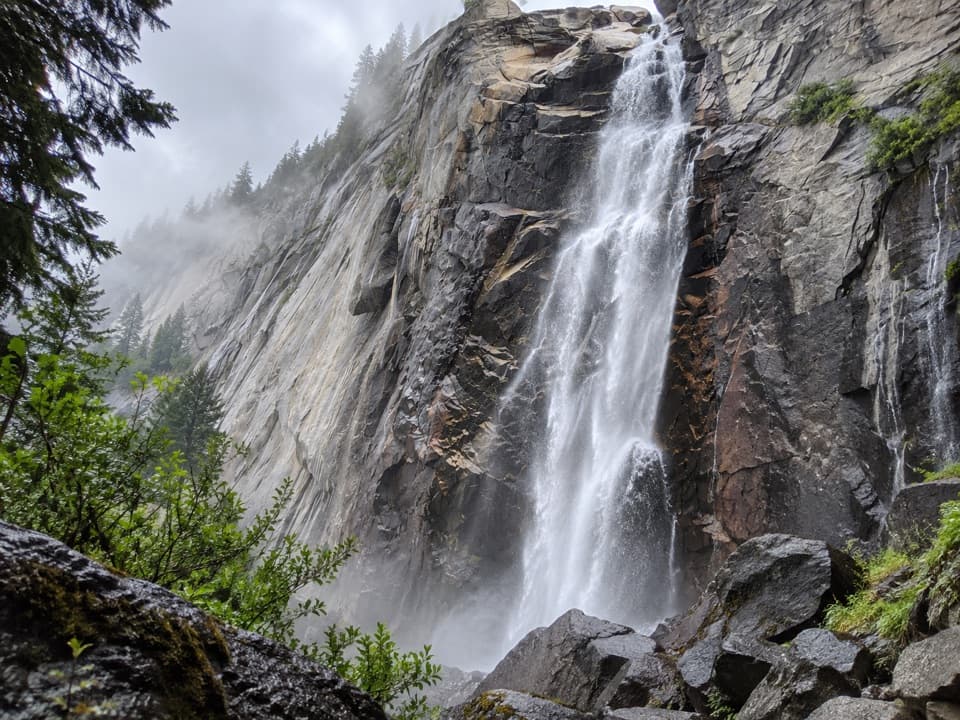
  • Half Dome front and center, with the white ribbon of Yosemite Falls and the stair‑step of Vernal and Nevada Falls all visible from a single perch.

How This Landscape Happened

Hard granitic rock was uplifted, then carved by repeated ice advances that widened river canyons into today’s U‑shaped Valley and left those dramatic hanging valleys you can pick out from this vantage. Rockfall is still reshaping the cliffs—another reason to stay behind railings and never toss rocks.

Best Times to Visit

Sunrise and late‑day light make the Valley walls and Half Dome glow; sunset is gorgeous but also the busiest. Clear summer and early‑fall nights are excellent for stargazing. Glacier Point Road is typically snow‑closed in winter—always check current status before you go.

Amenities and Logistics

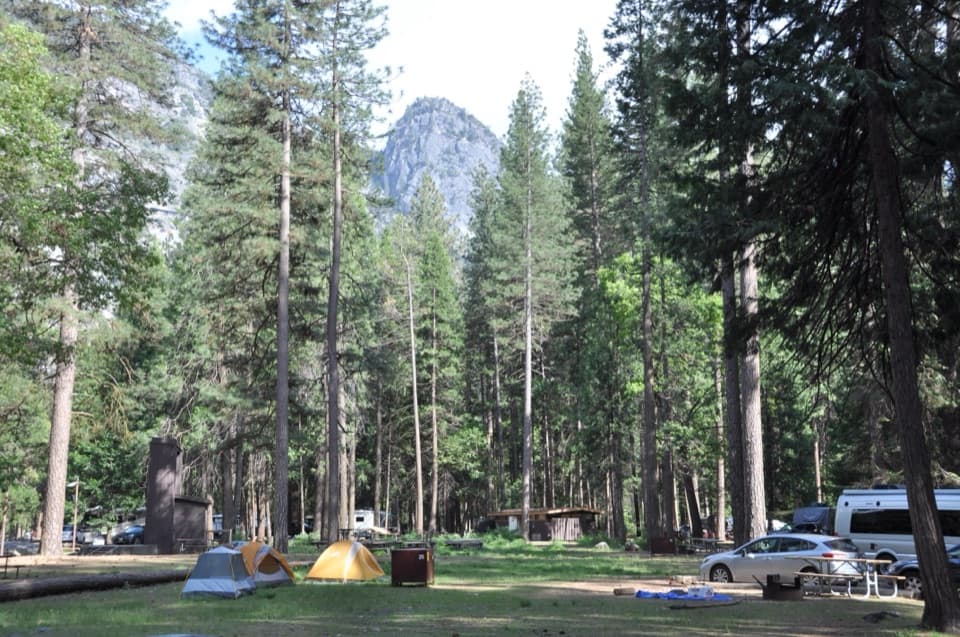
There’s a large paved parking lot that often fills late morning through sunset in peak season. Expect vault toilets near the lot; they’re functional but can be unpleasant at busy times. A seasonal snack stand/gift shop operates when the road is open. You may find water spigots by the restrooms, but don’t count on them—bring what you need. Bear lockers are available for food storage. No Wi‑Fi, and cell service is spotty. There’s no fuel on Glacier Point Road—fill up before you climb.

Trails From Here

Glacier Point anchors popular hikes: the Panorama Trail toward Nevada and Vernal Falls, and the Four‑Mile Trail that drops to the Valley. If you want to dodge parking hassles, many visitors ride a bus up and hike down.

Wildlife and Etiquette

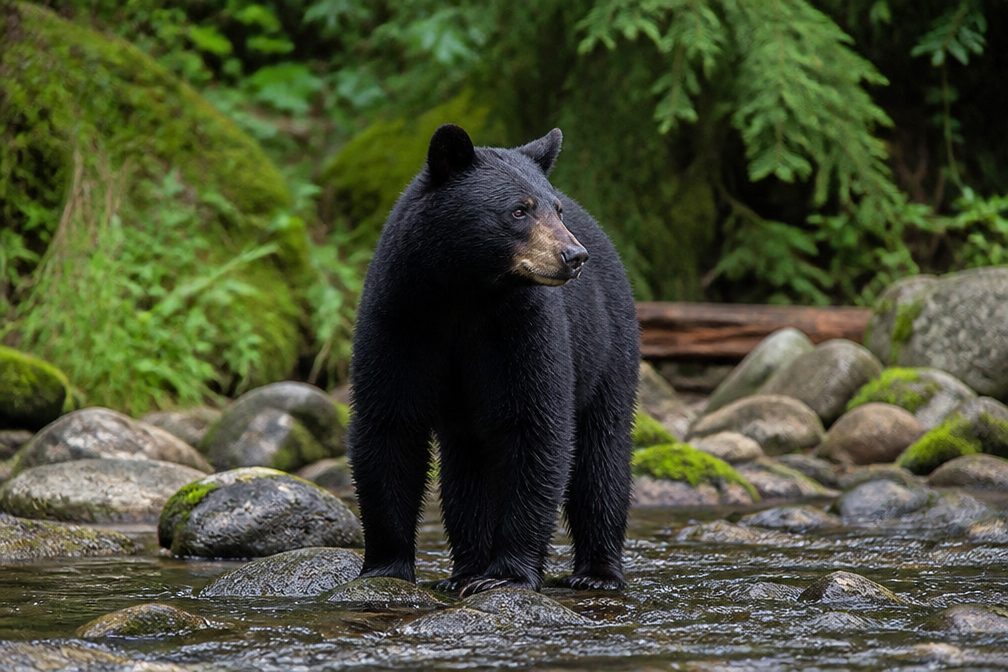
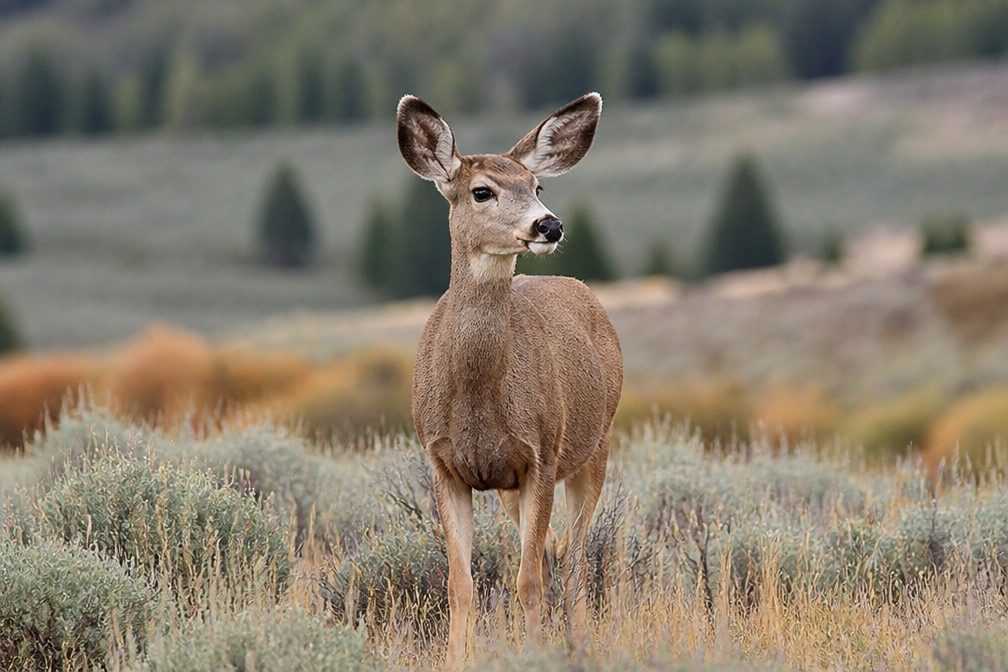
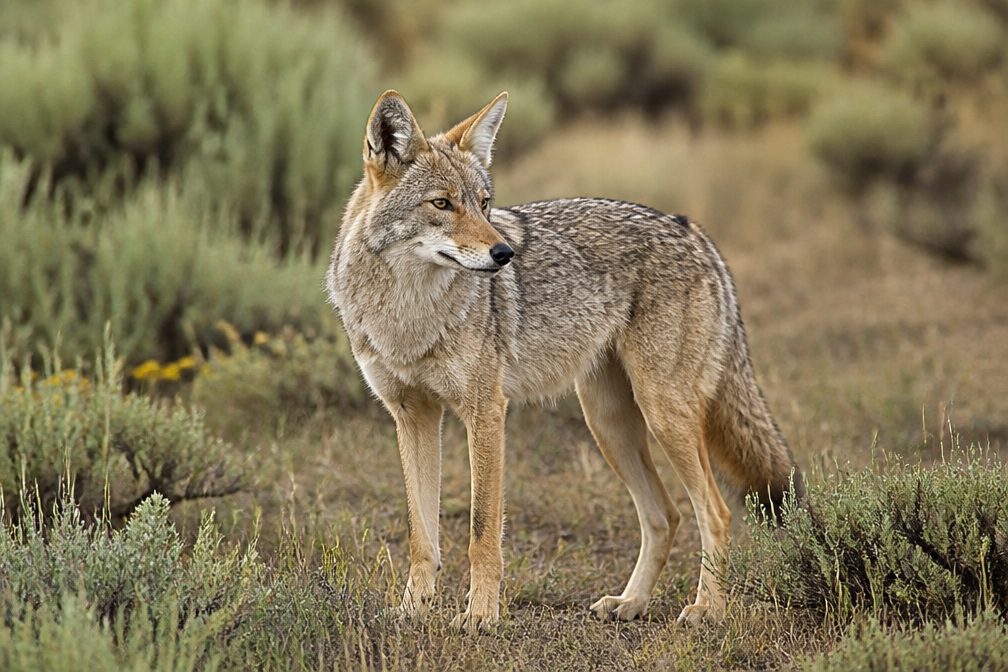
Dawn and dusk are the best windows for wildlife activity. Observe from a distance, never feed animals, and store all food and scented items—use the bear lockers. Stay on paths and behind railings; rockfall and cliff edges are real hazards.

Planning Notes

Summer weekends are the crunch—go early or aim for weekdays. In some peak periods, the park may require timed‑entry reservations; check current rules when you plan.

Pros

  • Unmatched, top-down views of Half Dome, Yosemite Falls, and the Valley
  • Seasonal snack stand and gift shop at the viewpoint
  • Trailheads for Panorama and Four‑Mile routes connect right here

Cons

  • Parking routinely fills, especially near sunset and summer weekends
  • Vault toilets only and they can be smelly; potable water is unreliable
  • Road closes in winter; no gas and little to no cell service

Tips

  • Arrive 60–90 minutes before sunset for parking and the best light.
  • Verify Glacier Point Road status; it typically snow‑closes in winter.
  • Bring layers, water, and sun protection—the rim is cooler and windy.
  • Download offline maps; expect spotty cell coverage and no Wi‑Fi.
  • Consider the bus up and hike down via Panorama or Four‑Mile.
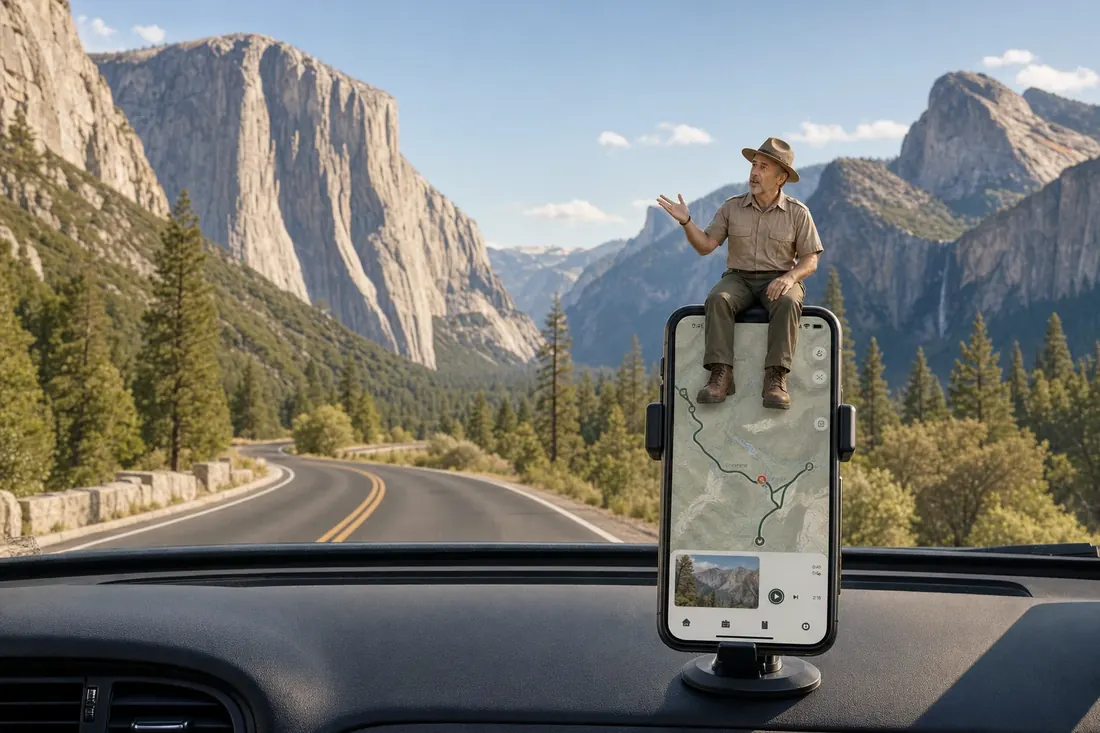
The Parkwolf tour guide sitting on a phone mounted in a car

Parkwolf Tour Guide

Like a tour guide in your car.

Save the places you found around Yosemite, then let Parkwolf guide the drive between them.Download Parkwolf on the App Store