
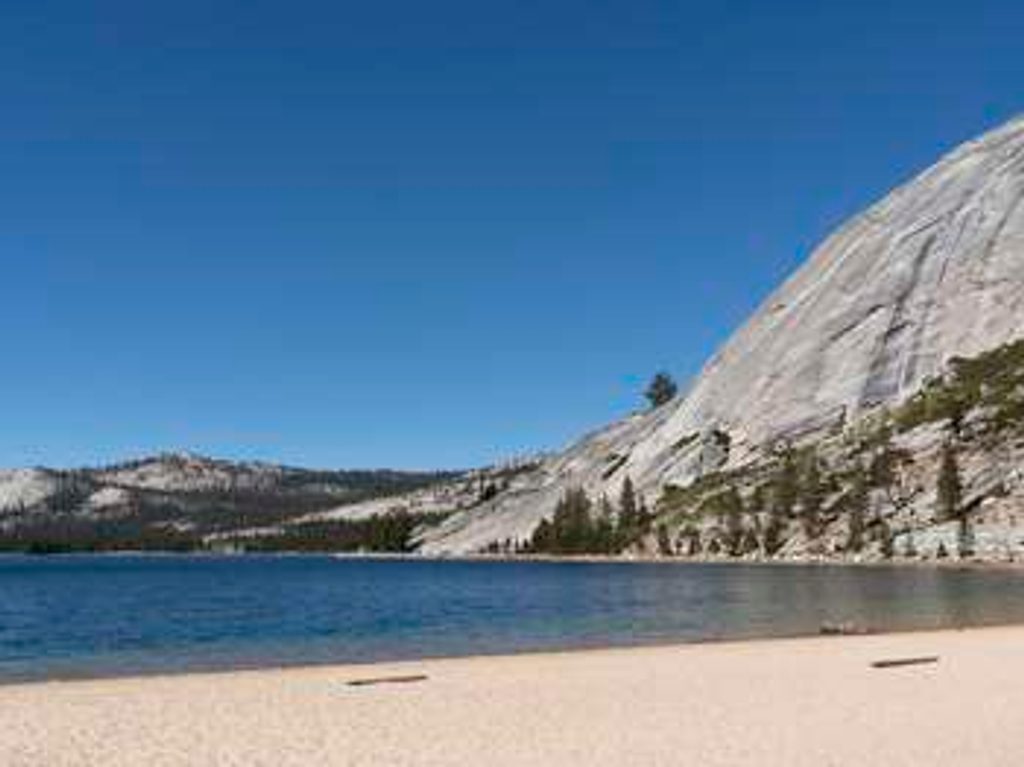
Place · 0.2 mi away
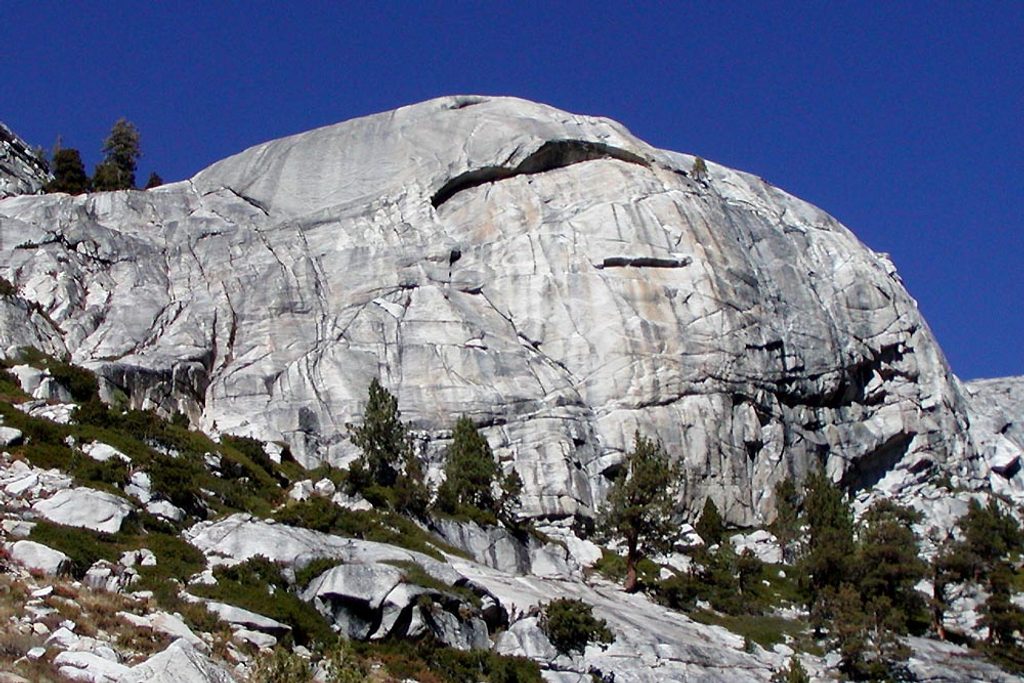
Harlequin Dome is a handsome Tuolumne granite dome with that classic high‑country feel—clean, sun‑warmed slabs and faces, sweeping views, and just enough exposure to keep your attention. It’s best known as a climbers’ playground, with routes that are generally south‑facing, warm, and steep. If you’re chasing quintessential Tuolumne friction and face climbing, this is a worthy stop.
Expect one to three pitches on glacially polished granite with knobs, edges, and sections that can feel airy compared to valley crags. Standout lines include Hoodwink (5.10‑, 4 pitches), Cyclone (5.10b), The Sting (5.10b), Chinese Handcuffs (5.10d), By Hook or By Crook (5.11b, PG13), Third World (5.11b, PG13), and Heat Sensitive (5.12, sport, PG13). The south aspect means it can feel toasty in the midday sun—great for shoulder seasons, less great during peak heat.
A bit of lore: Hoodwink’s first ascent was put up in July 1972 by Roger Breedlove and Jim Bridwell—an era when bold, minimalist protection and mental toughness were very much the style.
Park at the Tenaya Lake lot along Tioga Road. Cross the road, hike up easy slabs to a short headwall, then skirt its far‑left side via a few straightforward moves to gain the climber trail to the base. The approach is quicker and less involved than many nearby domes, which is part of the appeal.
You’ll find parking at Tenaya Lake, and visitors report bathrooms available near the approach. Picnic areas along Tioga Road (like Tenaya Lake and Lembert Dome) typically have vault toilets and tables; don’t count on potable water.
High‑country weather can be fickle: cool mornings, strong sun at altitude, and summer thunderstorms that build fast. Start early, carry layers, and keep an eye on the sky. Yosemite regularly implements seasonal closures to protect nesting peregrine falcons (typically March 1–July 15), which can affect specific routes or walls. Rockfall is an ongoing natural process here—evaluate hazards at the base and on descent.
Polished friction gets slick when wet or gritty. Brush sand from stances where you can and avoid stepping onto wet slabs.
You may spot mule deer and smaller alpine critters near meadows and boulder fields. Store food properly and never feed wildlife. Stay on durable surfaces around the base—alpine vegetation is fragile and slow to recover.
Place · 0.2 mi away
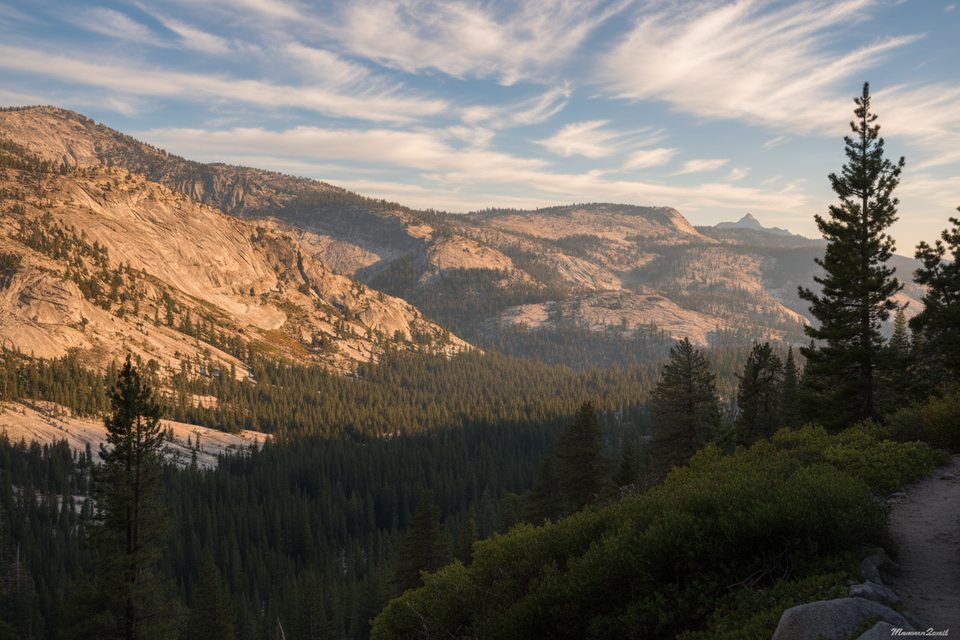
Place · 0.6 mi away
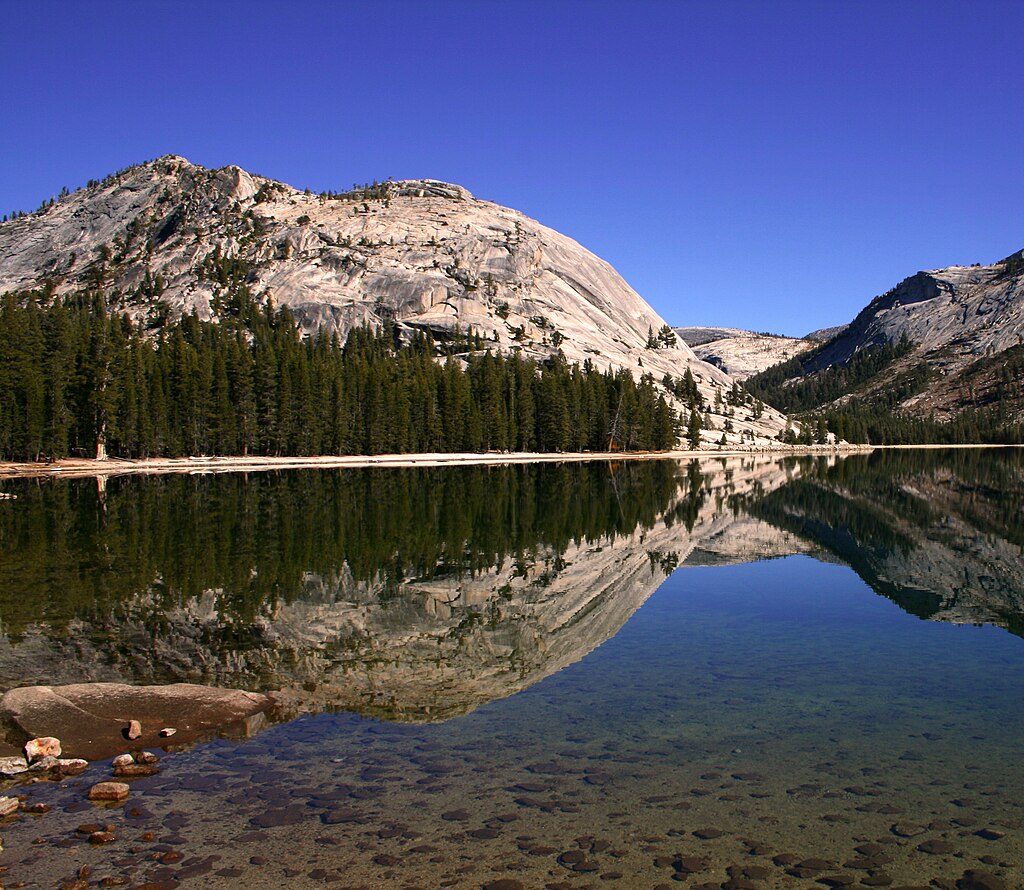
Place · 0.6 mi away
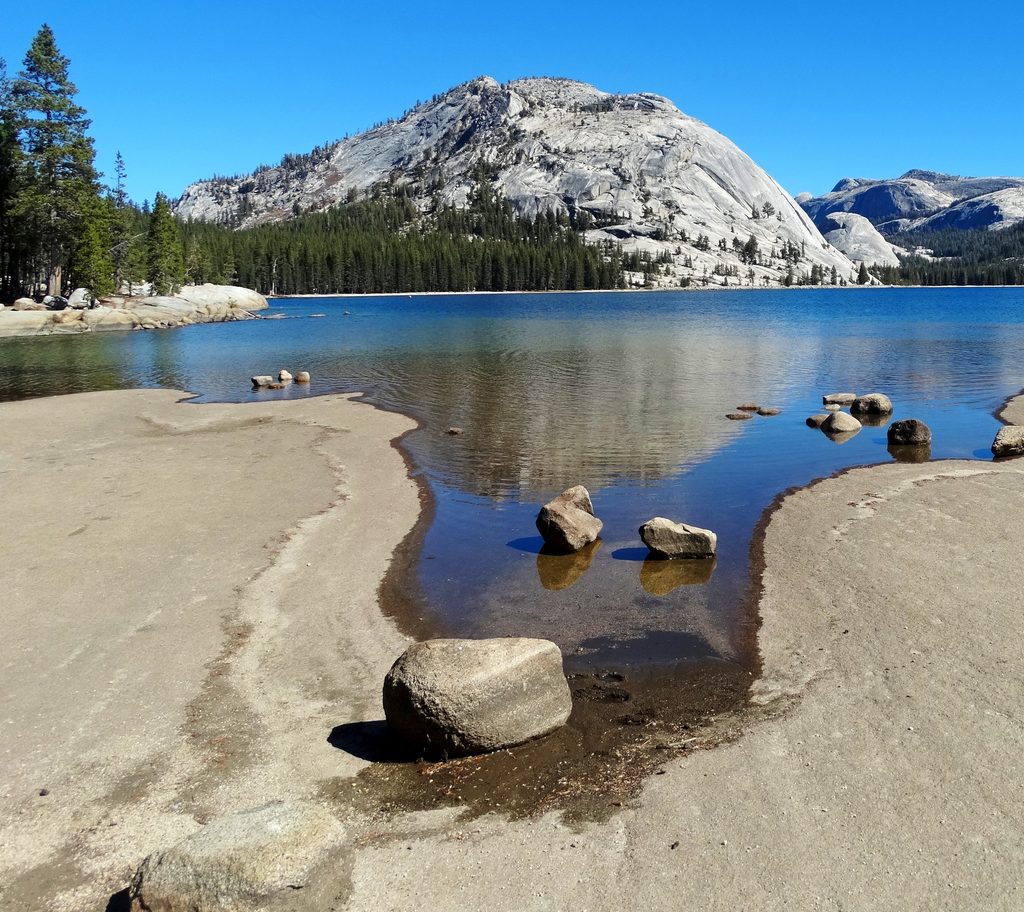
Place · 0.8 mi away
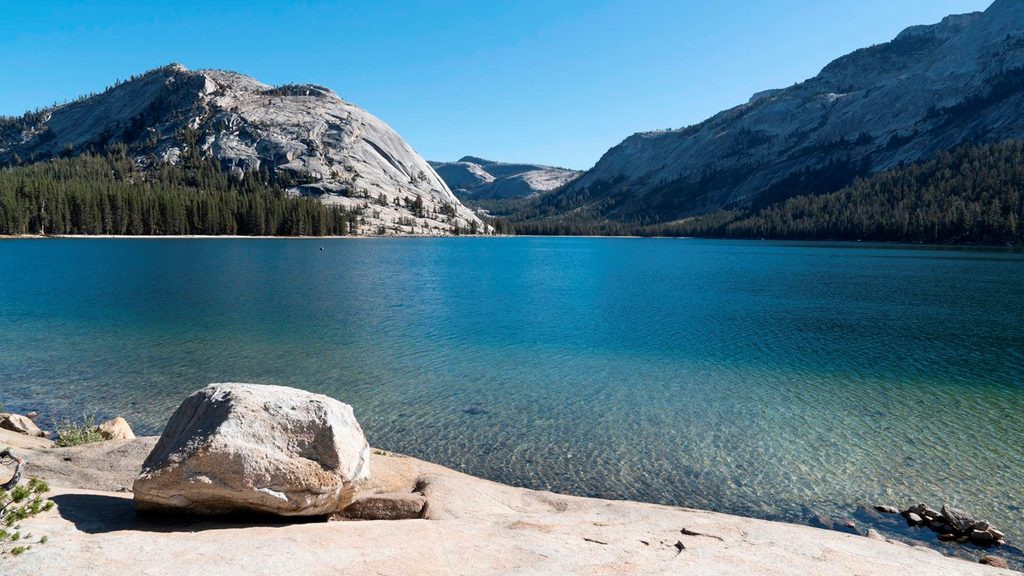
Easy · 0.2 mi away
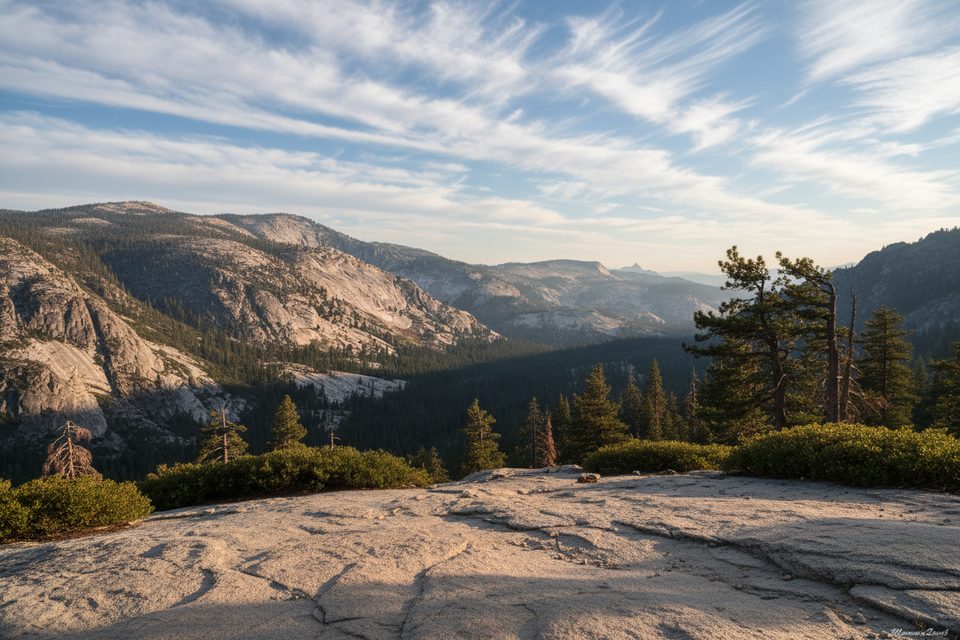
Moderate · 0.6 mi away
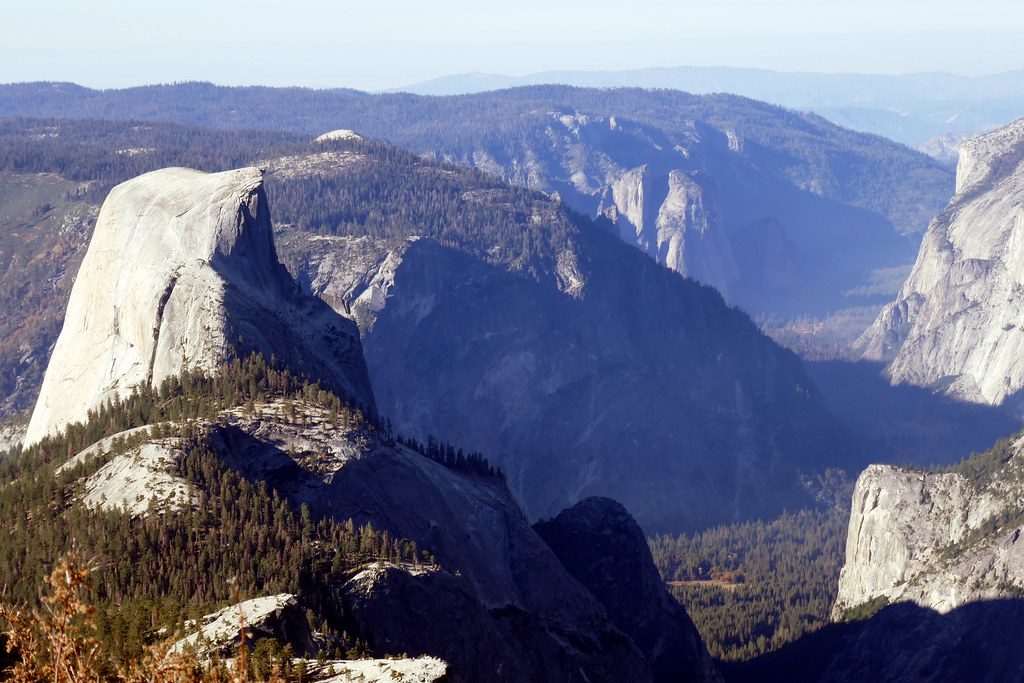
Challenging · 1.3 mi away
Challenging · 2.1 mi away

Parkwolf Tour Guide
