
Place · 0 mi away
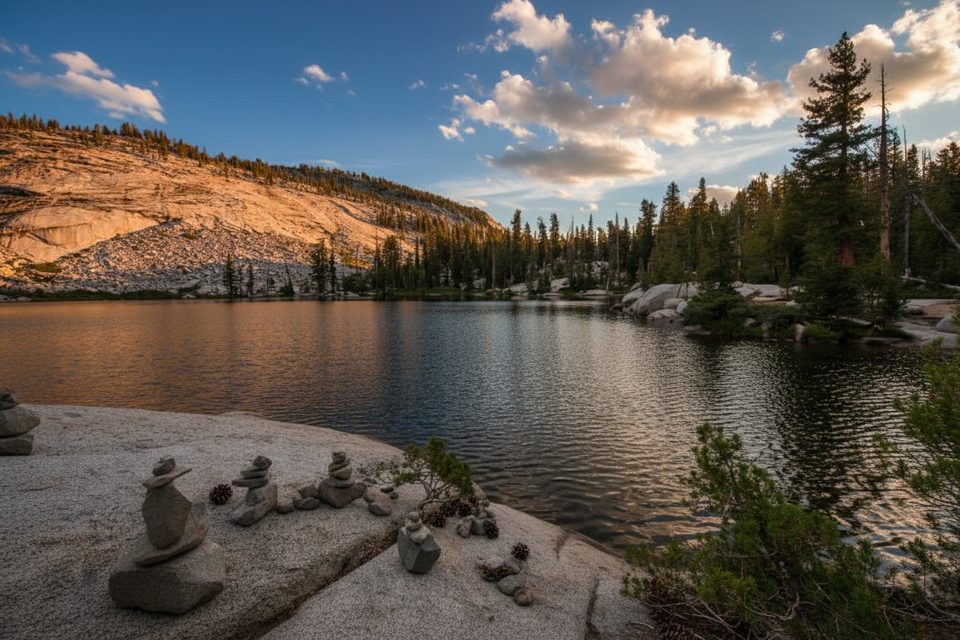
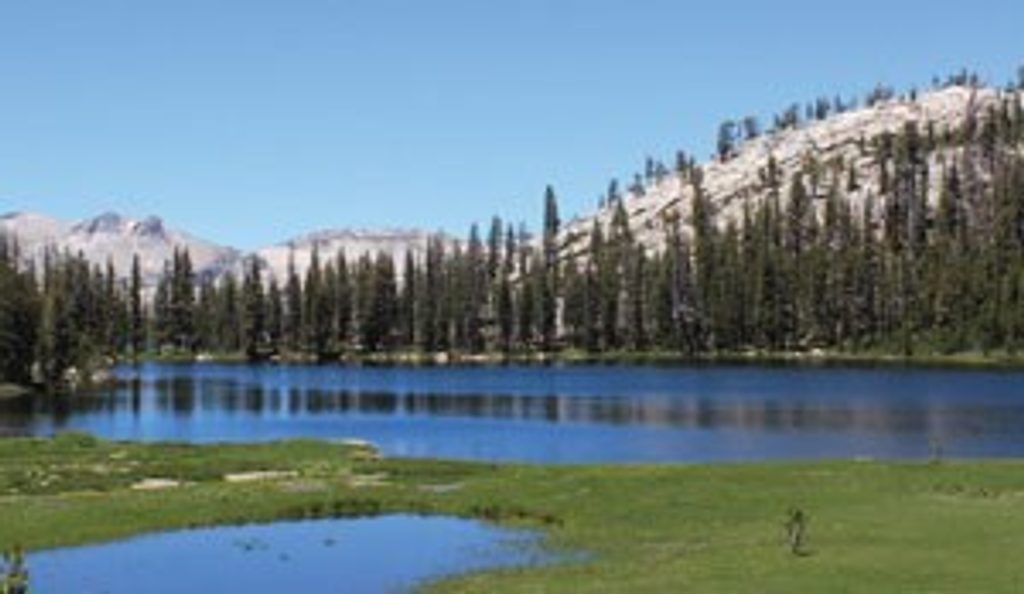
Upper Sunrise Lake is the third and highest of the Sunrise Lakes—an intimate, granite-rimmed High Sierra basin that feels a world away from the bustle by Tenaya Lake. Many hikers use it as a peaceful turnaround or a backpacking camp on multi-day routes toward Clouds Rest and beyond. Expect quiet water, light-colored domes, and that classic high-country calm.
You’ll start at the Sunrise Lakes Trailhead near the west end of Tenaya Lake on Tioga Road. The first 1.5 miles are gentle, then comes the crux: a roughly mile-long staircase of switchbacks locals call “the Wall,” gaining about 1,000 feet. At the top, a junction directs left toward Sunrise Lakes and the nearby High Sierra Camp (straight goes to Clouds Rest). The first lake is about a half-mile from the junction; the second sits just off the main path; Upper Sunrise Lake is a short climb farther on. Typical round-trip distances run 7–8 miles with roughly 1,600–1,800 feet of gain, depending on how many lakes you visit.
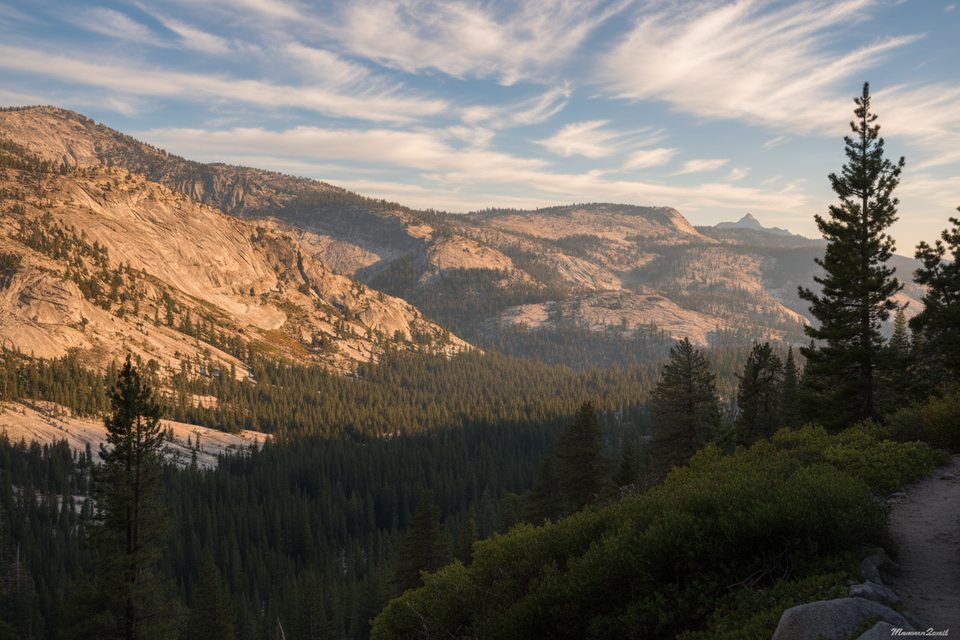
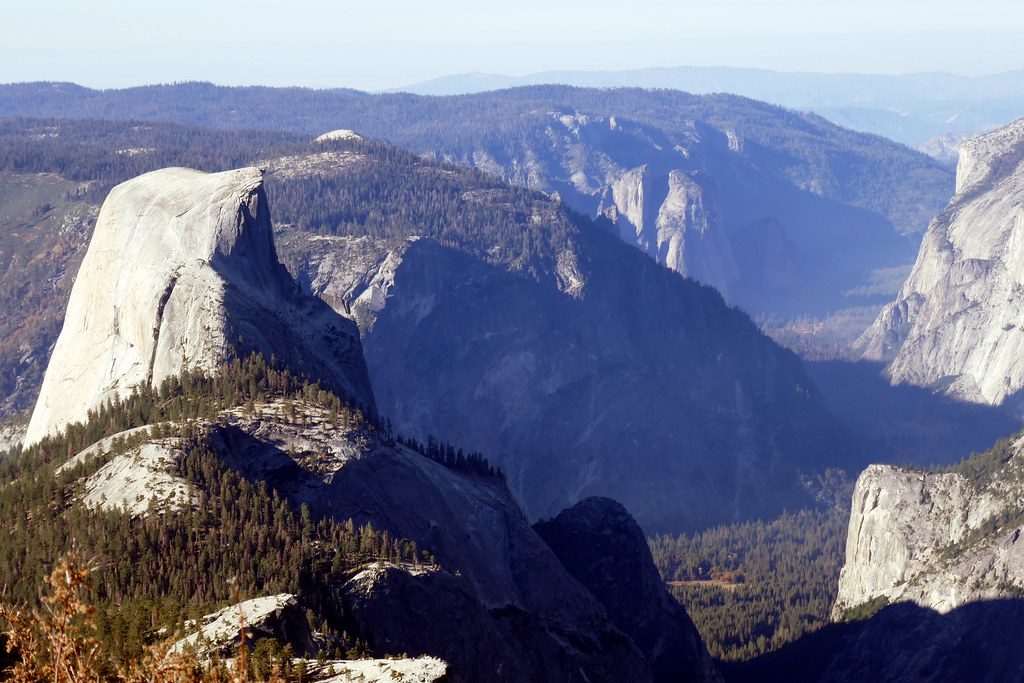
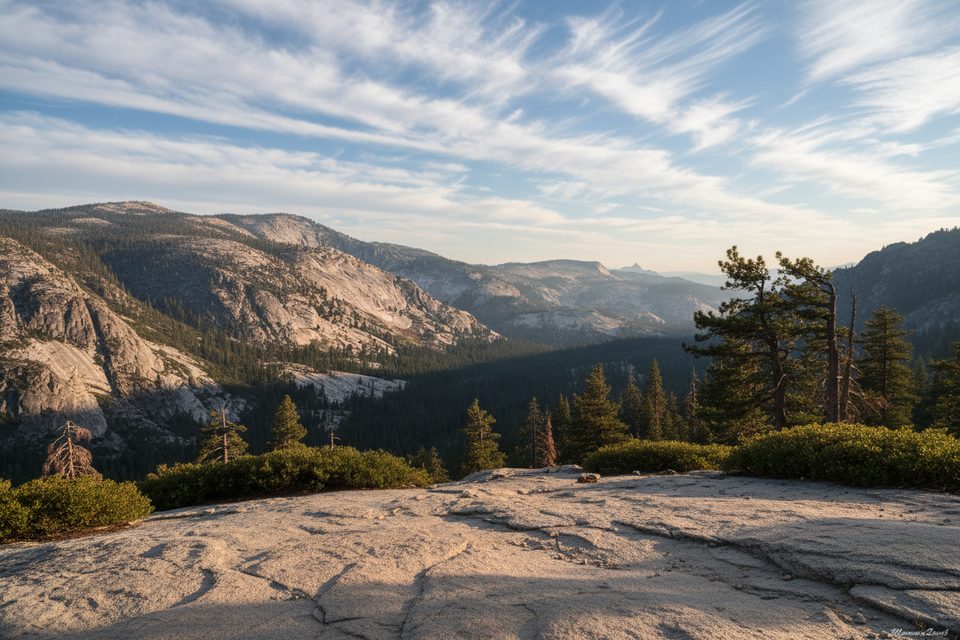
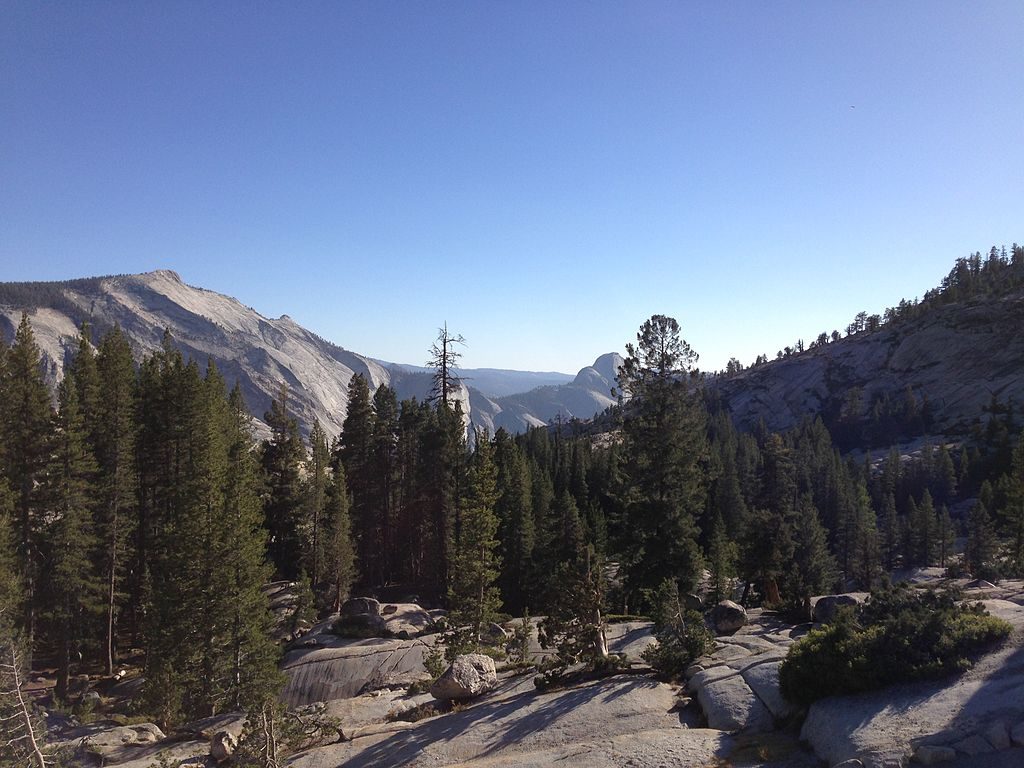
Along the climb, peekouts offer glimpses down Tenaya Canyon and, with a brief, cautious off-trail detour near a lone ponderosa, a quick look at Half Dome. Up at the lakes, polished granite slabs, domes, and talus frame compact, clear water—more intimate than the big-water views below. Pre-dawn can be magical here: dead-calm “black mirror” reflections and starry skies if you’re camping.
Early season can bring snow patches, icy footing on the switchbacks, and a potentially wet crossing at the Tenaya Lake outlet. As summer deepens, conditions mellow but mosquitoes can be intense—especially early in the morning on the lower miles—before tapering later in the season. Wildflowers are most common before August.
Upper Sunrise Lake is a popular night-one camp on longer itineraries. Follow wilderness rules and camp well away from shorelines; use a bear-resistant canister for all food. Black bears live here (bear spray isn’t permitted in the park), so keep an immaculate camp. Water is available from the lakes and creeks—always filter or treat. When open, Sunrise High Sierra Camp (about 1–1.5 miles beyond) has pit toilets and a spigot, though hikers still recommend treating water and not relying on facilities 100%.
If you’re up for the effort, Upper Sunrise Lake rewards with a quieter slice of Yosemite’s high country. The climb is real, but the payoff—serenity, clean granite, and easy side trips to the other lakes—makes it a strong choice for hikers who prefer intimate alpine scenes over marquee crowds.
Start early to snag parking and to tackle the climb in cool air. Early summer brings bigger water and greener meadows (plus more bugs); late summer through early fall typically means easier crossings and fewer mosquitoes. For photos, aim for calm mornings or the golden light before sunset; backpackers get stellar star reflections in the pre-dawn hours.
Place · 0 mi away
Place · 1.3 mi away
Place · 1.7 mi away
Place · 1.9 mi away
Challenging · 1.6 mi away
Moderate · 1.9 mi away
Easy · 2 mi away
Challenging · 2 mi away

Parkwolf Tour Guide
