
Place · 0.4 mi away
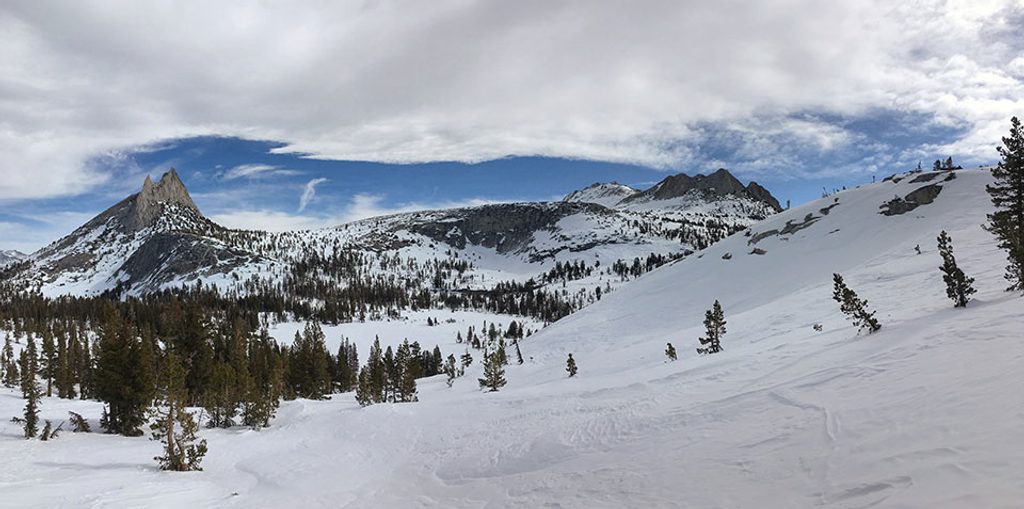
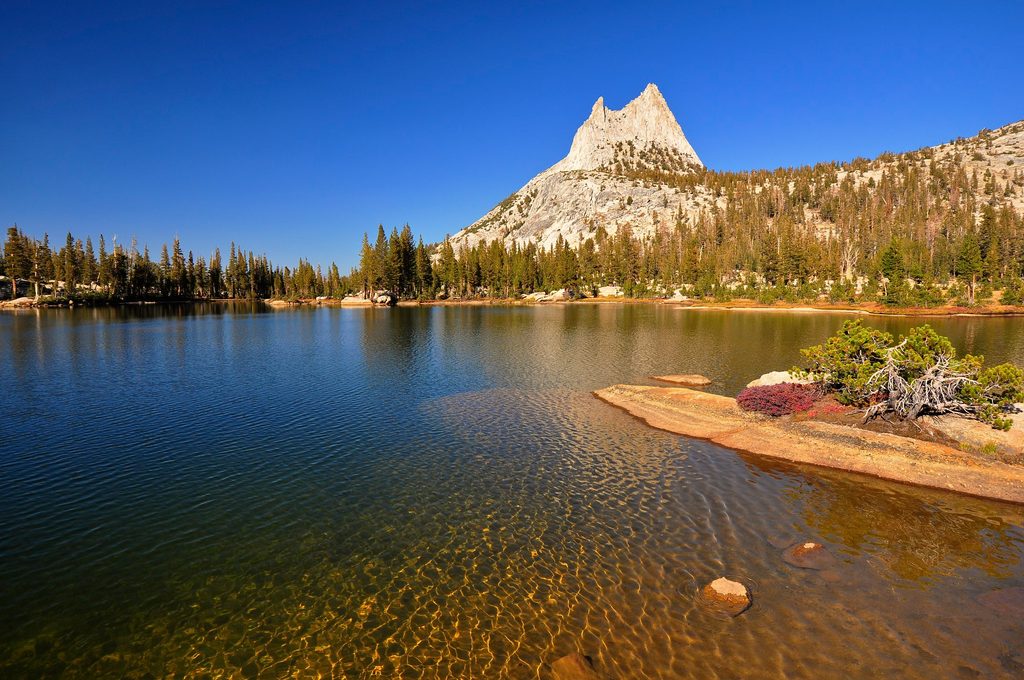
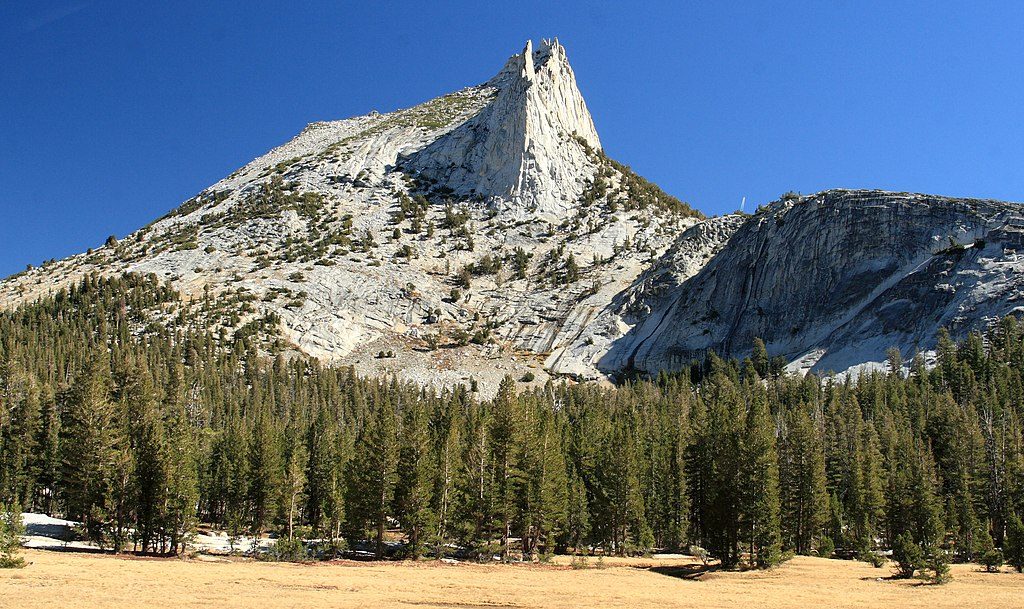
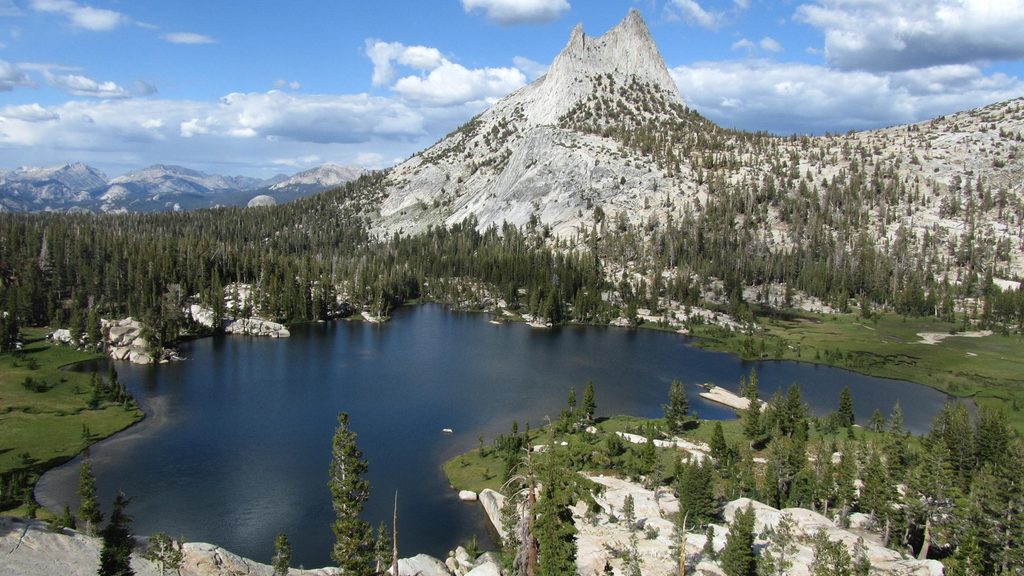
Upper Cathedral Lake is a serene alpine basin framed by gleaming granite and the spires of Cathedral Peak. It’s the payoff after a steady climb from Tuolumne Meadows—a peaceful place to linger, snack, or set up a permitted overnight camp.
The standard route follows the John Muir Trail from Tuolumne Meadows. Expect most of the climbing in the first half, with elevation starting around 8,500 feet and topping out near 9,600 feet. Around 3 miles in, the trail forks: the upper/left fork continues to Upper Cathedral Lake, while the right fork drops to Lower Cathedral Lake. The Upper Lake trail passes roughly 100 meters east of the shoreline—look for obvious use paths to reach the water.
Parking has shifted in recent seasons: plan to park at the Tuolumne Meadows Visitor Center lot, which adds about 0.5 mile each way to the hike. Restrooms are available at the trailhead area. The path is mostly forested mixed gravel/granite with roots, and many hikers note there isn’t much to see until you reach the lakes.
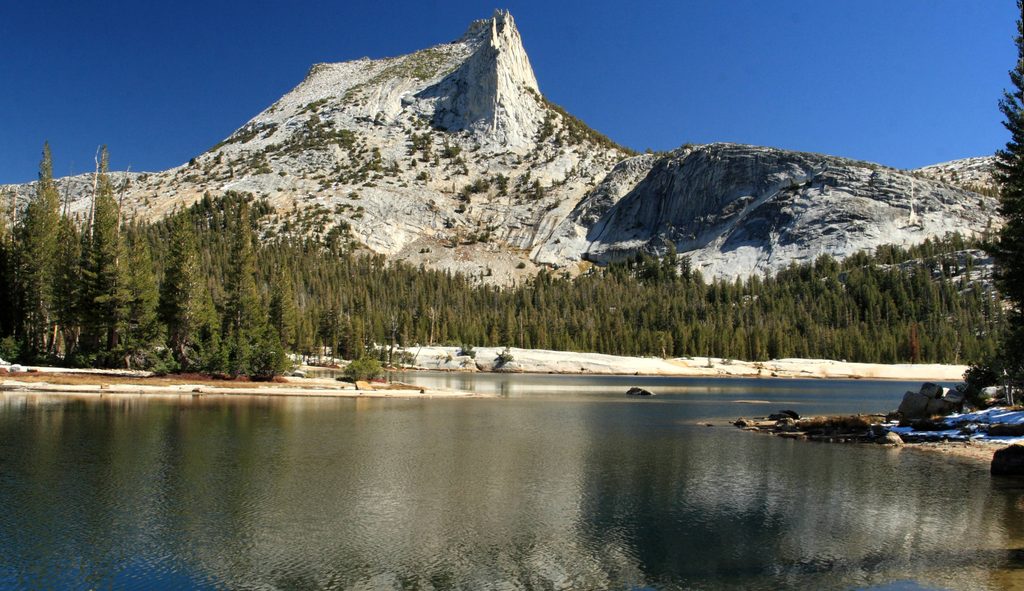
The star is Cathedral Peak rising beyond a clear, cold alpine lake. Expect classic High Sierra granite slabs, sandy patches, and seasonal meadows that can burst with wildflowers. Photographers should walk along the shoreline to find compositions that include both the lake and Cathedral Peak.
Go when Tioga Road is open—typically mid‑summer into fall. Mid‑July through mid‑October is the most reliable window, with colder nights by mid‑September. Summer afternoons can bring thunderstorms; start early. Early season can be buggy in meadowy sections, so pack repellent.
No permit is needed for day hikes, but overnight trips require a Yosemite wilderness permit. Bear‑resistant canisters are required, and campfires are prohibited in the Cathedral Lakes basin. Popular camps sit among trees and sandy pockets on the south side of Upper Cathedral Lake, with additional sheltered spots in trees on the north side. Water is plentiful at the lake (treat or filter), but limited on the way in. Expect no cell service.
Altitude makes the steady grade feel tougher—pace yourself and hydrate. Thunderstorms are possible; avoid ridgelines and water during lightning. Mosquitoes can be fierce early season. Stay on established paths (especially through meadows) to protect fragile terrain. Practice Leave No Trace: keep washing and bathroom duties well away from the lake and streams.
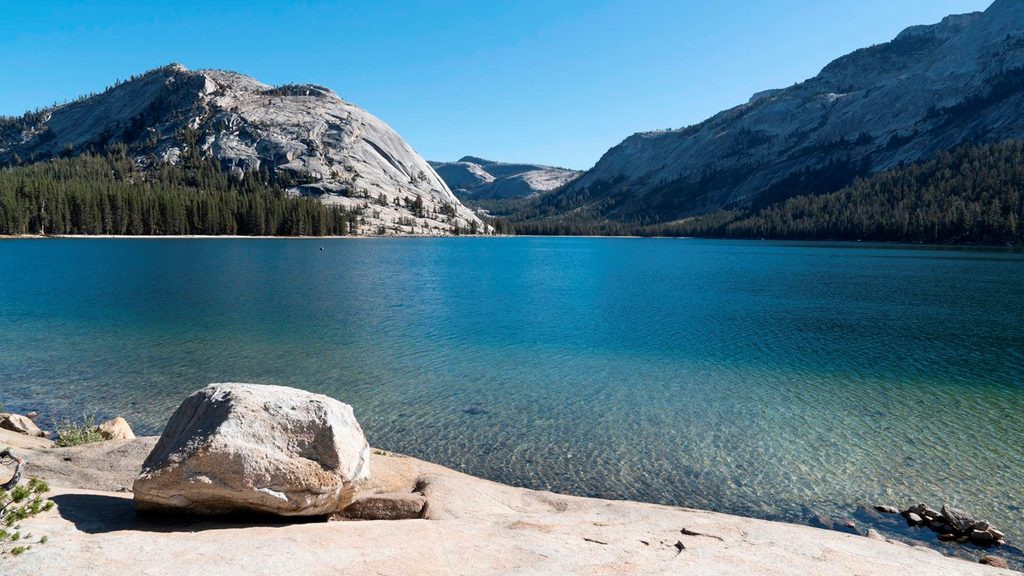
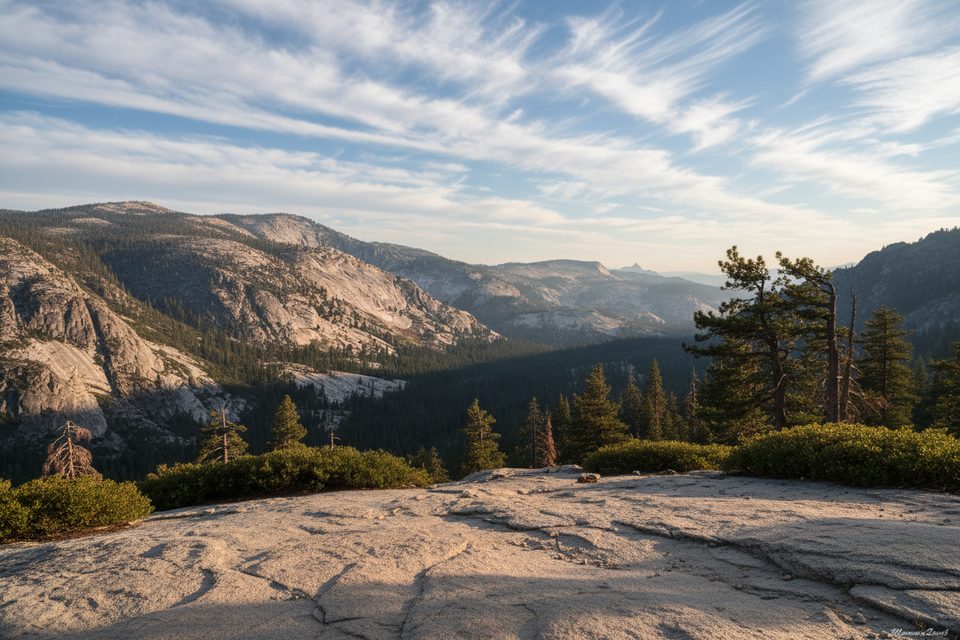
This high country scene—granite domes, polished slabs, and U‑shaped basins—was sculpted by glaciers that carved Yosemite’s granite over millions of years, atop the rising Sierra Nevada.
Place · 0.4 mi away
Place · 0.6 mi away
Place · 0.7 mi away
Place · 0.8 mi away
Easy · 2 mi away
Moderate · 2.6 mi away
Challenging · 2.9 mi away
Moderate · 2.9 mi away

Parkwolf Tour Guide
