
Place · 0.3 mi away
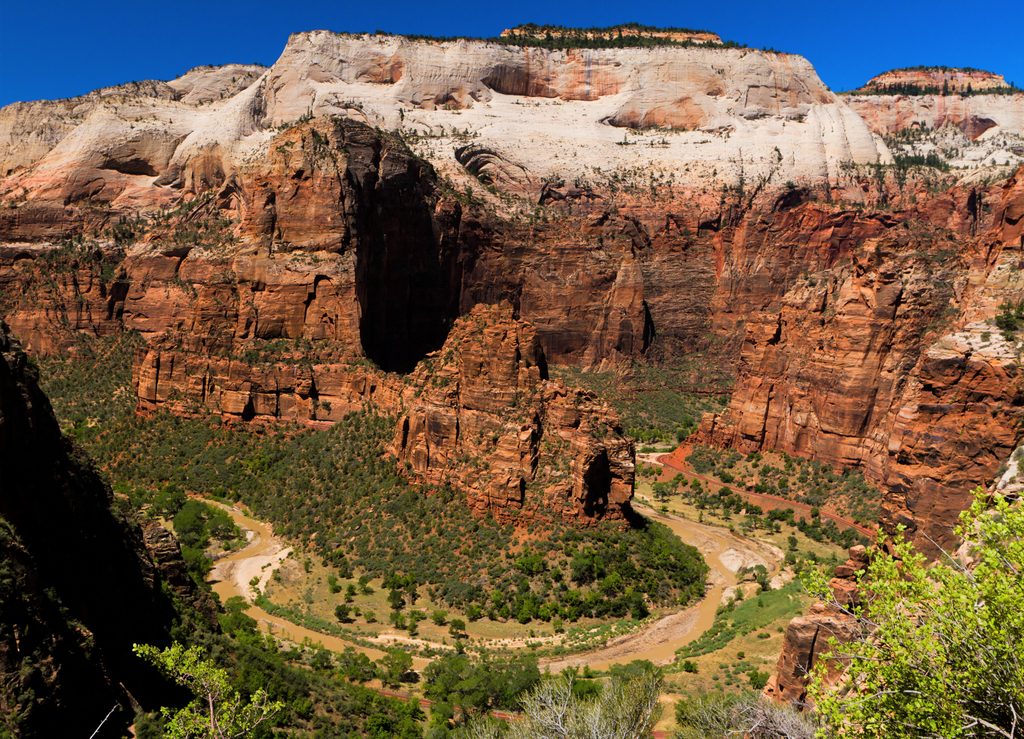
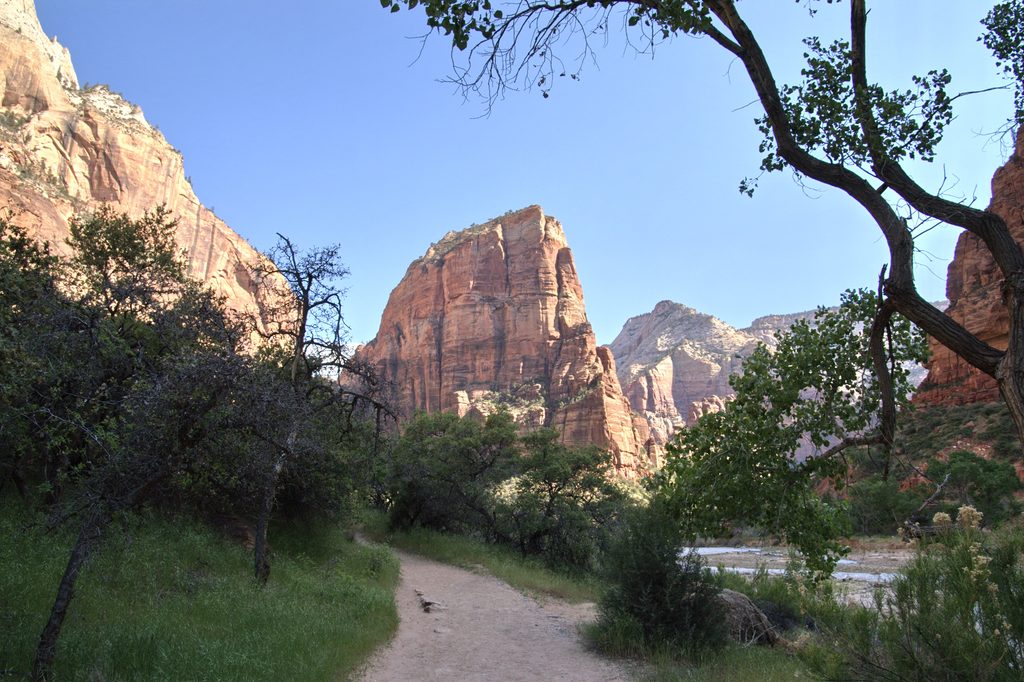
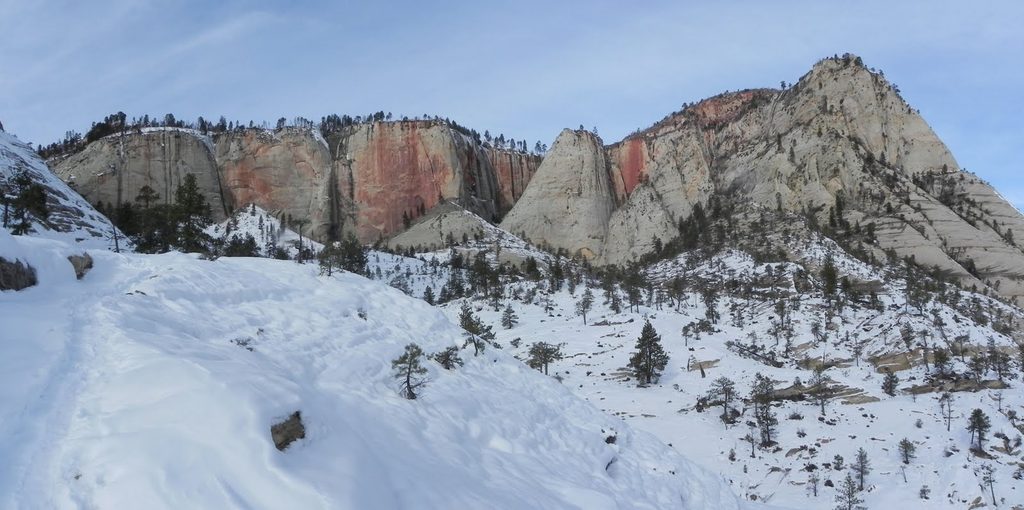
Cathedral Mountain is one of Zion’s signature Navajo Sandstone summits, rising roughly 2,500 feet above the North Fork of the Virgin River. You don’t hike to it so much as you admire it from across the canyon—its pale, towering walls sit just north of Angels Landing, with Refrigerator Canyon between them. The mountain’s south tip, called The Spearhead, is prominently visible from the Zion Lodge area.
You’ll get standout views without needing to climb:
There isn’t a dedicated Cathedral Mountain trailhead, parking area, or sign. Treat it like a marquee landmark you appreciate from established trails and shuttle-accessible stops.
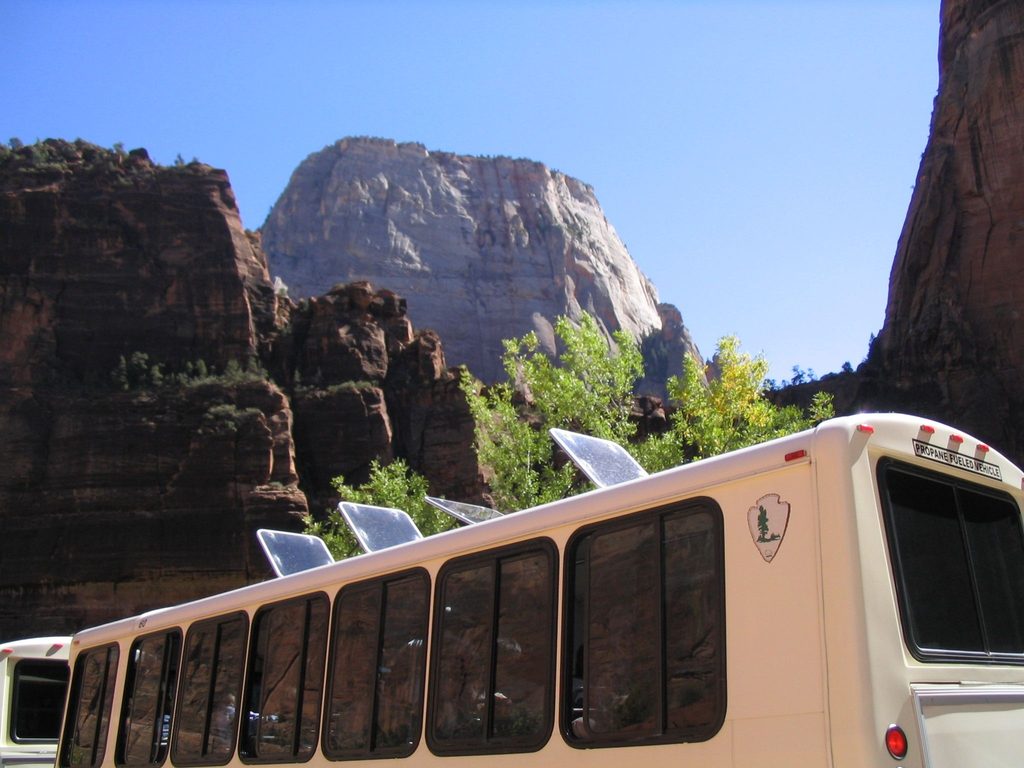
From spring through fall (generally March–November), private vehicles are typically not allowed on Zion Canyon Scenic Drive. Park at the Zion Canyon Visitor Center and use the shuttle to reach viewpoints and trailheads like The Grotto (for the West Rim/Scout Lookout approach). Parking fills early in peak seasons—arrive as early as you can and always check the current shuttle schedule before you go.
There is no maintained trail to Cathedral Mountain’s summit. Reaching it involves exposed, technical terrain and is not a casual hike. Enjoy it from designated trails and viewpoints unless you’re a skilled climber with up-to-date route information and conditions. Rockfall and erosion are part of the landscape here—stay alert and respect closures.
Cathedral is classic Zion: massive, light-colored Navajo Sandstone—ancient windblown dunes that lithified into towering cliffs. Zion sits on the uplifted Colorado Plateau within the broader “Grand Staircase” of rock layers; over time, the Virgin River carved deeply into these strata, continuously sculpting the canyon’s walls and spires you see today.
The name “Cathedral Mountain” was applied in 1922 and officially adopted in 1934. The first recorded ascent came in 1931 by Walter, Fritz, and Rudolph Weidner.
The most comfortable temperatures arrive in spring and fall, thanks to the area’s cold semi-arid climate. During shuttle season, midweek visits and early starts help with crowds and parking at the Visitor Center. For photography, clear days highlight the pale Navajo Sandstone and dramatic relief across the canyon from popular viewpoints.
Place · 0.3 mi away
Place · 0.4 mi away
Place · 0.6 mi away
Place · 0.7 mi away
Easy · 0.9 mi away
Challenging · 0.9 mi away
Challenging · 1.2 mi away
Challenging · 1.2 mi away

Parkwolf Tour Guide
