
Place · 0.4 mi away
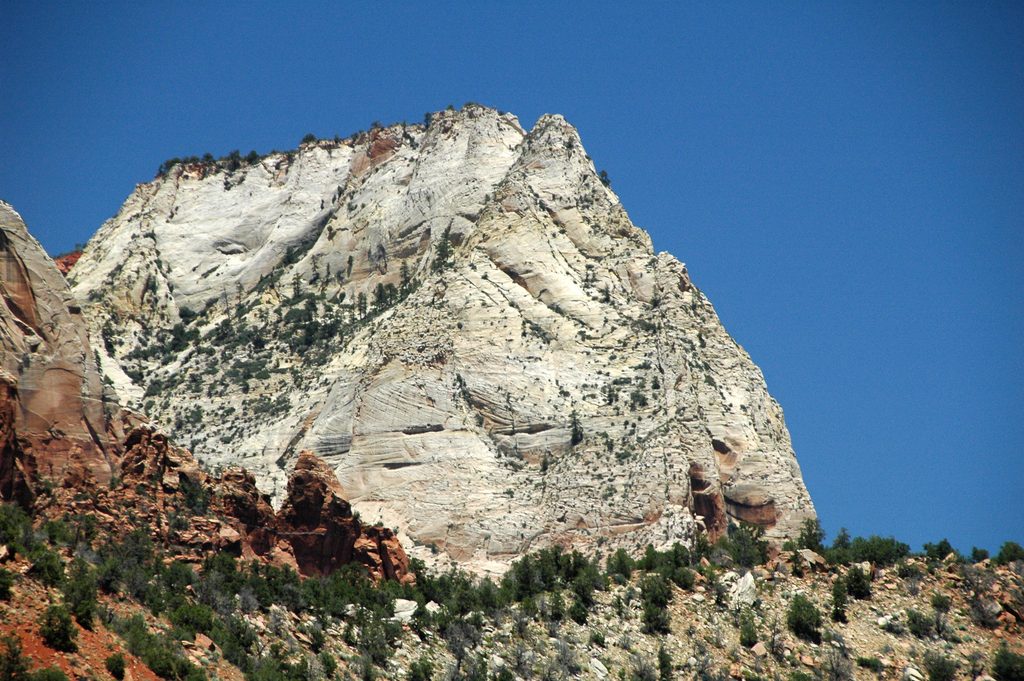
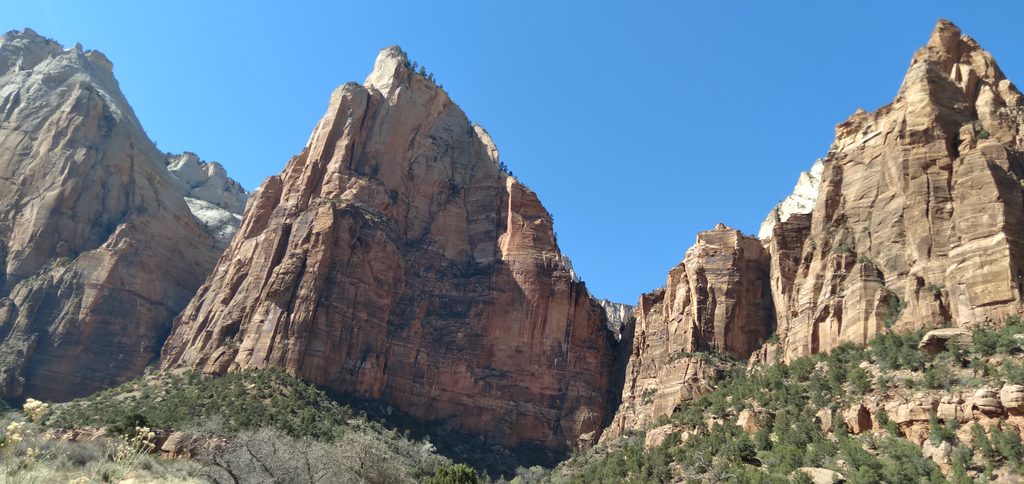
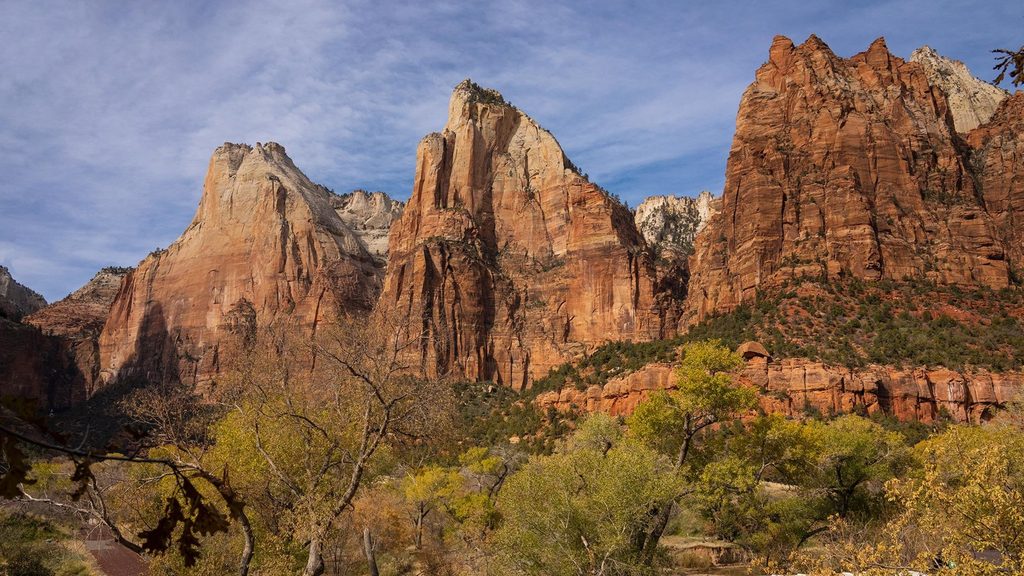
Jacob Peak isn’t a signed summit hike—it’s shorthand for the technical Jacob Canyon descent tucked among the Court of the Patriarchs. If you’re here, you’re probably chasing a big, rugged day: steep, exposed scrambling to the head of the canyon, then a full-value sequence of rappels and downclimbs that ends near the main canyon floor. It’s challenging, remote in feel, and better suited to dialed teams comfortable rebuilding anchors and managing long rope systems.
Think technical canyoneering, not a trail. The standard approach climbs the historic, unmaintained Lady Mountain route—roughly 2,700 feet of gain in about a mile—then traverses into Jacob Canyon. Inside, expect a mix of rappels (about 13 total), intricate downclimbs, and a scenic narrows section with debris that can snag ropes. The crescendo is a big, clean wall with a 240 ft rappel, followed by a final drop to the wash near Court of the Patriarchs.
Best in fall; a short spring window can work if snow/ice has melted from higher reaches (~6,900 ft). Summer heat is oppressive on this south-facing line, and any rain quickly amplifies approach hazards and the long slab/downclimb to the penultimate station. Plan conservatively and favor cool, dry forecasts.
A Zion canyoneering permit is required for this descent. Start early, keep group size tight and capable, and practice Leave No Trace: minimize new hardware, rebuild anchors thoughtfully, and pack out everything. The park’s wilderness management emphasizes protecting fragile canyon environments—your rigging choices and travel style matter.
It’s backcountry enough that you may spot mule deer, bighorn sheep, raptors, or reptiles on approach and exit. Observe from a distance and keep the canyon corridor quiet—wildlife moves more naturally when we do.
Choose clear, cool days in fall or a stable late-spring window. Start before sunrise to bank daylight and beat heat. Weekdays are calmer. This isn’t a golden-hour overlook; aim more for safe conditions than photography light.
Place · 0.4 mi away
Place · 0.4 mi away
Place · 0.5 mi away
Place · 0.5 mi away
Moderate · 0.4 mi away
Easy · 0.4 mi away
Moderate · 0.4 mi away
Moderate · 0.4 mi away

Parkwolf Tour Guide
