
Place · 0 mi away
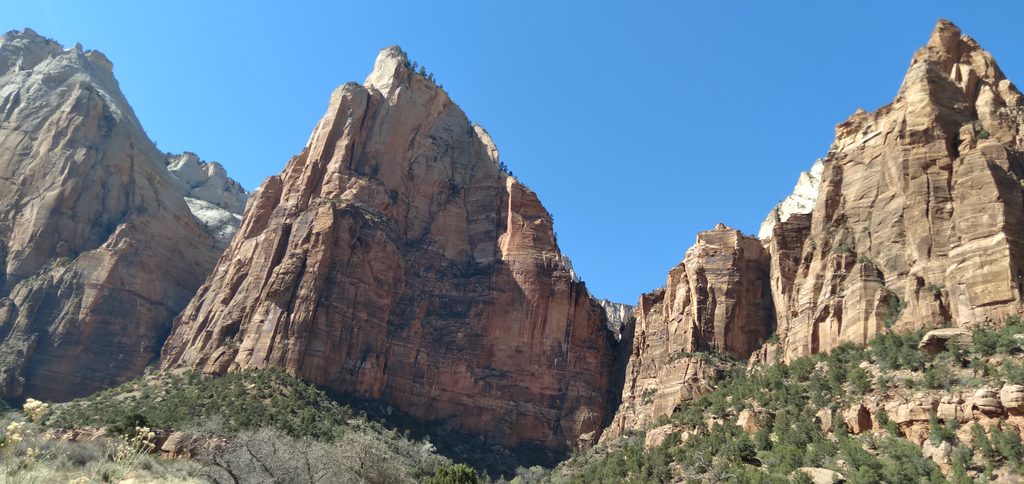
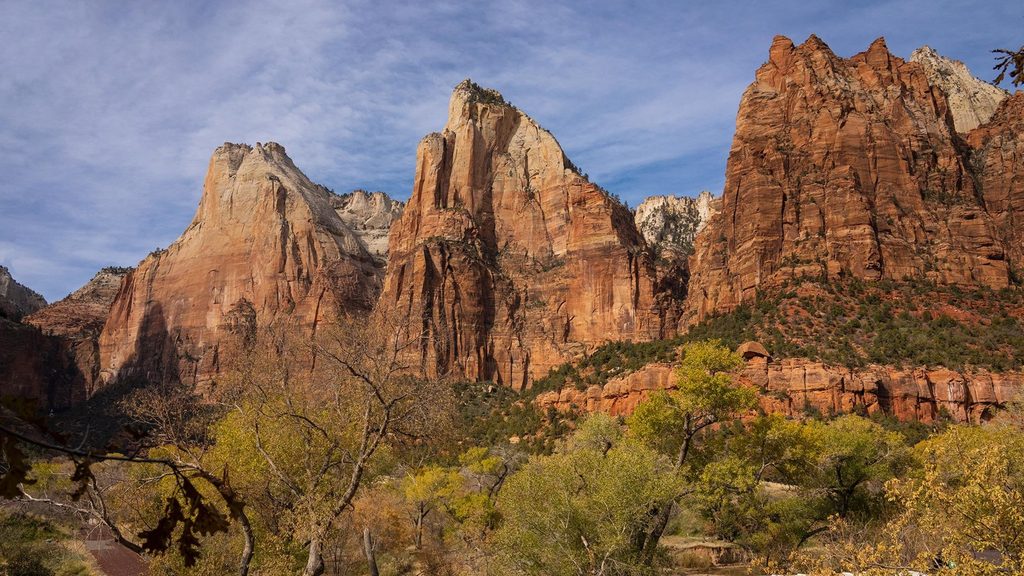
Isaac Peak is the middle titan of the Three Patriarchs, soaring directly above the heart of Zion Canyon. You don’t hike to the summit on a park trail—most visitors simply admire it from the canyon floor, where it dominates skylines and photos. If you’re a climber, Isaac is a storied big‑wall objective; for everyone else, it’s a striking landmark best appreciated from signed viewpoints along the main canyon road and shuttle route.
Isaac is a massive tower of Navajo Sandstone—ancient wind‑blown dunes that solidified into cross‑bedded rock. Uplift of the Colorado Plateau and relentless erosion by the Virgin River carved the sheer‑walled canyon and isolated spires like the Patriarchs. Expect an ever‑changing landscape: rockfall, landslides, and flash‑flood‑shaped features are part of the ongoing story.
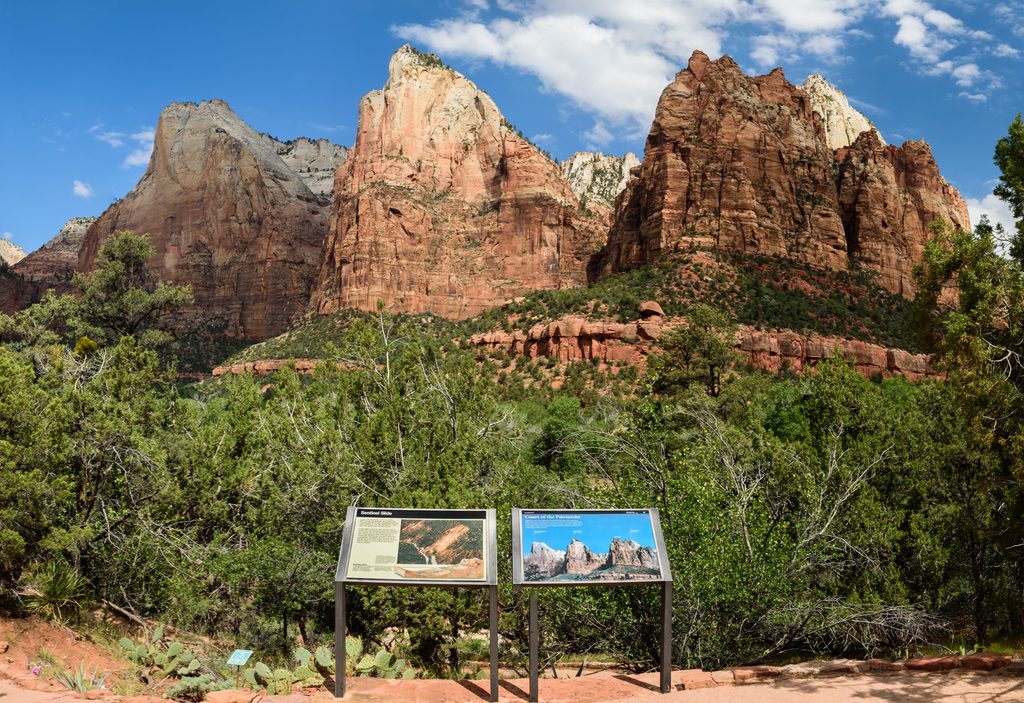
You’ll get classic looks at Isaac from stops along the main Zion Canyon corridor, including the signed Court of the Patriarchs viewpoint. From March through November, this corridor is typically shuttle‑only; parking fills early at the Visitor Center and midday shuttle lines grow, so start early. If you’re basing nearby, the closest established facilities are at Zion Lodge and The Grotto (restrooms; water at The Grotto).
Isaac hosts long, serious sandstone routes (think big days and aid or hard free climbing). Rock quality is fragile when wet—give the walls extra drying time after storms. Isaac and nearby cliffs are known raptor nesting areas; seasonal closures are common, so check current park closures before you rack up. Approaches and adjacent canyons involve advanced, technical terrain and should only be attempted by experienced parties with the right gear and plans.
Raptors soar these walls, and nesting is exactly why closures occur—keep an eye out overhead. The broader canyon supports mule deer, bighorn sheep, and a wide variety of birds; enjoy the sightings from a respectful distance and never feed wildlife.
Flash storms can trigger flash floods in narrow drainages and rockfall from cliffs. Check the forecast, avoid committing canyons when storms threaten, and give sandstone ample time to dry after rain.
Place · 0 mi away
Place · 0.3 mi away
Place · 0.5 mi away
Place · 0.8 mi away
Moderate · 0.9 mi away
Easy · 0.9 mi away
Moderate · 0.9 mi away
Moderate · 0.9 mi away

Parkwolf Tour Guide
