
Place · 0.9 mi away
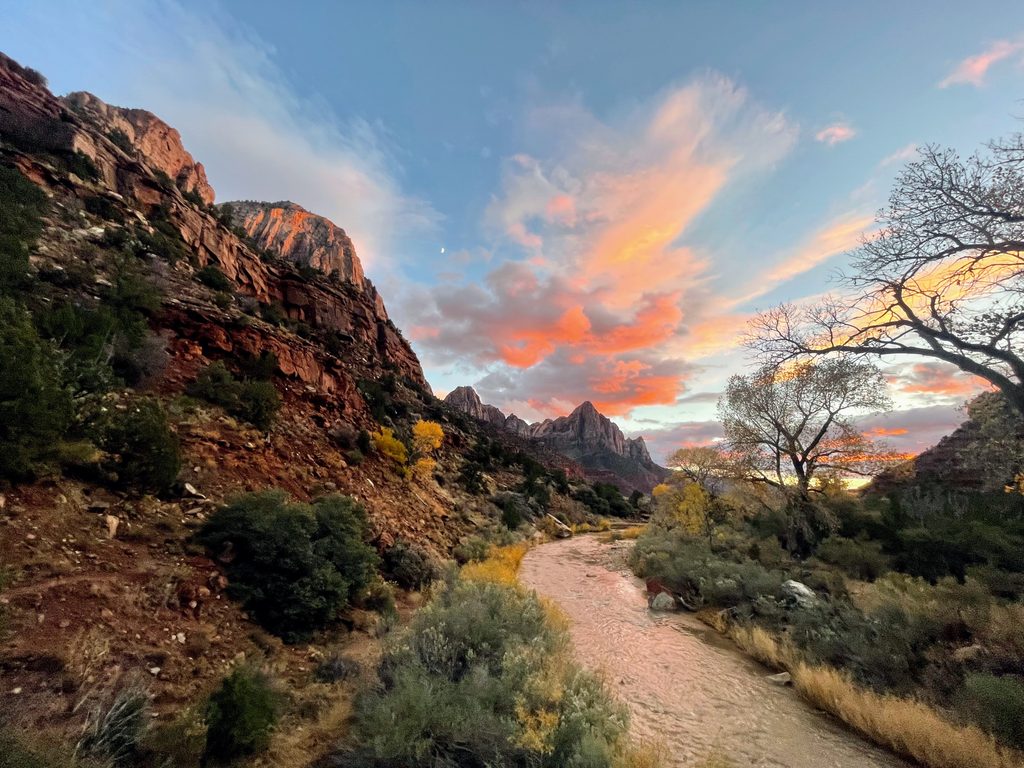
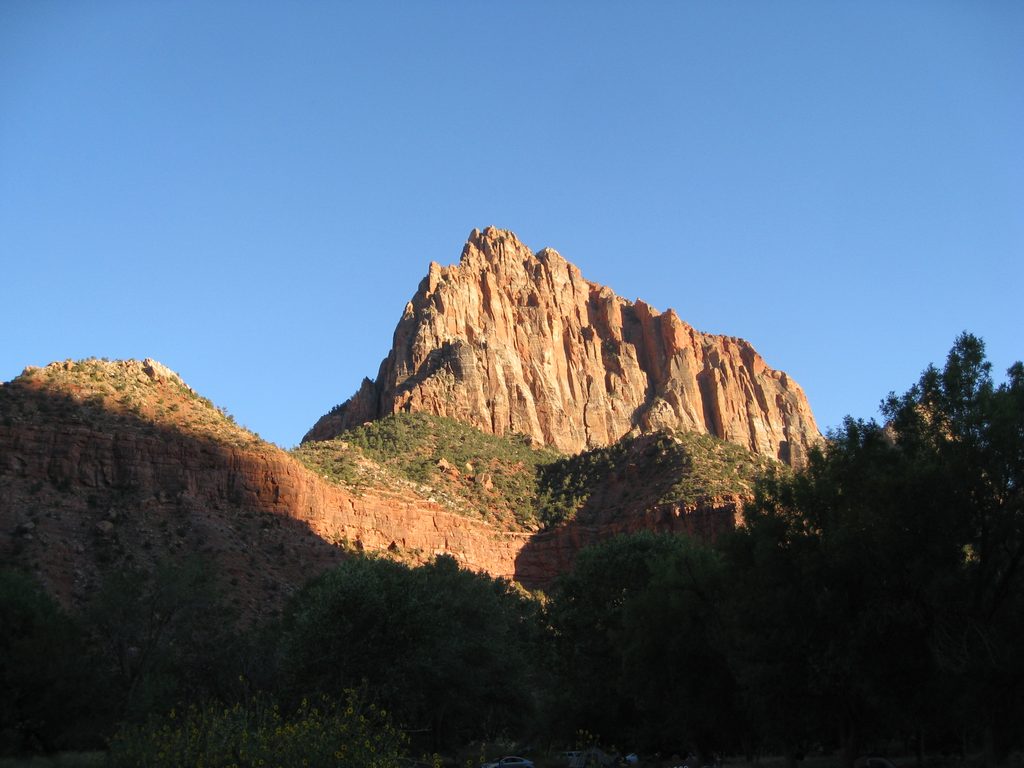
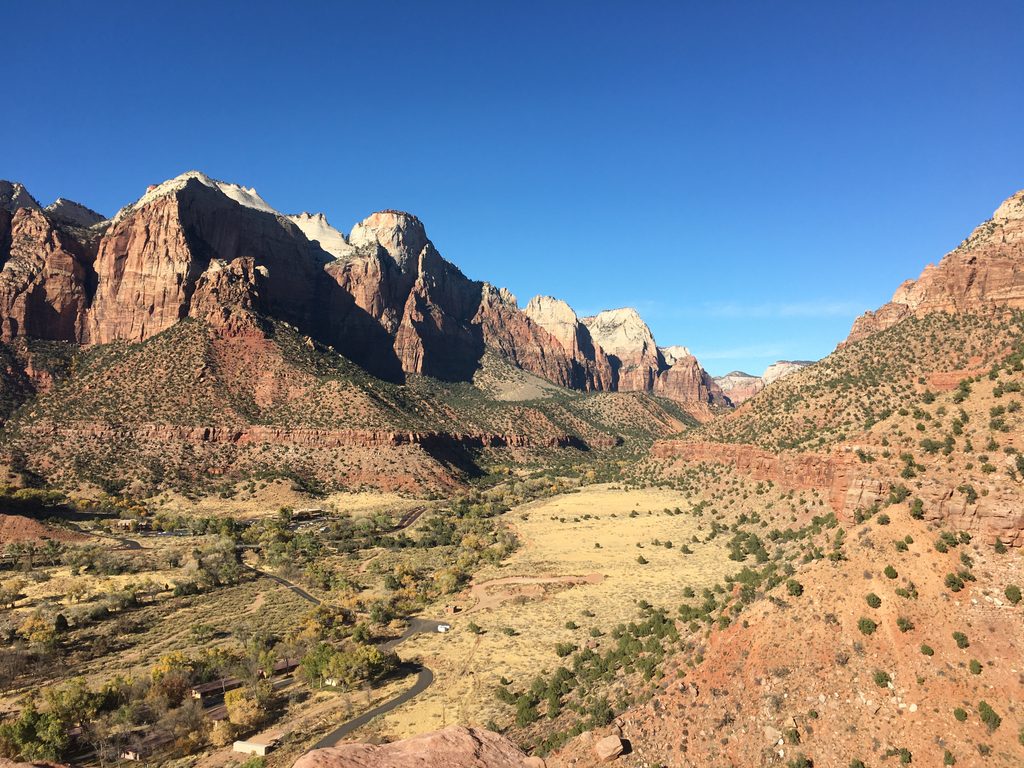
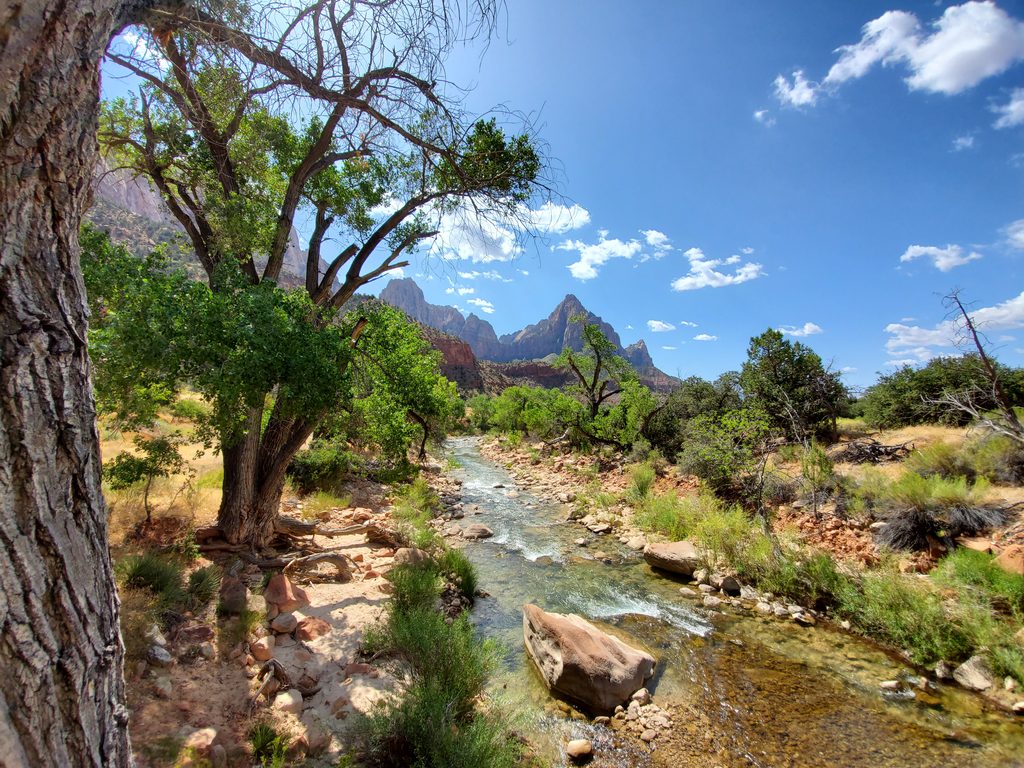
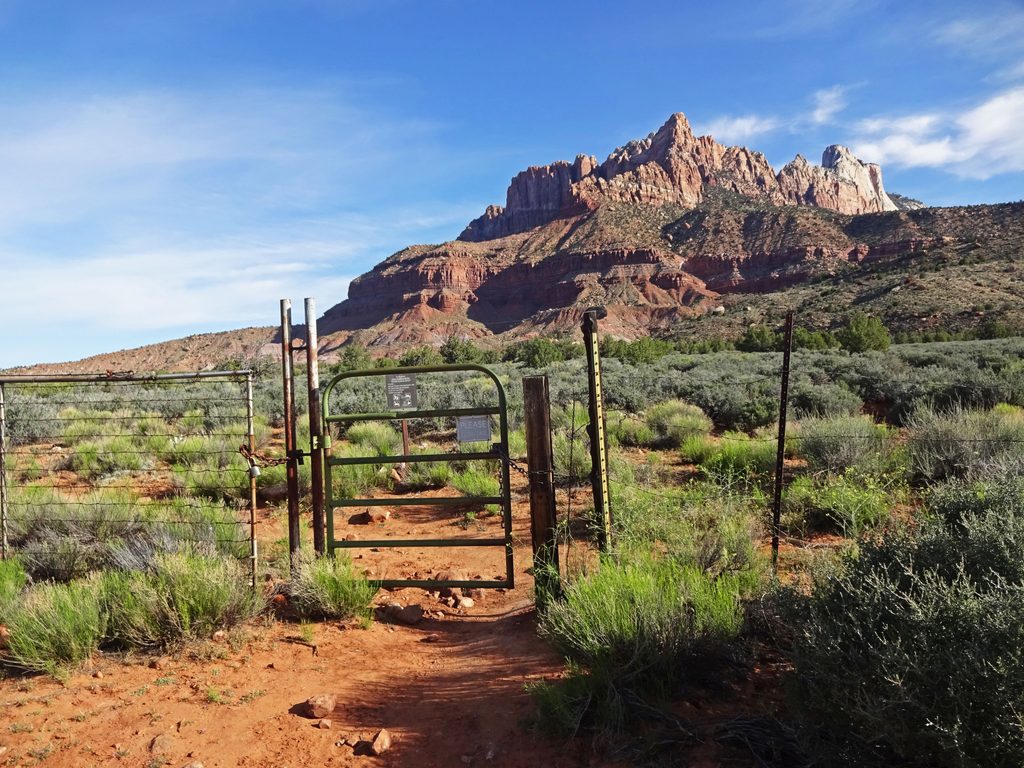
The Watchman is a 6,545‑foot sandstone summit that seems to stand guard at the park’s South Entrance. It’s one of the park’s signature silhouettes and easiest to appreciate via the Watchman Trail, which leaves right from the Visitor Center area. Expect sweeping views over Springdale, the Virgin River corridor, and the lower canyon.
This is an out-and-back walk with a small loop at the top, roughly 3.2–3.3 miles round trip and about 600–650 feet of gain. It’s unpaved, sandy and rocky in places, with some moderate drop‑offs—rated moderate by the park. Most hikers take around 2 hours. The climb is steady and exposed; good footwear, sun protection, and plenty of water make it much more pleasant. No permit is required for this hike.
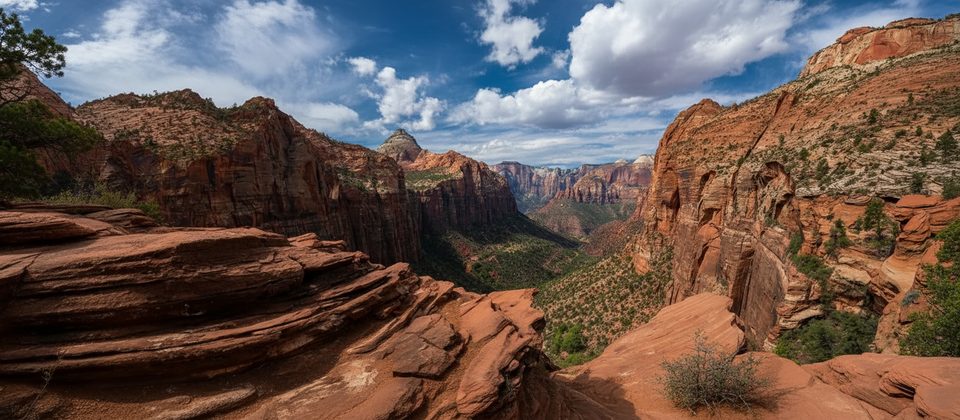
Views improve steadily as you ascend: red and white cliffs framing the canyon, the meanders of the Virgin River, and ever-better angles of The Watchman itself. You don’t need to reach the very end to be rewarded, but the loop at the top offers the most expansive panorama.
The Watchman is capped by Navajo Sandstone above slopes of the Kayenta Formation—classic Zion geology shaped by uplift and the carving power of the Virgin River. Along the trail, watch for mule deer, lizards, squirrels, and a variety of desert birds among sun‑baked slabs and hardy shrubs.
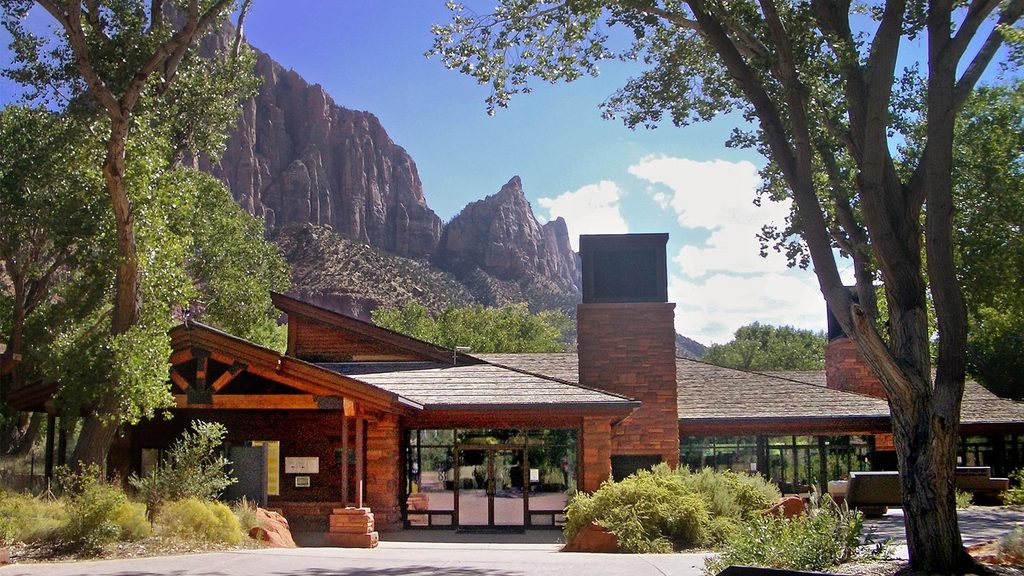
Start at the Zion Canyon Visitor Center near the South Entrance; it’s a short walk to the signed trailhead. There are restrooms and drinking water at the Visitor Center and adjacent campground, but no facilities on the trail. Parking at the Visitor Center fills early most days; during shuttle season, consider parking in Springdale and walking or taking the town shuttle to the Visitor Center.
Heat is the biggest challenge—this route is mostly in full sun. Mornings are cooler and may offer some early shade on the ascent. After rain, the silty lower sections can turn slick and muddy; it’s wise to choose a different hike in wet conditions. Thunderstorms can also create hazardous conditions in the canyon—check the forecast.
Spring and fall bring the most comfortable temperatures. Go early for cooler temps, easier parking, and softer light; late afternoon and sunset can be gorgeous, too. If you linger for sunset, bring a headlamp for the descent. This trail sees steady use but is typically less crowded than the park’s marquee hikes.
Place · 0.9 mi away
Place · 1.1 mi away
Place · 1.1 mi away
Place · 1.1 mi away
Easy · 1.1 mi away
Moderate · 1.2 mi away
Easy · 1.2 mi away
Moderate · 2.7 mi away

Parkwolf Tour Guide
