
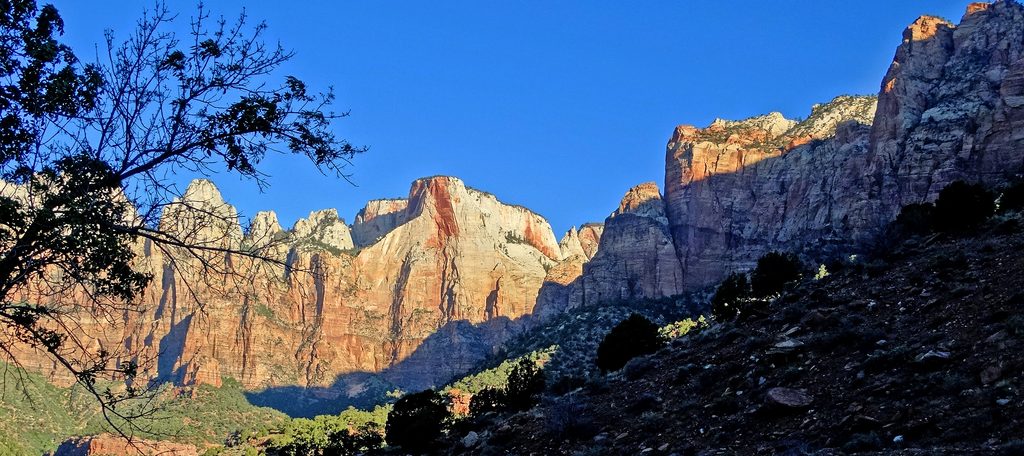
Place · 1 mi away
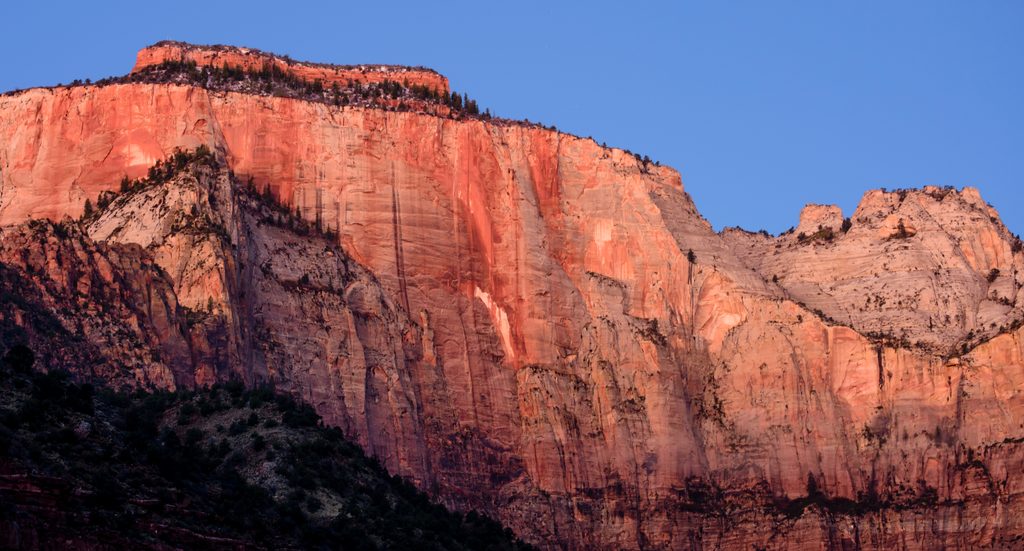
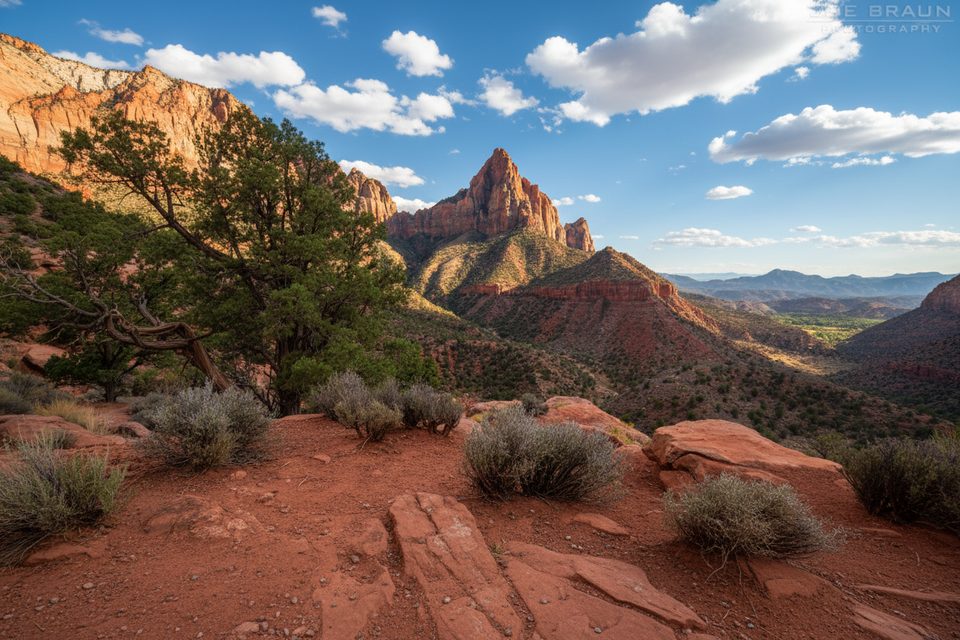
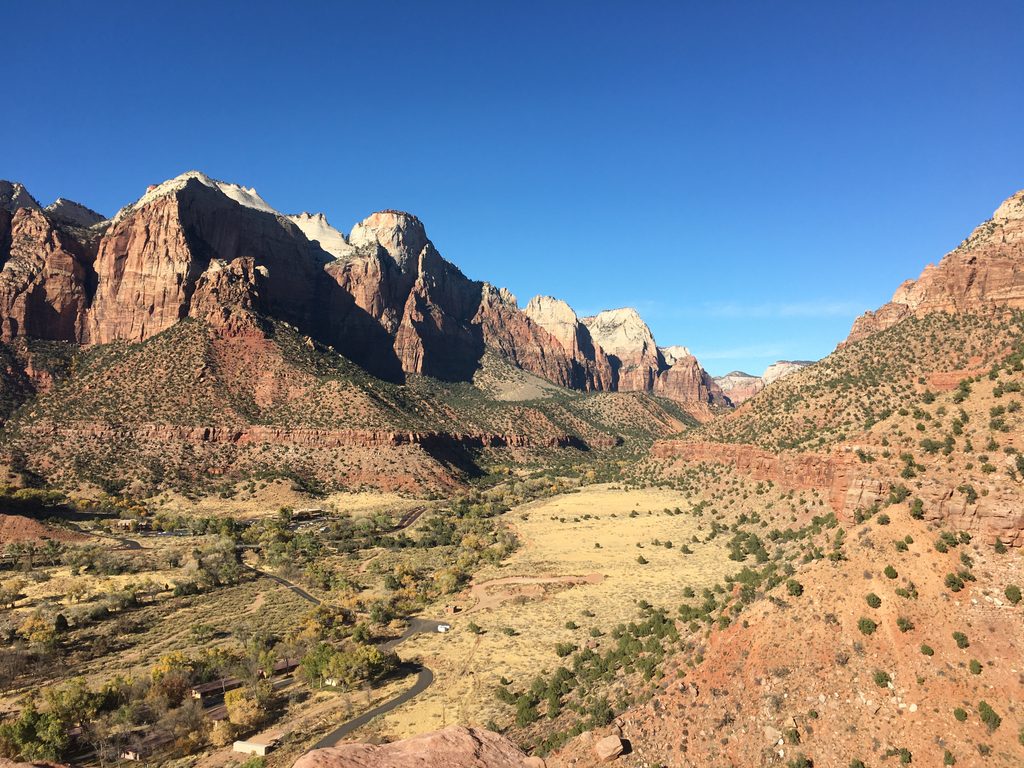
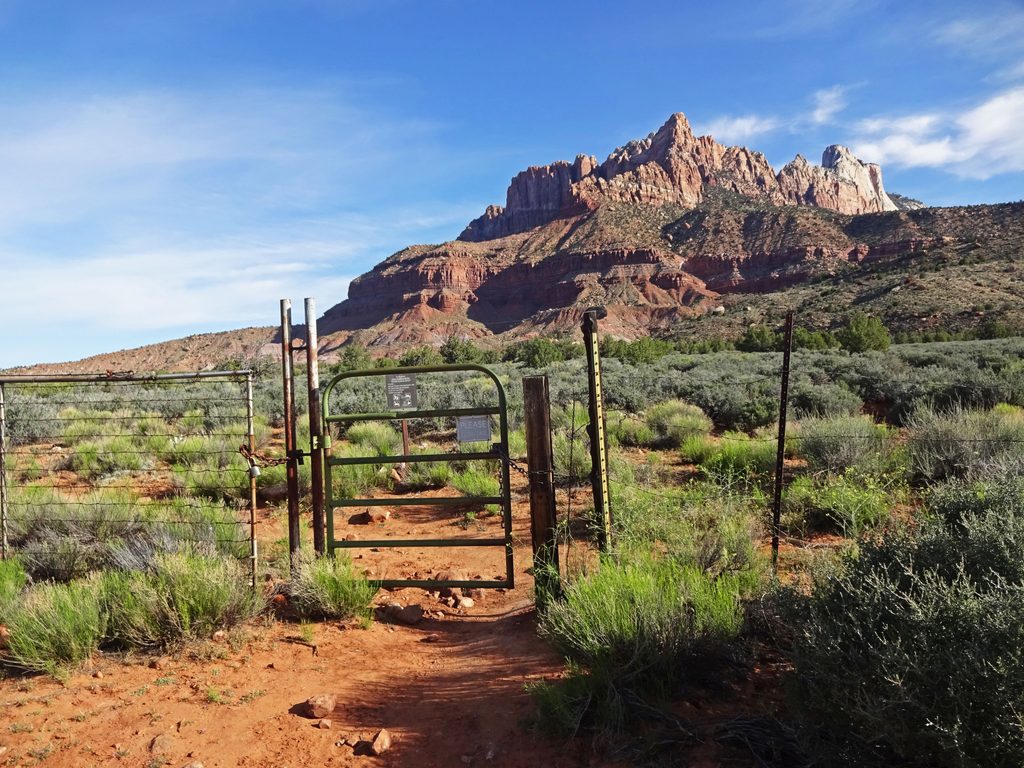
West Temple is the pale, skyline-dominating monolith that towers above Springdale at the south end of the canyon. There’s no official hiking trail to the summit—ascents are serious, technical mountaineering—so most visitors enjoy it as a signature backdrop from the valley floor.
Tip: When shuttles are operating, use them to hop between viewpoints without the parking headache.
It’s mostly Navajo Sandstone—ancient wind‑blown dunes—topped by a thin, iron‑rich Temple Cap Formation that helps armor the summit. After long periods of deposition and uplift, the Virgin River exploited joints and weaker layers to carve Zion Canyon, leaving freestanding giants like West Temple. A late volcanic footnote nearby left dark basalt contrasting with the pale cliffs.
Sheer walls and varied microhabitats around West Temple support cliff‑nesting raptors and a mix of desert-plateau plants. Bring binoculars and keep an eye on posted raptor nesting closures that can affect cliff areas.
There’s no signed trailhead, parking, water, or toilets specifically for West Temple. Unofficial approaches often involve private/residential roads—be respectful and legal. Rockfall and erosion are real; avoid lingering beneath steep walls. If you’re a climber, sandstone is weak when wet and seasonal closures may apply.
Late afternoon through golden hour is when the cross‑bedded sandstone really pops. On busy days, arrive early to find parking at the Visitor Center and rely on the shuttle to move around. Summer heat is intense—plan your photo strolls for early or late in the day.
Place · 1 mi away
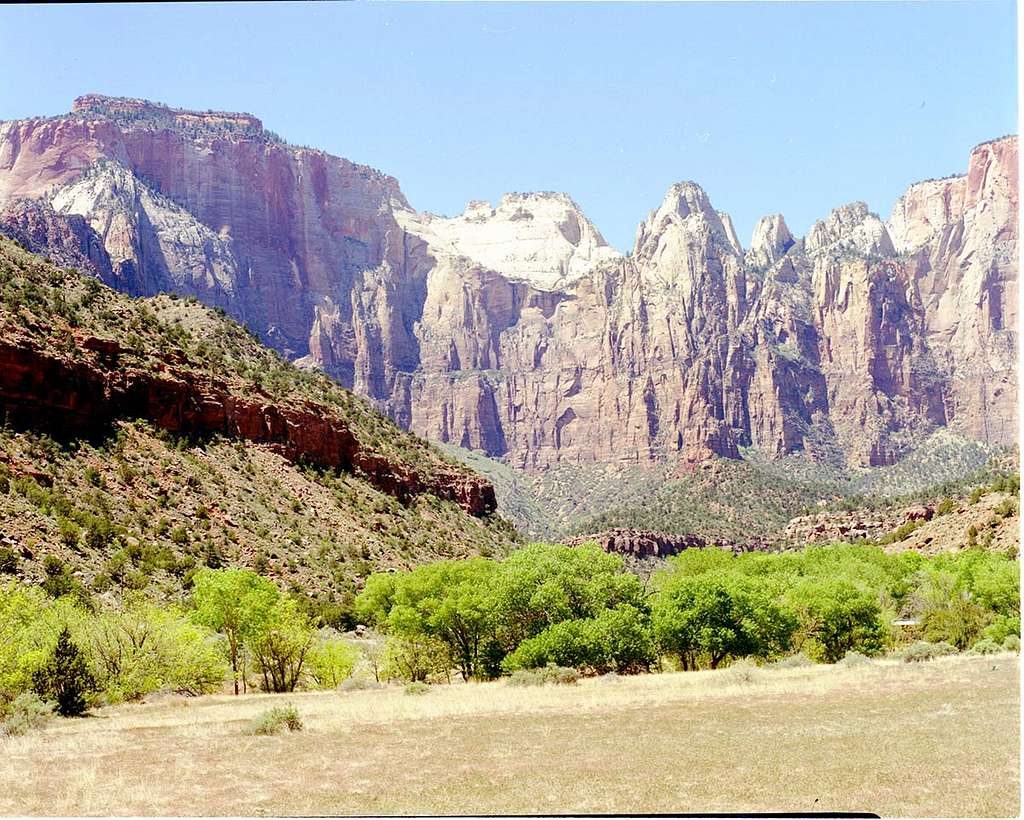
Place · 1.5 mi away
Place · 1.9 mi away
Place · 2 mi away
Easy · 1.9 mi away
Moderate · 2 mi away
Easy · 2 mi away
Moderate · 3.4 mi away

Parkwolf Tour Guide
