1 active Abel Tasman alert
- ClosureRoad resealing closures near Kaiteriteri, 29–30 OctoberExpect rolling closures on roads near Kaiteriteri from 6am to 8pm on Thursday 29 and Friday 30 October while crews reseal the roads.Official details
Sight · Abel Tasman National Park
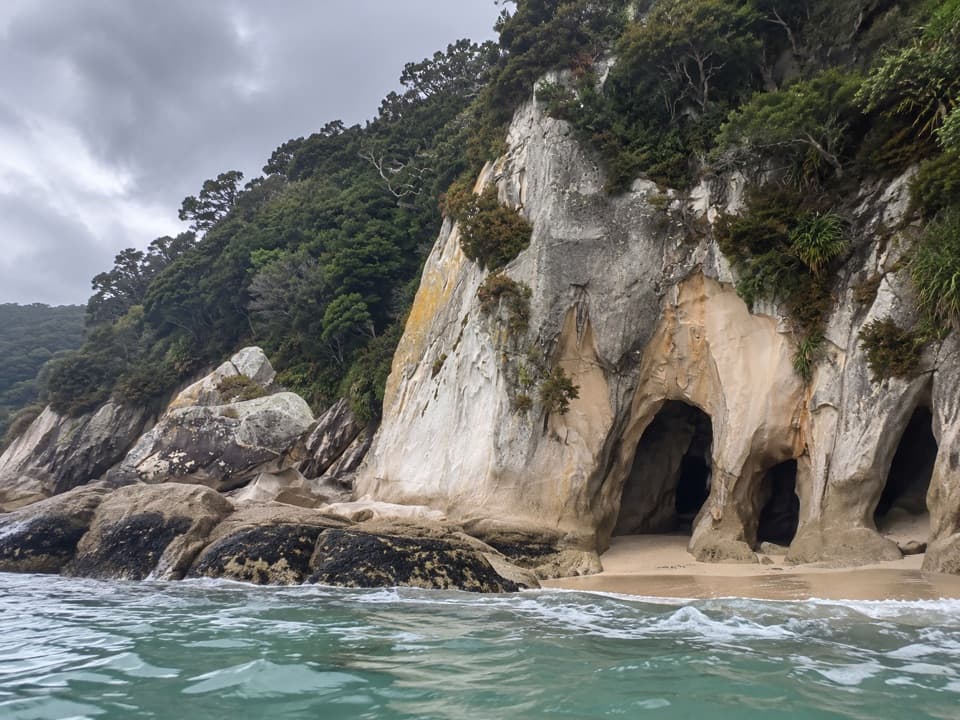
Paddle through the granite arch when tide and sea allow.
Overview
Map
Plan your stop
The highest, rockiest slopes around here are a summer buffet for grizzly bears.
Abel Tasman Tour Guide
Parkwolf is a GPS audio tour guide for Abel Tasman National Park. As you drive, it chimes in with what’s ahead: hidden gems, upcoming stops, history, geology, and wildlife, right through your car’s speakers.
More stories near here in the app
“Fantastic app with many points of information… It’s great to just turn on while you’re driving and it gives you an audio tour of the national Park. We love it!!!!”


Guide
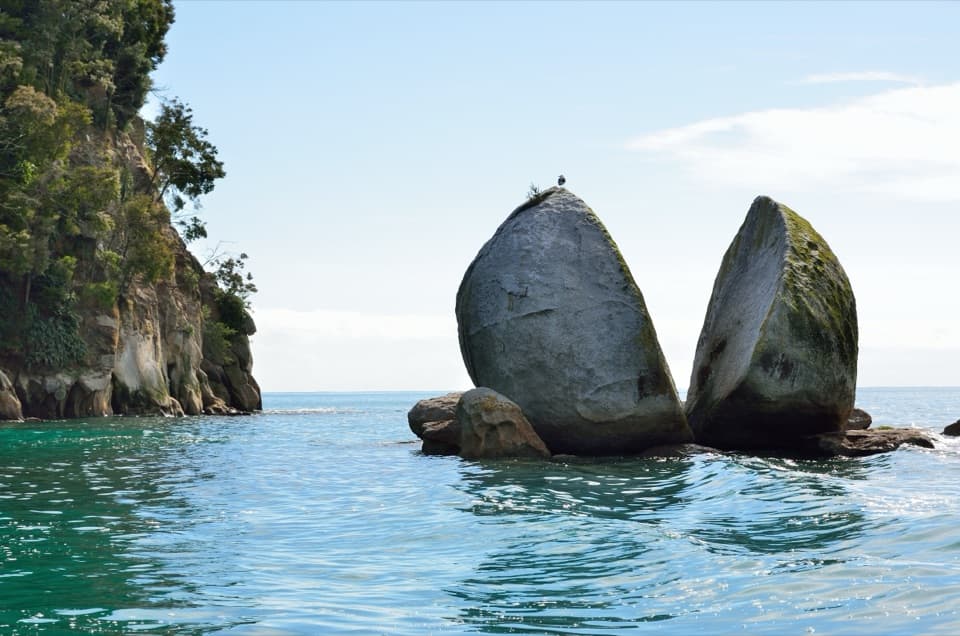
Tonga Arches is a group of naturally eroded granite openings at Tonga Bay, near the old Tonga Quarry headland. Pale rounded walls close around narrow dark passages at the shoreline. If a kayak or water taxi is already part of your Abel Tasman day, this is a distinctive close look at the coast; it is difficult to reach without a boat.
At low tide, the openings may be walk-throughs; at higher water, kayak trips sometimes paddle through. These are tide-dependent opportunities, not a promise of safe passage. Follow local conditions and your operator’s advice, especially around unmarked reefs and changing tides.
Nearby Tonga Quarry was incorporated in 1904. Granite from the beach was shipped by scow to Wellington for the old Parliament building and to Nelson for the Cathedral steps. The quarry’s wharf and discarded blocks belong to that neighboring site, not to the arches themselves.
Plan to arrive by boat or kayak; there is no direct road access to the formation. Water-taxi skippers generally pause here, and guided kayaking through the middle of the park may include a stop, so confirm the route and sea conditions before setting out. For a photo, let the opening frame the water from low down; if you pass through, look back to catch the granite edge around the sea.
Wildlife
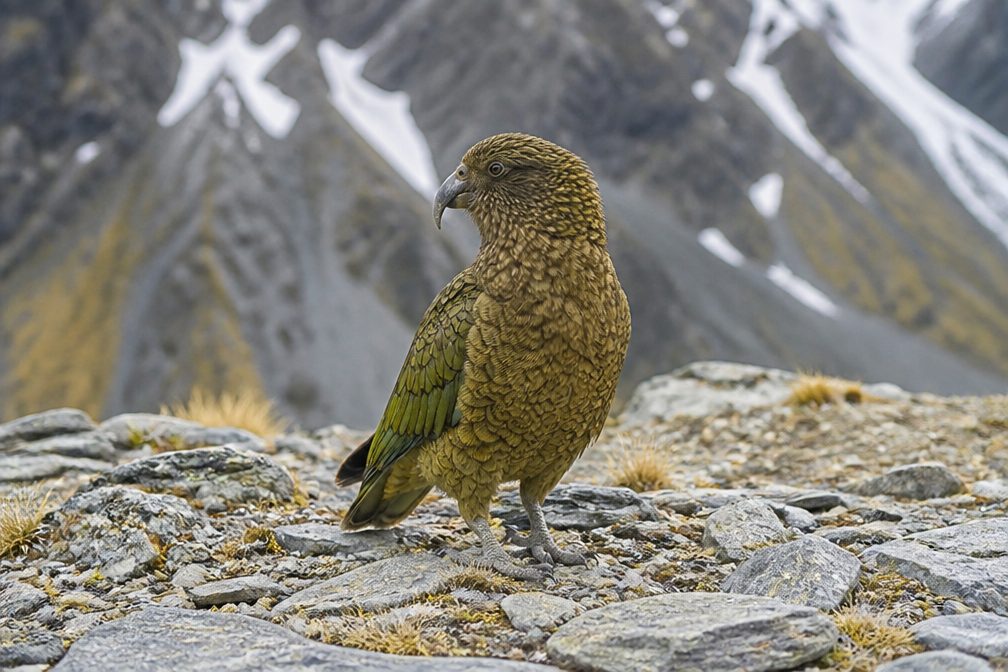 10 sightingsKeaMost seen around 10 AMSighting map
 54 sightingsNew Zealand Fur SealMost seen around 10 AMSighting map
 20 sightingsLittle PenguinMost seen around 9 PMSighting map
 21 sightingsSouth Island KākāMost seen around 5 PMSighting map
 527 sightingsWekaMost seen around 9 AMSighting map
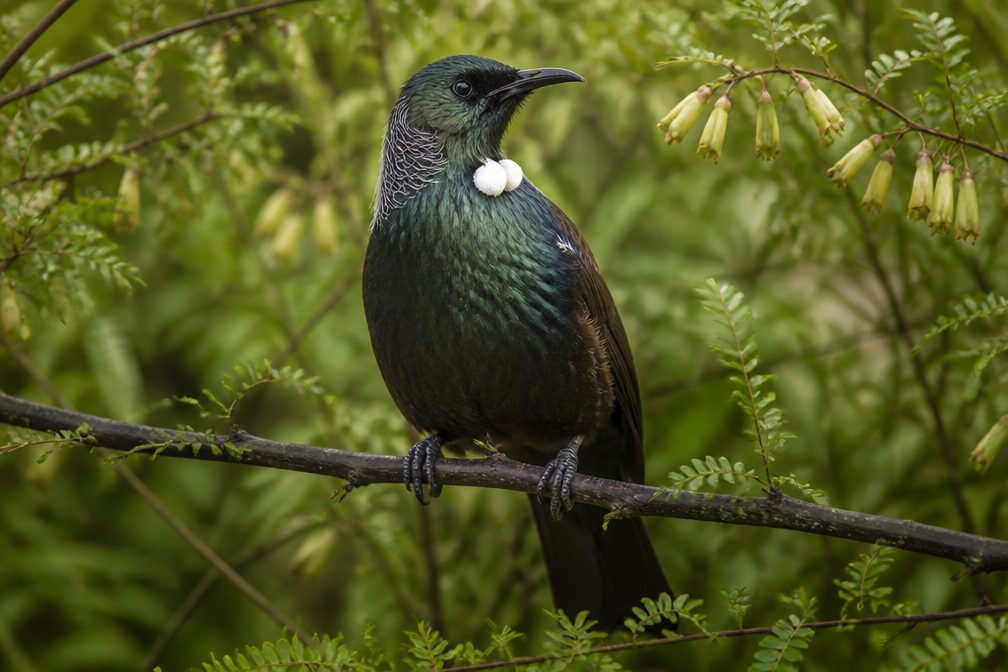 16 sightingsTūīMost seen around 7 AMSighting map
Sighting maps show where each species has been reported across Abel Tasman. Wildlife moves, so no sighting is guaranteed.
Keep exploring
 ModerateOnetahuti Bay to Awaroa Hut7.1 km · 2.5 hr · 1.9 km awayA wetland boardwalk leads to a ridge above Onetahuti Bay.
 ModerateBark Bay to Onetahuti6.1 km · 2 hr · 2 km awayA quarry relic, forested ridges, and a long crescent beachModerateBark Bay to Awaroa13.5 km · 4.5 hr · 2 km awayA coastal one-way Great Walk through quarry, beach and forest.
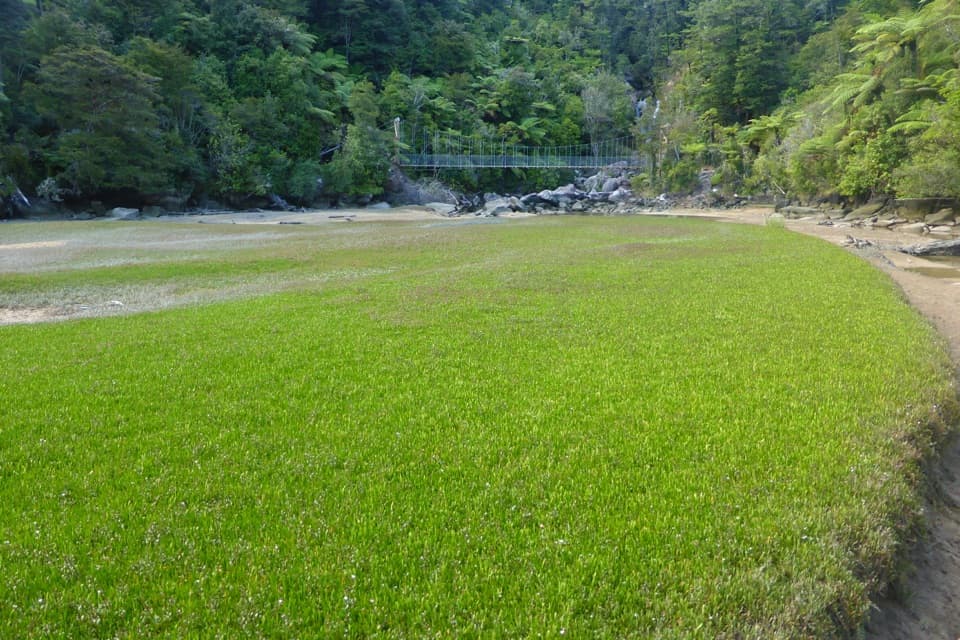 EasyBark Bay Waterfall Trail4 km · 1 hr · 2.5 km awayA short forest walk to a waterfall and a suspension bridge.
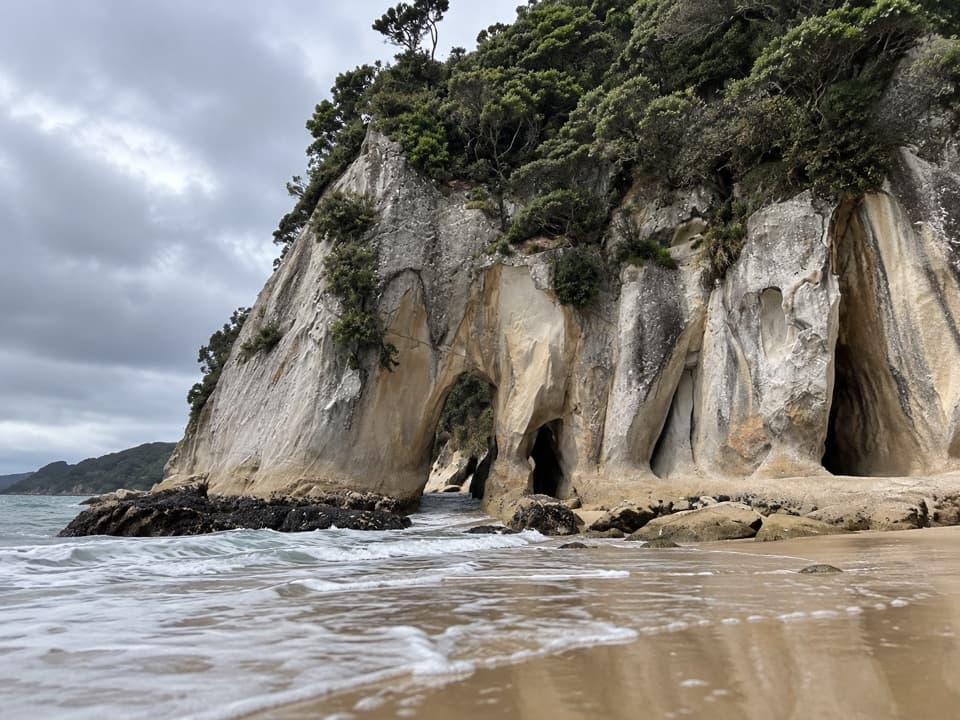 ModerateTonga Arches Walk12.6 km · 5.5 hr · 3.9 km awayA remote Coast Track outing toward low-tide granite arches
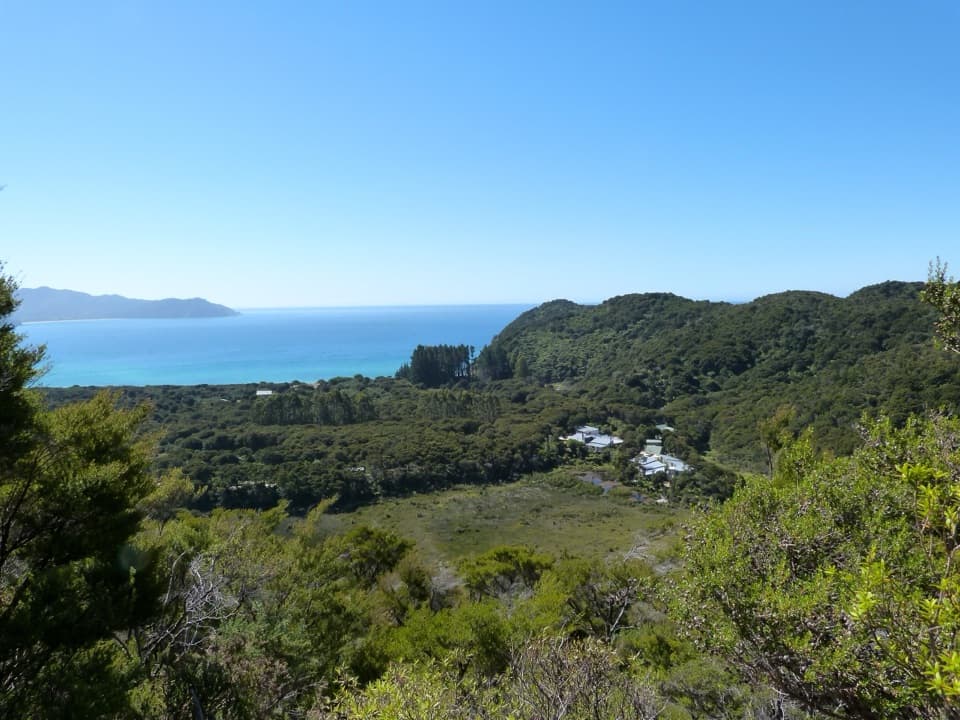 ModerateSky Track1.9 km · 1 hr · 4.1 km awayA short hill climb to a broad Awaroa Bay view.
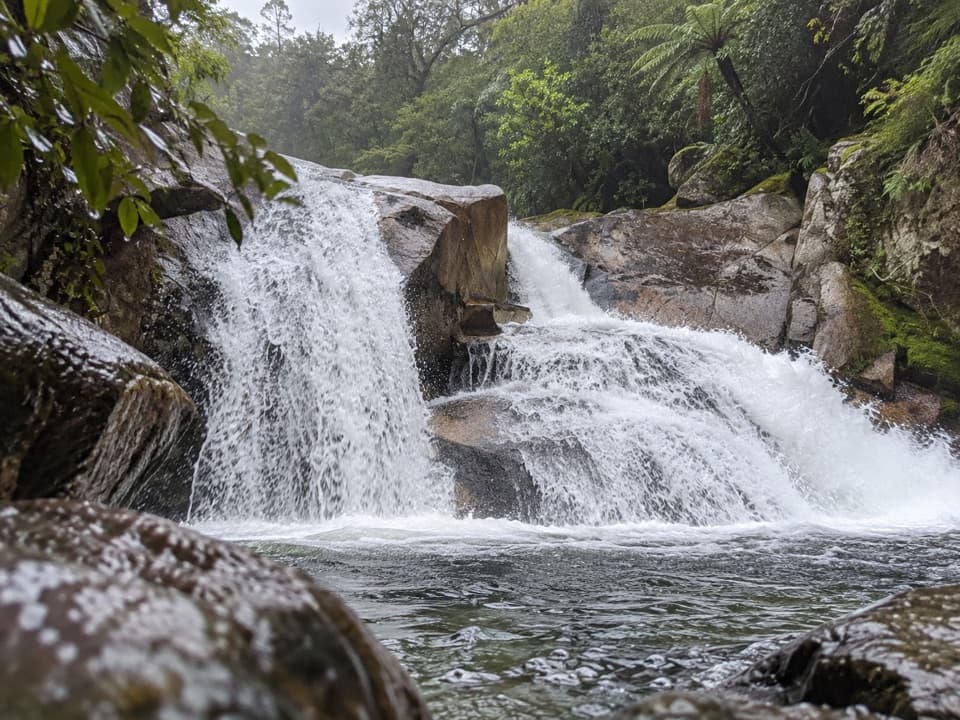 ModerateCascade Falls Track2.6 km · 1 hr · 5.4 km awayA steep forest spur to a waterfall hidden off the Coast Track.
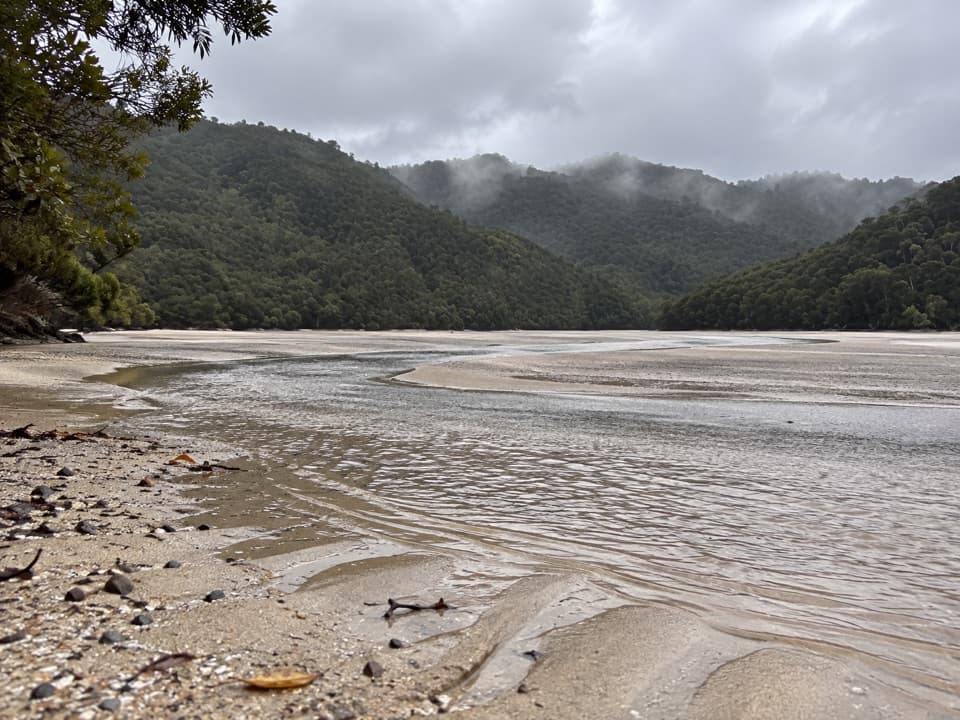 ModerateFalls River Track7 km · 3 hr · 5.5 km awayA steep climb to blue pools beyond the Cascade Falls spur.
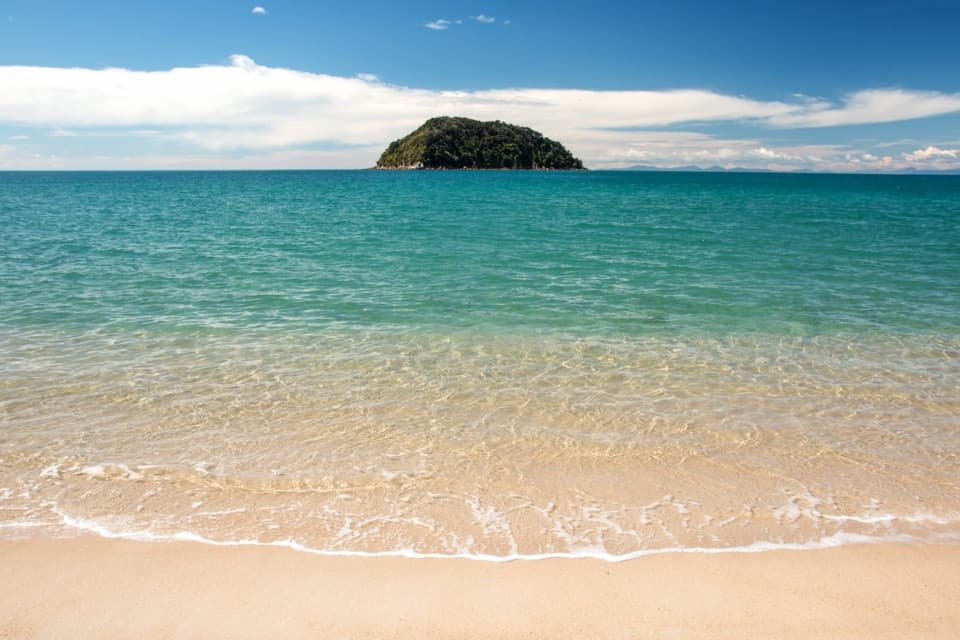 Sight · 0.5 km awayTonga QuarryA beach break with a granite story that reached Wellington.
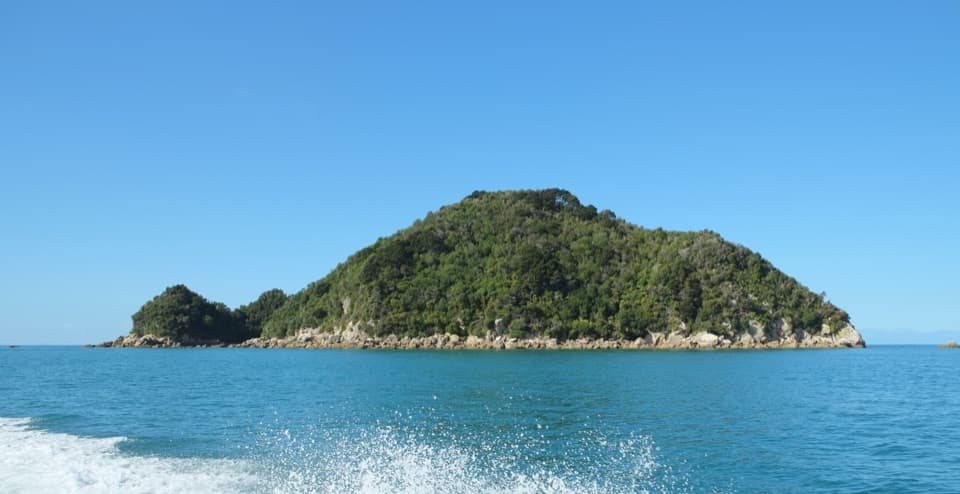 Sight · 1.4 km awayTonga IslandLook for fur seals beside a protected offshore island.Beach · 1.4 km awayOnetahuti BayA long beach with Tonga Island just offshore.
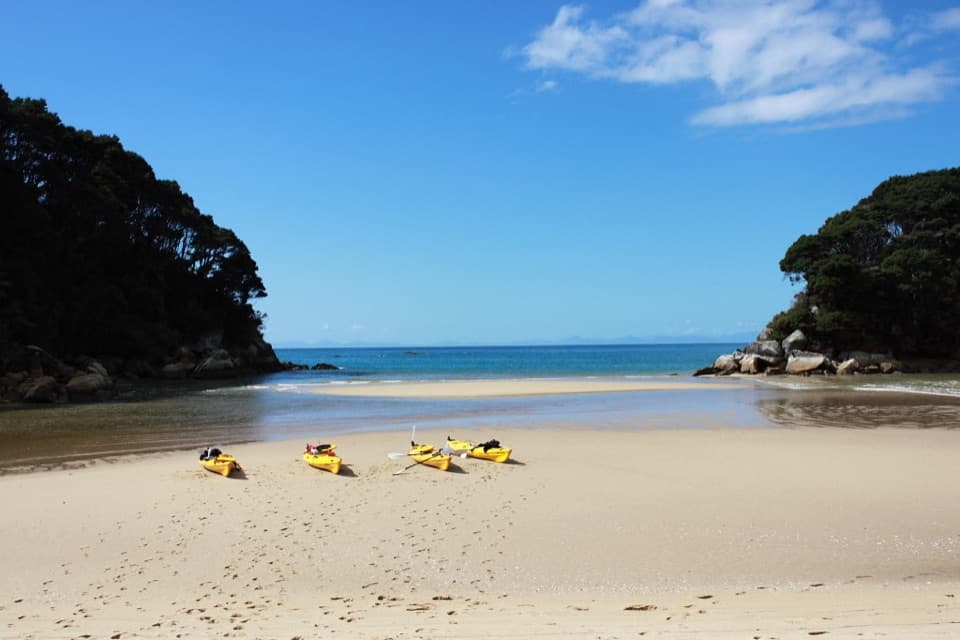 Campground · 1.6 km awayMosquito Bay CampsiteWinter sun, a rocky islet, and a boat-only beach camp.
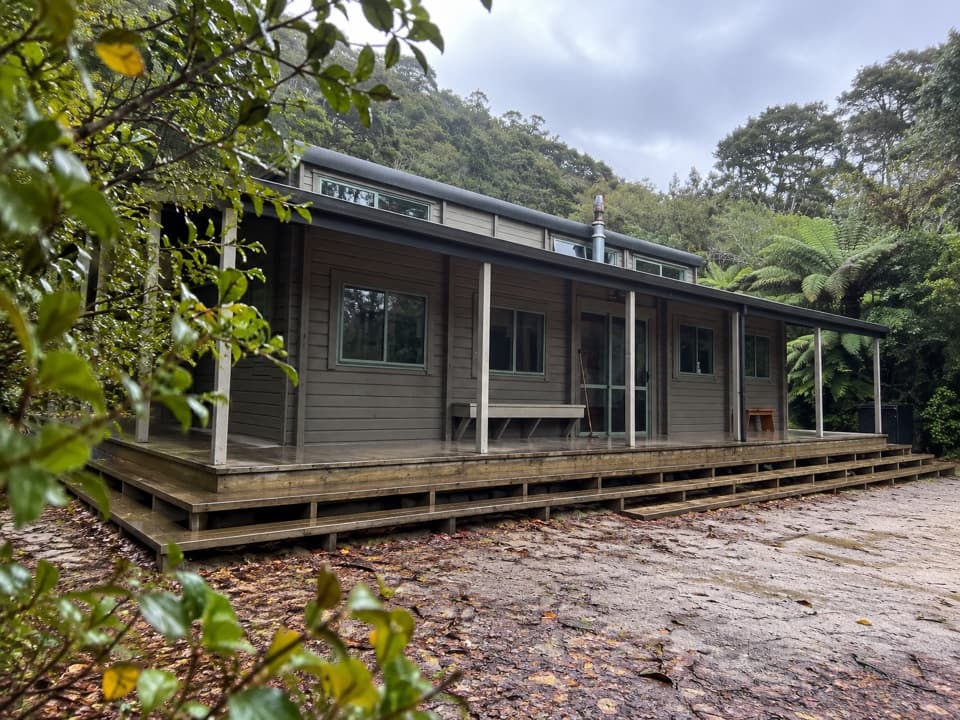 Lodging · 2 km awayBark Bay HutA 34-bunk overnight stop near Bark Bay’s beach and estuary.
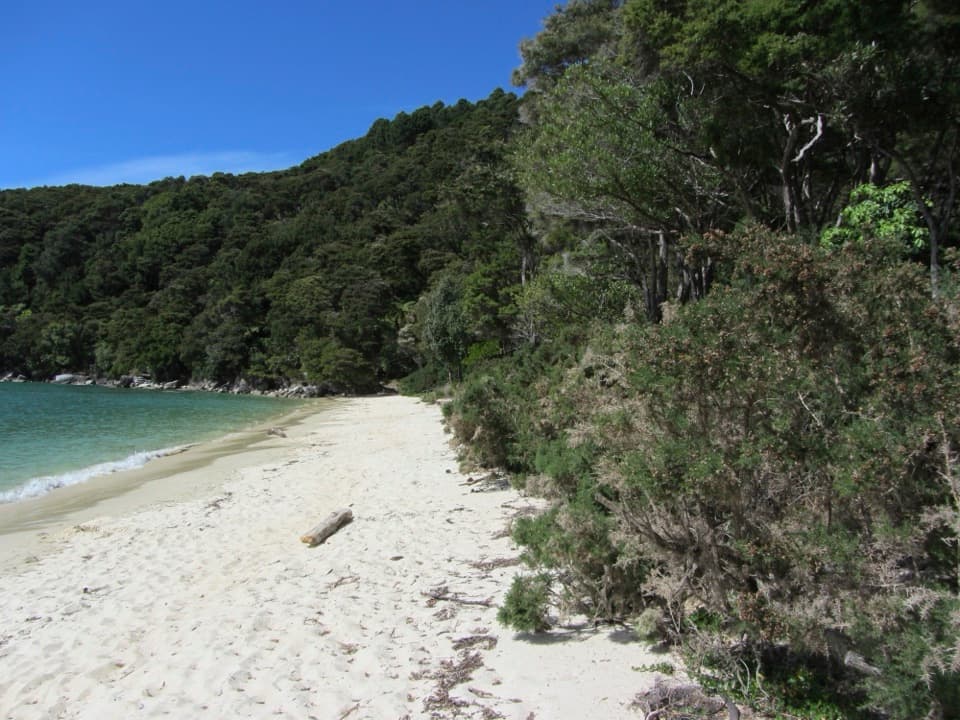 Beach · 2.1 km awayBark BayA golden beach between the open coast and a tidal estuary.
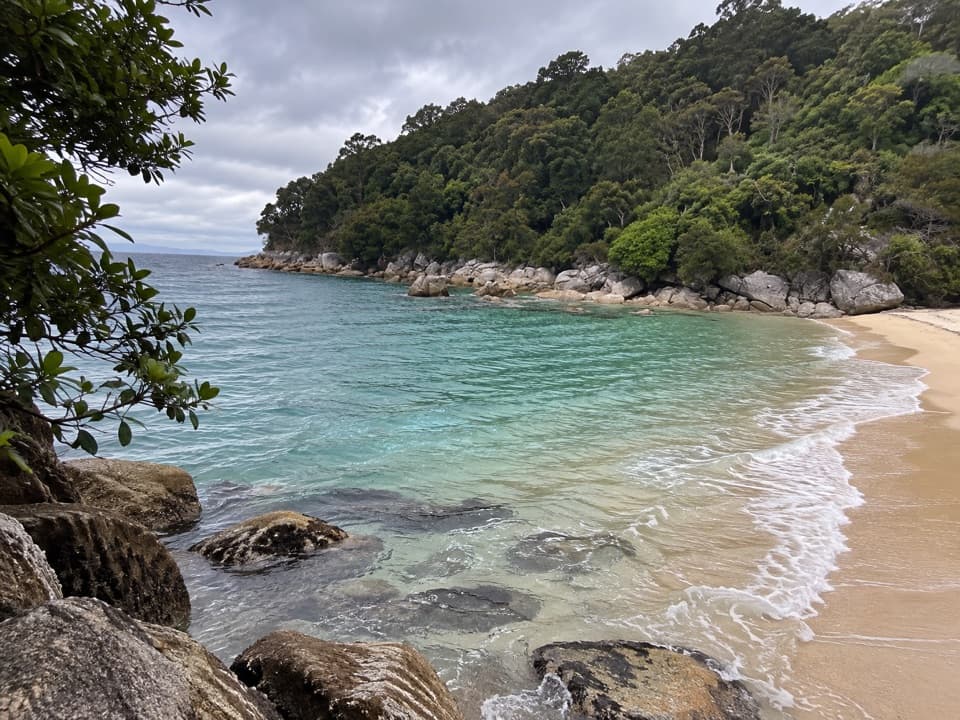 Beach · 2.5 km awayMedlands BeachA small beach break along the Coast Track, with water-taxi access.
 Beach · 3.1 km awaySandfly BayA tidal lagoon tucked behind shifting golden sandspits.
Parkwolf’s Abel Tasman ranking

The audio tour guide for the drive, plus offline maps, trails, and wildlife heatmaps for when the signal drops.