Overview
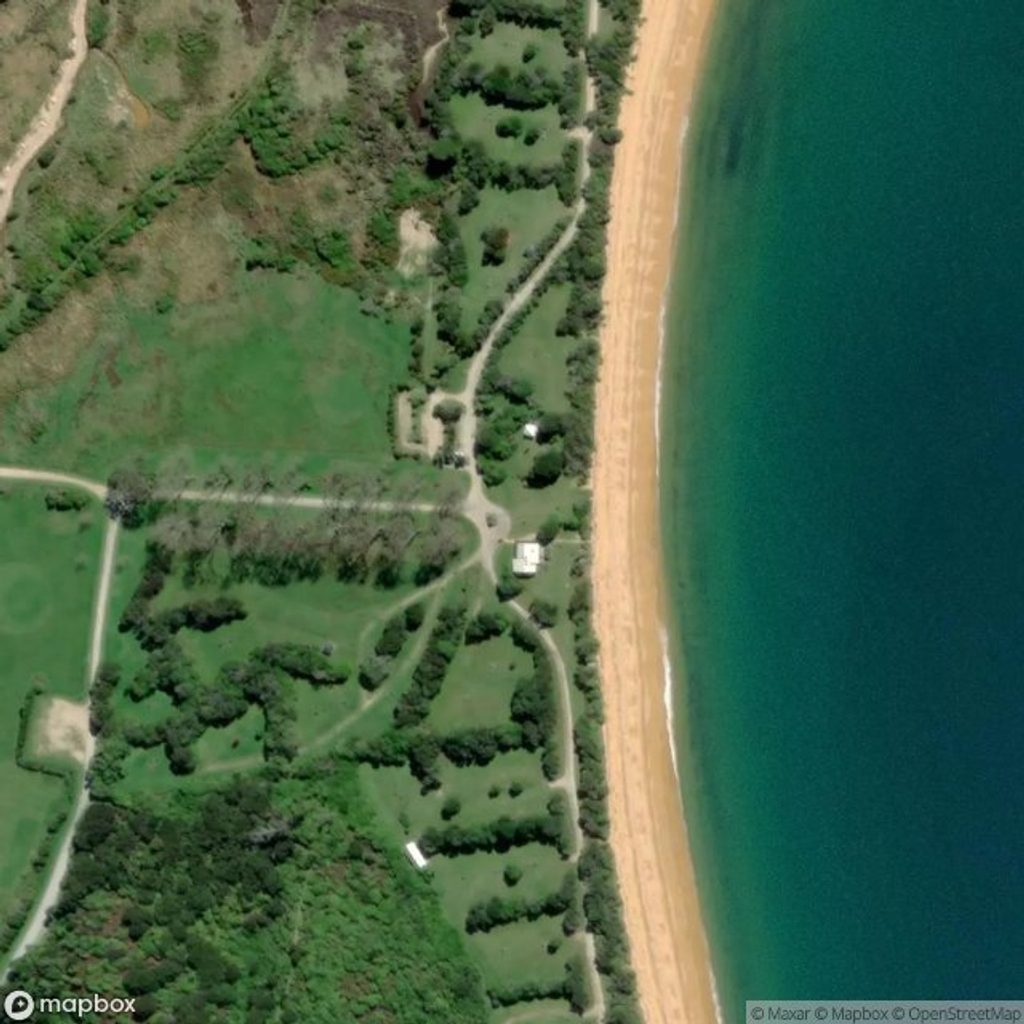
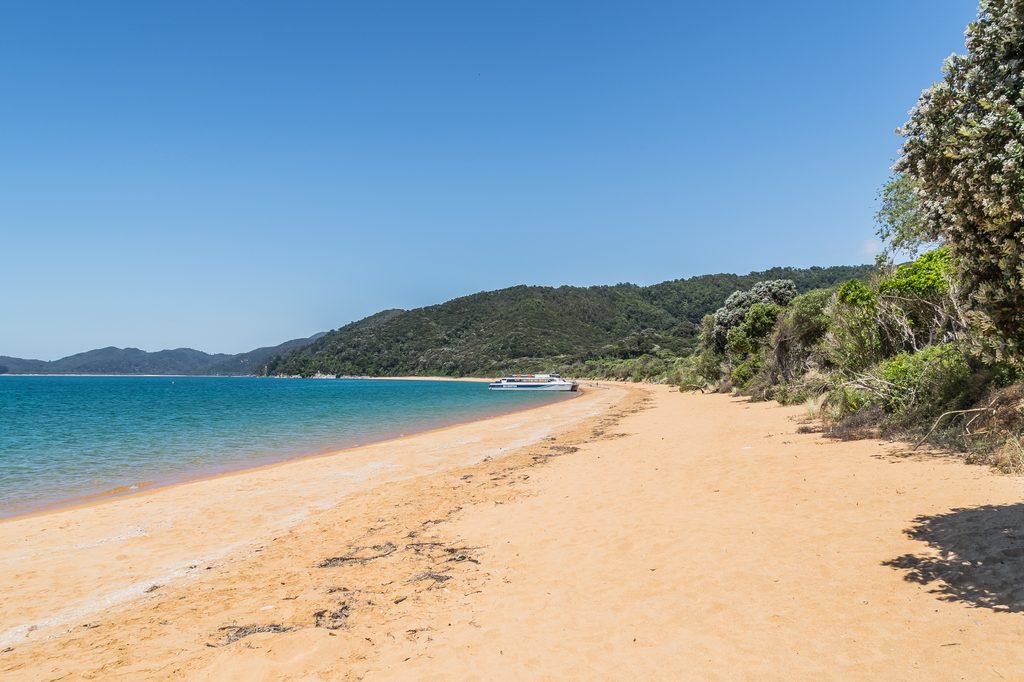
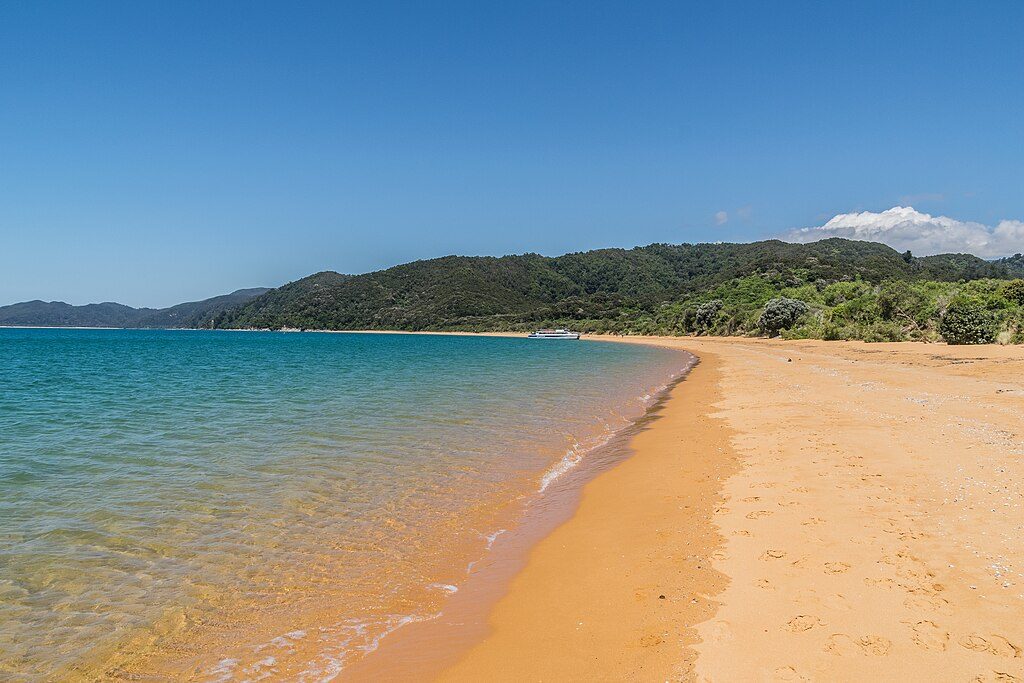
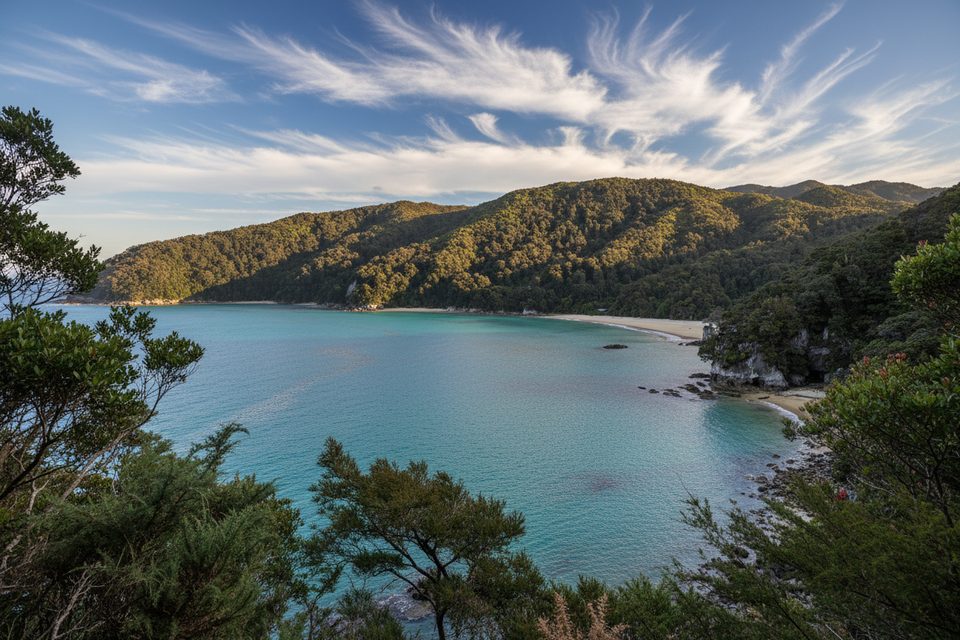
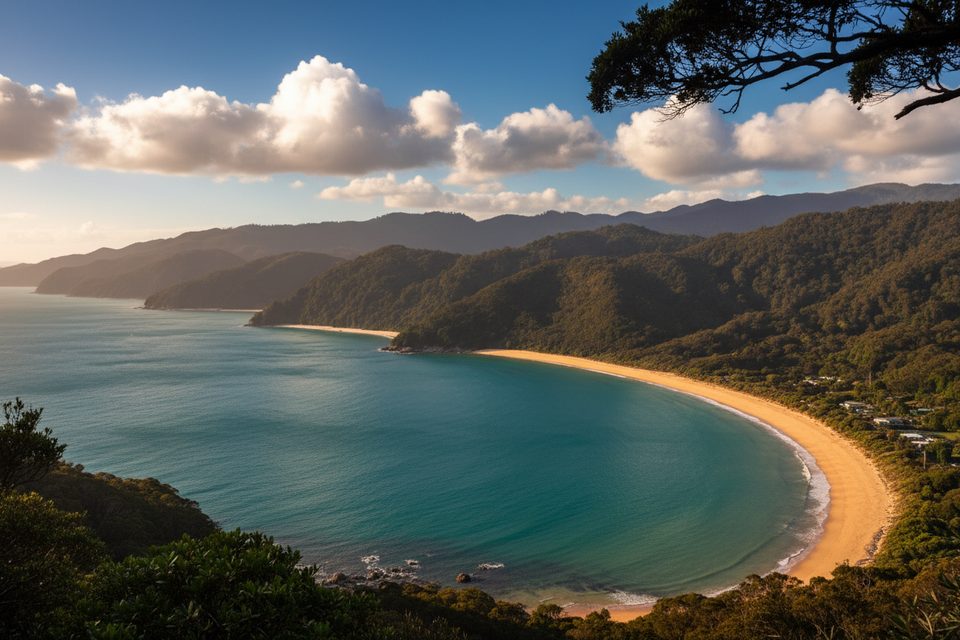
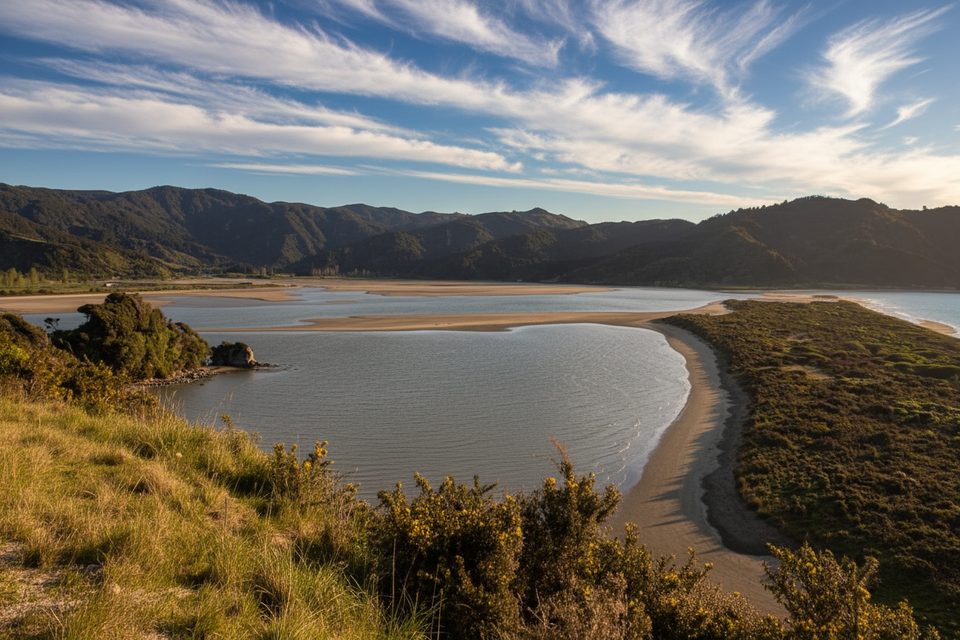
Totaranui is the park’s big beachside base: a sprawling, leafy campground pinned between golden sand and a tidal estuary at the northern end. It’s where you roll in by car, pitch up under shelter belts, and wander to the water in minutes. Capacity tops out around 850 people across 23 zones, so it feels like a summer village at peak and blissfully spacious the rest of the year.
Why it’s special
- It’s the only large-scale spot in the park you can drive to, making it the easiest launchpad for families and first-timers.
- The estuary is a mellow, kid-friendly swim at high tide, while the main beach serves up clear water and long sunset strolls.
- Designated fire pits mean crackling, starry evenings when there’s no fire ban—bring your own wood.
Things to do from your tent
- Beach time: swim, snorkel, paddle the estuary, or launch a kayak. Boaties use ramps at the north end; fishers commonly pick up snapper and blue cod.
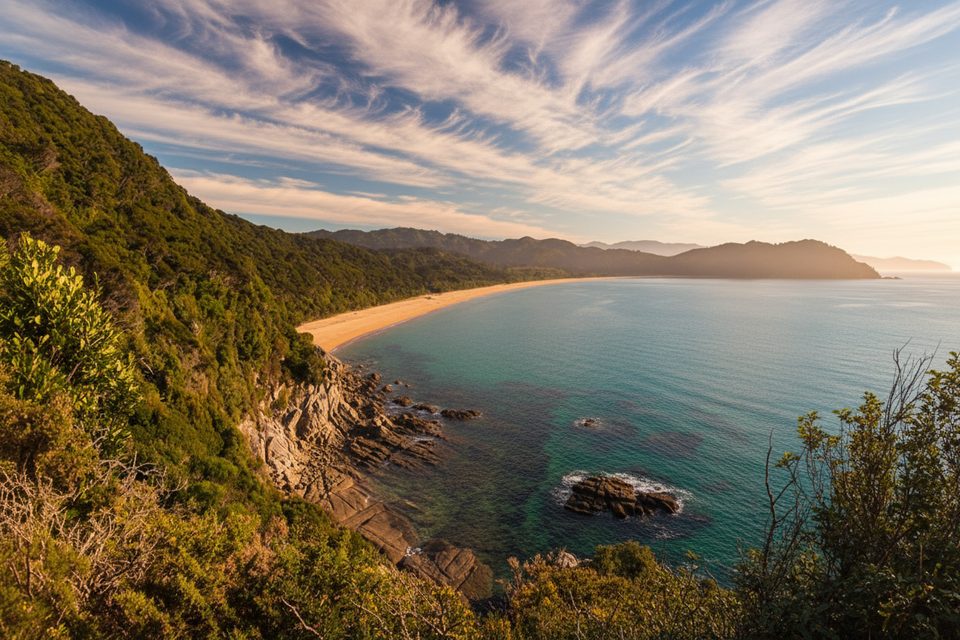
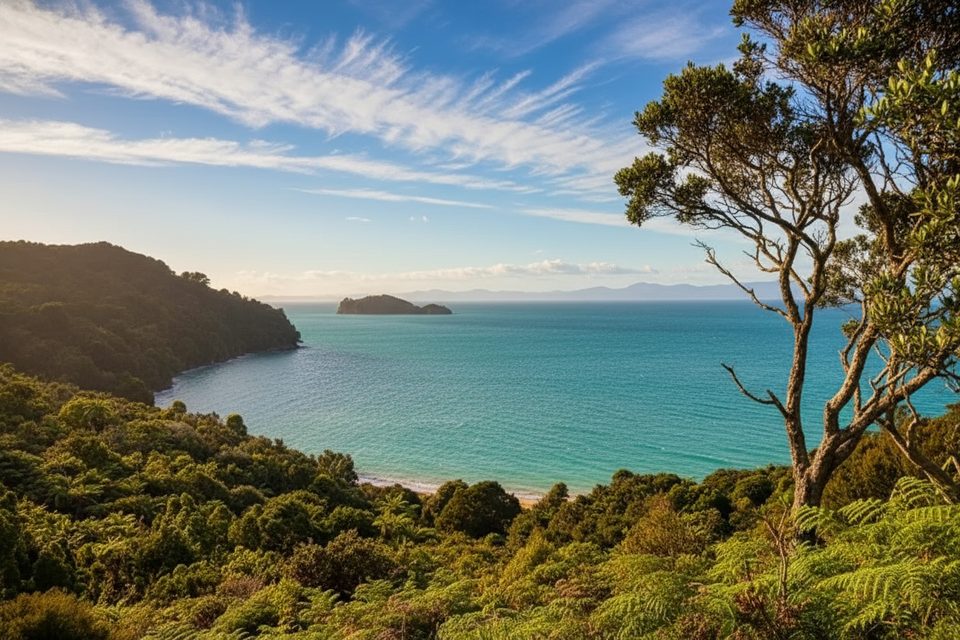
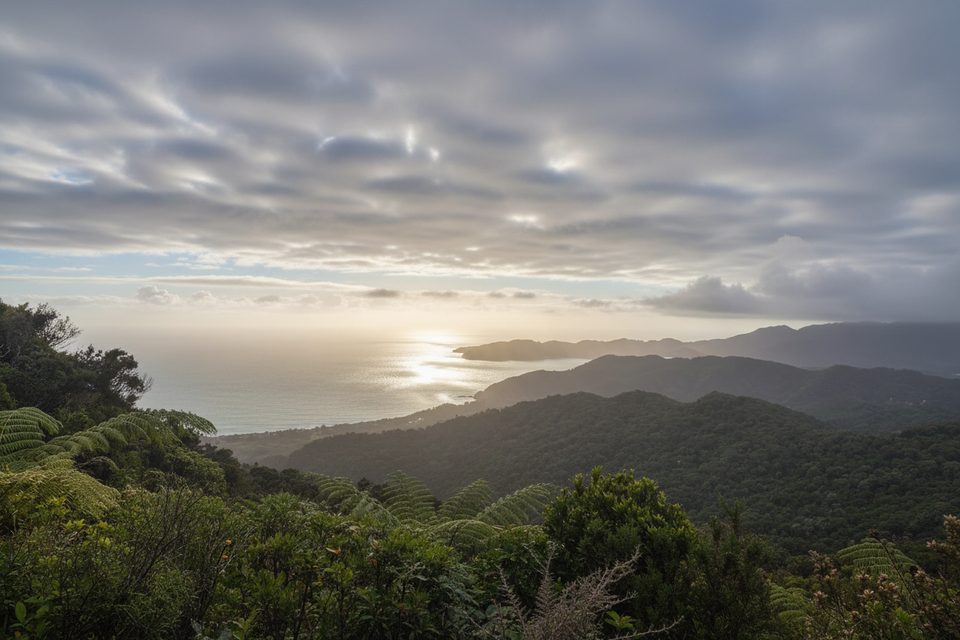
- Walks: take the short Pukatea Walk or Headlands Track for views over the bay. For a bigger day, head south to Goat Bay and on to Awaroa (water taxi back is easy). Ambitious hikers can loop via Gibbs Hill to Whariwharangi and return along the Coast Track past Separation Point, Mutton Cove and Anapai.
- Mountain biking: the Gibbs Hill Track (Tōtaranui→Wainui, 10 km one way) is open for bikes May 1–Oct 1.
Facilities and how it works
- Six modern amenities blocks are dotted through the camp; all sites are unpowered. The camp office (Dec–mid Apr, typically 8 am–4 pm) has staff, maps, a pay phone and sells basics like rubbish bags, ice, insect repellent, sunscreen and snacks; staff are on-site year-round.
- Fires only in the provided fireplaces and only when no fire ban is in place. Bring your own firewood.
- There are no rubbish or recycling services—strictly pack in/pack out. Food scraps are collected for composting in peak season. The nearest transfer station is in Tākaka.
- Drinking water isn’t clearly confirmed—plan to bring your own or check with DOC before you go.
Bookings, fees and limits
- Bookings are required year-round and sell out well ahead for summer and holiday weekends.
- Prices (per person, per night): Feb 9–Dec 25: adults NZ$18, children 5–17 NZ$9, 0–4 free. Dec 26–Feb 8: adults NZ$20, children NZ$10, 0–4 free, with a minimum NZ$40 per site per night.
- Stay limits: maximum 14 nights from Dec 26–Feb 8. A DOC Campsite Pass is valid outside that peak window (max 7 nights in any 30 days).
Getting there
From Nelson it’s roughly 2.5 hours via SH6 → SH60 over Tākaka Hill to Tākaka, then through Pohara and Tata Beach to Tōtaranui. The final 12 km is a narrow, winding, unsealed road—slow down, especially after rain or when towing. Camp gates are locked overnight (roughly 7:30 am–8:30 pm Oct–Mar; 7:30 am–6:30 pm Apr–Sep). You can also arrive by seasonal bus or daily water taxis from Kaiteriteri, Mārahau and other bays.
Nearby food and supplies
Closest shop and takeaways are in Pohara (~25 minutes). Full services (supermarket, petrol, cafés, banks, museum, galleries) are in Tākaka (~45 minutes). Awaroa Lodge (about a 2.5–3 hr walk south or a short boat ride) offers a café/restaurant in summer.
Wildlife and beach etiquette
You’ll share camp with native bush birds (keep food secure) and the occasional inquisitive weka. In the estuary, watch the tides and avoid trampling sensitive areas.
Best time to visit
- Peak (Dec 26–Feb 8) brings full-on holiday crowds, lively evenings around the fire pits, and strict stay limits.
- For classic Totaranui without the chaos, aim for spring or autumn; mid‑February through Easter is a sweet spot with warmer water and fewer people.
- For photos, catch sunrise for empty sands and sunset for warm glow on the bay.
Smart tips
- Time the Awaroa estuary crossing carefully if you’re walking sections of the Coast Track; it’s typically passable around low tide.
- Coverage is unreliable—download tide tables, maps and booking details before you go.
- Bring extra rubbish bags and your own firewood; check for fire bans on arrival.
- If biking, note the Gibbs Hill window (May 1–Oct 1) and the one-way direction to Wainui.
- Water taxis are perfect for one‑way walks back to camp.