
Place · 0.2 mi away
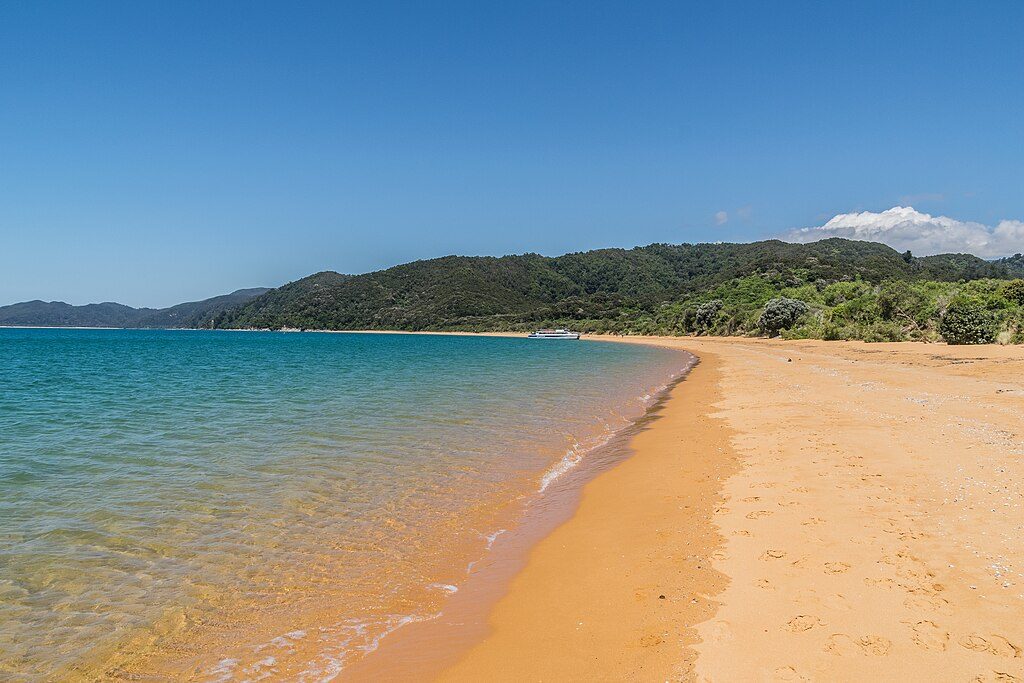
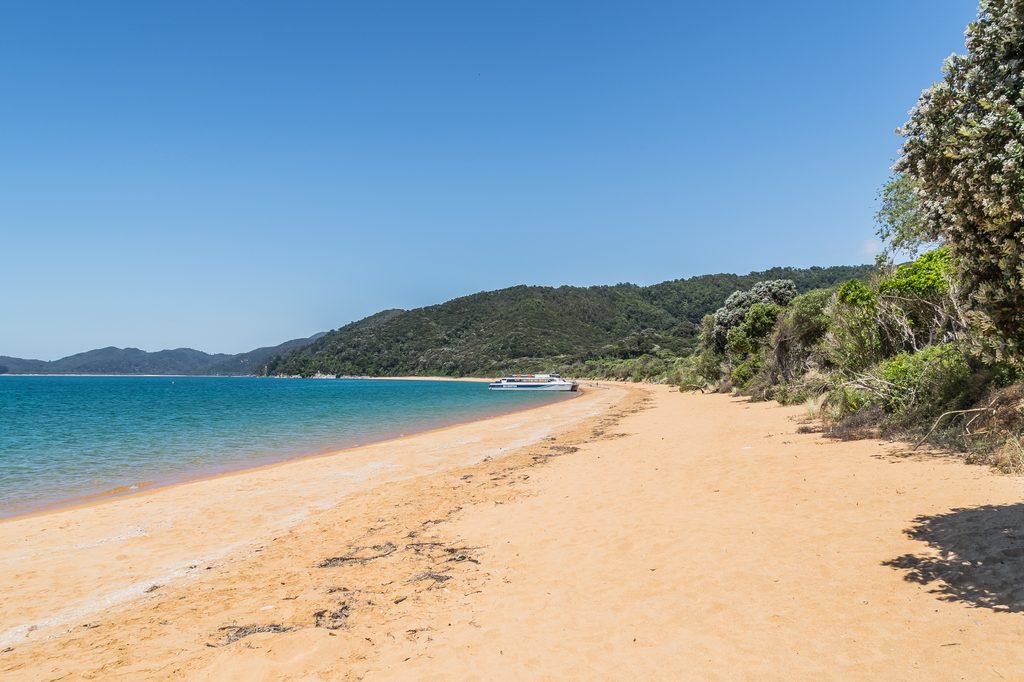
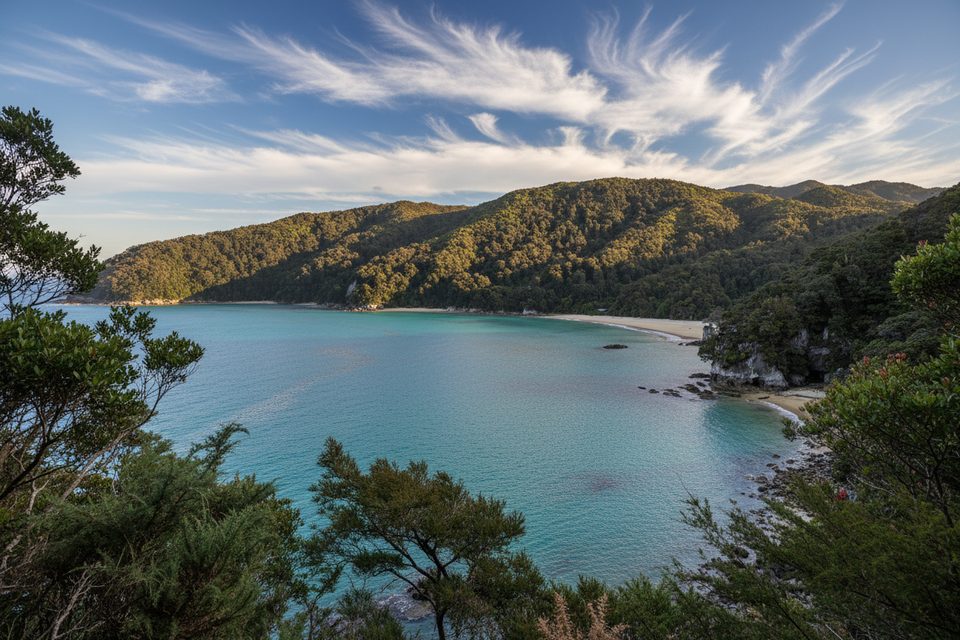
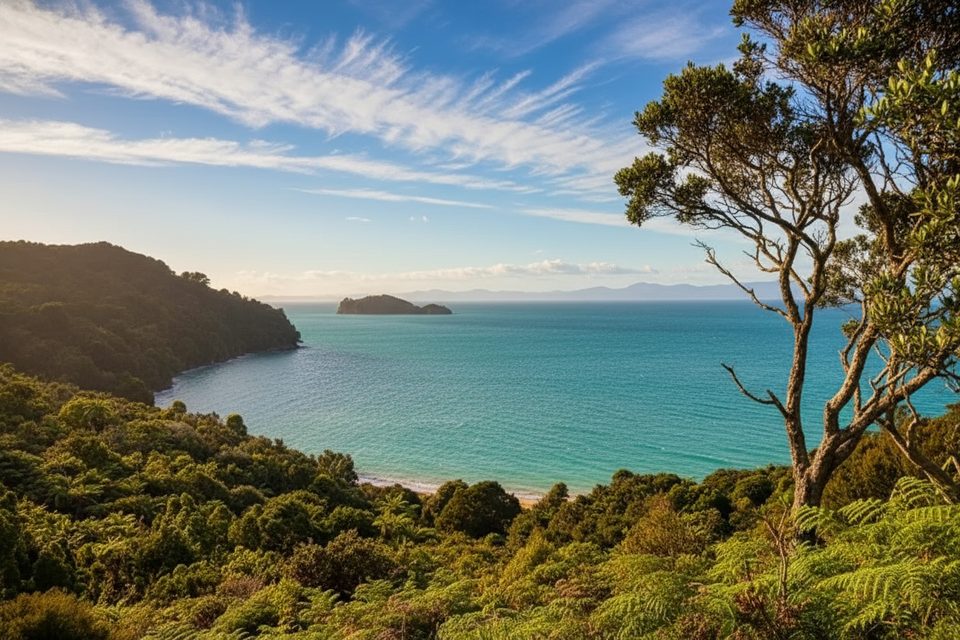
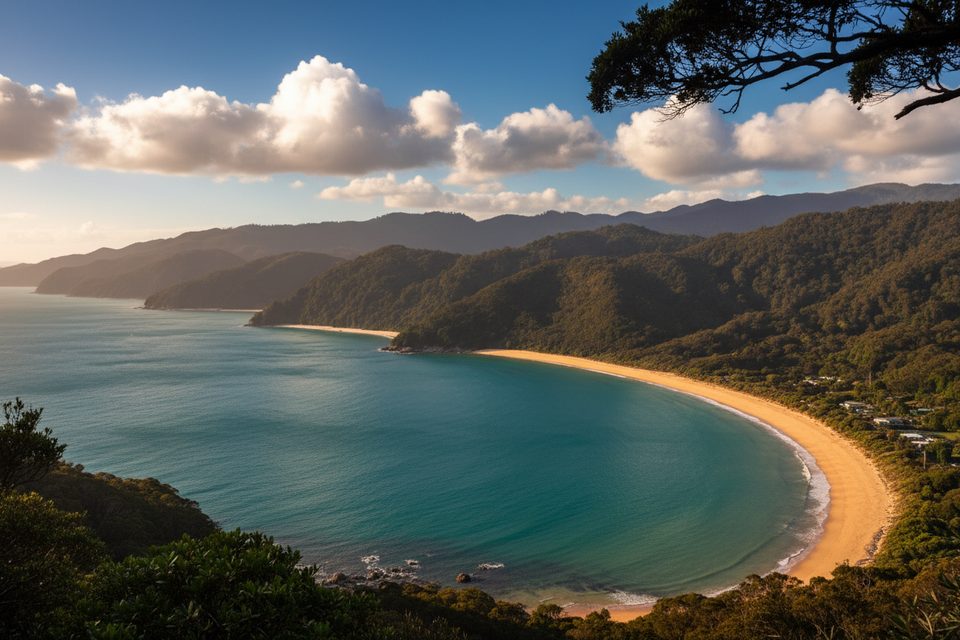
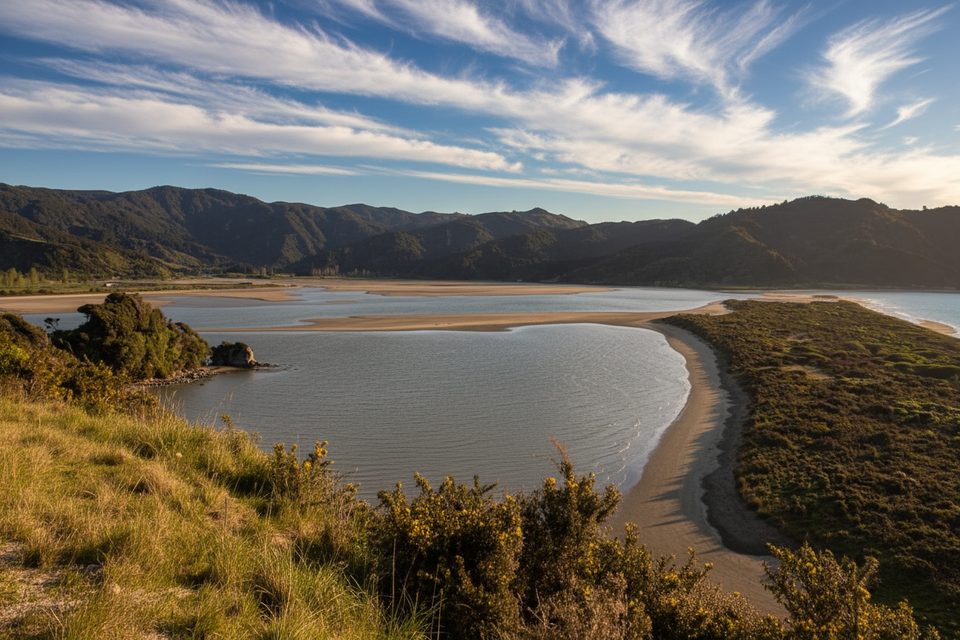
Set at the quiet northern end of the coast, Tōtaranui Beach is the golden‑sand, turquoise‑water postcard you came for—and a super practical base. It’s a key stop on the Abel Tasman Coast Track, served by daily water taxis, and uniquely, it’s the one place on the track you can actually drive to.
The drive from Nelson is about 2.5 hours, with the final 12 km a narrow, winding gravel road—go slow. Mobile coverage is unreliable. Camp gates lock at night (hours vary by season), and a seasonal bus plus daily water taxis connect Tōtaranui with other bays.
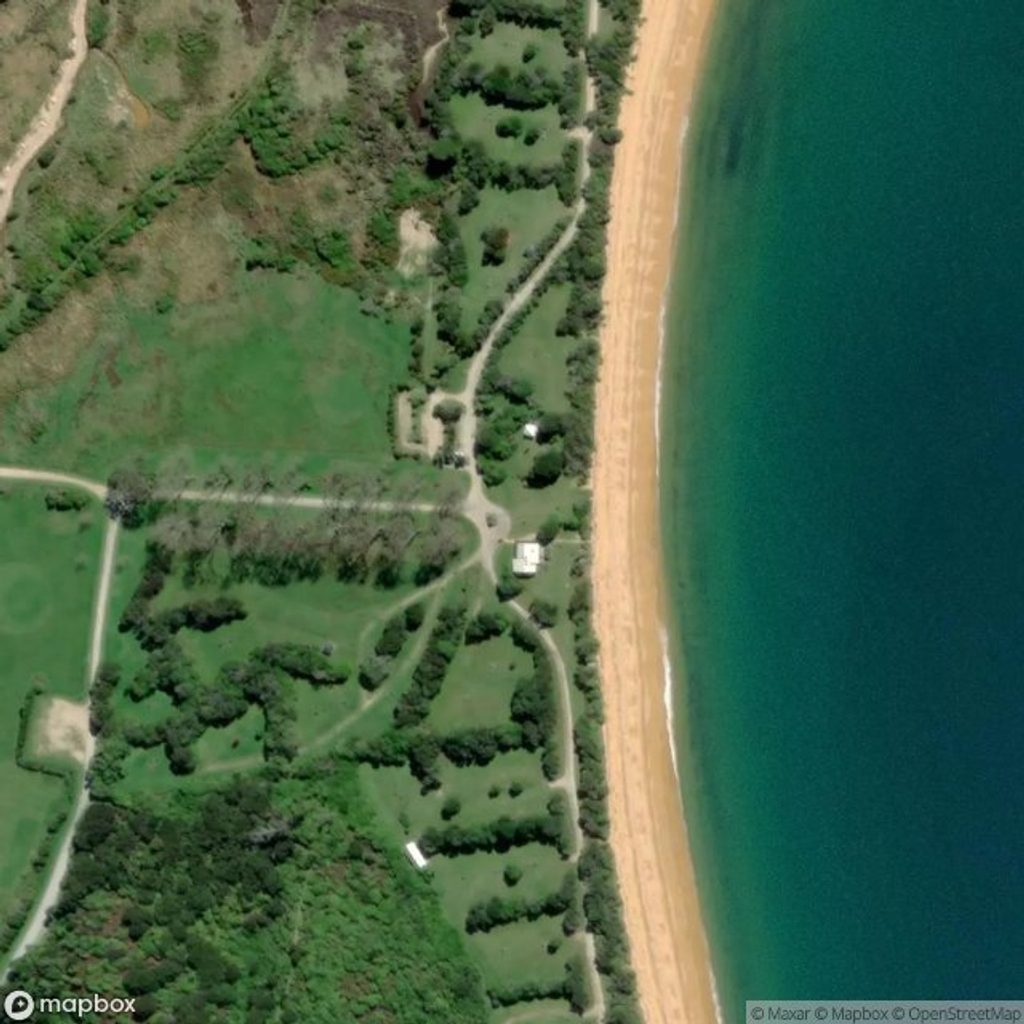
The Totaranui Campground is enormous (split into 23 zones) with six modern amenities blocks and year‑round bookings. There’s a staffed camp office (summer day hours) that sells small essentials like ice, repellent, sunscreen and snacks. Designated fireplaces are available when no fire ban is in place. There are no rubbish or recycling facilities—pack everything out—and the nearest transfer station is in Tākaka.
Fur seals are common along this coast and water taxi trips may detour to see them. Dolphins sometimes cruise by, and the surrounding bush holds plenty of birdlife.
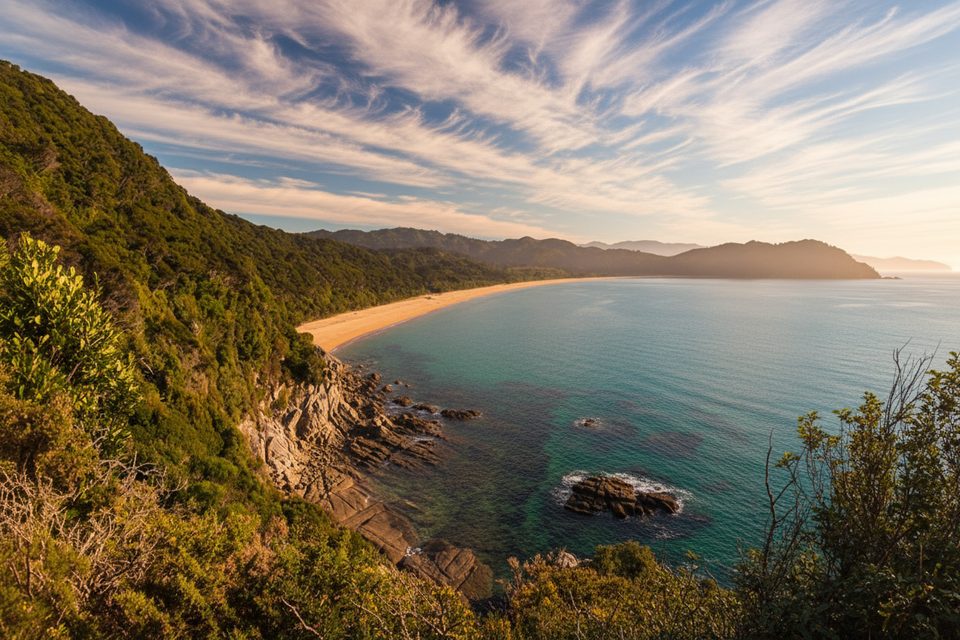
The coastline here is dominated by granite. Weathering of that rock creates the park’s signature coarse, golden sands—and, historically, poor soils that made early farming attempts around Tōtaranui tough going.
Abel Tasman is a year‑round destination. February–March brings warm water and settled weather after the peak holiday crush. Winter is quieter and can bring sightings of baby seals. In general the coast north of Tōtaranui stays calmer crowd‑wise than the southern bays, but summer holidays can still be at capacity.
Place · 0.2 mi away
Place · 0.2 mi away
Place · 0.5 mi away
Place · 0.8 mi away
Easy · 0.2 mi away
Moderate · 0.2 mi away
Moderate · 2.8 mi away
Moderate · 2.8 mi away

Parkwolf Tour Guide
