
Place · 0.8 mi away
Moderate
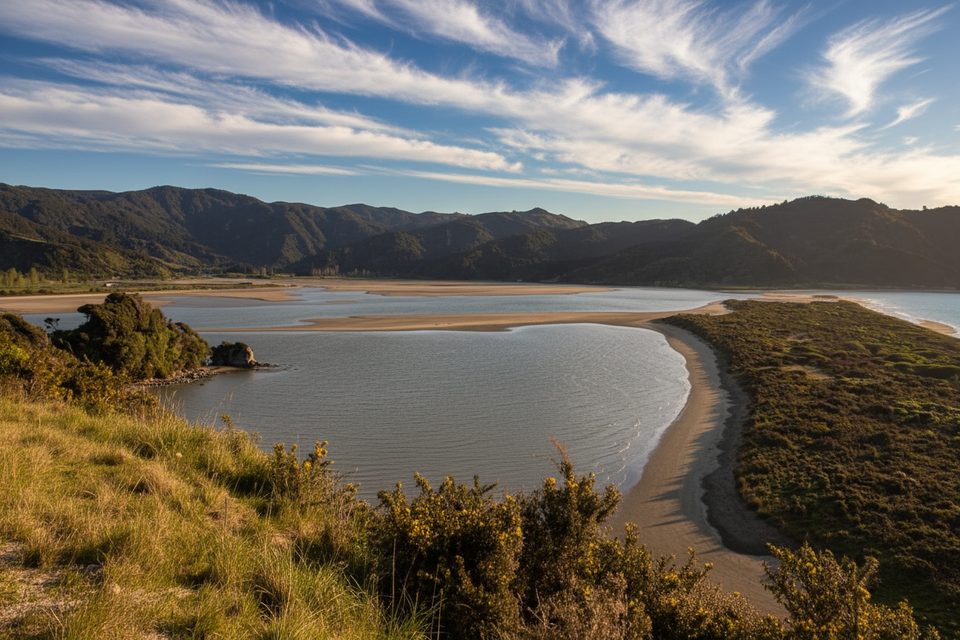
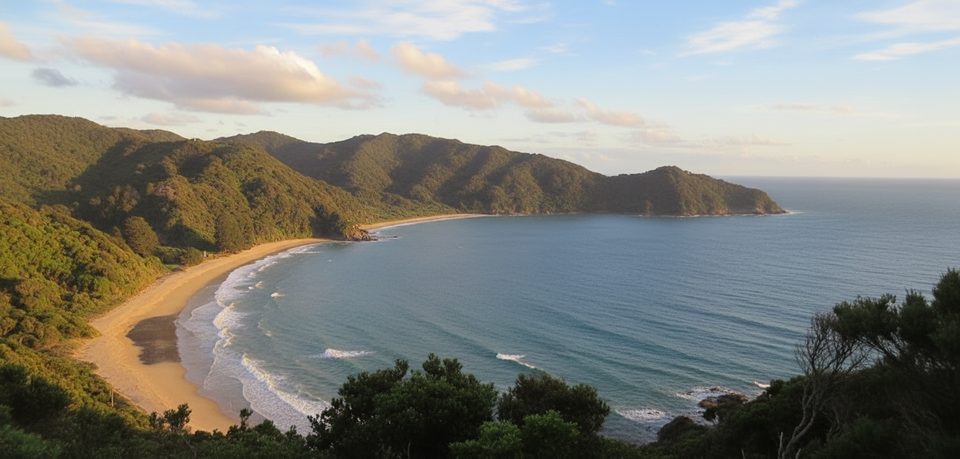
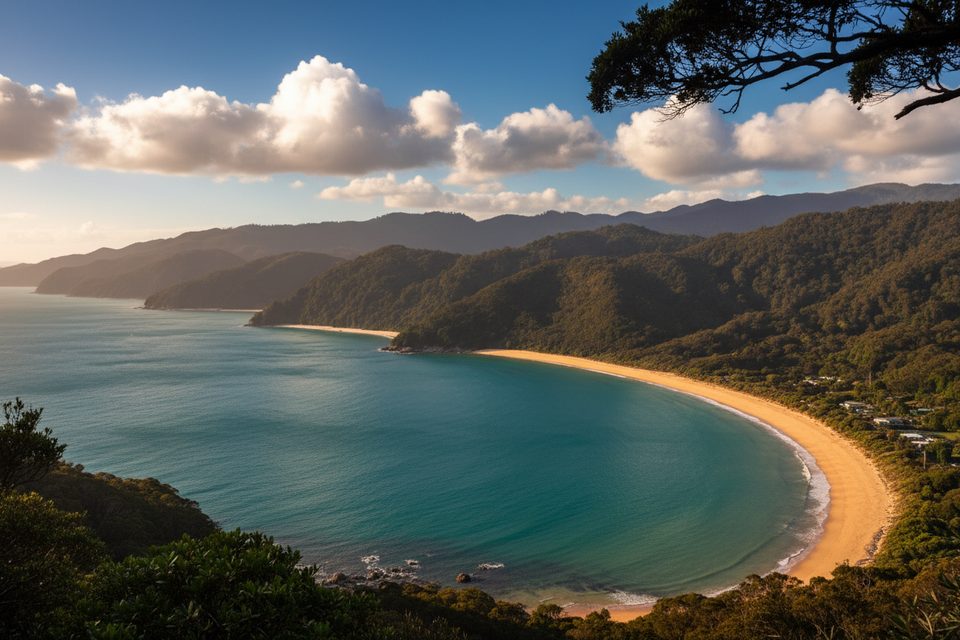
This northern slice of the Abel Tasman Coast Track threads native bush to a golden beach backed by a restored 1890s homestead that serves as Whariwharangi Hut. Expect classic coastline, gentle climbs to a low saddle, and a finish a few steps from the sand.
Most hikers do the Wainui to Whariwharangi segment: 5.7 km one way (about 3.5 miles), typically 2 hours. It’s a steady climb to a saddle above Wainui Inlet, then a descent to the bay. You can also link Tōtaranui and Whariwharangi via the Gibbs Hill Track (9 km, ~3 hours) for bigger views, or combine both for a satisfying loop-style outing. Note: the Whariwharangi–Tōtaranui coastal section is listed at 9.8 km (~3 hr 15 min) if you’re stitching a longer itinerary.
Road-end car parks are at Wainui (north) and Tōtaranui. Water taxis operate only as far north as Tōtaranui—there’s no service to Wainui or directly to Whariwharangi—so plan exits accordingly. Huts and campsites must be booked year-round; day walking is free, but overnight stays require reservations.
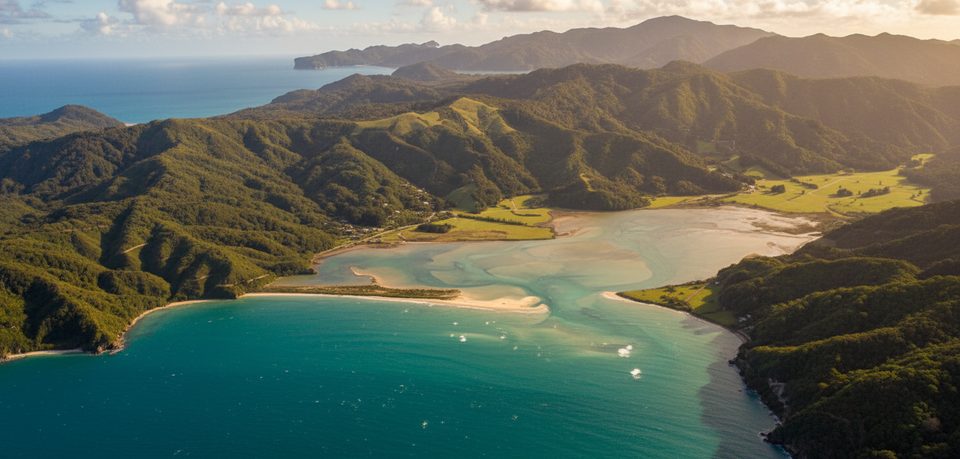
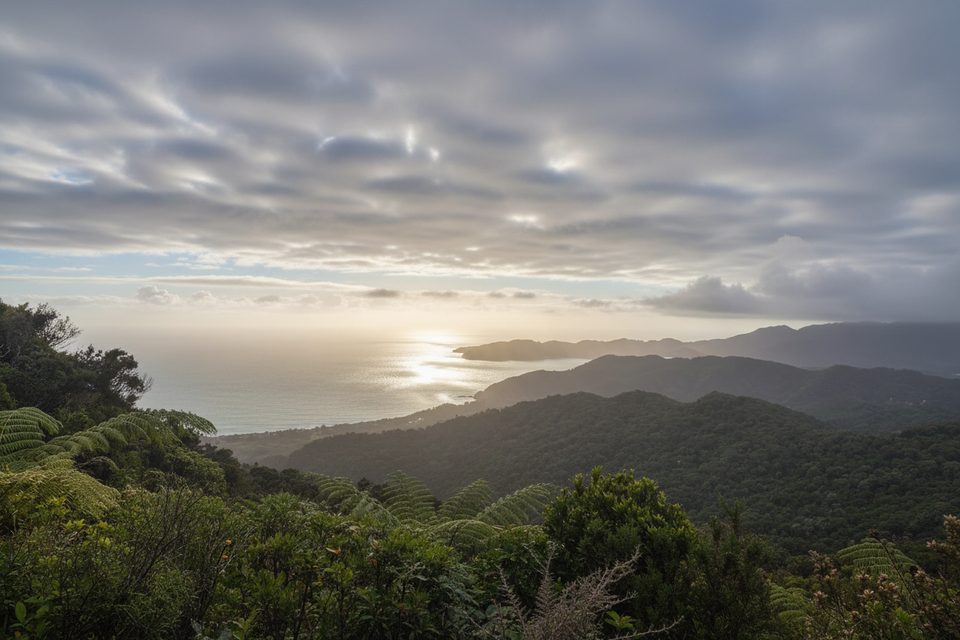
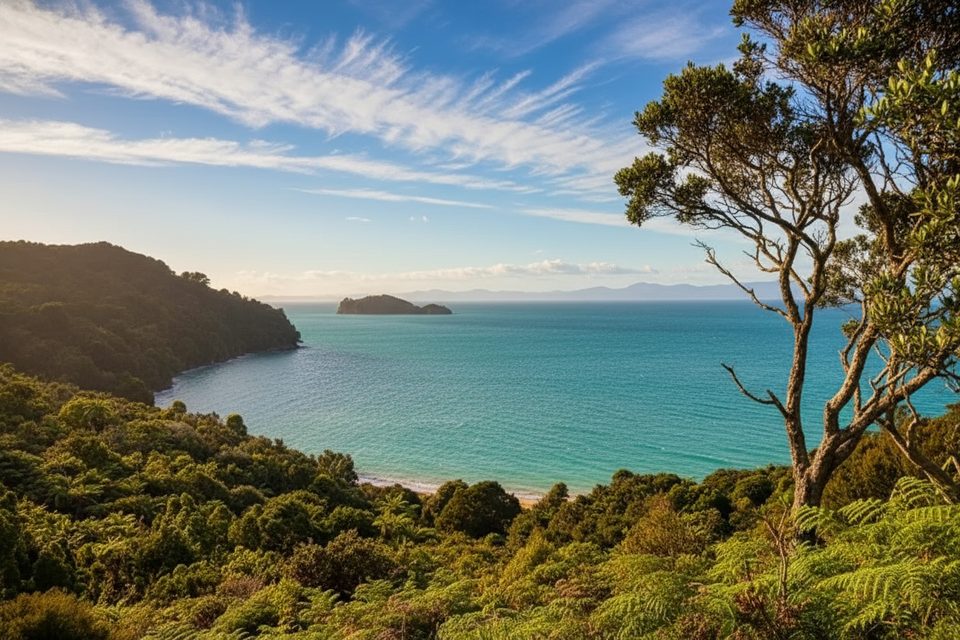
This track mixes native bush with headlands and beaches, delivering those signature Abel Tasman coastal views. The historic homestead-turned-hut sits just behind the beach, a unique finish line and a fun dose of park history.
The track is walkable year-round. October–April is the busiest stretch with long daylight. Winter brings quieter trails and cooler temperatures. If you’re extending south of Tōtaranui, factor tides into any plan that includes Awaroa Inlet; otherwise, the Wainui–Whariwharangi segment itself isn’t tidal.
The track is well marked but includes sustained climbs/descents and can be steep or rough in places. Water at huts and campsites is untreated—boil or treat. Huts have no gas cookers or lighting; bring a stove, fuel, and a headlamp. Wasps and sandflies are present—carry repellent. Drones require permits and are generally not allowed. If your itinerary includes Awaroa Inlet, you must cross in daylight within 1 hr 30 min before to 2 hr after low tide; there’s no alternative track.
For a shorter overnighter, walk from Wainui to Whariwharangi Hut or campsite and return the same way. For a one-way with a boat link, walk via Gibbs Hill between Whariwharangi and Tōtaranui and book a water taxi from Tōtaranui. Mountain biking is permitted only on the Wainui–Gibbs Hill–Tōtaranui section from 1 May to 30 September (shared-use; group size limits apply).
DOC car parks at Wainui (north end) and at Tōtaranui; both are road-accessible. No water taxi north of Tōtaranui.
If continuing south of Tōtaranui you must time the Awaroa Inlet crossing for daylight within 1 hr 30 min before to 2 hr after low tide; there is no alternative route. Track has sustained climbs/descents; water at facilities is untreated; wasps and sandflies are common. Shared-use rules apply on the Gibbs Hill section in winter.
Place · 0.8 mi away
Place · 1.4 mi away
Place · 1.5 mi away
Place · 1.7 mi away
Moderate · 0 mi away
Easy · 2.2 mi away
Easy · 2.7 mi away
Moderate · 2.7 mi away

Parkwolf Tour Guide
