
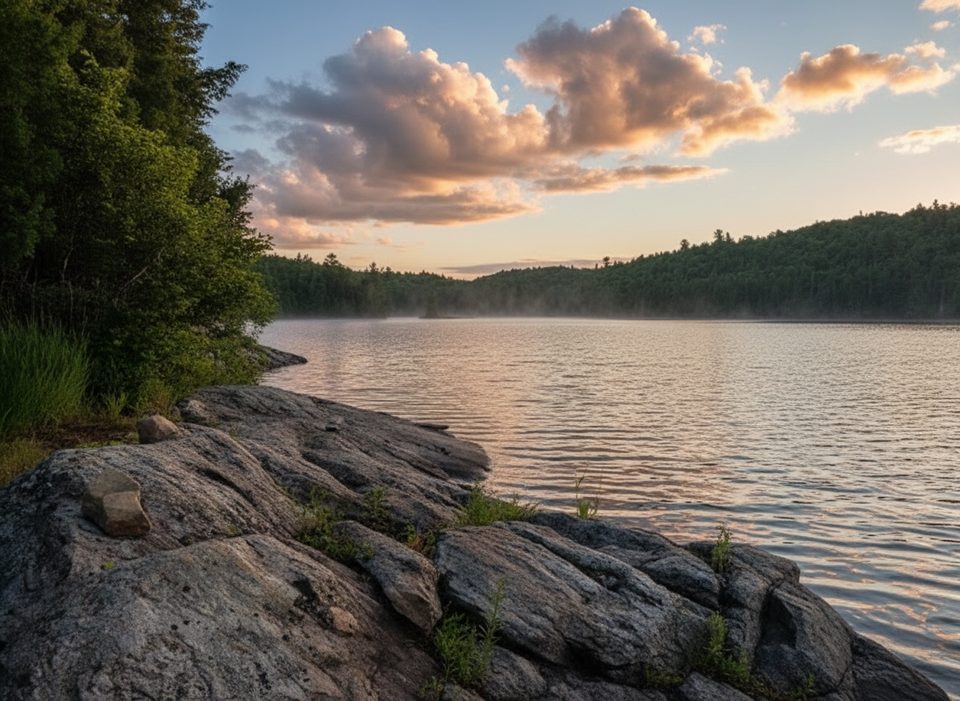
Place · 1.7 mi away
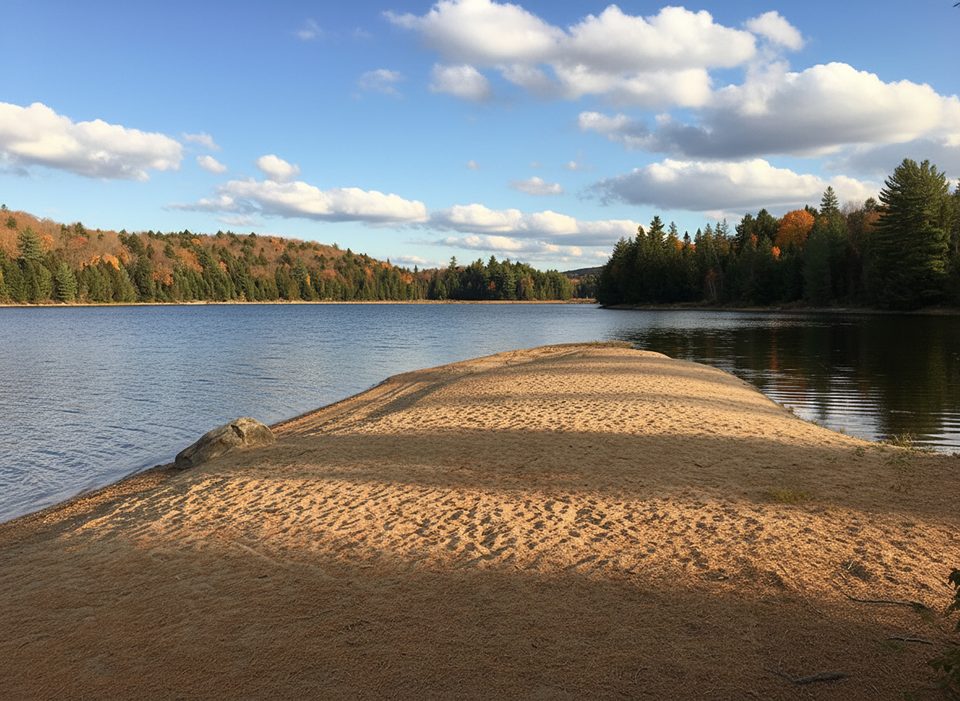
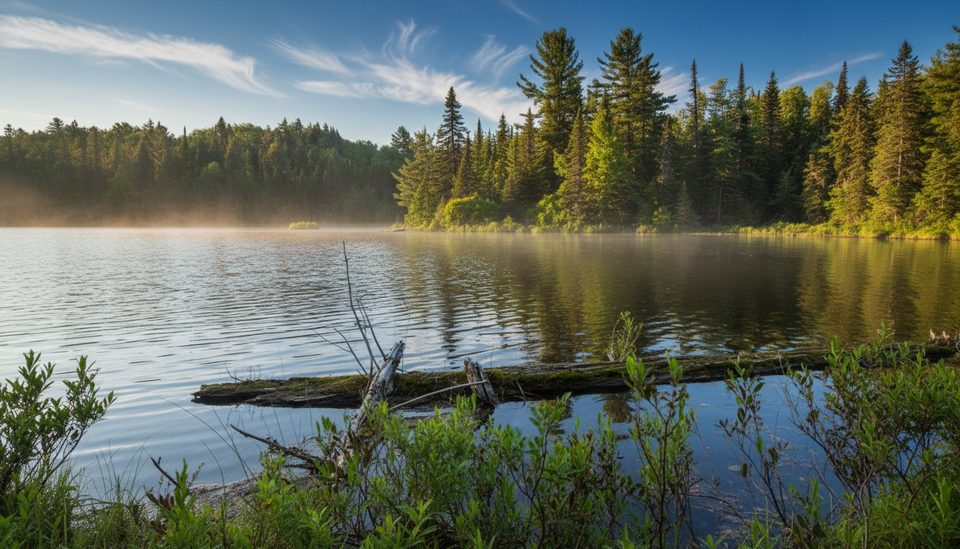
Ragged Lake is a classic paddle-in basecamp: close enough for first-timers, scenic enough for repeat visits. Expect a medium-sized lake with lots of designated sites and that quintessential Algonquin soundtrack—loons at dusk and dawn. It’s popular, but still feels wild once you tuck into a quieter bay.
Launch at the Smoke Lake access along the Highway 60 corridor, paddle down Smoke, then carry a short 290 m portage into Ragged. In fair conditions, it’s roughly 7 km and about 1.5–2 hours to reach the north end of Ragged; headwinds on Smoke can stretch that time.
There are 20+ designated sites around Ragged, marked on shore and first‑come, first‑served for anyone holding a valid interior permit for the lake. Many sites are large and flat with room for multiple tents. Landings range from easy sand/gravel beaches to rockier pull‑ups. Standard backcountry setup applies: established fire ring and a thunderbox set back in the woods. Some point sites get all‑day sun and breeze (great for bugs, less great in a wind), while corridor sites near the portage see more paddler traffic.
You’ll likely hear or see loons. Evenings can bring a chorus of bullfrogs and crickets. Dawn and dusk are your best bet for larger wildlife along marshy shorelines. Keep a clean camp—black bears are present—and store all food and scented items properly.
Smoke Lake can funnel wind, so plan your paddle with the forecast and start early. After rain, the short portage can be slick, muddy, and buggy—footwear with grip pays off. The lake water is notably clean, but always treat or filter.
You need an Algonquin interior (backcountry) permit reserving your lake, not a specific site. Pick any vacant designated site when you arrive. The park’s backcountry is open year‑round; confirm current operating dates and any fire bans with Ontario Parks before your trip.
Avoid long weekends if you want solitude—Ragged is a favorite quick getaway. For calmer paddling and easier site selection, launch early in the day. Photographers get soft light at sunrise and sunset, with some sites offering both east‑ and west‑facing beach aspects.
Place · 1.7 mi away
Place · 4.8 mi away
Place · 5.2 mi away
Place · 5.2 mi away
Moderate · 5.2 mi away
Easy · 5.3 mi away
Moderate · 6 mi away
Easy · 6.1 mi away

Parkwolf Tour Guide
