
Place · 0.7 mi away
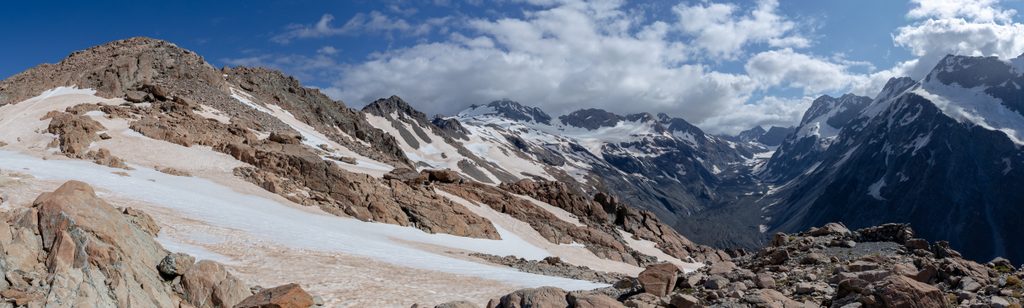
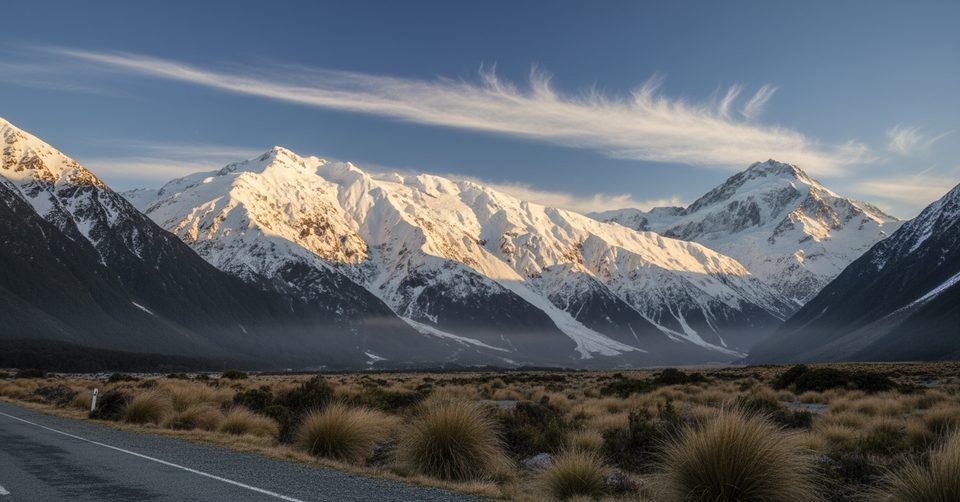
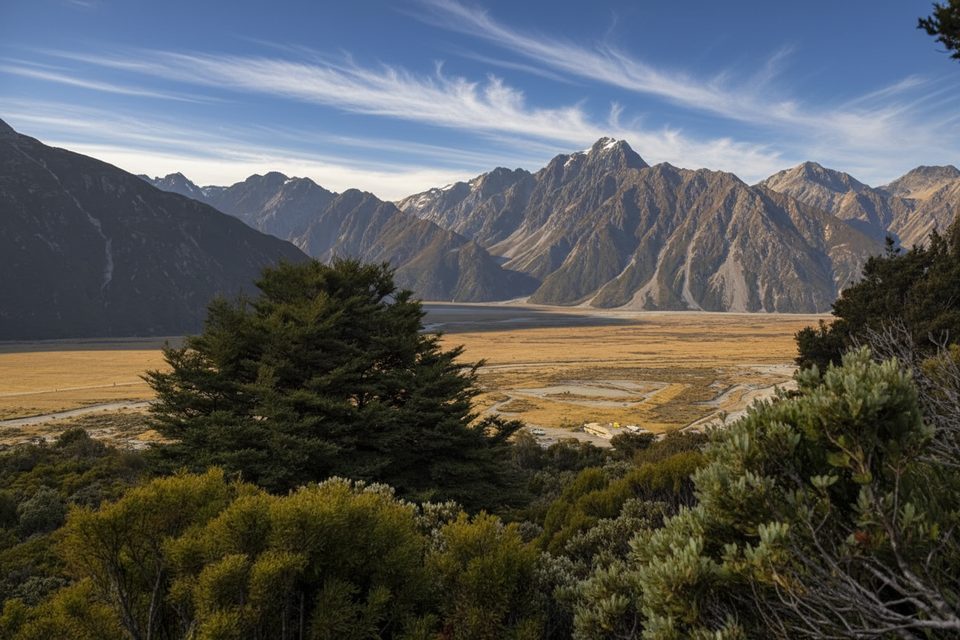
Mueller Glacier sits in the heart of a high-alpine landscape shaped by ice. It’s one of several major glaciers here and, like its neighbors, it has been retreating—now ending in a proglacial lake formed in recent decades. Expect classic glacier-and-peak drama with Aoraki/Mount Cook looming nearby.
About 13,000 years ago, an enormous glacier filled the Hooker and Tasman valleys, carving the broad U-shaped valleys and leaving the moraines you see today. Mueller Glacier takes its name from Ferdinand von Mueller, reflecting the burst of European exploration in the mid‑1800s. The wider area became a national park in 1953 and later part of the Te Wāhipounamu World Heritage site; many Māori place names were formally recognized in 1998.
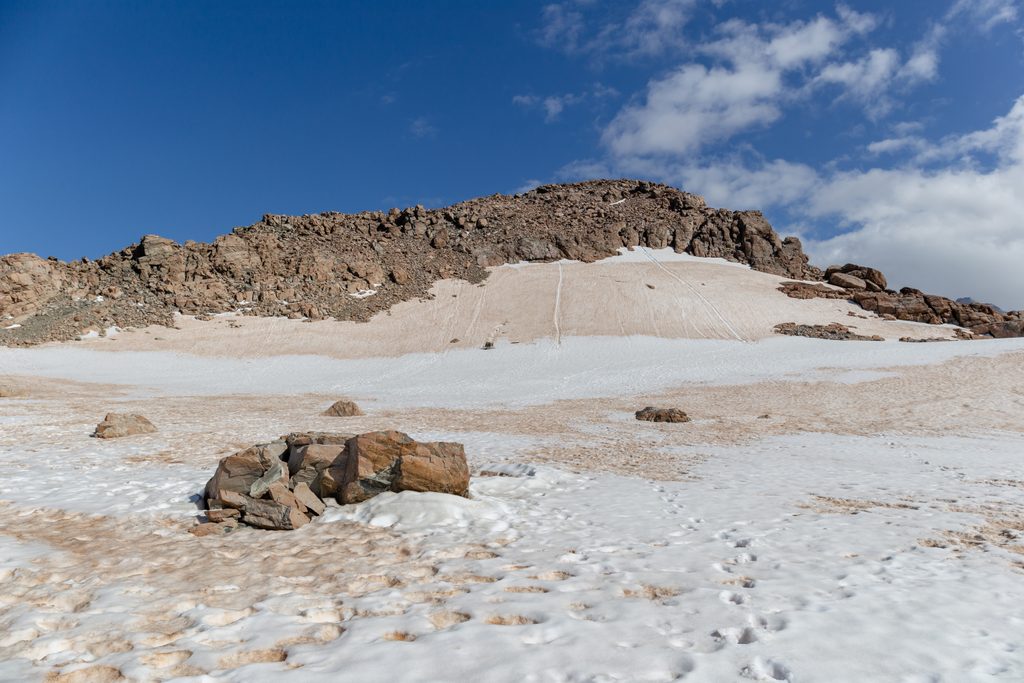
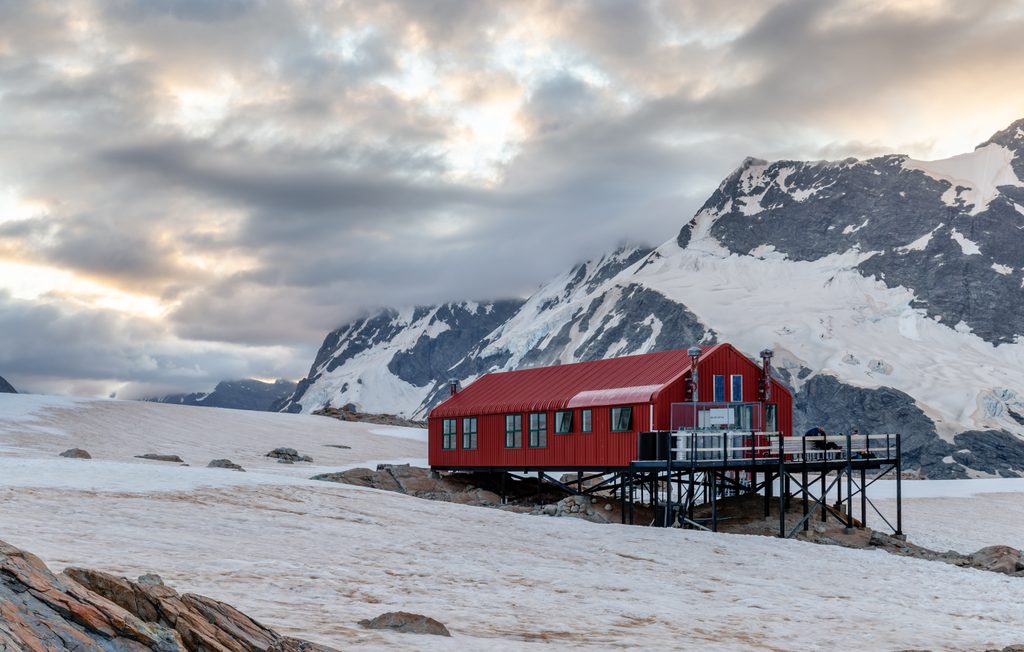
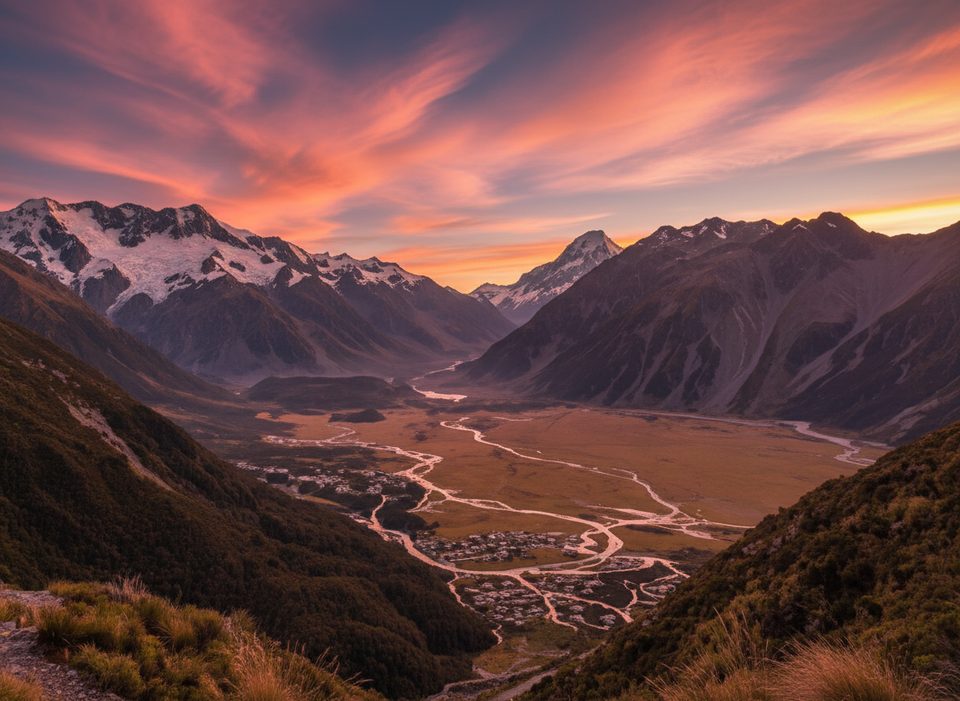
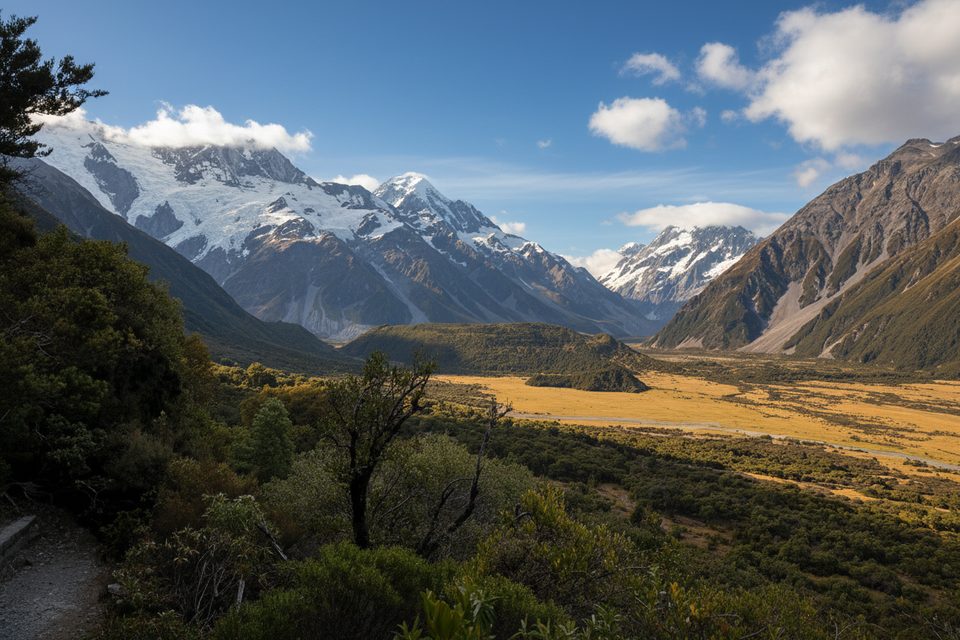
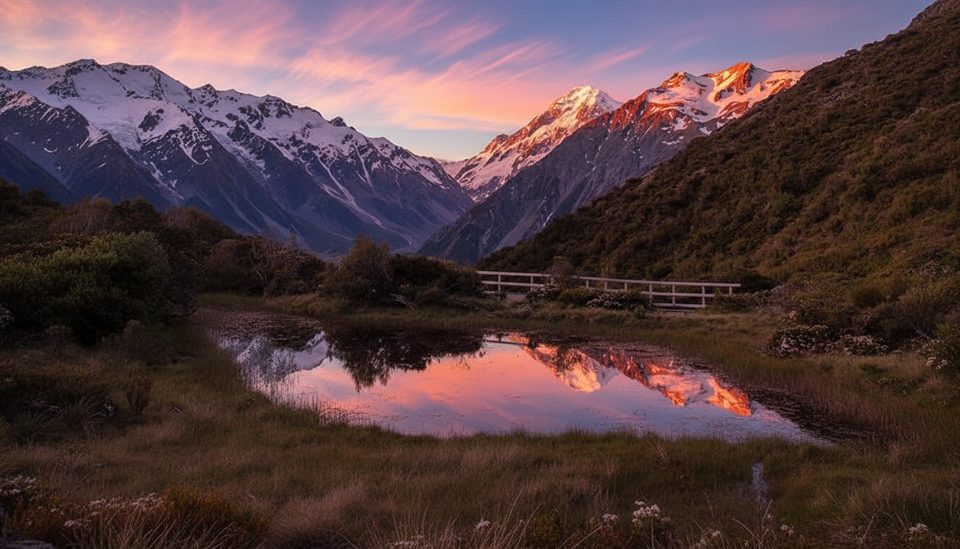
You don’t walk on the glacier; you look onto it from the Sealy Tarns and Mueller Hut route. Start at White Horse Hill carpark/campground (shared with the popular Hooker Valley Track). The first leg climbs the “stairway to heaven” to Sealy Tarns; beyond, an alpine route crosses tussock, boulder fields, and a loose scree slope to the Sealy Range and Mueller Hut. DOC estimates roughly 2 hours to Sealy Tarns, another 2 hours to the hut, and about 3 hours down. Views along this route sweep across glaciers and Aoraki/Mount Cook—this is where Mueller Glacier really shows off.
This climb is best on clear, calm days—high winds or poor visibility can make it miserable or unsafe. Avalanche danger rises in winter and spring and can occur year‑round. In summer, the stairs to Sealy Tarns are hot and exposed with little shade; pace yourself and carry plenty of water. Use Sealy Tarns as your decision point if weather turns or the group tires.
The park supports 400+ plant species and around 35 bird species. Keep an eye out for natives like the critically endangered black stilt and the pīwauwau (rock wren) in alpine zones, especially around rocky habitat.
Bookings are required for Mueller Hut in the main season (late October to late April); outside that window you’ll need to register intentions with the Visitor Centre. Carry what you need—there’s no gear rental in the village, and alpine conditions demand proper clothing, navigation tools, and (in winter conditions) ice axe, crampons, and avalanche kit.
Place · 0.7 mi away
Place · 0.8 mi away
Place · 1.1 mi away
Place · 1.5 mi away
Easy · 2.2 mi away
Easy · 2.3 mi away
Moderate · 2.3 mi away
Easy · 2.3 mi away

Parkwolf Tour Guide
