
Place · 1.4 mi away
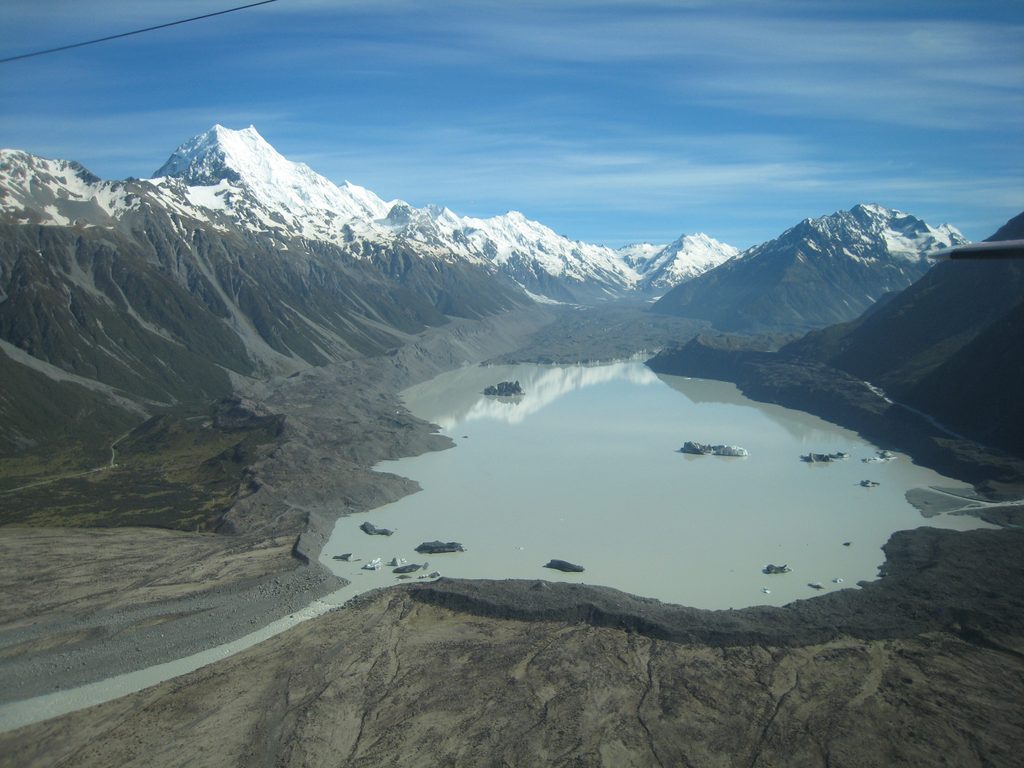
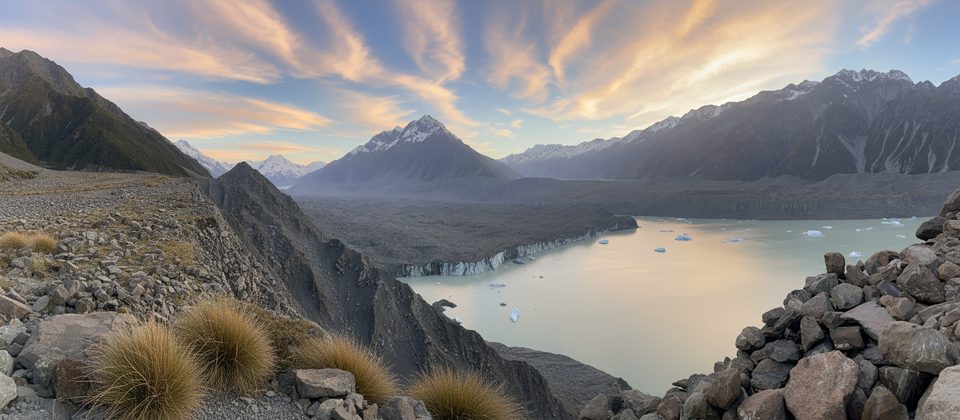
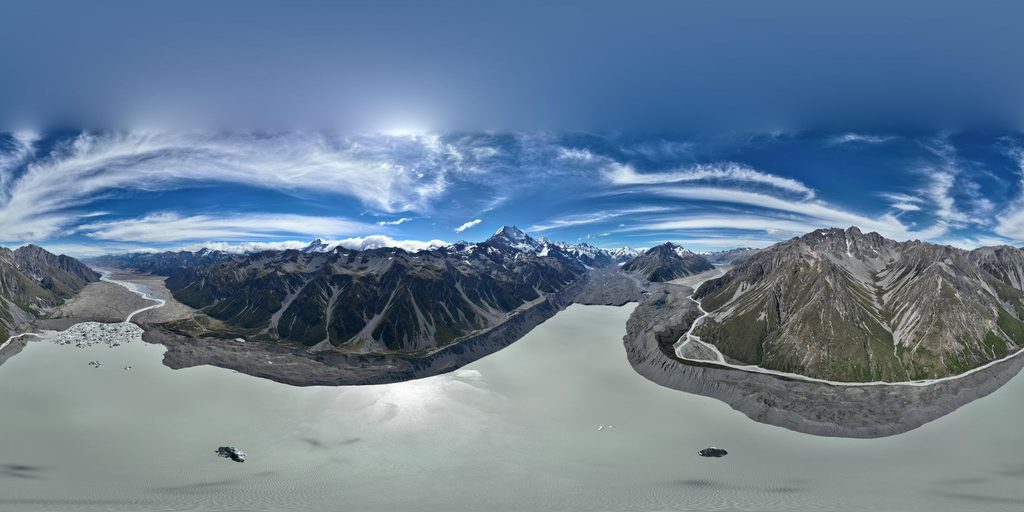
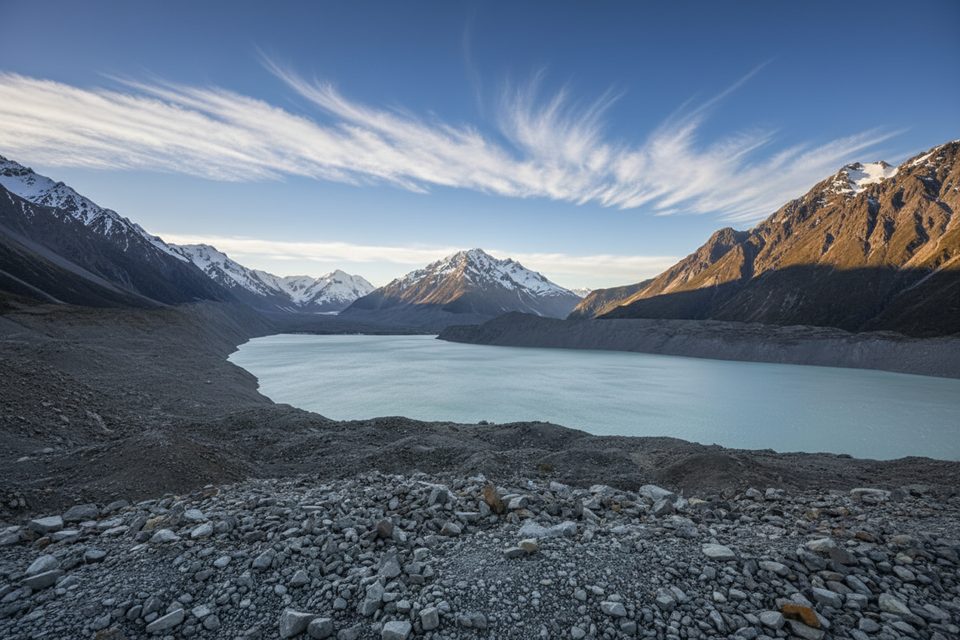
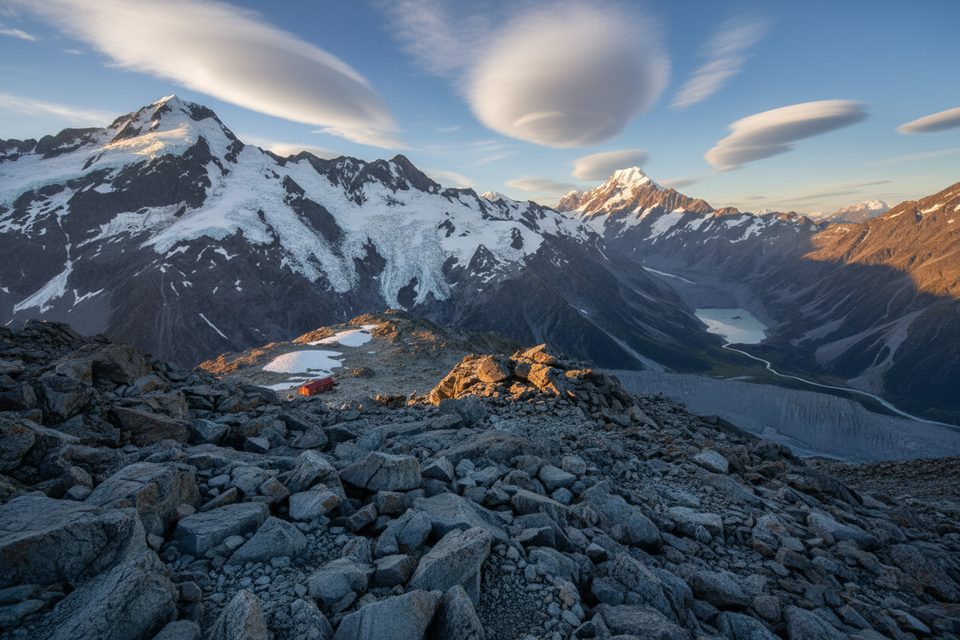
Tasman Lake is a milky-blue proglacial lake at the snout of the Haupapa/Tasman Glacier—the country’s longest—formed only since about 1973–1974 and growing as the glacier retreats. You’re looking at climate change in real time: fresh moraines ring the valley and icebergs often drift across the surface. The lake drains to the braided Tasman River, onward to Lake Pukaki.
From State Highway 80, turn onto Tasman Valley Road just before the village and drive roughly 7 km to the Blue Lakes/Tasman car park. Clear signage points to tracks for the glacier viewpoint and the lake/river edge.
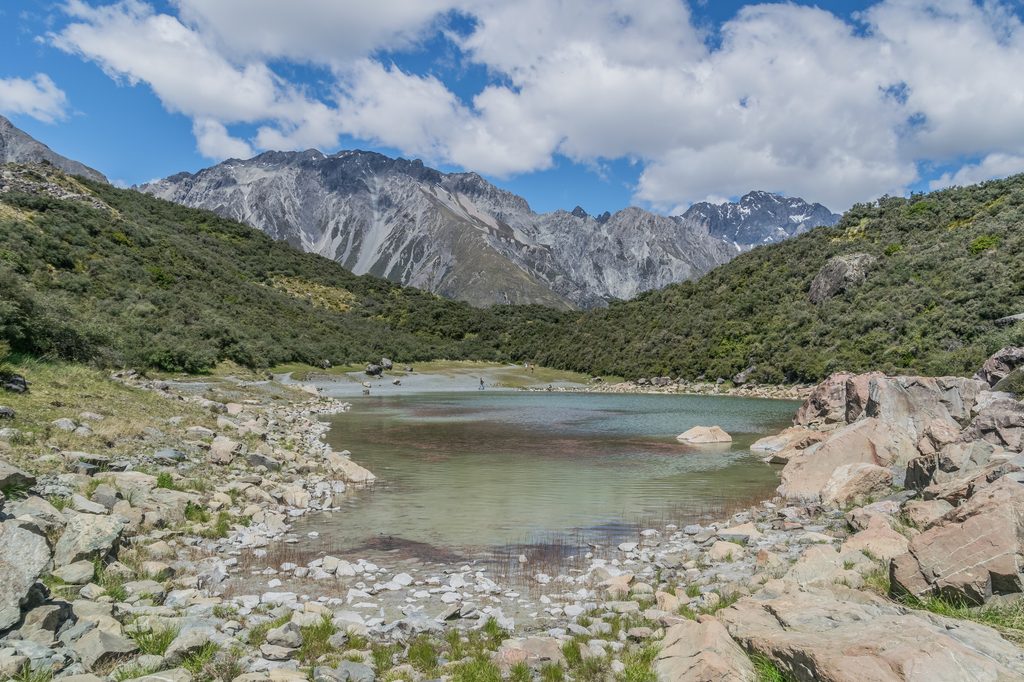
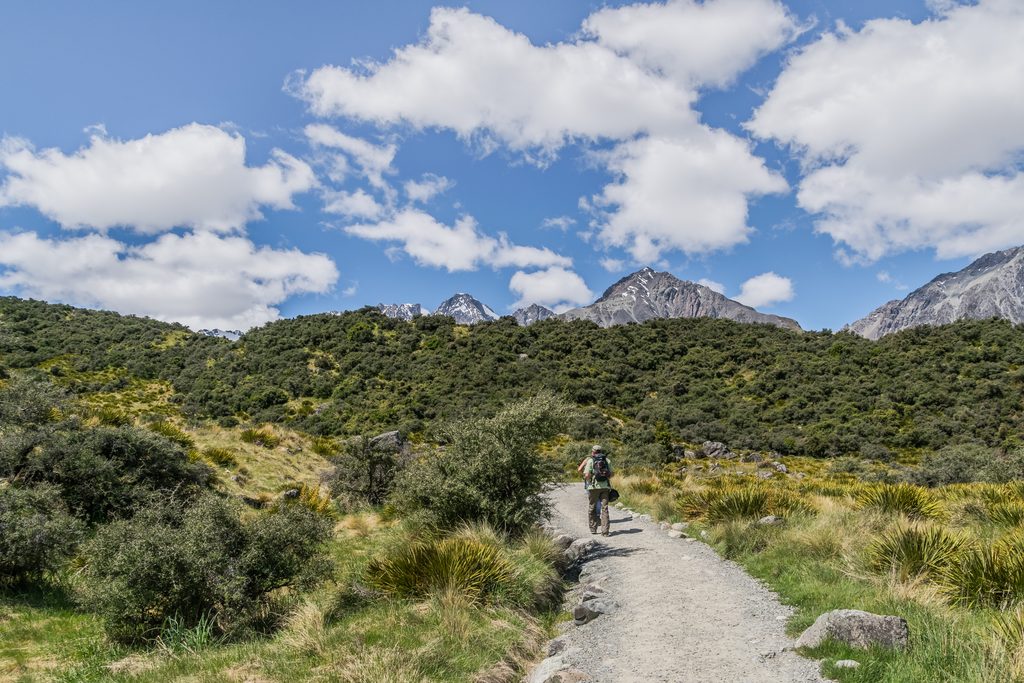
Expect rock steps, a gradual climb, and an elevation change of about 86 m—low to moderate effort. It’s around 10–15 minutes to the main glacier viewpoint, with options branching to the Tasman River edge for different angles and reflections.
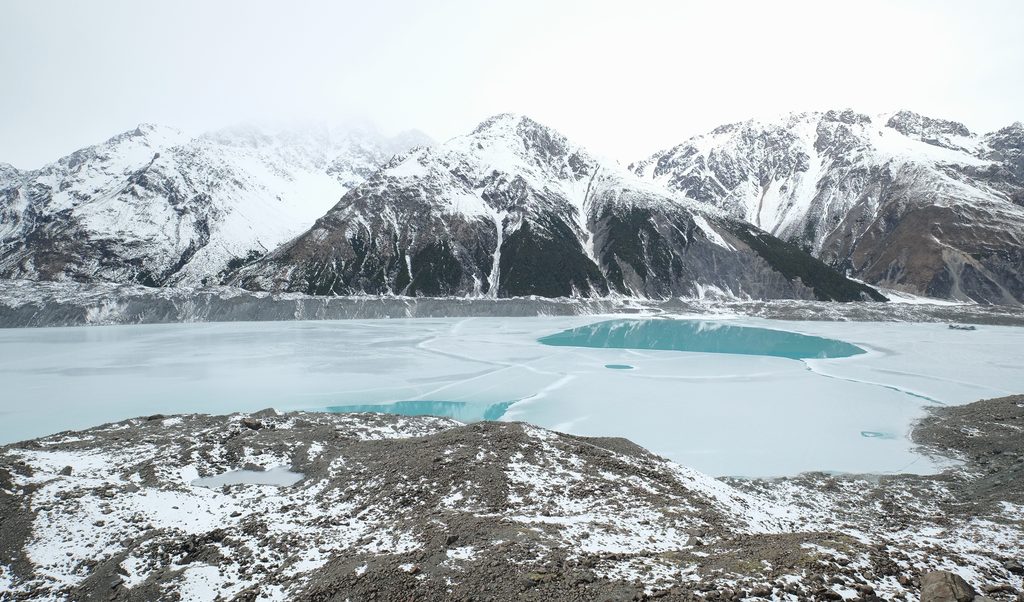
In summer, icebergs are commonly spotted bobbing around the terminal lake; in winter, parts of the surface can freeze. The debris-mantled glacier and stark moraines make for dramatic, otherworldly scenes.
Haupapa/Tasman Glacier is about 23 km long, and its rapid retreat created and continues to enlarge the lake. Notably, after the 22 February 2011 Christchurch earthquake, tens of millions of tonnes of ice calved into the lake, sending waves across the water—an unforgettable reminder that everything here is in motion.
Commercial boat and kayak trips operate on the lake, keeping a respectful distance from the terminal face but getting you close to towering ice and the scale of the moraine walls.
This valley isn’t a wildlife hotspot, but the wider park is home to kea—the curious alpine parrot—so keep an eye (and your snacks) out around car parks and rest areas.
Do not enter the water or step onto lake ice. The water hovers around 3°C, the ice can be thin, and icebergs can roll without warning. Weather shifts fast—bring layers and sturdy footwear. Recreational drones aren’t permitted anywhere in the national park.
Go early or late in the day to beat the busier midday window and get softer light on the moraine walls. On calm days, head toward the Tasman River viewpoint for the best reflections.
Place · 1.4 mi away
Place · 1.4 mi away
Place · 1.4 mi away
Place · 1.4 mi away
Easy · 1.7 mi away
Easy · 1.7 mi away
Challenging · 5.2 mi away
Challenging · 5.2 mi away

Parkwolf Tour Guide
