
Place · 1.4 mi away
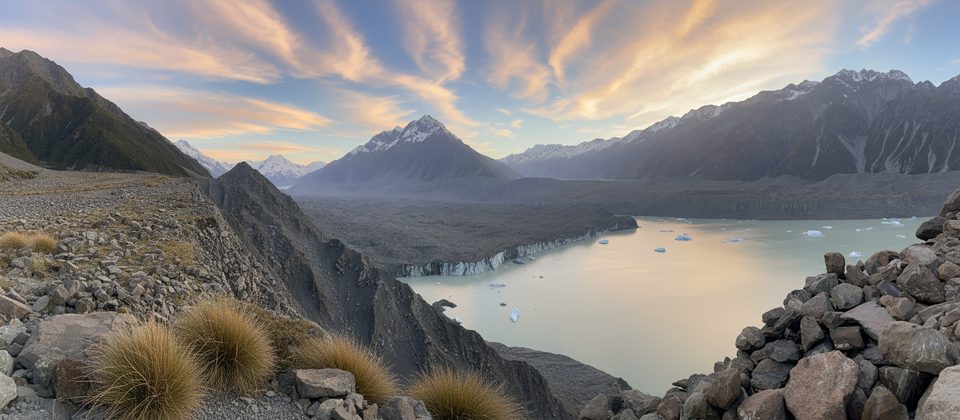
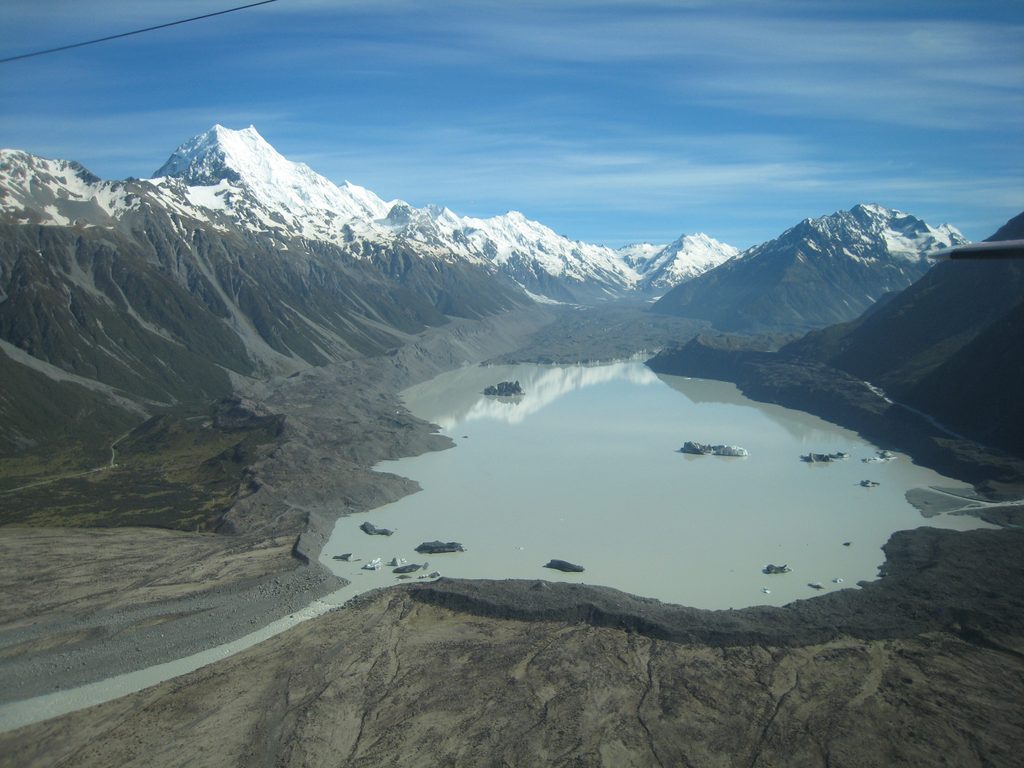
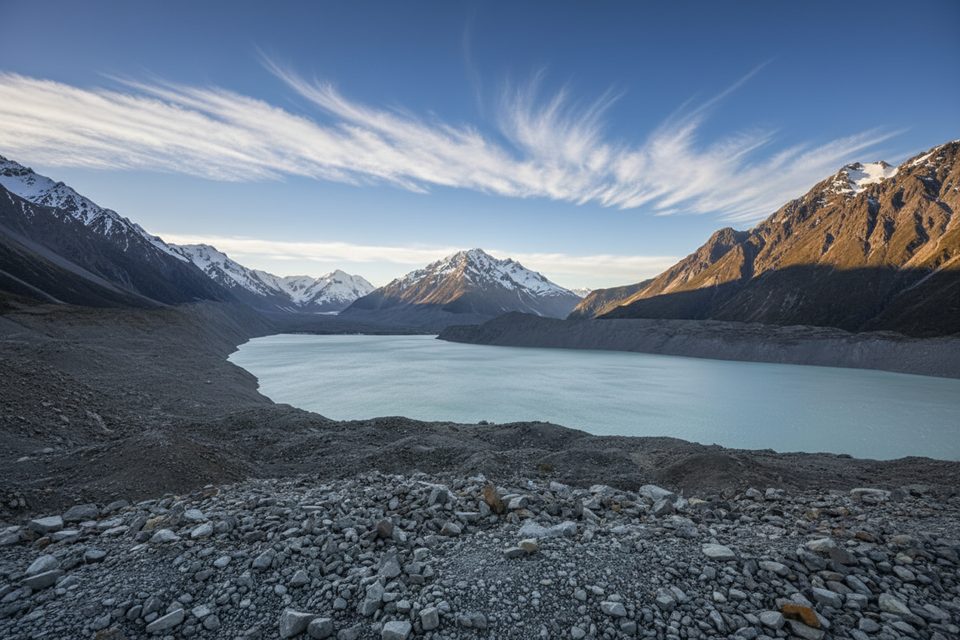
Husky Flat is a scenic turnaround point along the old Ball Shelter (Ball Hut) 4WD road on the Tasman side of the park. It trades Hooker Valley’s crowds for wide‑open views of Tasman Lake, the glacier’s snout, and big surrounding peaks. There’s nothing built here—just raw moraine country and a front‑row seat to glacial change.
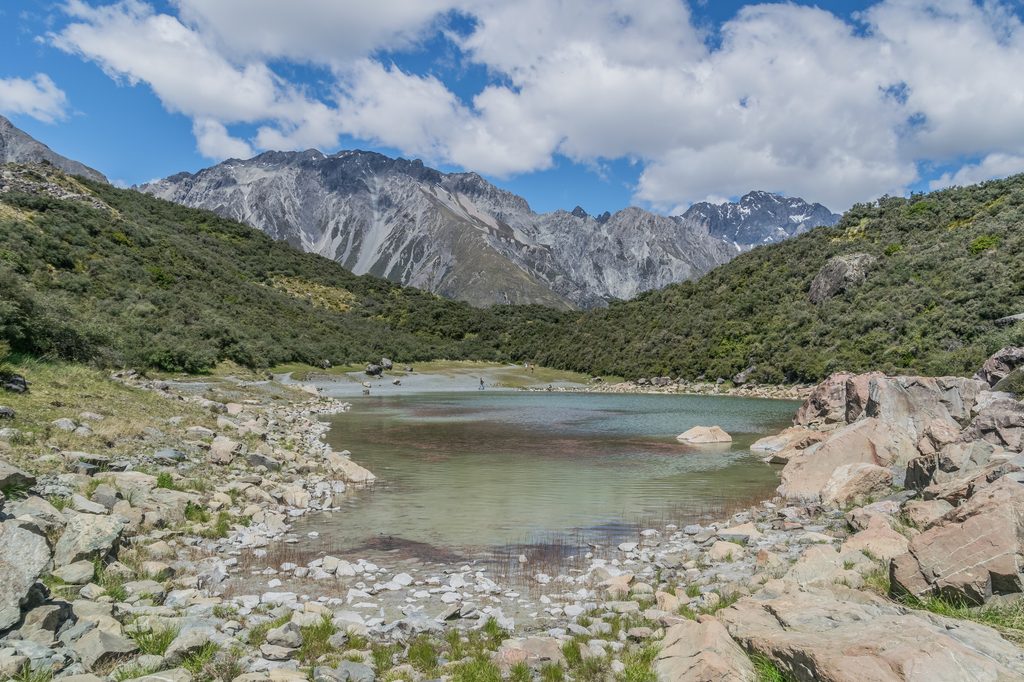
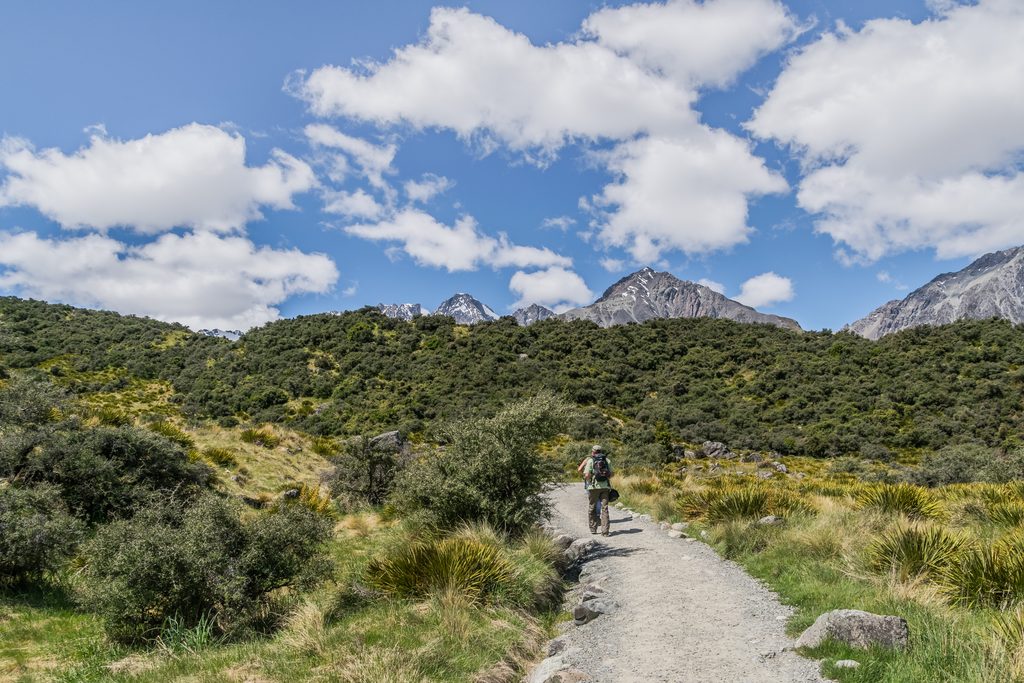
Start from the Tasman Lakes area and quickly veer left at the DOC “Blue Lakes” sign. The path to the first Blue Lake is formed; reaching the second and third tarns gets rougher, with light scrub and some route‑finding. From there, pop up to the Ball Shelter 4WD track and turn right toward Husky Flat. Expect a mix of easy cruising and careful footwork—this old road can be deeply rutted and holds water even after dry spells, and you may encounter vehicles or mountain bikes.
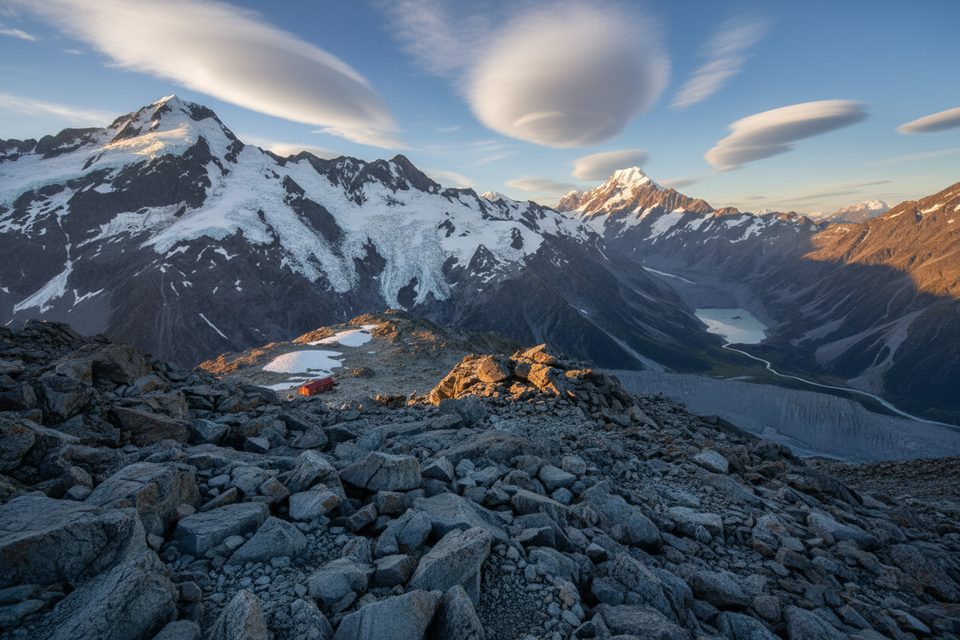
The payoff is all about the vantage: sweeping looks across the milky waters of Tasman Lake to the glacier terminus, framed by the valley’s stark moraine walls. It’s a natural pause point before terrain seriousness ramps up.
Treat the moraine margins with respect—the walls throughout this area are unstable and prone to slumping. A major 2019 weather event carved an impassable gorge at Husky Flat; any continuation toward Ball Hut, Caroline Hut, or Ball Pass now demands advanced navigation and backcountry chops on unmarked, shifting ground. Guides have cut a rough workaround, but it’s slow and serious. In winter and spring (roughly June–November), large avalanches can cross sections of the Ball Road/Track—get current advice from the Aoraki/Mount Cook Visitor Centre before committing.
There are no toilets, water, or shelter at Husky Flat. Carry all you need and follow backcountry toileting practice if necessary. Unauthorised drones are not allowed in the national park.
Bring reliable offline mapping or a topo: NZTopo50 sheets BX15 and BX16 cover the area. There’s no marked route beyond Husky Flat, and even before that the moraine landscape is dynamic.
There are no set hours here. Aim for periods outside avalanche season if you’re venturing near or beyond the flat, and always check conditions with the Visitor Centre—especially in late spring (November) when avalanche hazard can linger. For most visitors, Husky Flat itself is the sensible turnaround point.
Place · 1.4 mi away
Place · 1.5 mi away
Place · 2 mi away
Place · 2.5 mi away
Easy · 2.8 mi away
Easy · 2.8 mi away
Challenging · 5.9 mi away
Challenging · 5.9 mi away

Parkwolf Tour Guide
