
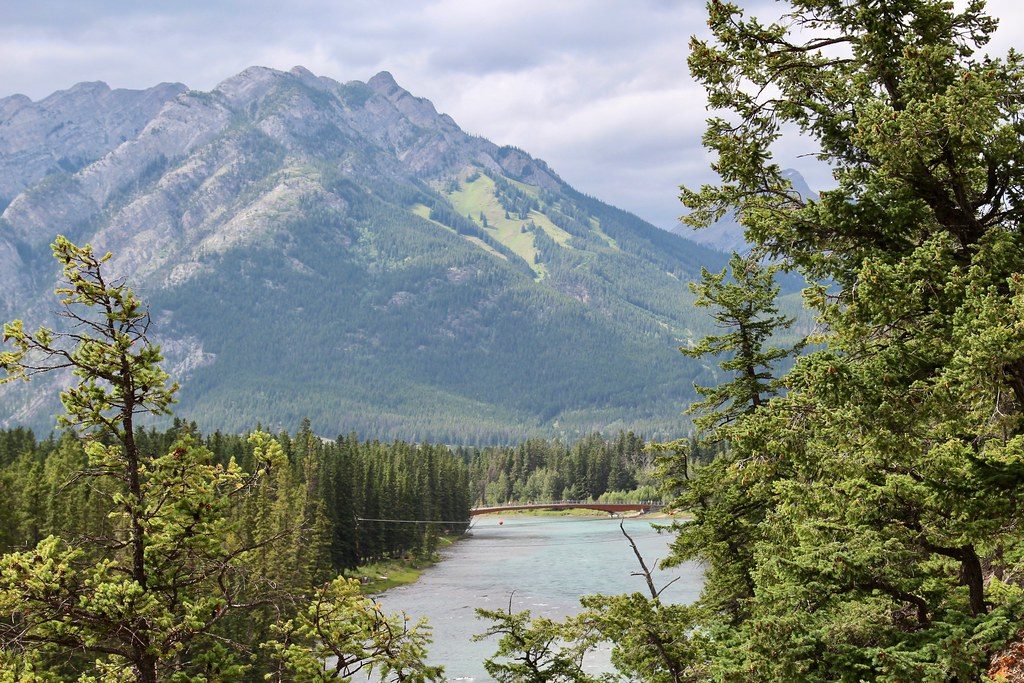
Place · 0.1 mi away
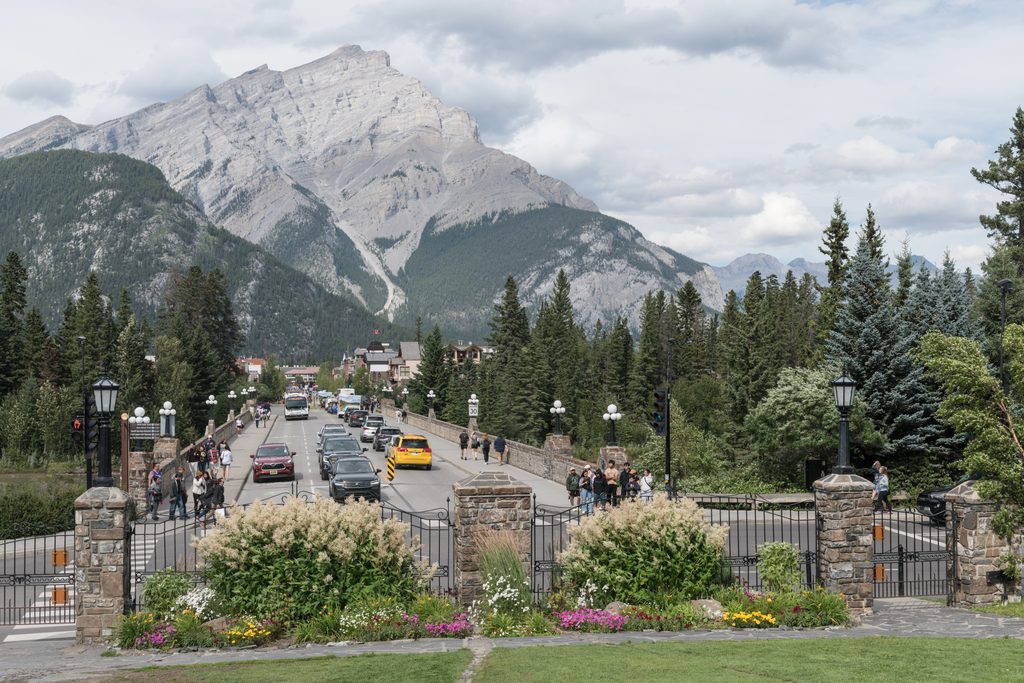
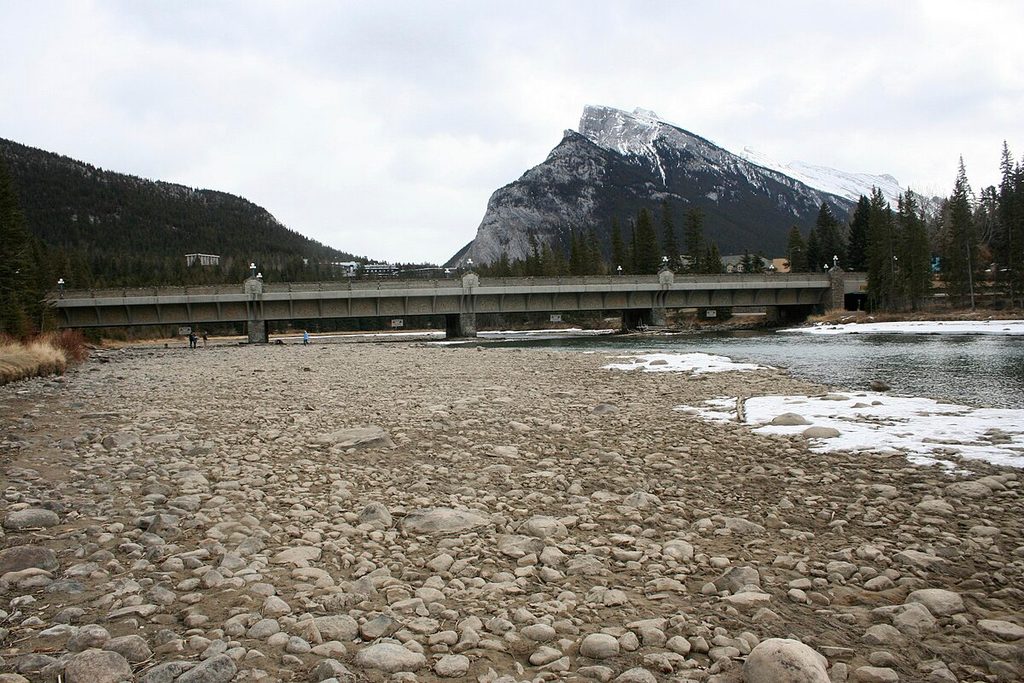
The Bow River Bridge is the historic road bridge at the foot of Banff Avenue, a handsome concrete span faced with local river stone and Rundle rock. It’s more than a crossing—it’s a postcard viewpoint with big-mountain backdrops and a front-row look at the turquoise Bow.
Unlike the sleek timber pedestrian bridge nearby, this is the original in-town crossing, complete with stone balustrades and six cast reliefs of a headdressed figure—quirky details that give the bridge its character. From the sidewalks you get wide-open views up and down the river, with Mount Rundle and Cascade anchoring the skyline.
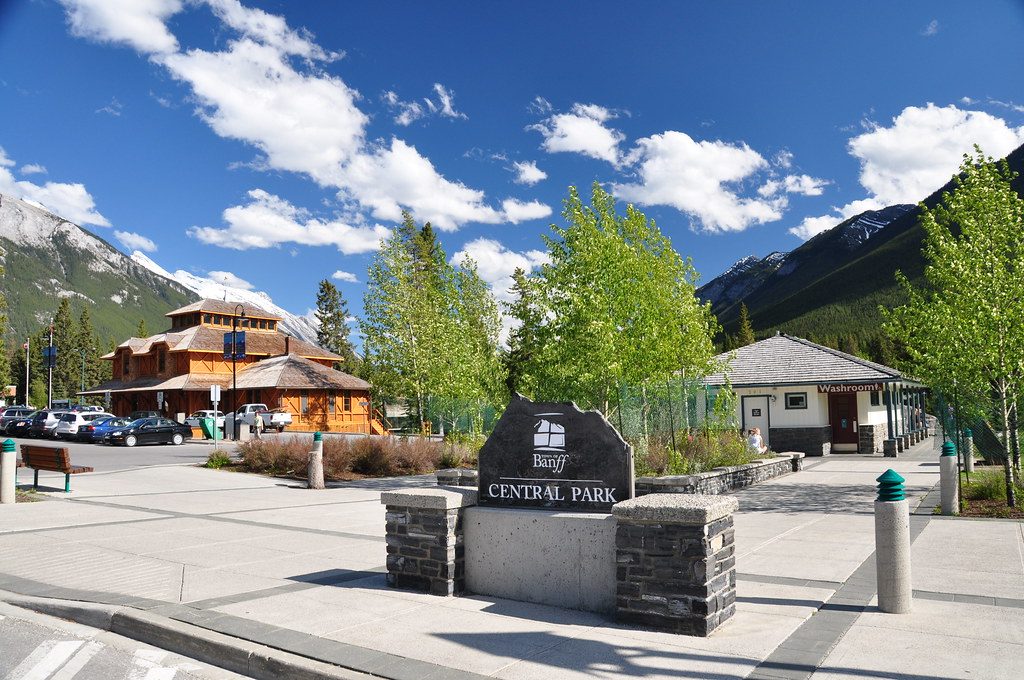
This is the vehicle bridge; the separate Bow River Pedestrian Bridge sits close by and offers a quieter, modern timber span. From the north end you can link straight into the Bow River Trail and stroll the riverbank. Central Park is steps away with washrooms, water fillers, picnic tables, and convenient parking.
Banff’s first crossings were a pontoon (1883) and then a single-lane steel truss (1887). After residents pushed to replace the “unsightly and dangerous” truss, the current concrete bridge—guided by early City Beautiful-era plans—rose in the early 1920s. It’s now recognized by the Town as a Municipal Historic Resource and remains the townsite’s signature crossing.
Keep an eye on the riverbanks for waterfowl; elk and deer can show up in town, and you might spot beavers or muskrats along calmer sections of the Bow. Treat any wildlife encounters with space and respect.
The Town has scheduled significant rehabilitation (deck and masonry work), with periods of lane and sidewalk closures and occasional overnight work. Expect short-term detours and follow on-site signage when crews are active.
Place · 0.1 mi away
Place · 0.2 mi away
Place · 0.2 mi away
Place · 0.2 mi away
Easy · 0.1 mi away
Easy · 0.2 mi away
Easy · 0.3 mi away
Easy · 0.6 mi away

Parkwolf Tour Guide
