
Place · 0 mi away
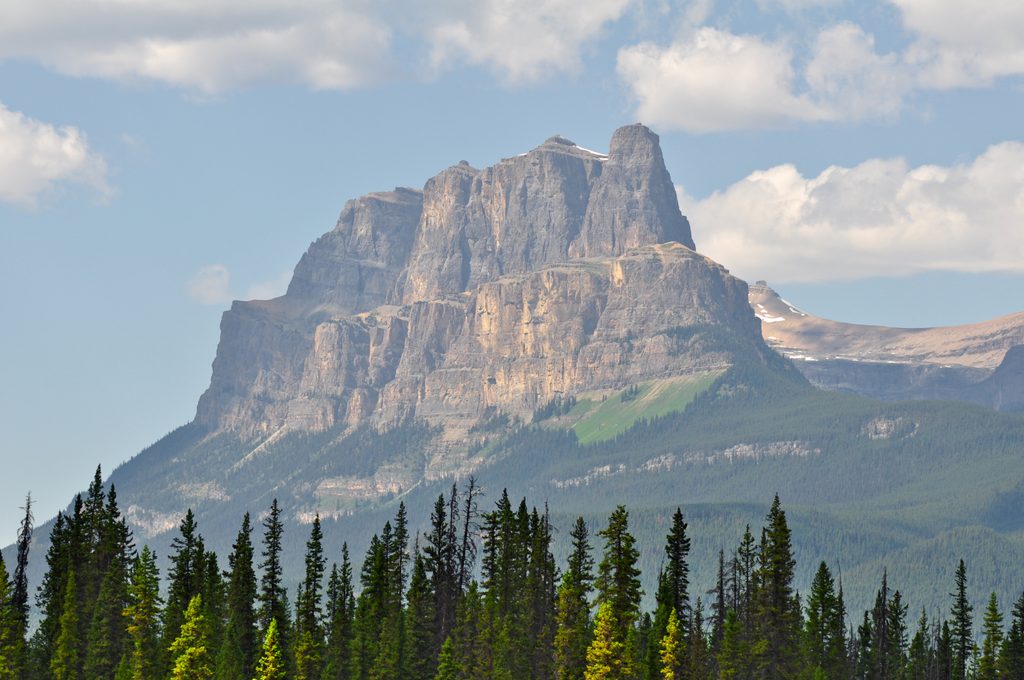
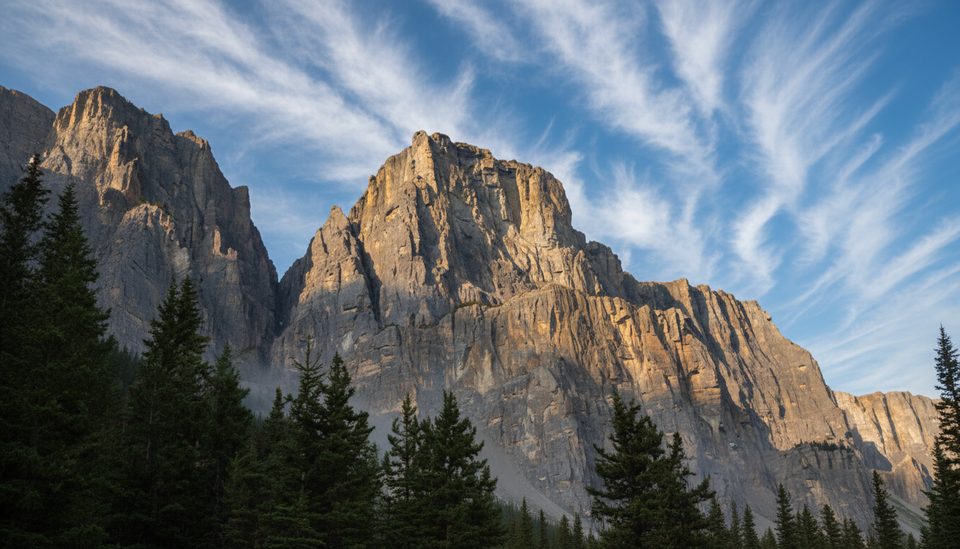
Castle Mountain dominates the Bow Valley between Banff and Lake Louise with a silhouette that really does look like a castle—two tiers of cliffs stacked like battlements. It’s one of the corridor’s most photographed peaks and a favorite roadside stop for sunrise or sunset shots.
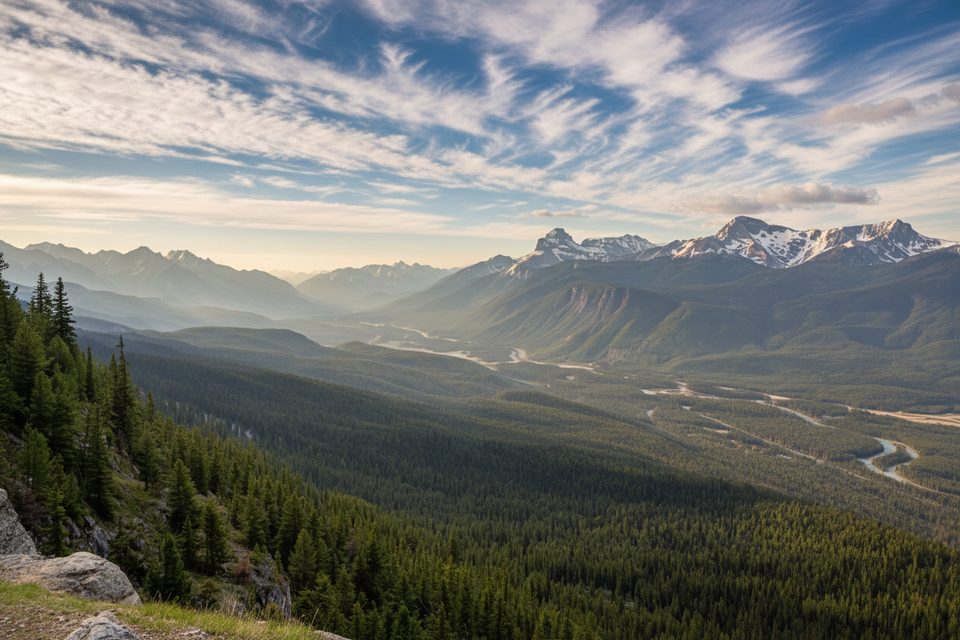
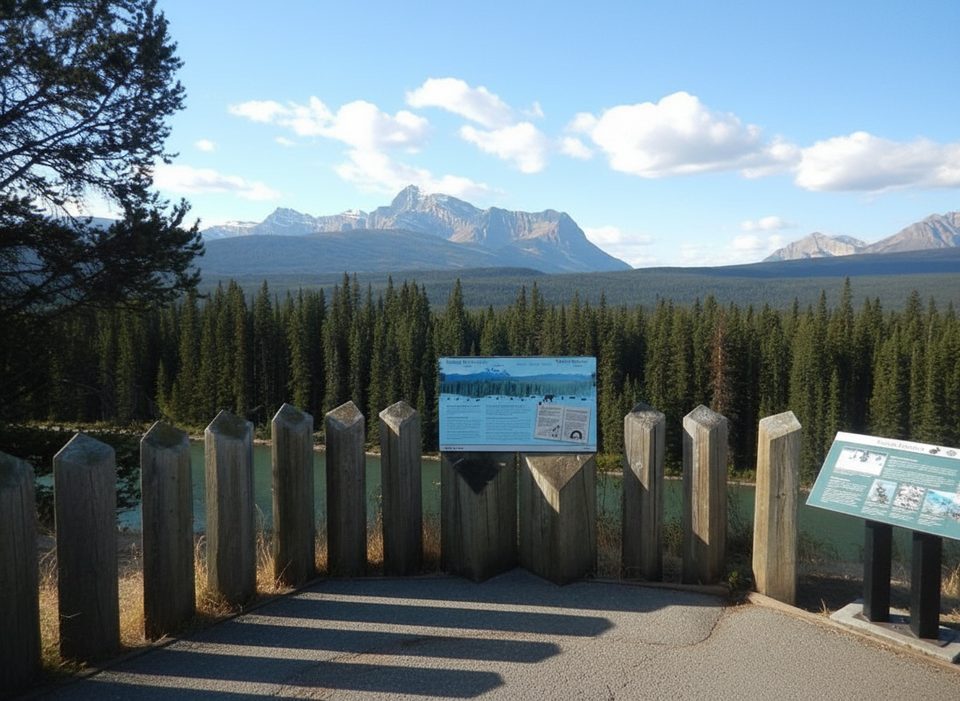
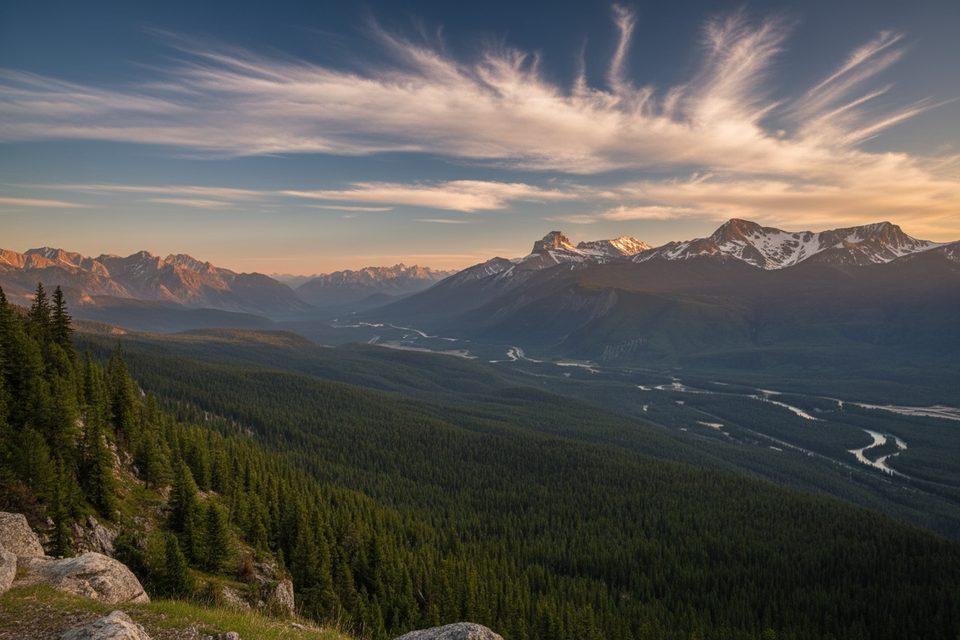
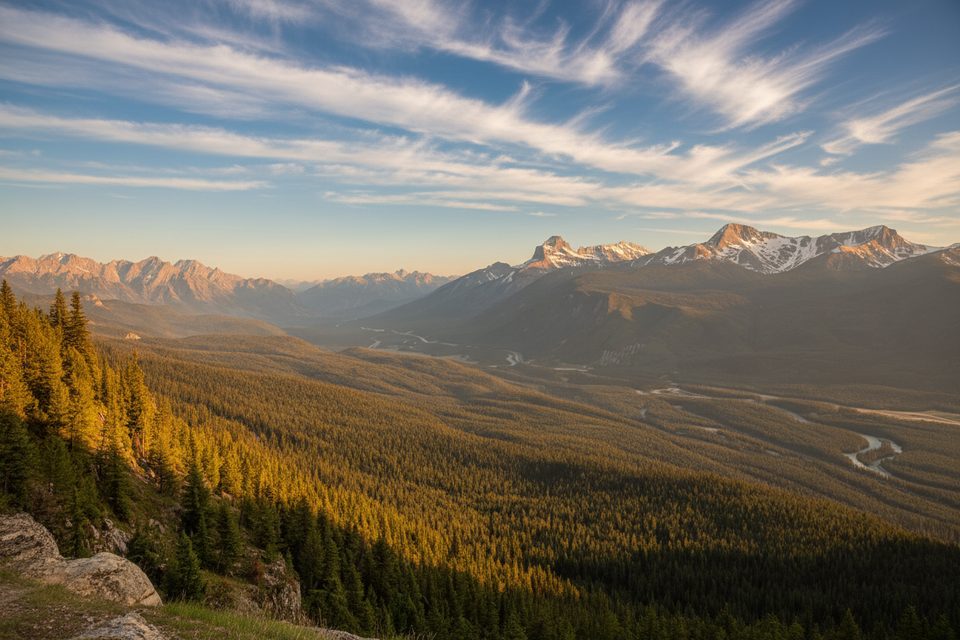
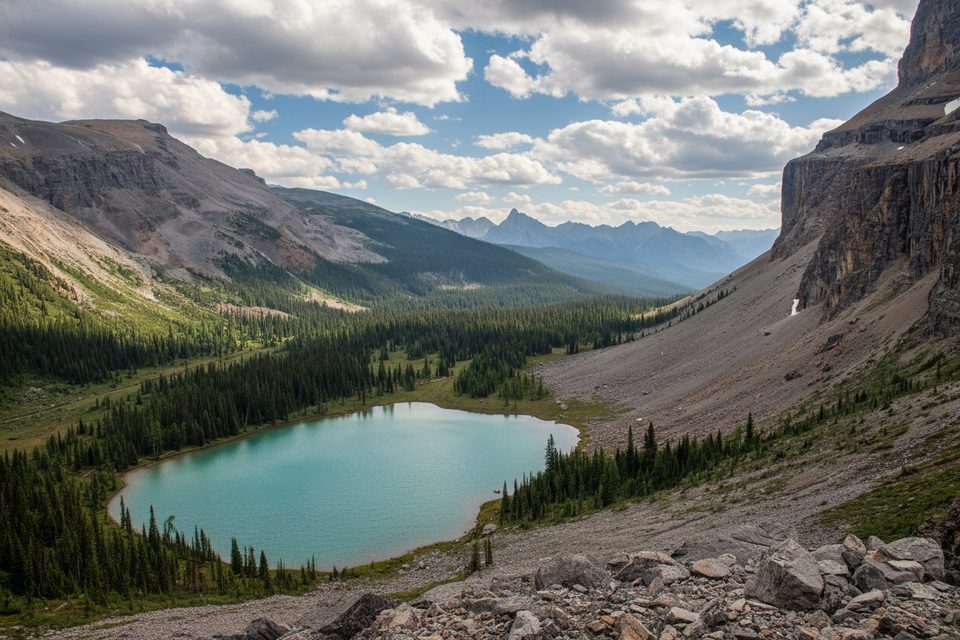
From the road, the massif fills the skyline. On trail, Castle Mountain Lookout delivers wide Bow Valley vistas, while the longer Rockbound Lake route peers right up at the sheer walls and into a rugged cirque. On crystal days you can spot far-ranging peaks, and in late season the larches near Rockbound Lake glow gold.
The “castle” shape comes from layers that erode at different rates: tough limestone and dolomite walls separated by a ledge of the Stephen Formation—the same rock unit tied to Yoho’s famous Burgess Shale. The mountain also rides a major thrust fault, with older rocks pushed over younger ones, which is classic Rockies geology.
Named in 1858 by James Hector because, well, it looks like a castle. It was renamed Mount Eisenhower in 1946 and restored to Castle Mountain in 1979—Eisenhower Tower still keeps the nod. You’ll also find traces of the old Silver City mining era and a World War I internment site in the broader area.
Typical Banff regulars roam here—elk, deer, marmots, and both black and grizzly bears. Summer brings wildflowers along the lower trails, and mosquitoes can show up in the wooded and lakeside sections. Carry bear spray and give wildlife space.
There are no services on the mountain itself. Castle Junction at the base has lodging options, a campground, and limited services, but once you’re on trail you’re on your own—plan water and food accordingly. Trails are signed at their starts.
Place · 0 mi away
Place · 1.7 mi away
Place · 2.2 mi away
Place · 3.3 mi away
Moderate · 2.1 mi away
Moderate · 2.2 mi away
Moderate · 3.7 mi away
Challenging · 3.7 mi away

Parkwolf Tour Guide
