
Place · 0 mi away
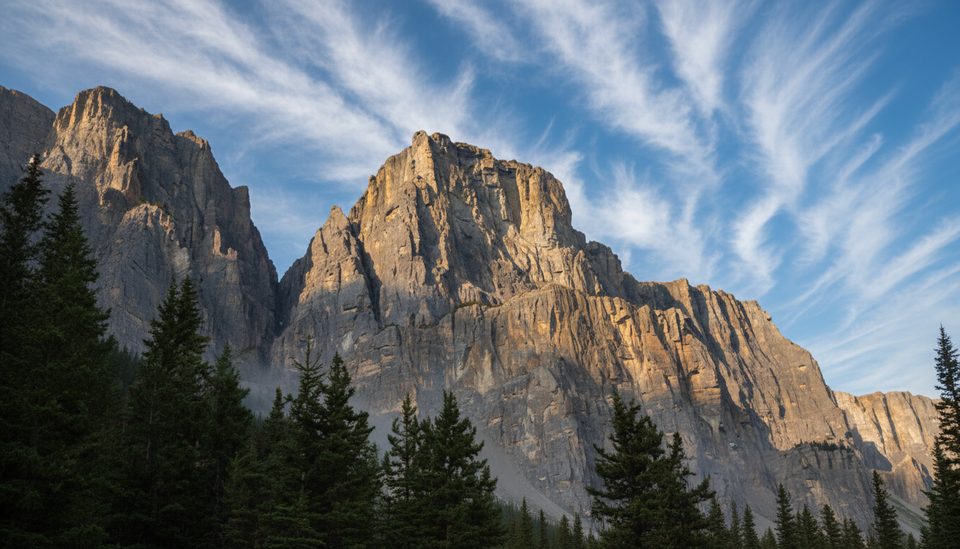
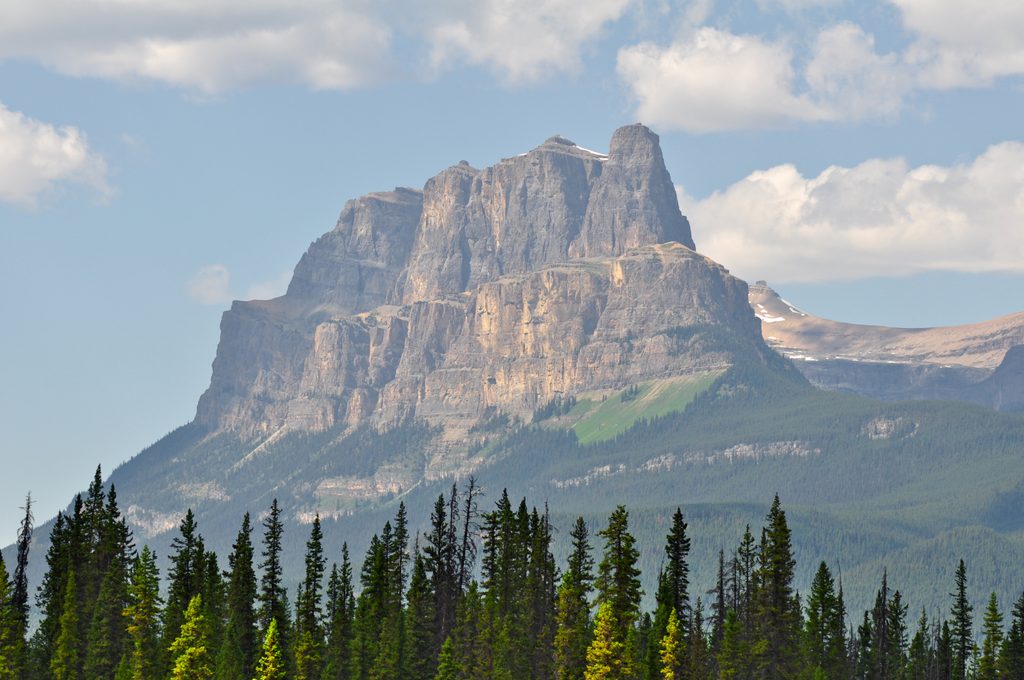
Eisenhower Tower is the isolated eastern pinnacle of Castle Mountain—a steep, castellated wall you’ve probably admired from the Bow Valley Parkway. This is a climber’s objective first and foremost: a proud limestone-and-dolomite tower around 2720 m with airy positions and full Rockies exposure.
Guides and trip reports peg the usual lines in the 5.5–5.7 range, depending on the exact start and conditions. Expect exposed pitches, satisfying movement, and a summit perch with sweeping views of the Bow Valley. Rappelling from established anchors is the standard descent—have a clear plan before you commit.
Most parties hike from the Rockbound Lake trailhead on the Bow Valley Parkway (Hwy 1A), gaining the Goat Plateau and traversing beneath the tower. Features like the Dragon’s Back add to the drama. The approach is long, with scree and some route-finding. Periodic closures or parking constraints along 1A do happen—check current conditions before you go.
This is an alpine climb, not a casual hike. Weather shifts fast; even midsummer can see fresh snow at higher elevations, though the tower often dries quickly afterward. Loose rock exists in places, especially on approaches and gullies. Helmets, layers, plenty of water/food, navigation tools, and an emergency kit are essential.
Castle Mountain was renamed Mount Eisenhower in 1946 to honor Dwight D. Eisenhower. In 1979, the original name was reinstated for the massif, and the tribute was retained by naming this prominent eastern tower Eisenhower Tower.
High alpine wildlife is hit-or-miss, but the broader area supports mountain goats, bighorn sheep, marmots, and birds of prey. You’re more likely to spot them at dawn or dusk on quieter days.
Experienced alpine rock climbers or those hiring a local guide. If you’re after an easy viewpoint, this isn’t it—save it for when you want a big day out with real commitment.
Place · 0 mi away
Place · 1.7 mi away
Place · 2.2 mi away
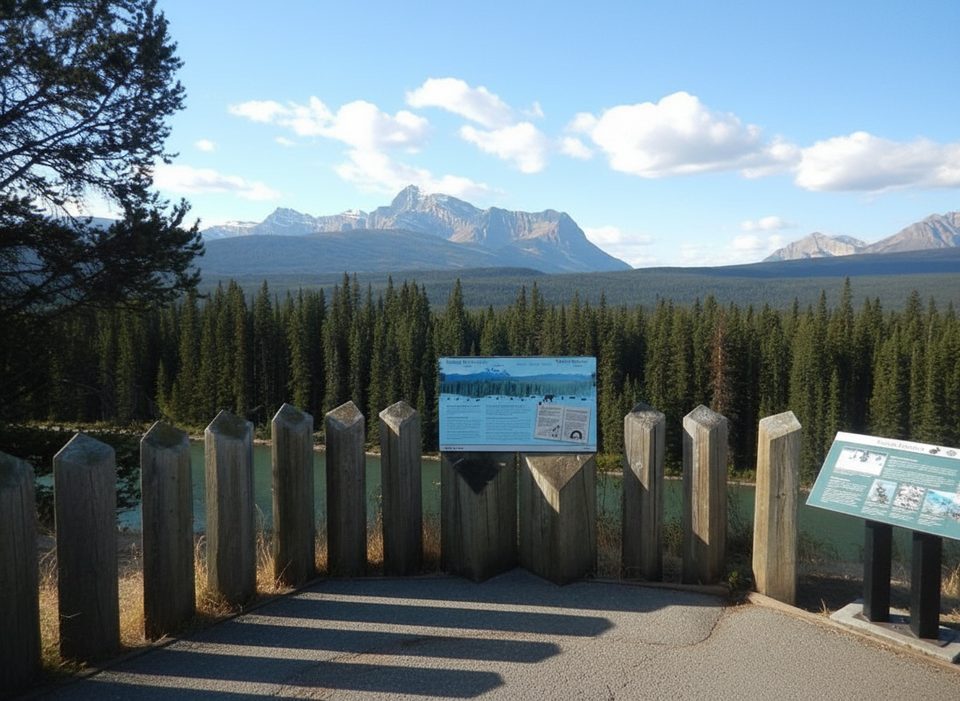
Place · 3.3 mi away
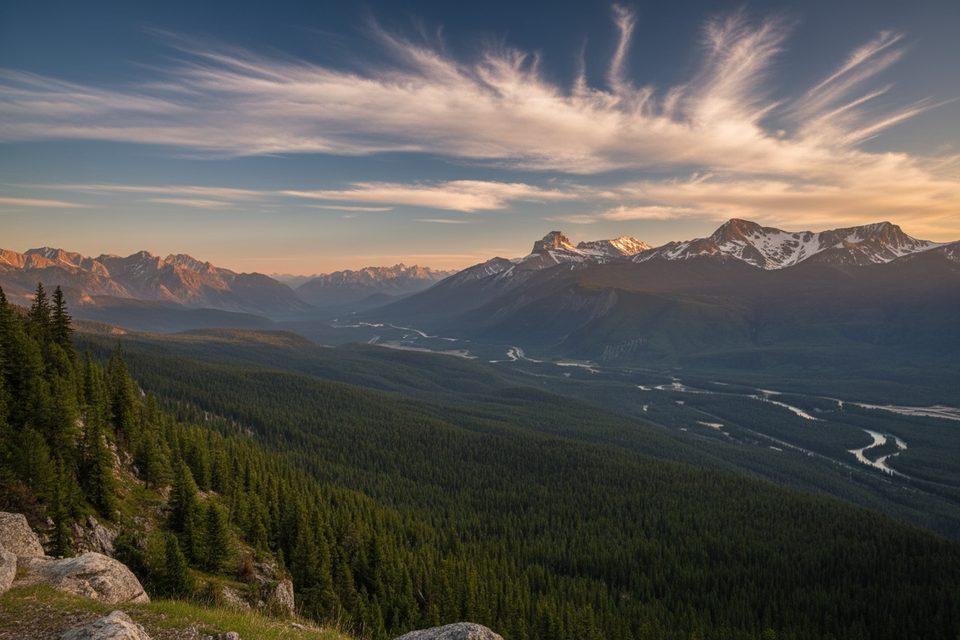
Moderate · 2.1 mi away
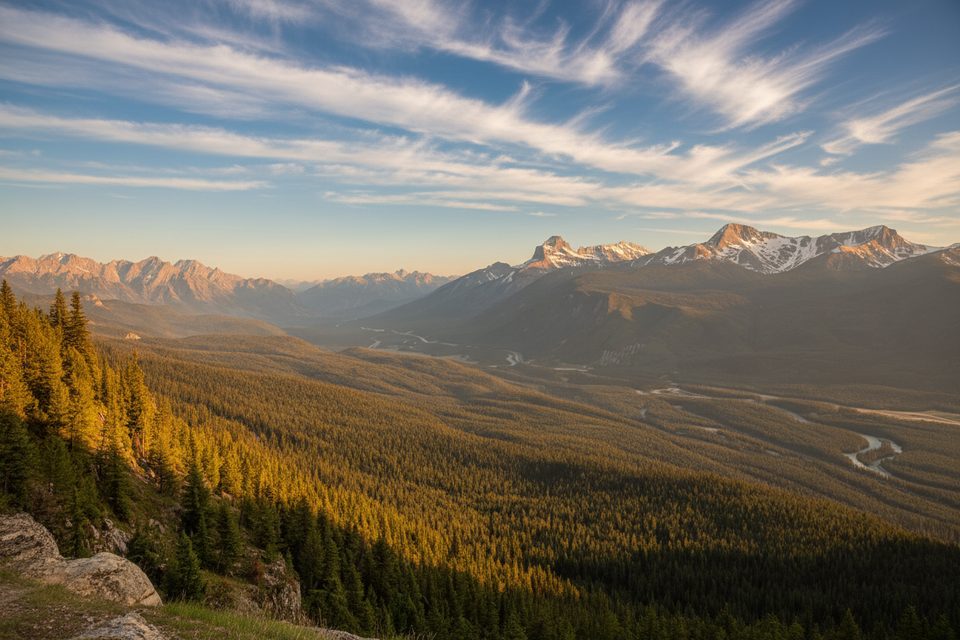
Moderate · 2.2 mi away
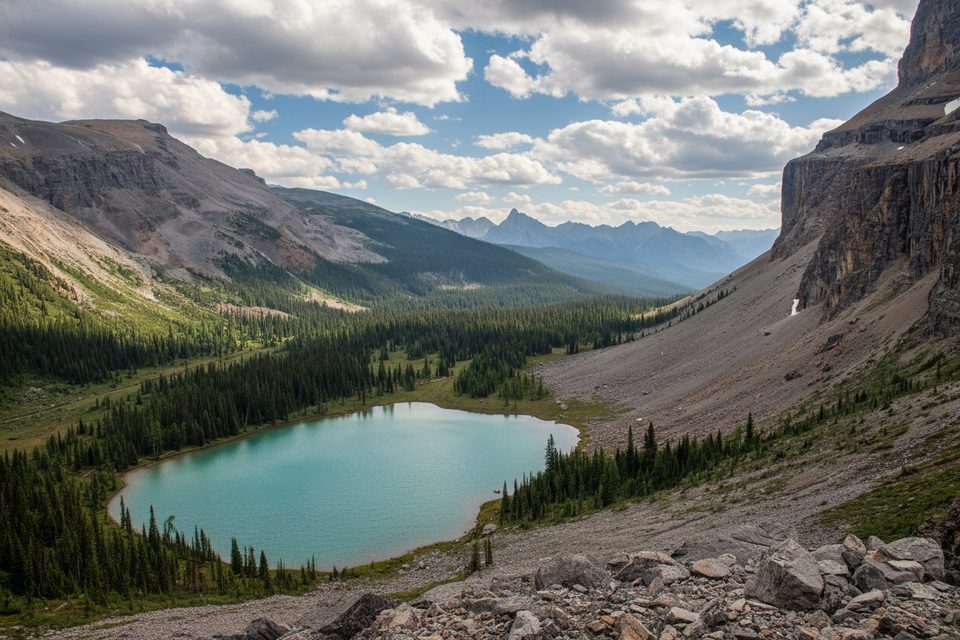
Moderate · 3.7 mi away
Challenging · 3.7 mi away

Parkwolf Tour Guide
