What it is
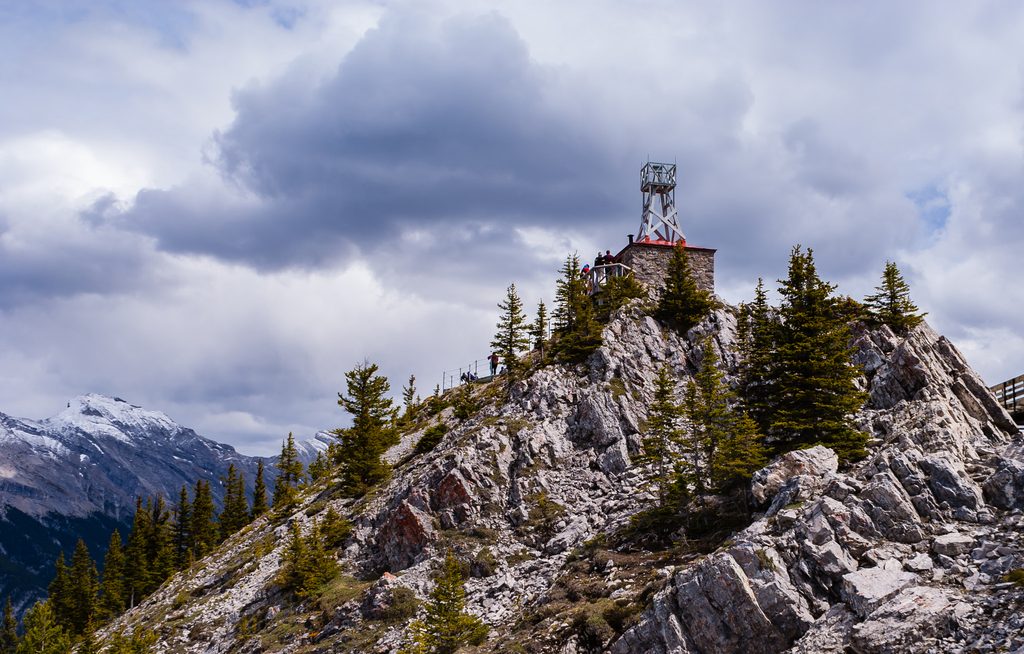
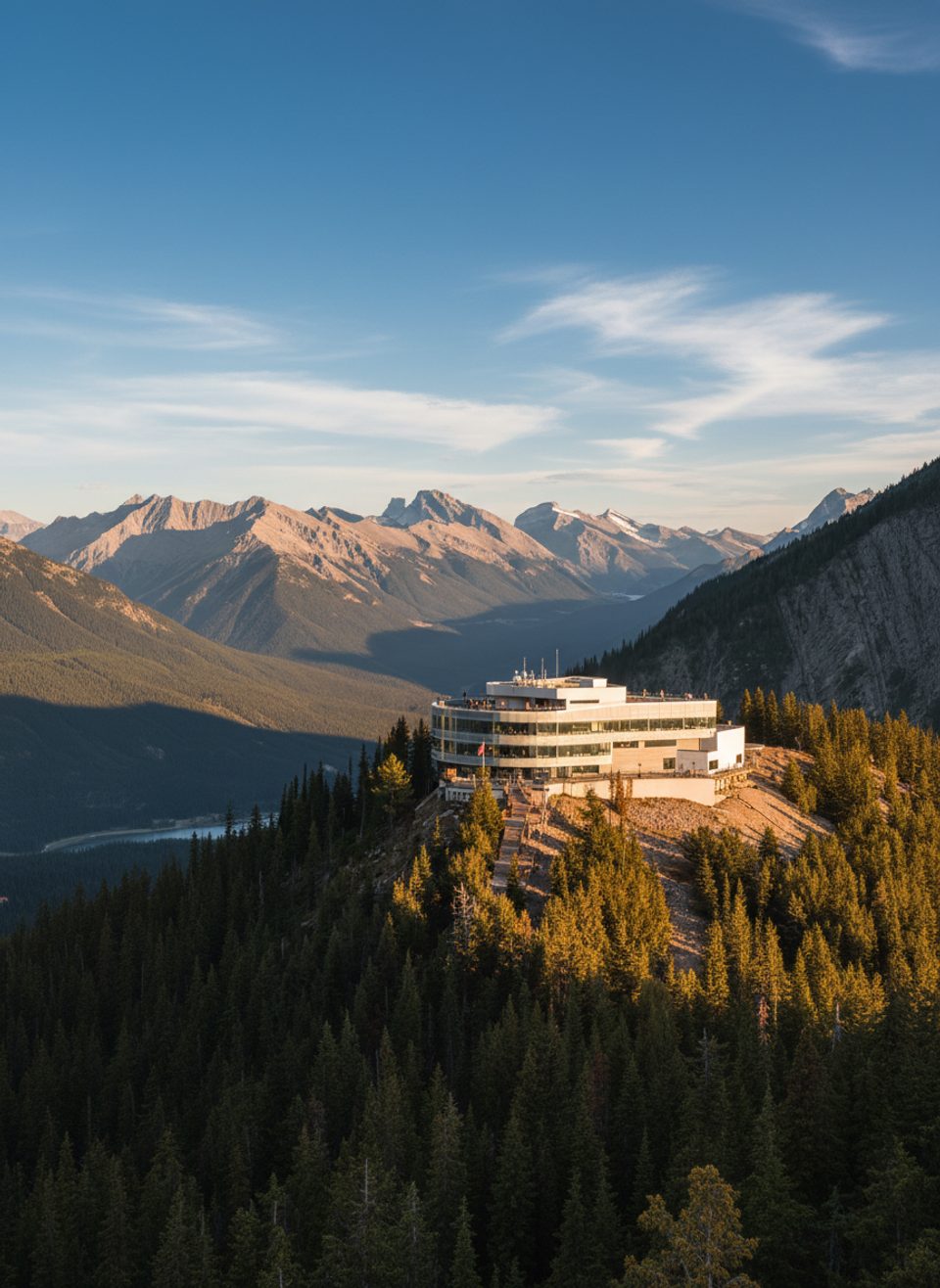
A tiny, historically loaded spot at the very top of Sulphur Mountain. Built in 1956–57 for the International Geophysical Year, this was Canada’s most important cosmic-ray station thanks to its elevation. What’s up here now are the modest remains and interpretive signs—come for the history, stay for the views.
What you’ll see
- The compact, boarded-up research structure and informative panels explaining the science and timeline.
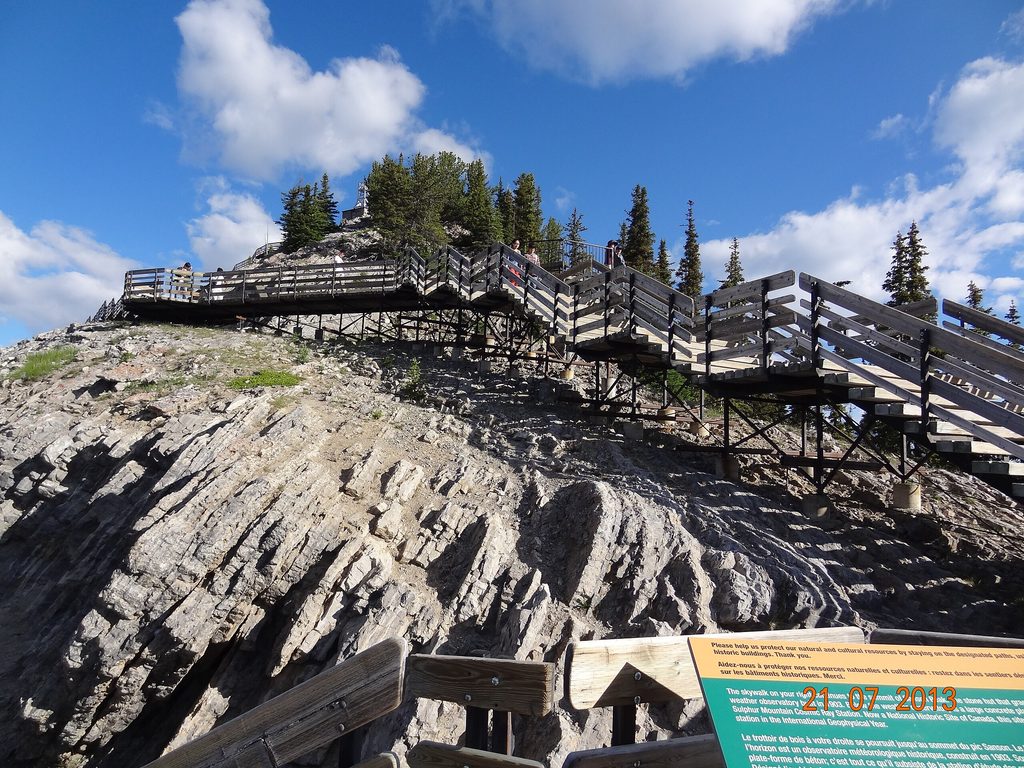
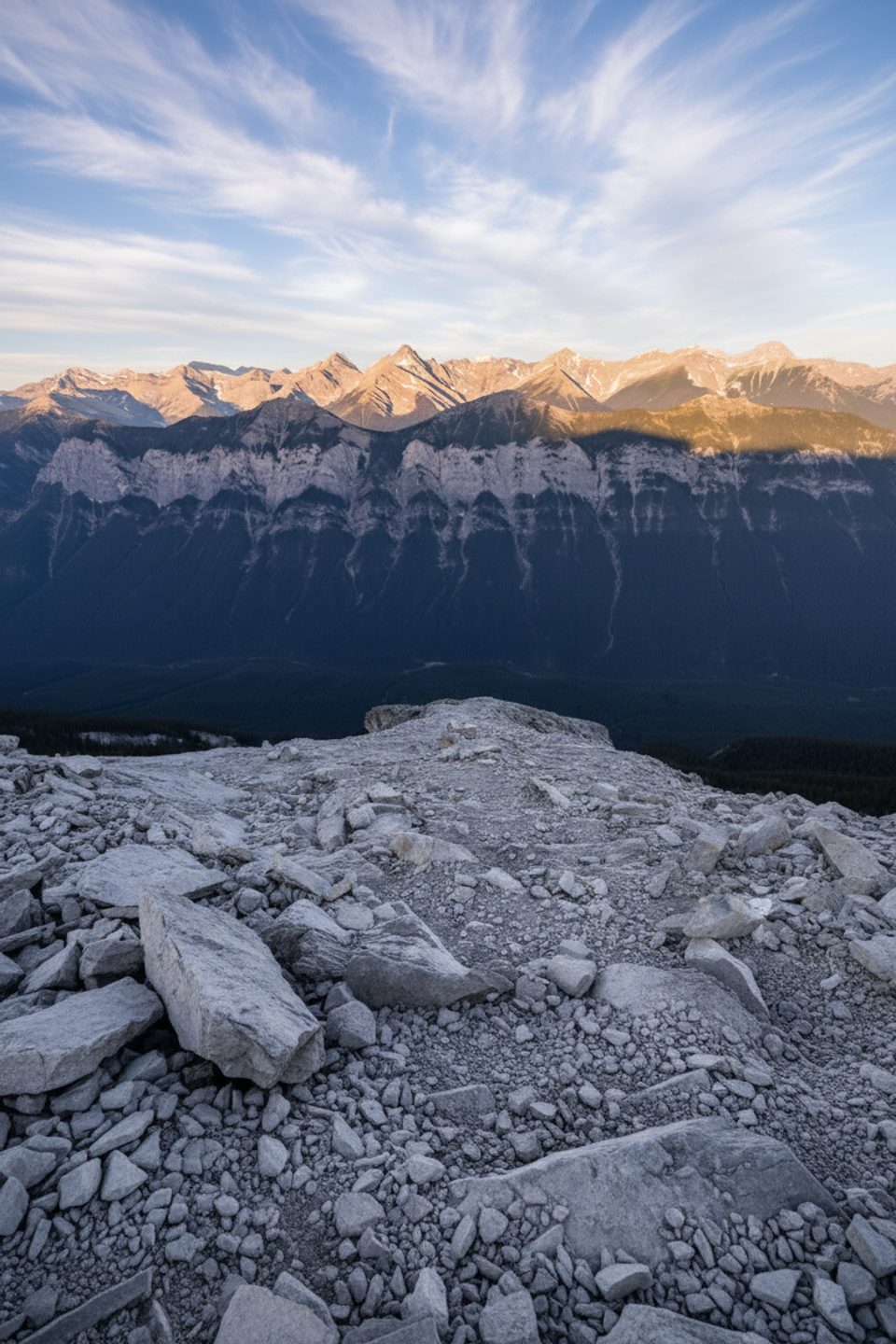
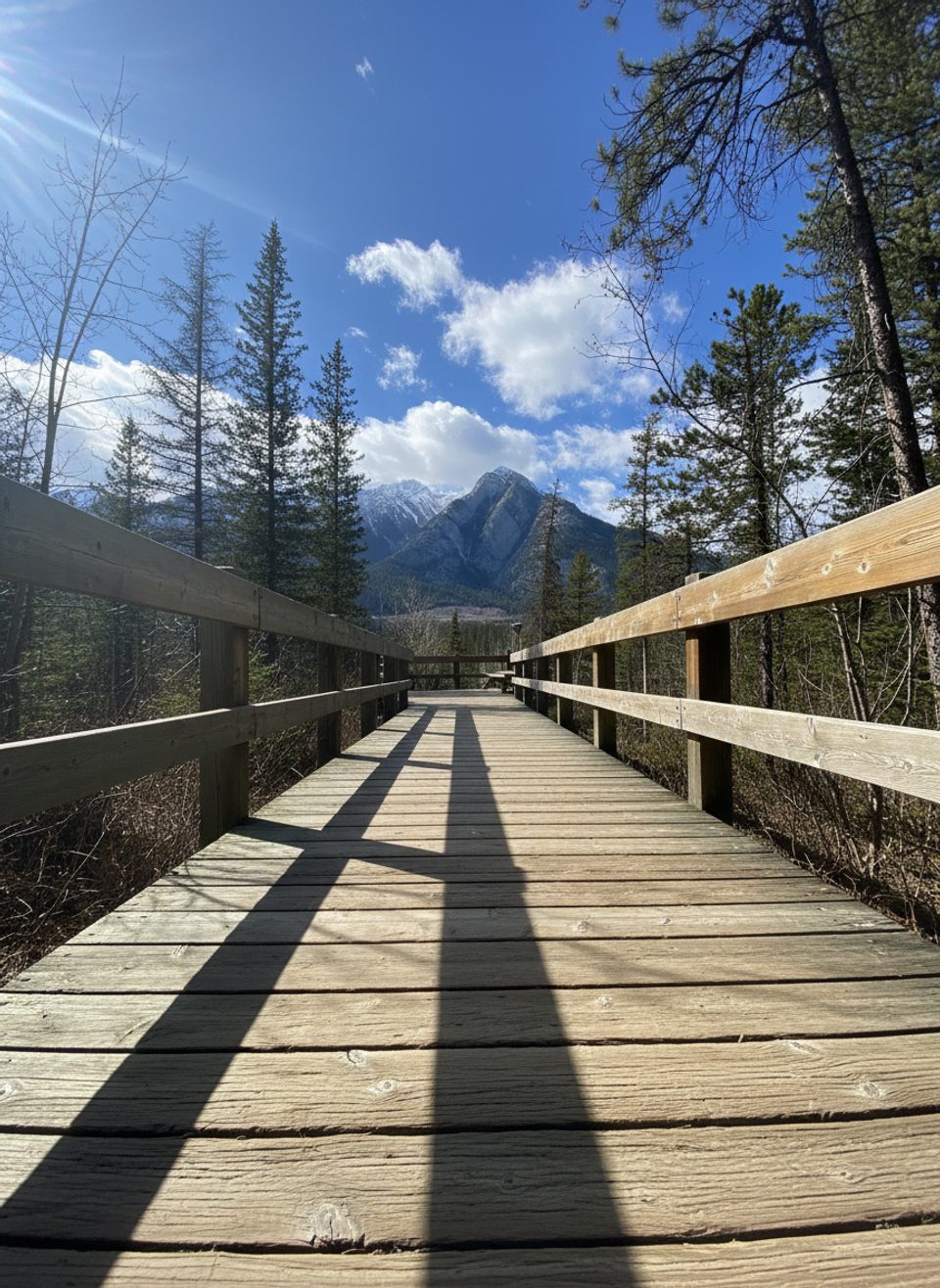
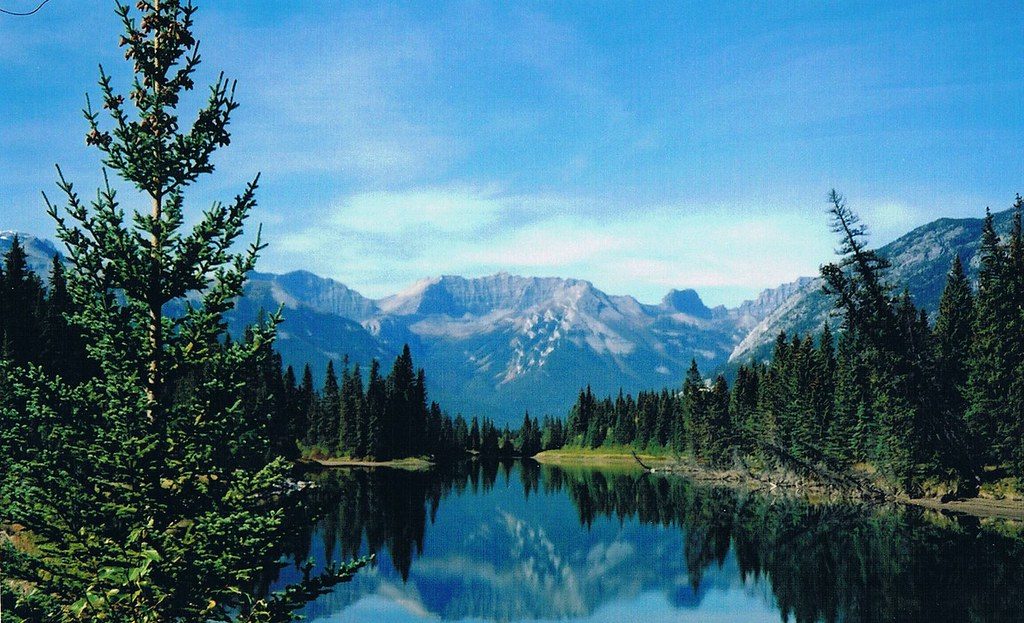
- A ridge-top boardwalk leading toward Sanson’s Peak, with sweeping panoramas of Banff, the Bow Valley, and surrounding ranges.
- Parks Canada red chairs near the summit area for those linger-and-savor-the-view moments.
Why it’s worth your time
The structure itself won’t wow you—it’s the story and the setting. You get a rare window into mid-20th-century space-science work in an alpine environment, paired with some of the best views in the park.
Getting there
- Easiest: Ride the Banff Gondola and follow the summit boardwalk (~1 km; 20–30 minutes each way) to the site.
- By foot: Hike the Sulphur Mountain Trail/Cosmic Ray Road for a strenuous round trip with steady elevation gain, then connect to the boardwalk.
Conditions and seasonal notes
- It’s exposed—windy and colder up top, even in summer. In winter, expect snow/ice and take care; the boardwalk is usually maintained but can still be slick.
- No facilities at the station itself; food, water, and washrooms are back at the gondola complex.
Wildlife
Heavy traffic keeps sightings sporadic, but you may spot ground squirrels and birds of prey; bighorn sheep, pikas, or marmots are possible along the mountain.
Best time to visit
- For thinner crowds and softer light: early morning or near sunset.
- Weekdays beat weekends in peak season.
- Photographers: golden hour lights the Bow Valley beautifully; sunset can be outstanding on clear days.