
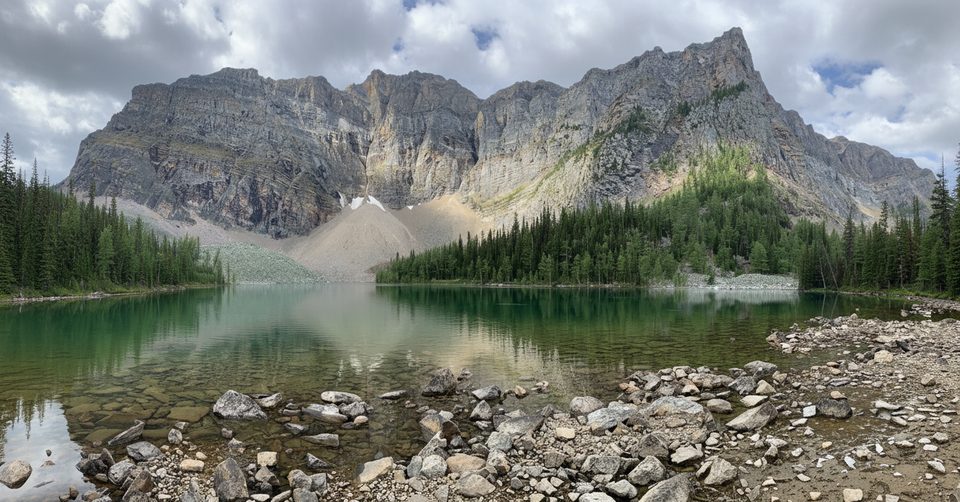
Place · 0.5 mi away
Moderate
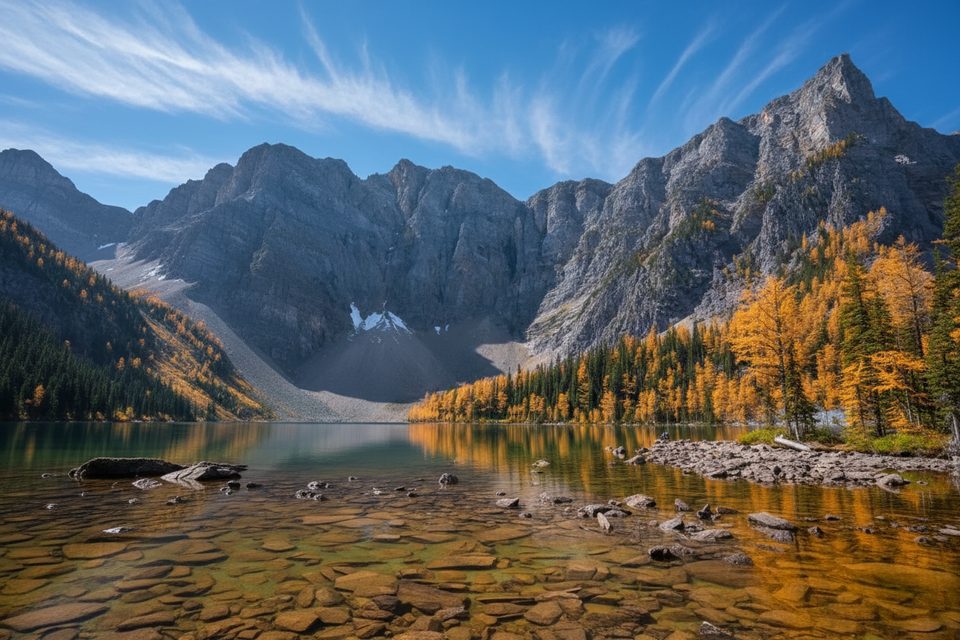
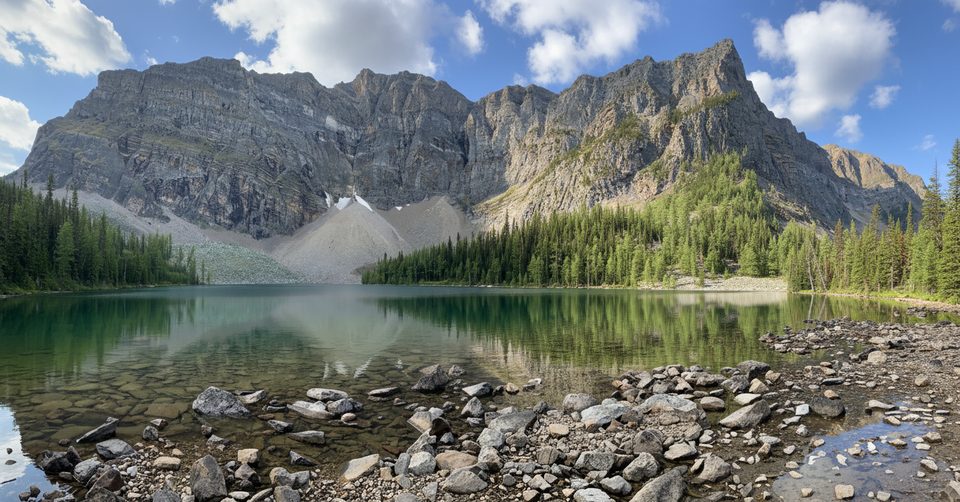
This out-and-back hike starts with a descent to emerald Vista Lake before turning uphill for the main event: a steady climb on the north side of Storm Mountain to Arnica Lake. It’s about 6.3 miles total (10.2 km) with roughly 1,900 ft/580 m of cumulative gain. The footing is classic Rockies singletrack—rocky, rooty, and often muddy after rain. Expect a few small creek crossings and at least one larger bridge. The lake itself sits beneath a rugged rock wall, and the larch trees around it glow gold in late September.
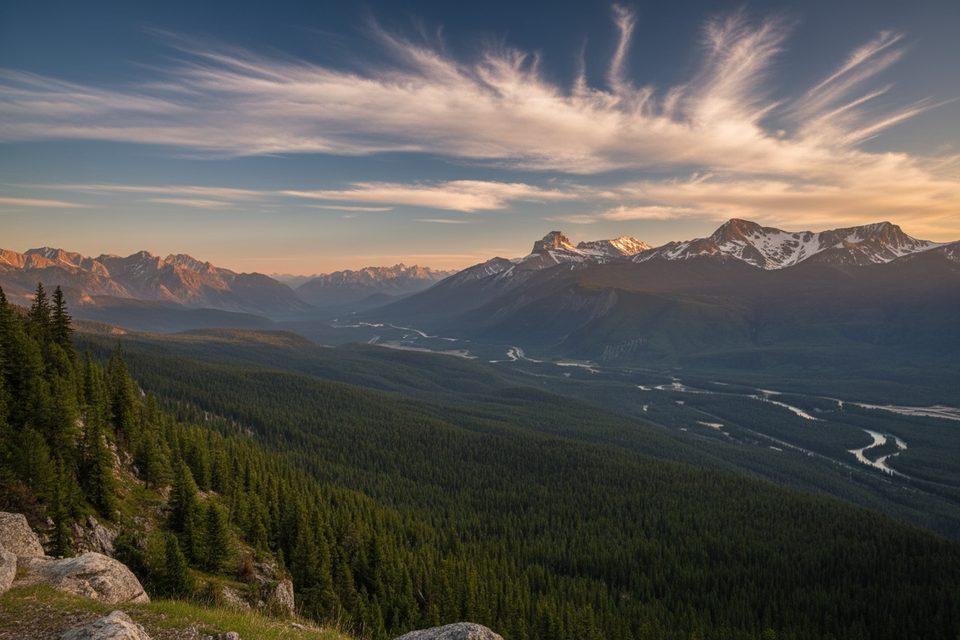
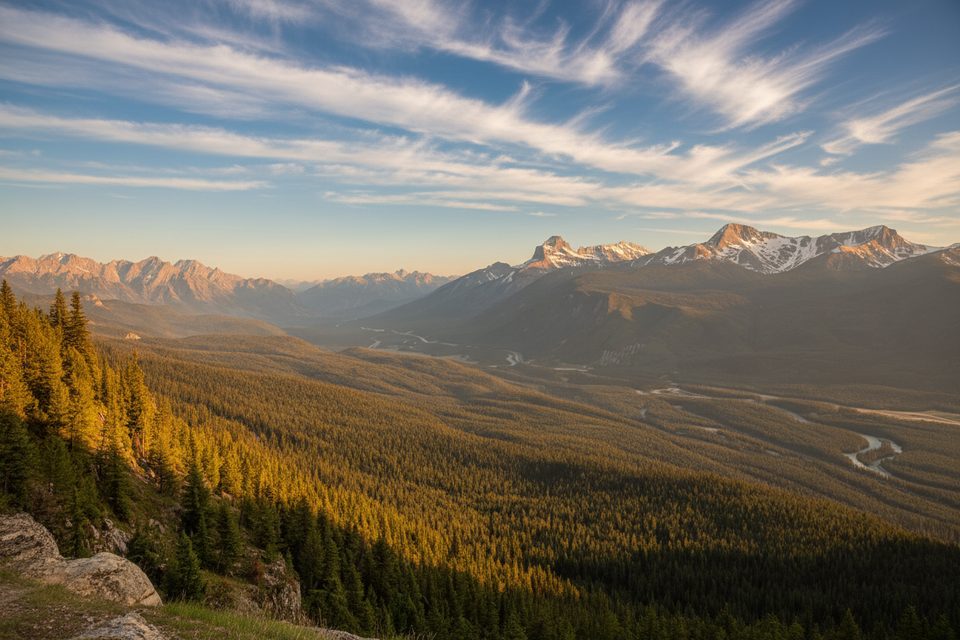
Views pop in and out between forested sections, with glimpses across the Bow Valley and toward surrounding peaks. In summer, look for wildflowers in the meadows above the lake; in autumn, it’s all about the golden larches. You can continue beyond Arnica toward the Twin Lakes for a bigger day, but the best bang-for-buck is to enjoy Arnica and the viewpoints just above it rather than pushing all the way to Twin Lakes.
Because you hike downhill first, remember you’ll finish with a climb back to your car. Budget 4–6 hours depending on pace and photo stops. Trekking poles help on the rocky, rooty grades and on the final climb out.
July through September offers the most reliable conditions: wildflowers mid-summer, peak larch color in late September. Weekends during larch season get busy, so arrive early. Spring can be sloppy with snowmelt-swollen creeks and lingering snow near the lake—wait for drier conditions if you want an easier day.
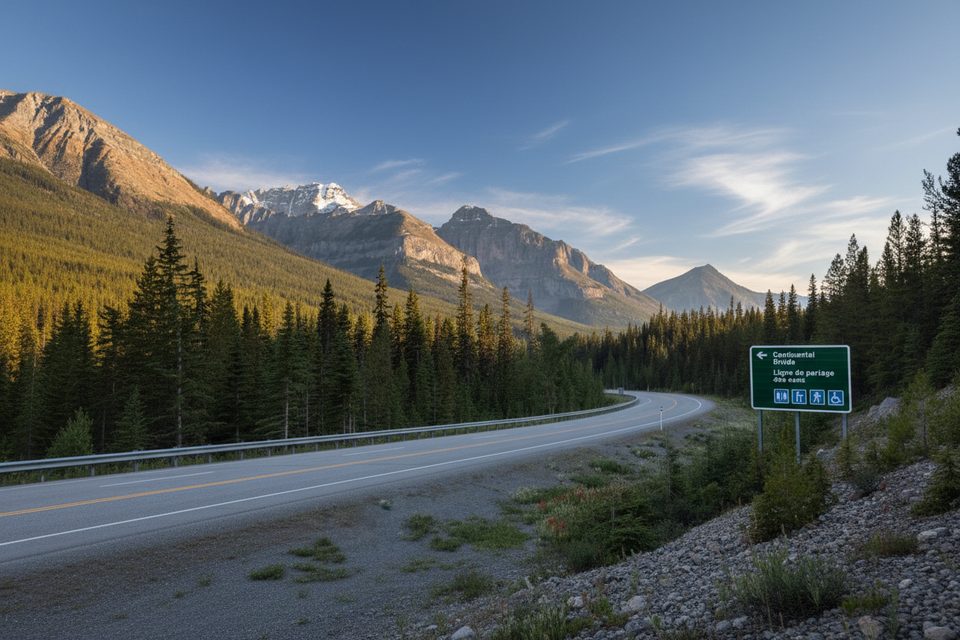
You’ll be hiking close to the Continental Divide on Storm Mountain’s flanks. Watch for larch stands turning gold in fall and open viewpoints toward the Bow Valley. This is active bear country—carry bear spray and know how to use it.
If you want peak larch color with fewer crowds than the mega-famous walks near Lake Louise and Moraine Lake, this trail hits a sweet spot. If you loathe finishing uphill and don’t enjoy rough tread, consider something gentler on another day.
Park at the Vista Lake Day Use Area off Highway 93S; arrive early in larch season as roadside parking fills quickly.
Trail starts with a descent and ends with a climb; rough, rooty tread can be muddy. Creek crossings may run high in spring, and lingering snow is common early season. Carry bear spray and check current trail reports.
Place · 0.5 mi away
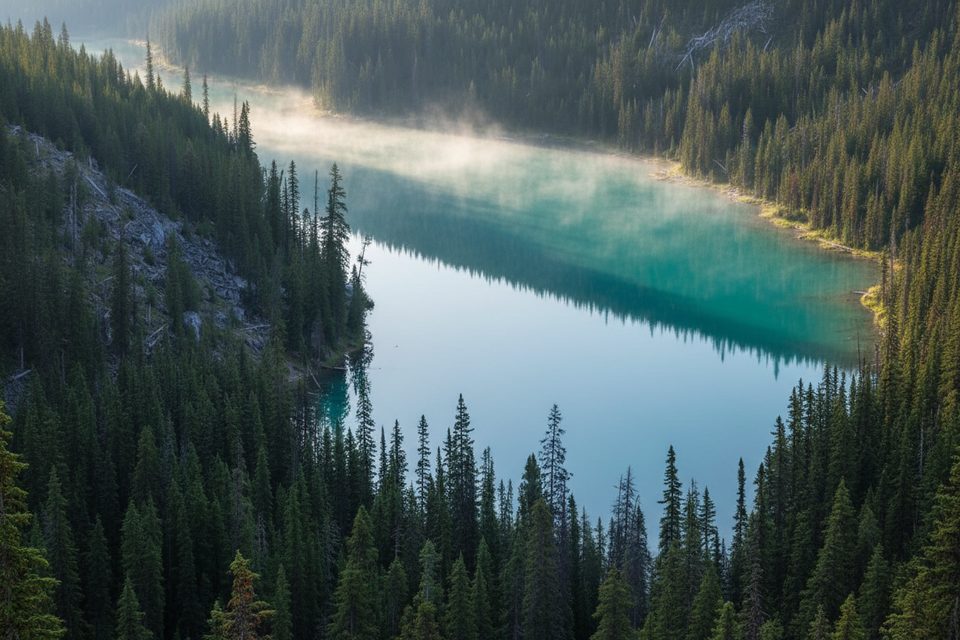
Place · 1 mi away
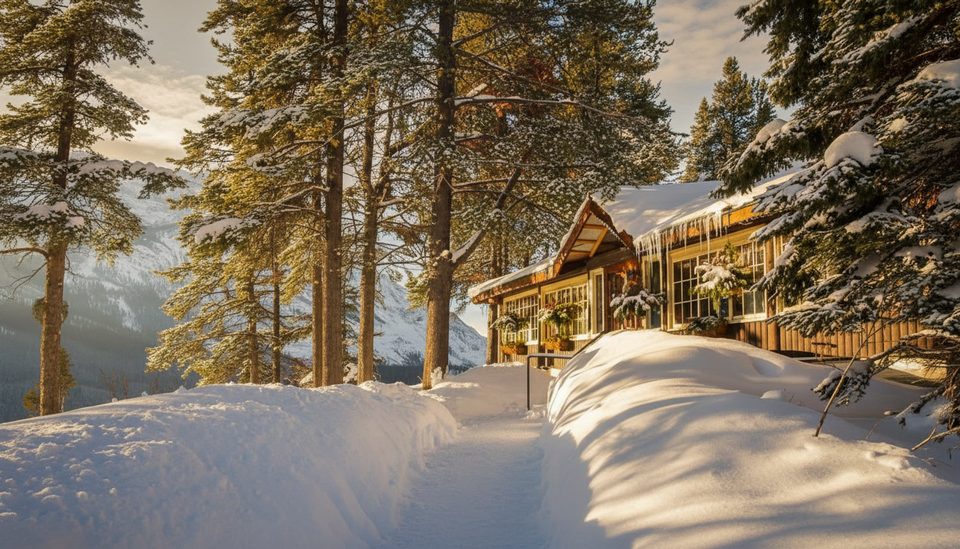
Place · 1.6 mi away
Place · 2 mi away
Challenging · 1 mi away
Easy · 1.6 mi away
Moderate · 5 mi away
Moderate · 5.5 mi away

Parkwolf Tour Guide
