
Place · 0 mi away
Challenging
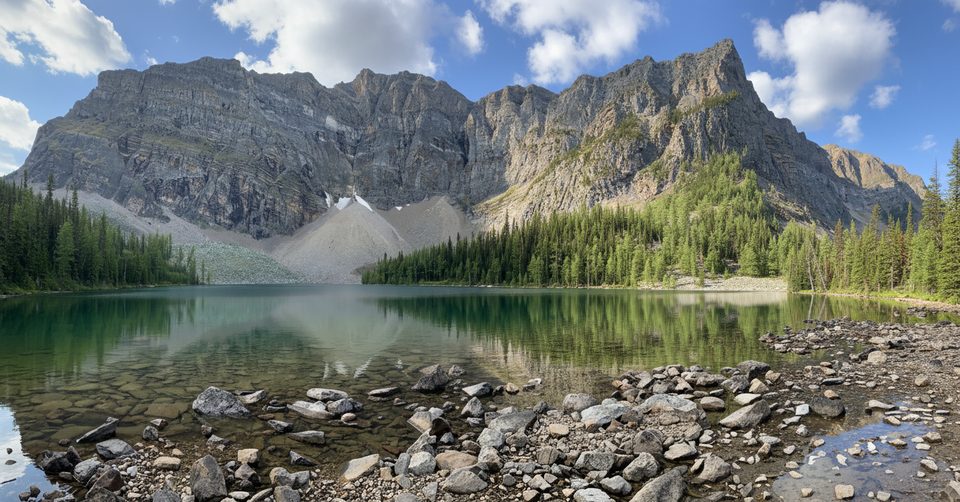
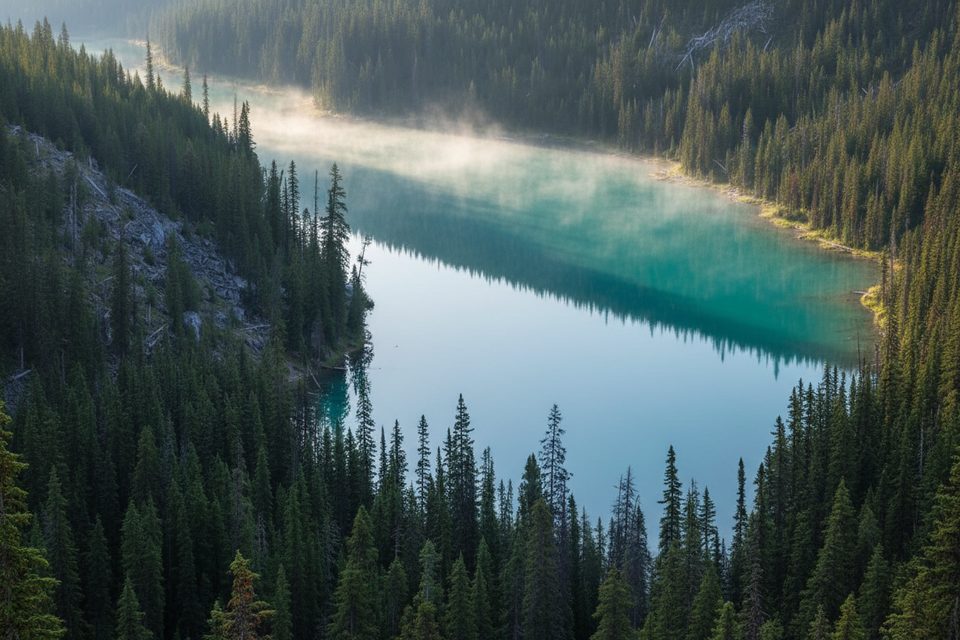
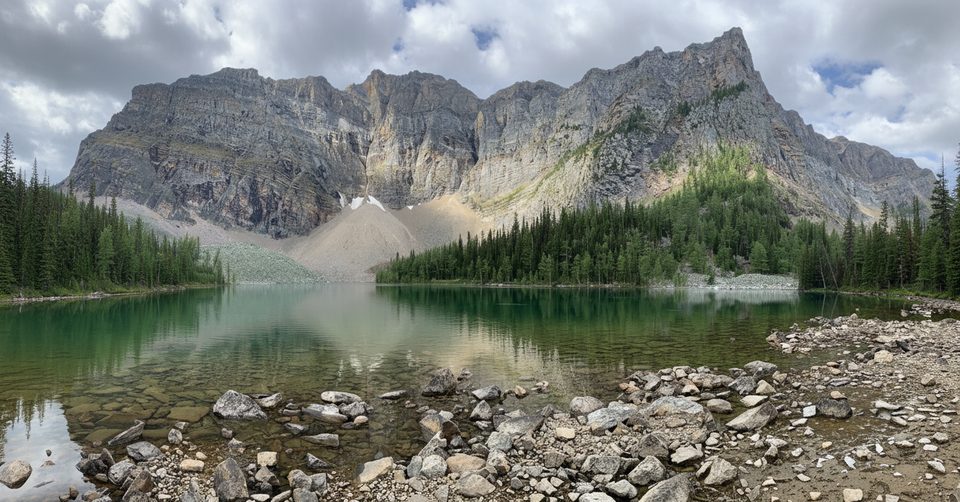
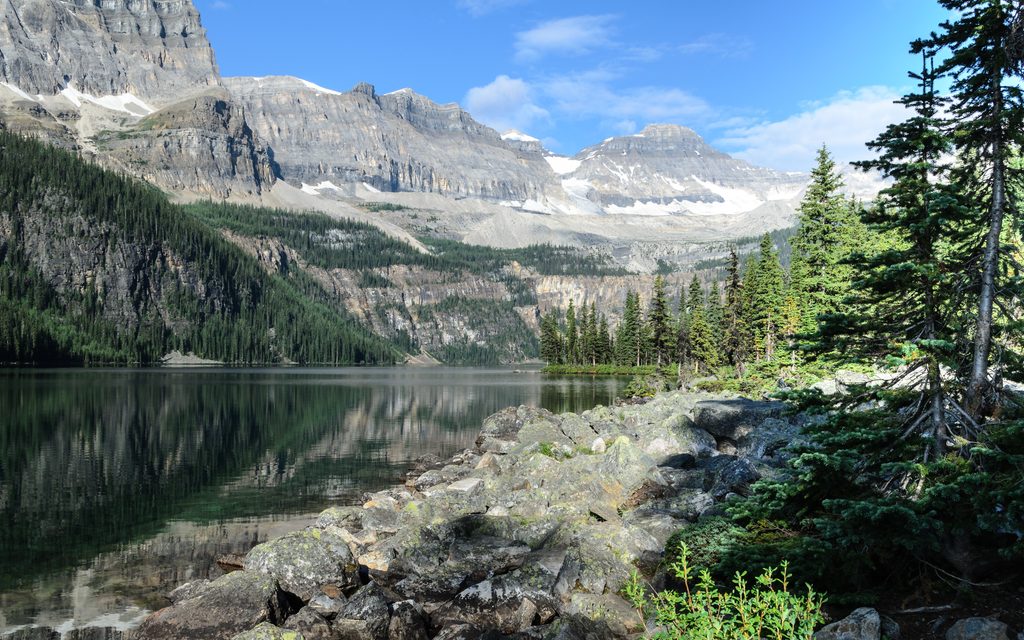
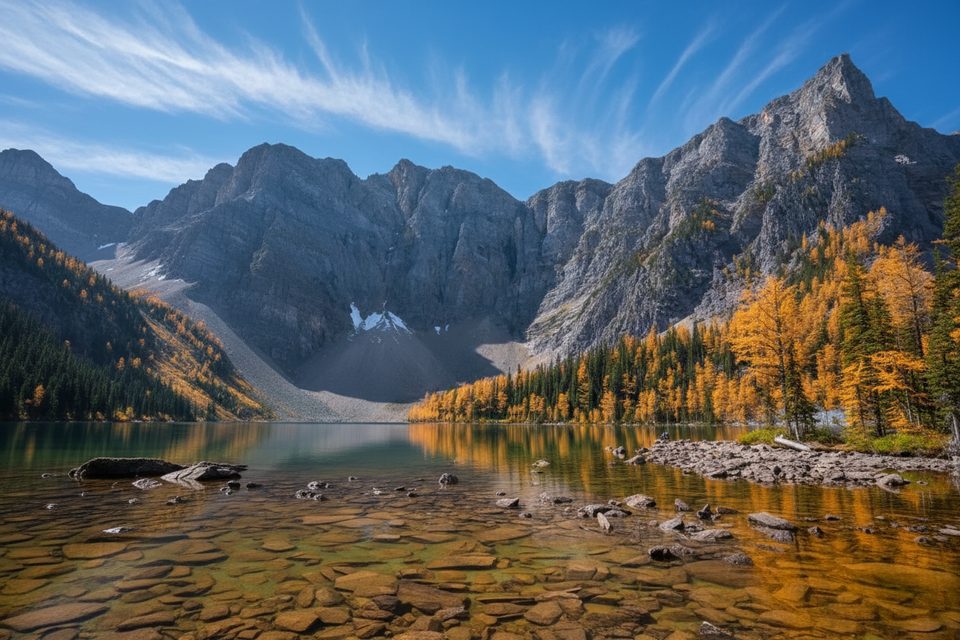
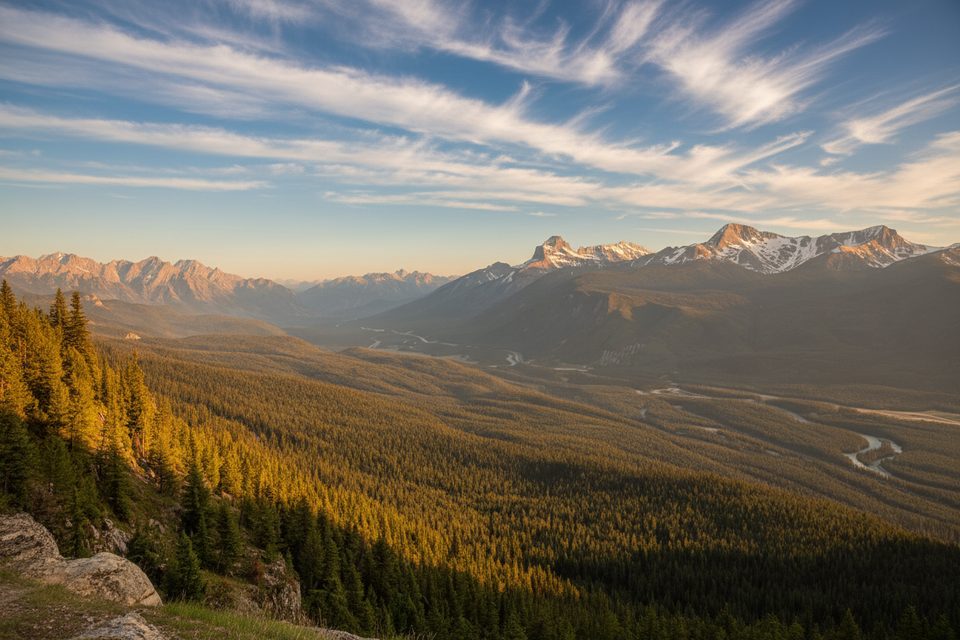
If you like earning your views, this route strings together a surprising number of emerald lakes with far fewer people than the touristy hotspots. You’ll drop to Vista Lake, climb to pretty Arnica Lake, then continue to the tranquil Twin Lakes basin. It’s repeatedly described as underrated—especially when the larches glow in late September.
From the Vista Lake trailhead on Highway 93S, the trail immediately loses roughly 130 m as it descends about 1.4 km to Vista Lake—easy now, but you’ll pay it back at the end. From the lakeshore, switchbacks and steady grades climb the north slopes of Storm Mountain to Arnica Lake, where forest breaks into subalpine meadows and classic cirque scenery. Continuing past Arnica, the grade eases and rolls through quiet forest to reach the Twin Lakes basin (Lower and Upper). Expect a well‑worn dirt tread with rooty/rocky stretches and occasional mud.
Plan roughly 10–10.5 miles total (16–17 km) for the full Twin Lakes out‑and‑back, with about 2,460 ft/750 m of cumulative gain, and 6–8 hours for most hikers. If you turn around at Arnica, it’s about 6 miles round‑trip (10 km) and a solid half‑day.
Keep an eye out for marmots, pikas, and bears. It’s genuine mountain habitat—carry bear spray and know how to use it.
July through September offers the most reliable conditions. Late September is prime for larch color around Arnica. Early season (June) can be muddy or hold lingering snow higher up. Winter travel is not recommended without proper snow and avalanche expertise.
Small Vista Lake trailhead pullout on Highway 93S; fills early and can spill to the highway shoulder during busy fall weekends.
Expect rooty, rocky tread and muddy sections; the hike starts with a big descent you must re-climb at the end. Active bear country—carry spray. Early season snow possible; winter travel requires snow/avalanche skills.
Place · 0 mi away
Place · 1.4 mi away
Place · 1.4 mi away
Place · 1.5 mi away
Easy · 0.7 mi away
Moderate · 1 mi away
Moderate · 4.8 mi away
Moderate · 5.3 mi away

Parkwolf Tour Guide
