
Place
Challenging
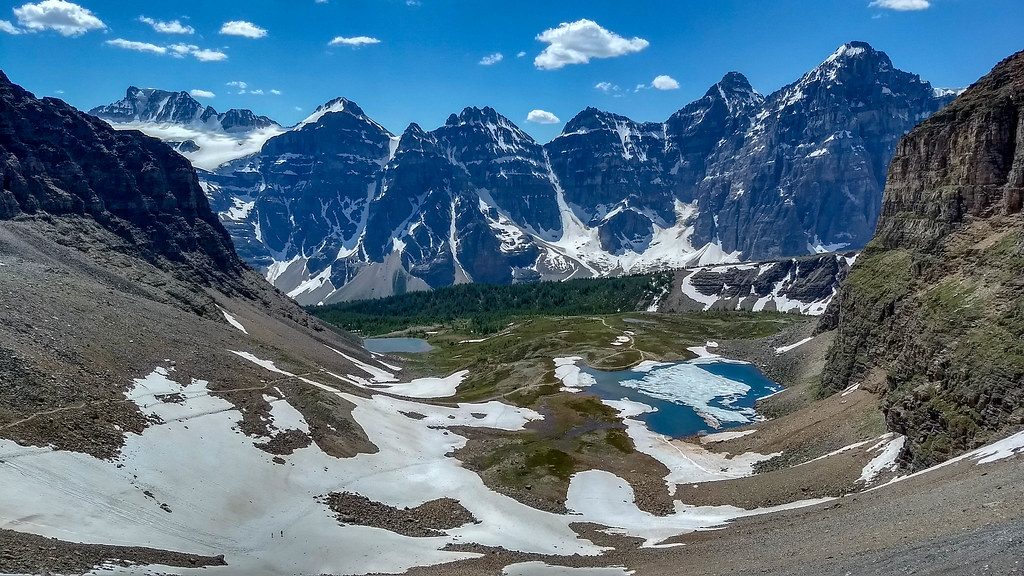
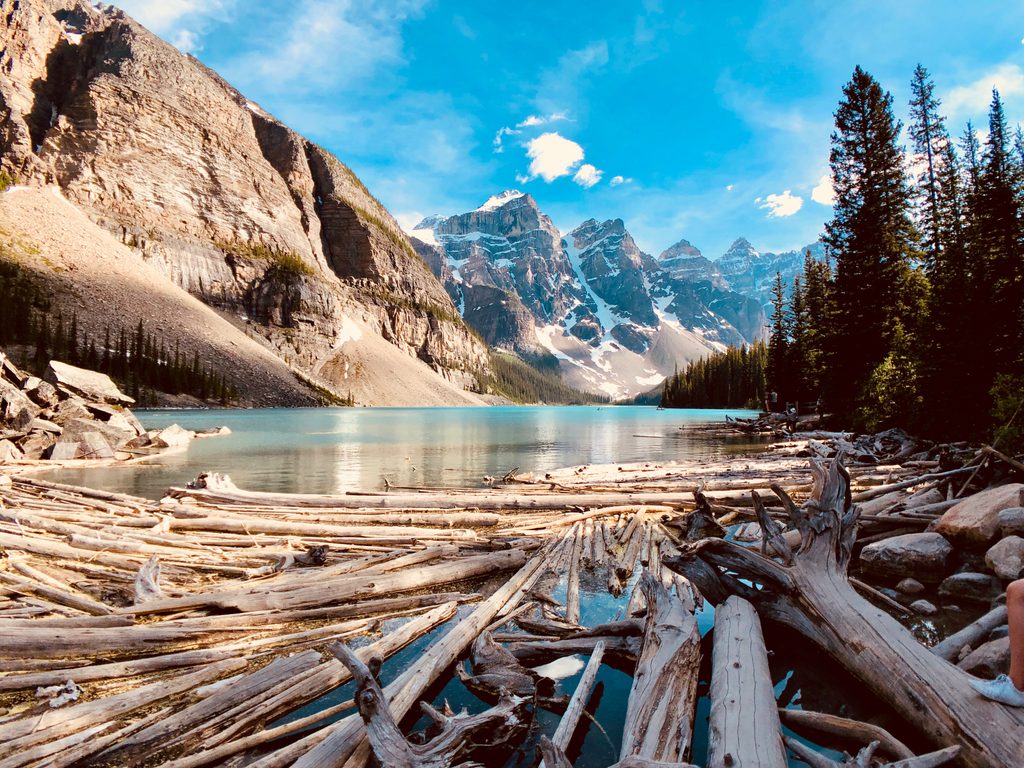
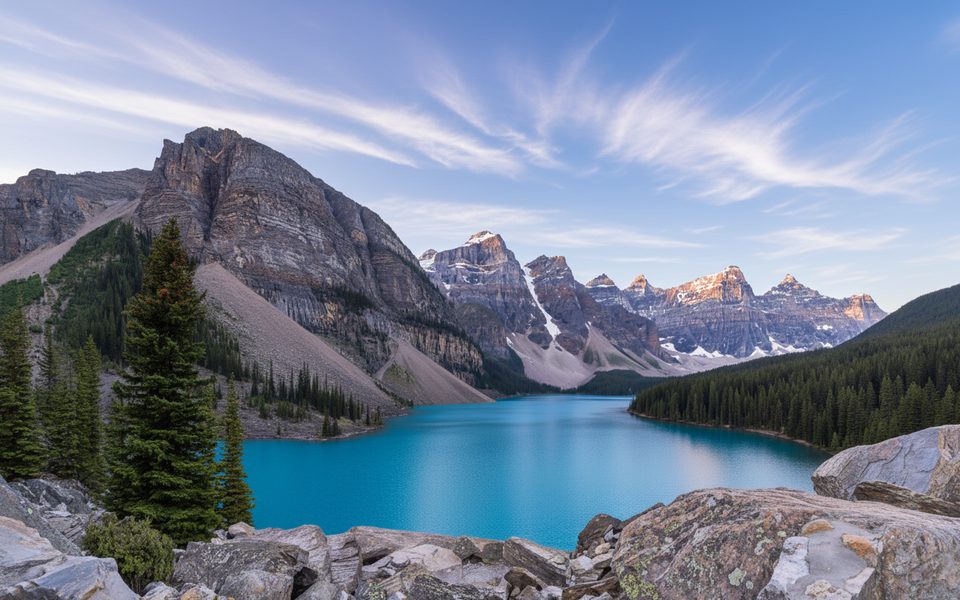
Sentinel Pass is Banff’s showstopper: a moderate‑to‑strenuous climb from Moraine Lake through the famous Larch Valley to a high alpine pass with sweeping views into both the Valley of the Ten Peaks and Paradise Valley. It’s an out‑and‑back that delivers big‑mountain payoff without technical climbing. Expect about 6.9 miles round trip (total) and roughly 2,450–2,460 feet of gain—most of it steady, with a steep, rocky finish to the pass.
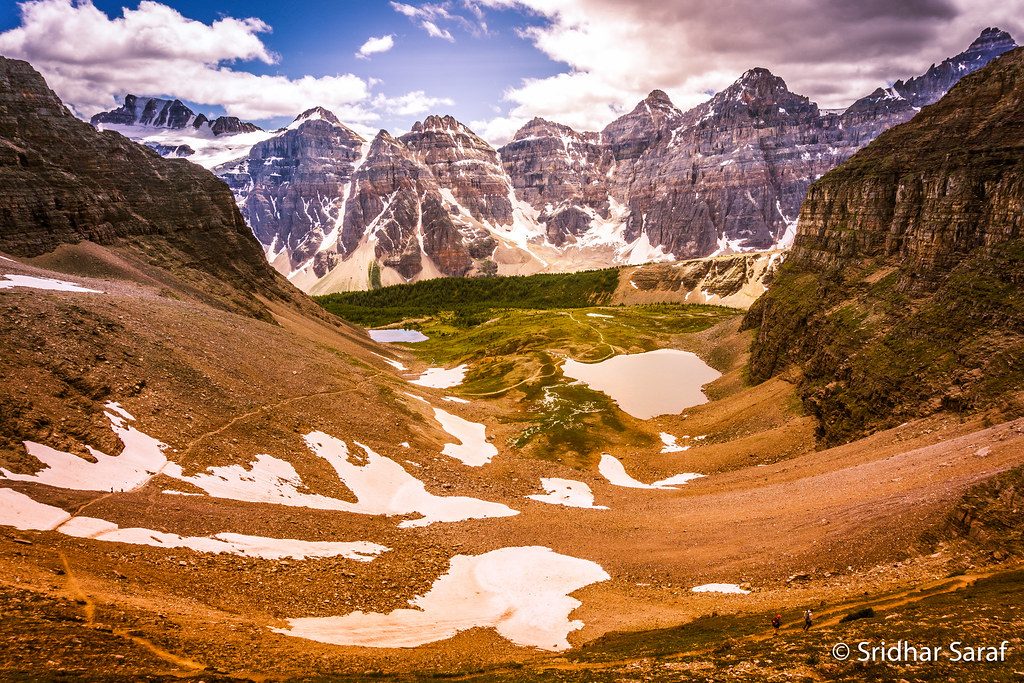
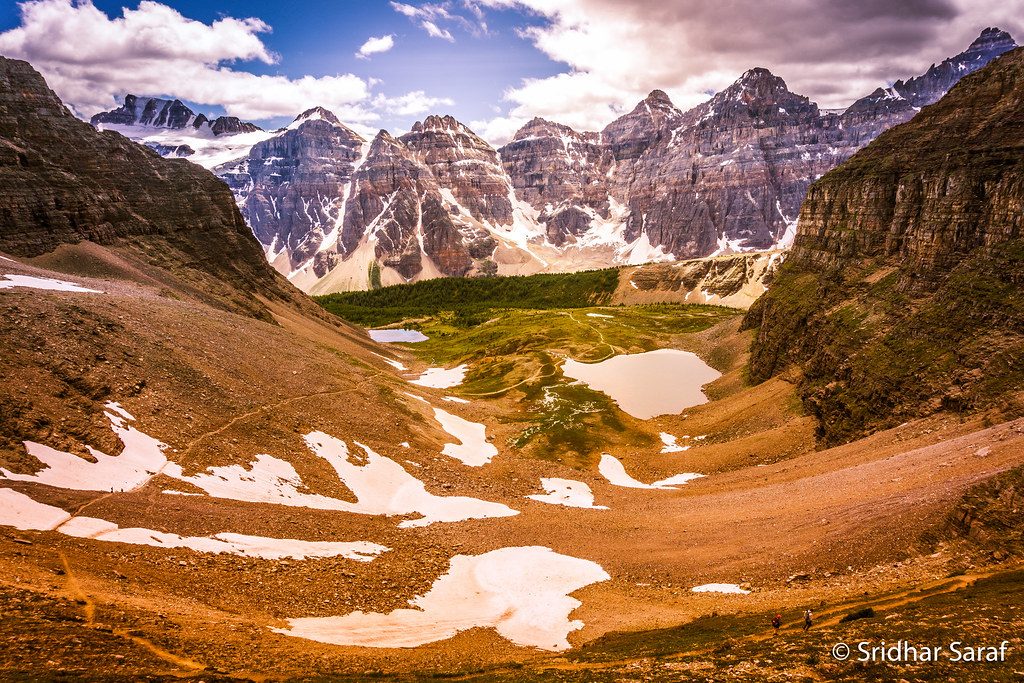
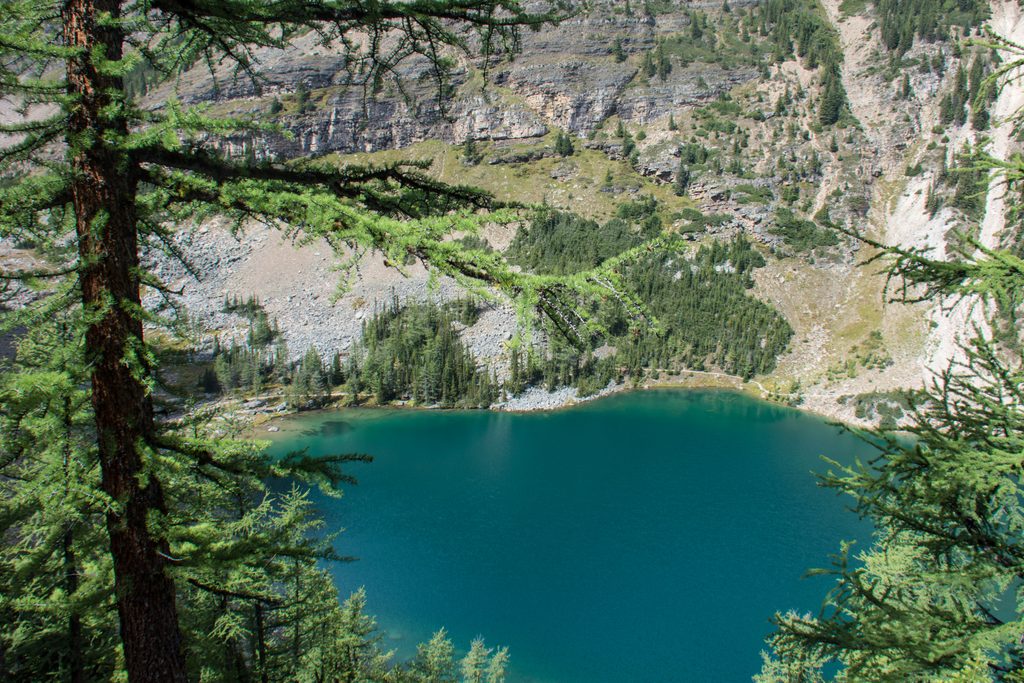
From the Moraine Lake area, you’ll climb forested switchbacks before the trail opens into Larch Valley’s broad meadows. Around 1.4 miles from the start there’s a signed “Y” junction—keep right for Larch Valley/Sentinel Pass (left goes to Eiffel Lake/Wenkchemna Pass). As the trees thin, the views widen and the grade eases through meadow benches. Near treeline, pause at the pretty Minnestimma Lakes—your last calm spot before the final push. The last stretch is a tight series of switchbacks on rockier, more exposed terrain to reach the pass. Most hikers soak up the panorama here and return the way they came. If you continue, the Paradise Valley side is steeper, rockier, and the path can be faint.
The lower forest transitions to larch stands that turn electric gold in late September—this is the moment the valley is famous for. Above the trees, it’s classic high‑alpine: meadows, scree, and sculpted rock. Watch for hoodoos and the striking quartzite spire known as the Grand Sentinel near the pass. Minnestimma Lakes add a calm, reflective counterpoint to all the rock and peaks.
The hike is straightforward in good weather but does earn its rating: steady climbing, then a steeper, loose, and sometimes windy finale. Snow can linger early summer and return quickly in fall; footing near the pass may be on scree or firm snow patches. Many people without alpine ambitions simply tag the pass and head back—smart move if conditions are marginal.
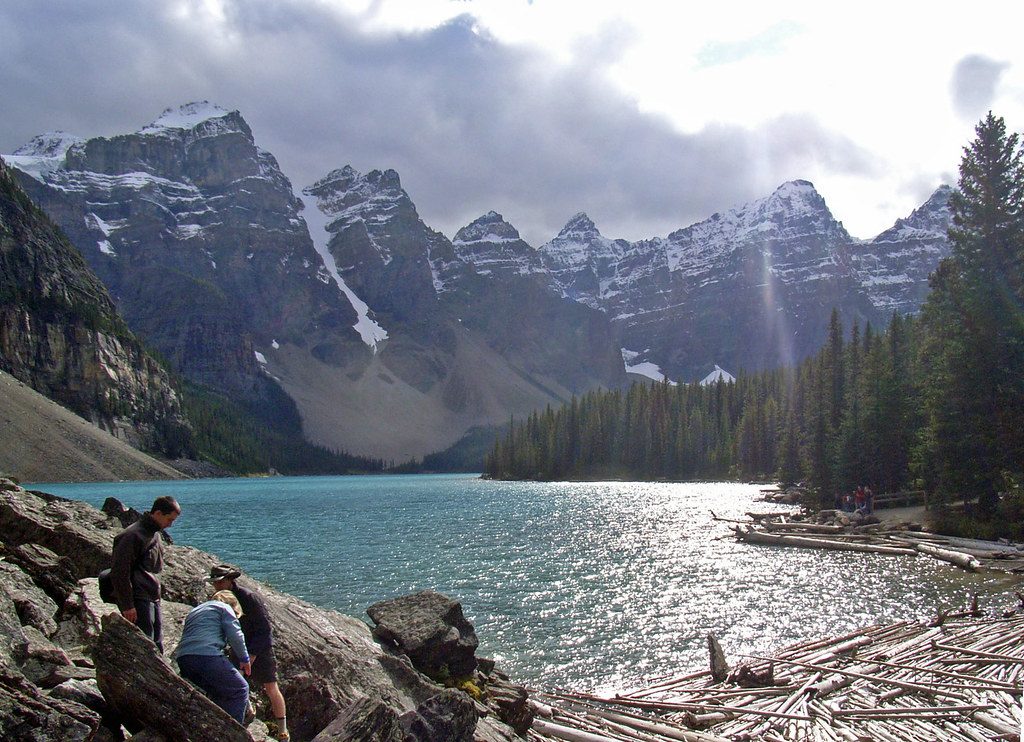
The trail starts at Moraine Lake, which has highly restricted access in peak season. Plan ahead and book the Parks Canada shuttle or use authorized transport; facilities (toilets) are at the Moraine Lake lot. The Moraine Lake Road typically operates from roughly late May (after Victoria Day) to mid‑October (after Canadian Thanksgiving). This route is extremely popular—especially during larch season—so start early for parking/shuttle windows, lighter crowds, and calmer morning weather.
July–September generally offers the most reliable snow‑free conditions and long views. Late September to early October is peak larch color—and peak crowds. Go early in the day for parking/shuttle logistics, cooler temps, softer light over the Ten Peaks, and a calmer experience.
Starts at Moraine Lake. Parking is extremely limited and often restricted; book the Parks Canada shuttle or authorized transport in advance. Toilets at the Moraine Lake lot. Road access is seasonal (roughly late May to mid‑October).
Steep, exposed switchbacks near the pass with loose scree and possible lingering snow; strong winds and fast weather shifts. Bears are common—group hiking may be mandatory seasonally. The Paradise Valley side is rocky and the path can be faint.
Place
Place
Place
Place
Easy
Challenging
Moderate
Moderate

Parkwolf Tour Guide
