
Place · 0.1 mi away
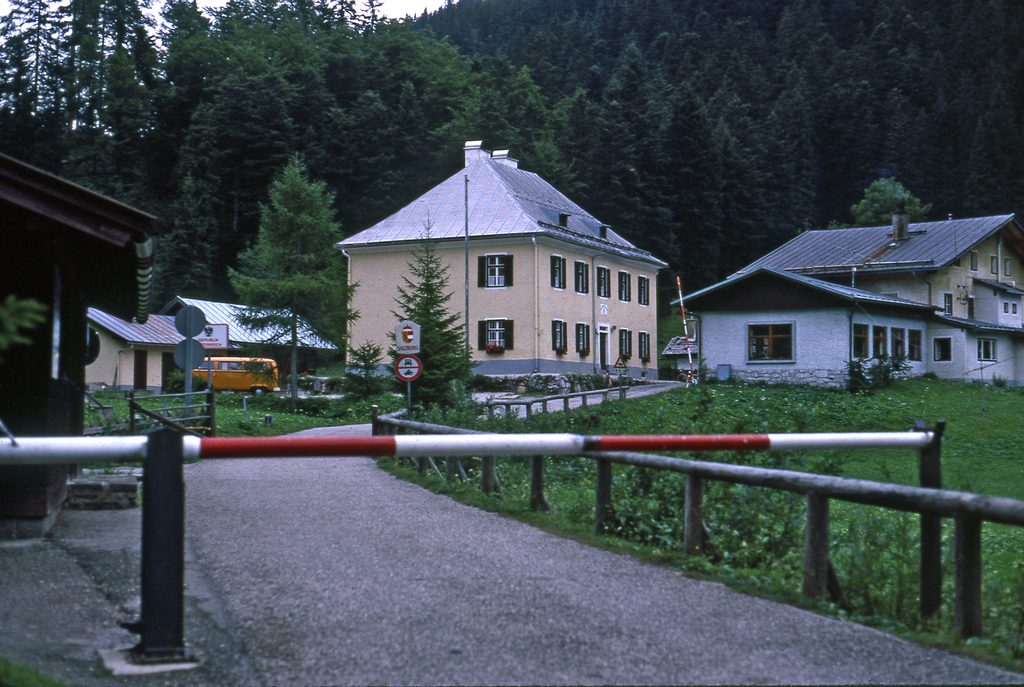
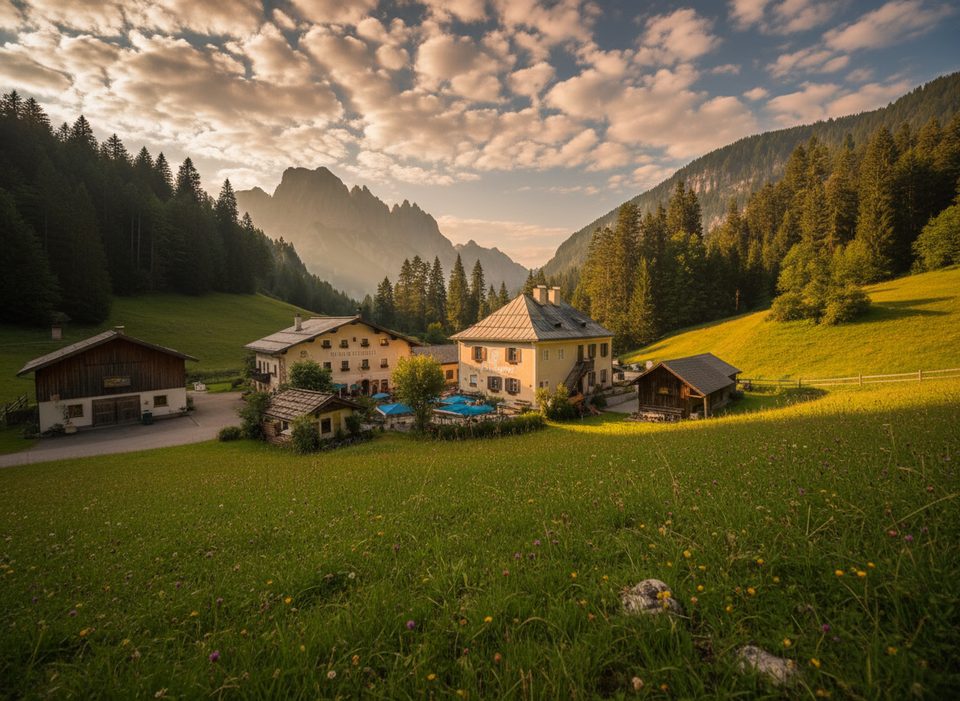
Hirschbichl Pass is a historic border crossing linking Ramsau (Germany) with Weißbach bei Lofer (Austria). Sitting around 1,183 m, it’s a gentle, scenic destination rather than a summit—think meadow views, a small chapel at the crest, and an alpine inn for a well‑earned pause.
You can’t drive the Klausbachtal road to the pass—private traffic is restricted. Most visitors start at Hintersee (Seeklause) and follow the Klausbachtal on foot, or use the seasonal Alm‑Erlebnisbus that runs from Hintersee via Bindalm to Hirschbichl. The Engert information point lies along this road and is reachable on foot from Klausbachhaus at Hintersee (about one hour) or by the bus when it operates.
Plan 3.5–5 hours of moving time for the out‑and‑back if you’re not using the bus, longer with photo and snack stops.
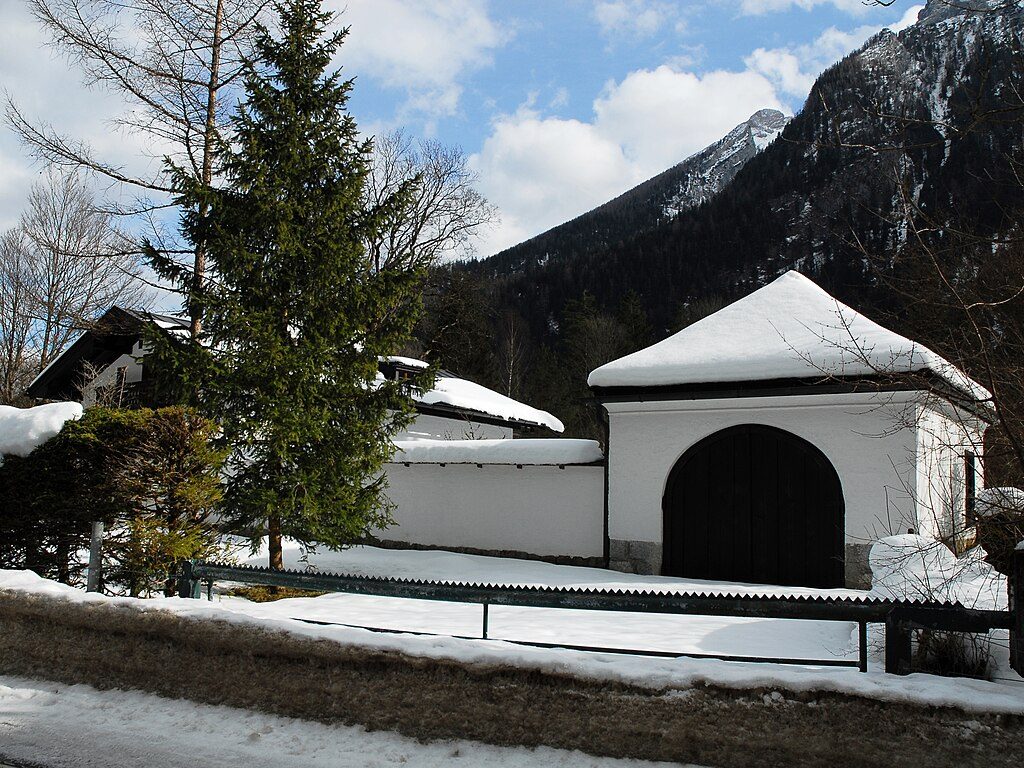
This corridor carried salt and timber for centuries. The name Klausbachtal nods to the old “Klause” (weir) used to impound water and flush cut logs downstream—stories you’ll pick up from interpretive signs along the valley. At the pass itself, a small chapel and the border‑straddling inn underline its long‑standing role as a crossing point.
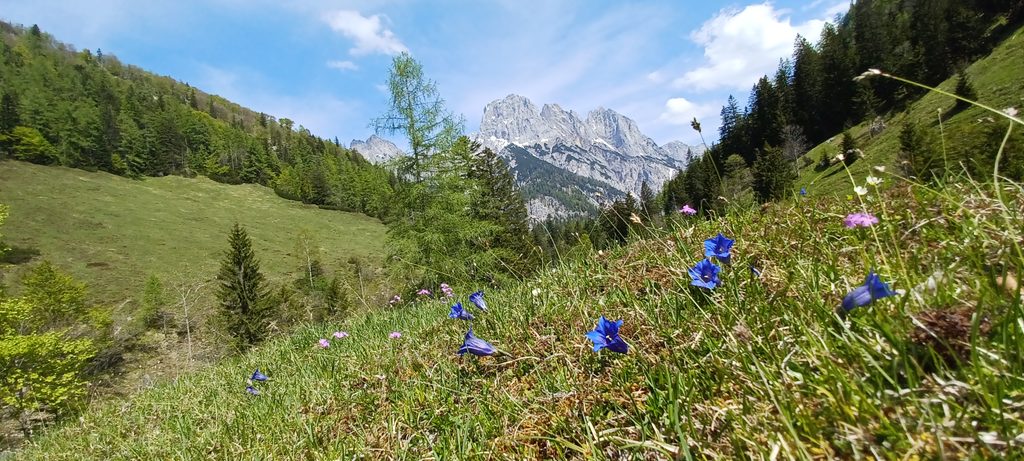
Keep an eye on the slopes for chamois and the forest edges for red and roe deer. Overhead, golden eagles and ravens sometimes patrol. The park’s “let nature be nature” approach means you may encounter natural deadwood and other signs of unfussy wilderness—give wildlife space and stay on marked paths.
These are the Northern Limestone Alps. Lower down, crumbly Ramsau dolomite sheds coarse debris along valley flanks; higher walls and plateaus are mostly Dachstein limestone, a fossil‑rich rock that builds the dramatic ridges around you. Karst features are common, and the landscape tells a clear story of ancient seafloors lifted into today’s mountains.
Don’t expect public toilets at the pass itself. Facilities are typically inside huts, restaurants, or serviced alpine pastures; use them when they’re open and pack out all waste. The Engert information point offers a small exhibit and is unstaffed; it is open daily 9:00–17:00 from May to October and closed November–April.
The Alm‑Erlebnisbus usually runs late spring to early fall (in 2025 it operated May 25–October 5). Outside that window, plan an out‑and‑back hike or arrange a pickup. Late autumn and winter bring short daylight, icy sections, and occasional storm or avalanche‑related closures in the Klausbachtal—microspikes and poles are often worth carrying, and it’s smart to check current advisories at the Klausbachhaus info point before setting out.
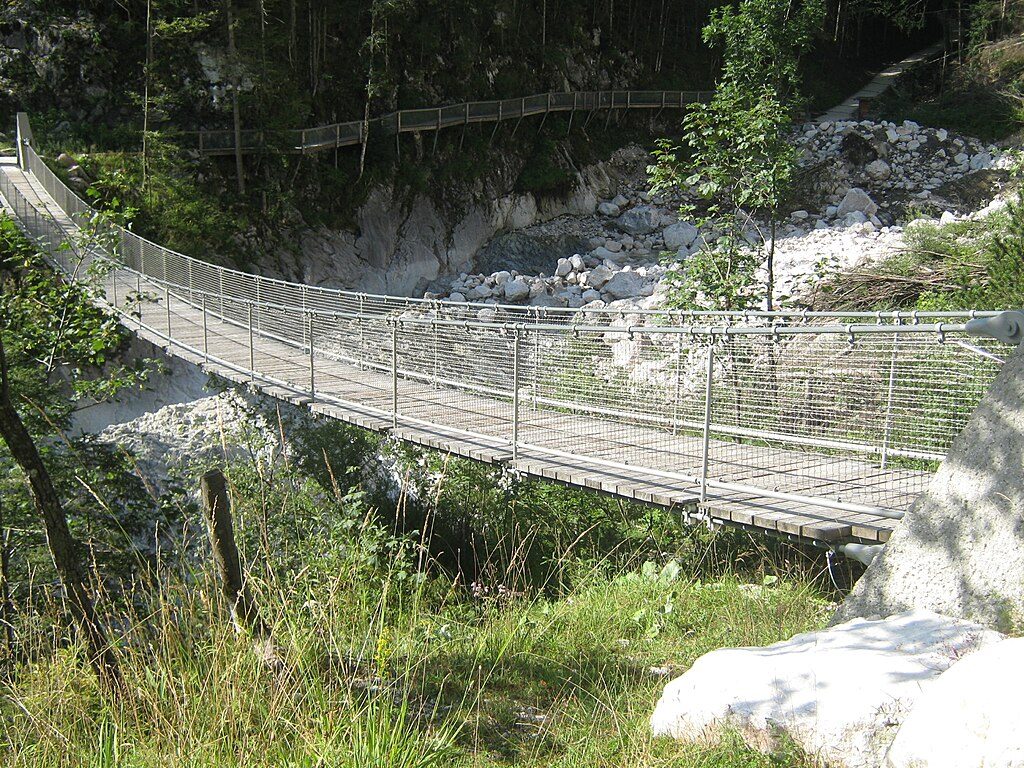
May–October is the sweet spot, with the bus in service, huts active, and meadows lively. Go early or late in the day for softer light in the valley and fewer people on the suspension bridge and at Bindalm. In shoulder seasons, start early to make the most of daylight and be prepared for patches of ice.
Place · 0.1 mi away
Place · 0.1 mi away
Place · 0.3 mi away
Place · 1.8 mi away
Moderate · 2.6 mi away
Easy · 4.2 mi away
Easy · 4.5 mi away
Moderate · 5.1 mi away

Parkwolf Tour Guide
