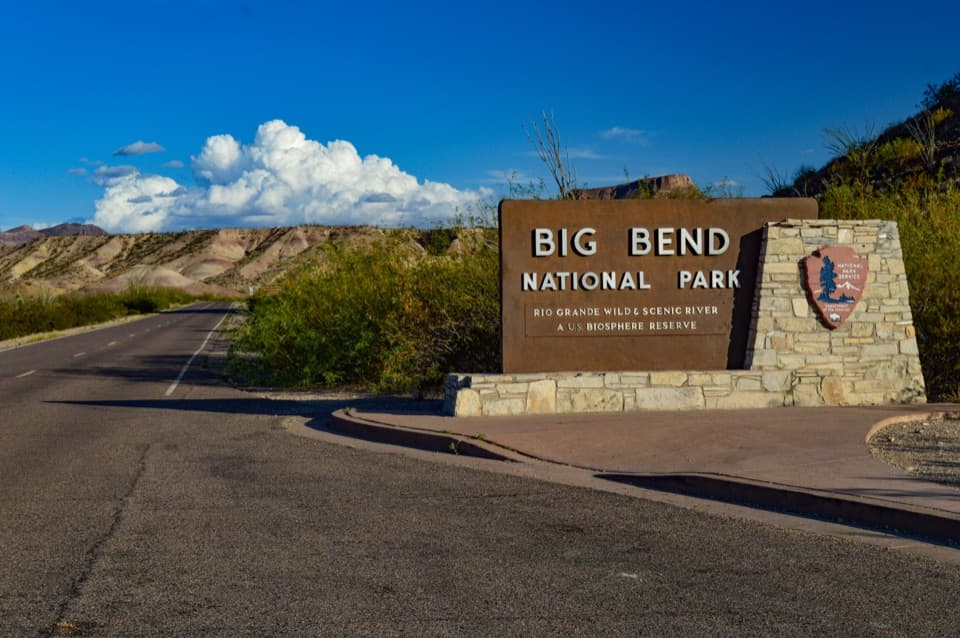
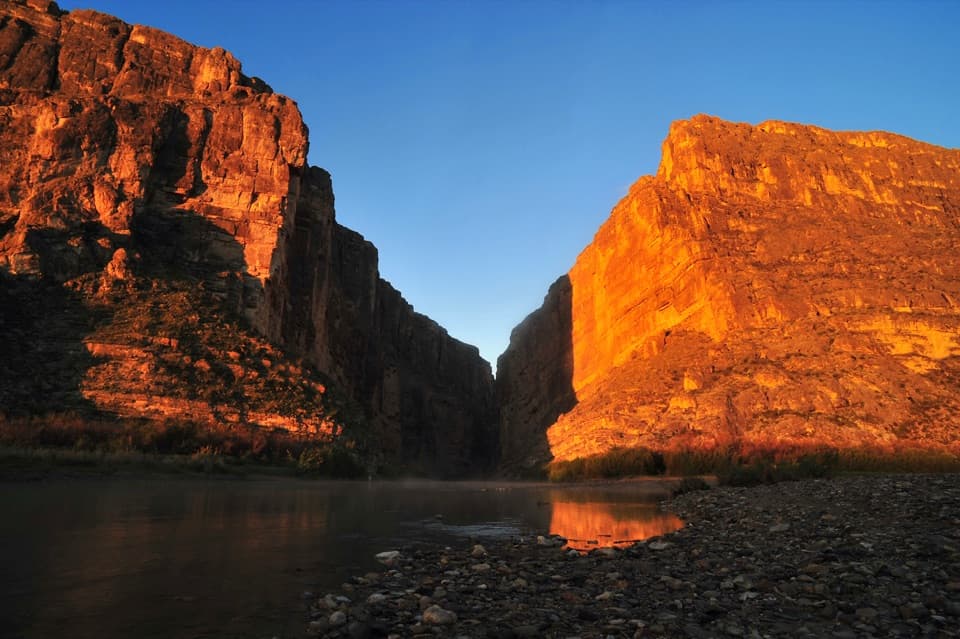
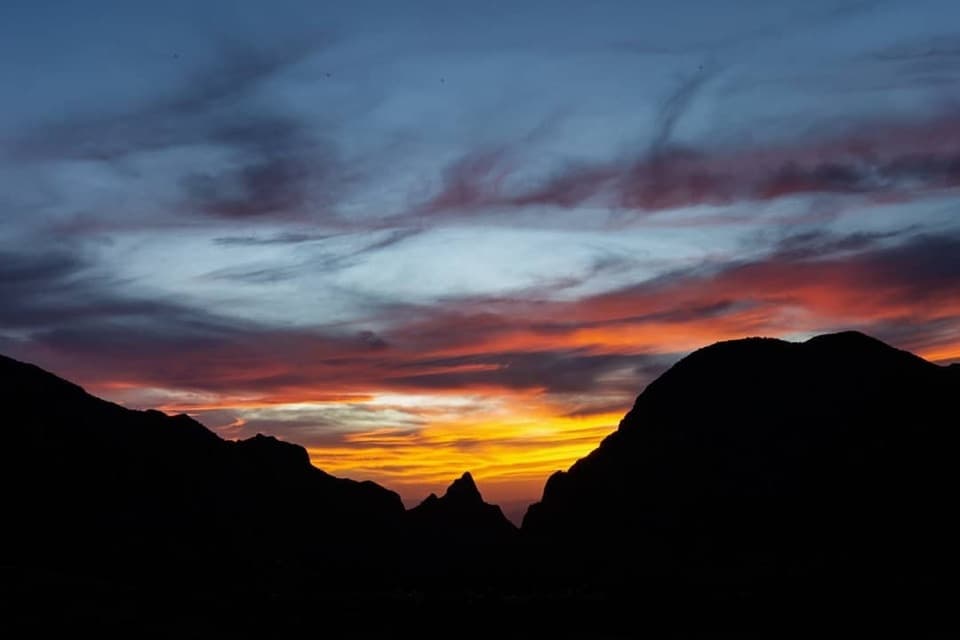
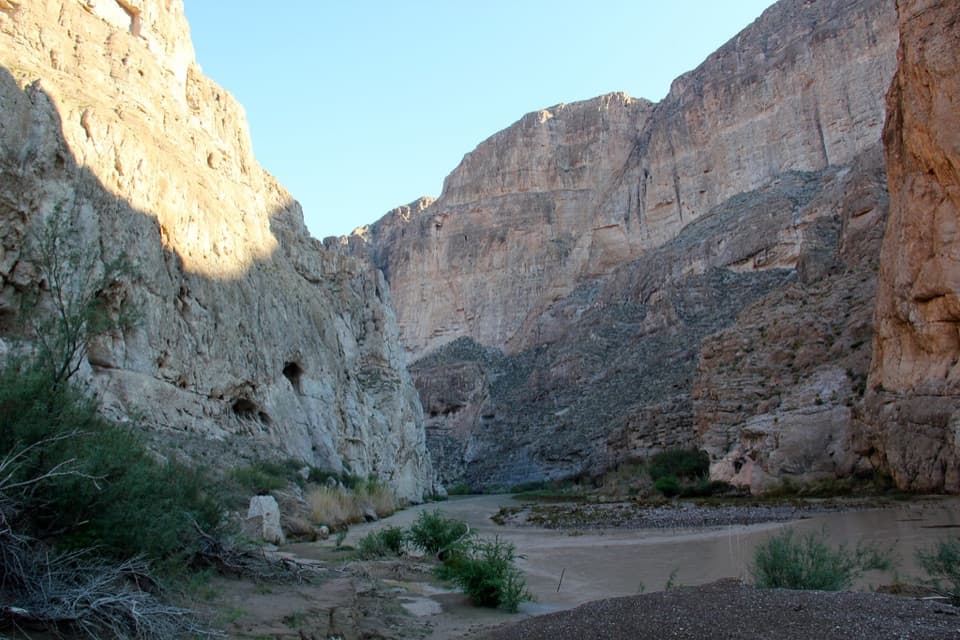
The pale, striped soils began as sands and muds laid down by an inland river floodplain around 65–70 million years ago. Fish, reptiles, and dinosaurs lived in that environment; erosion later exposed the deposits as these colorful clay hills. Fossils and bones have been found throughout Big Bend wherever the same soils occur. Across the park, paleontologists have identified more than 1,200 fossilized plant and animal species, in a record spanning about 130 million years, so this small stop opens onto a much bigger story.