
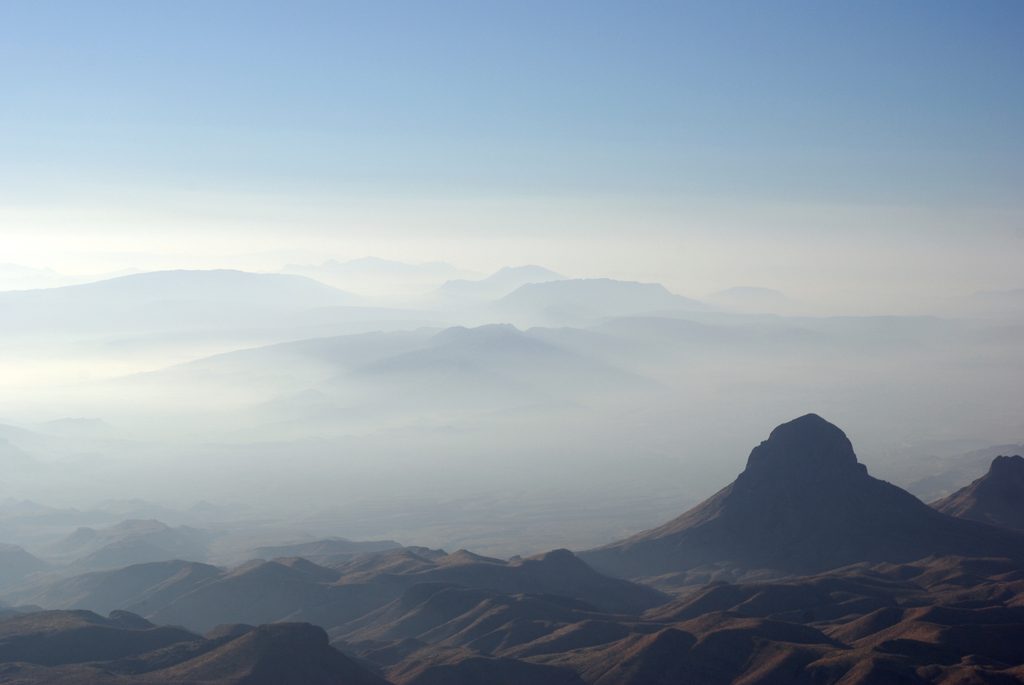
Place · 4.5 mi away
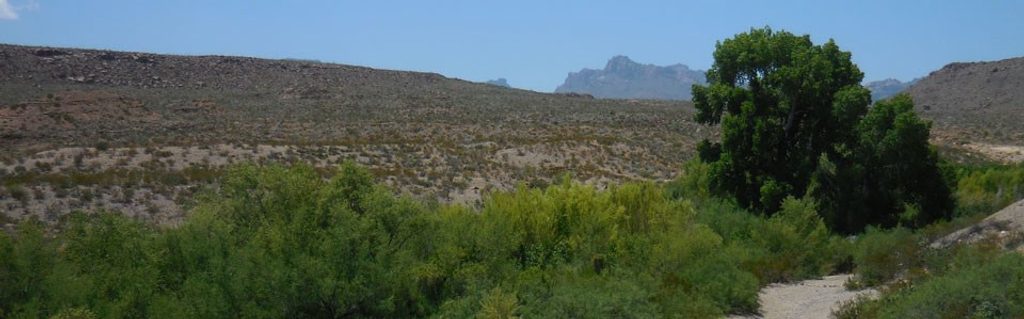
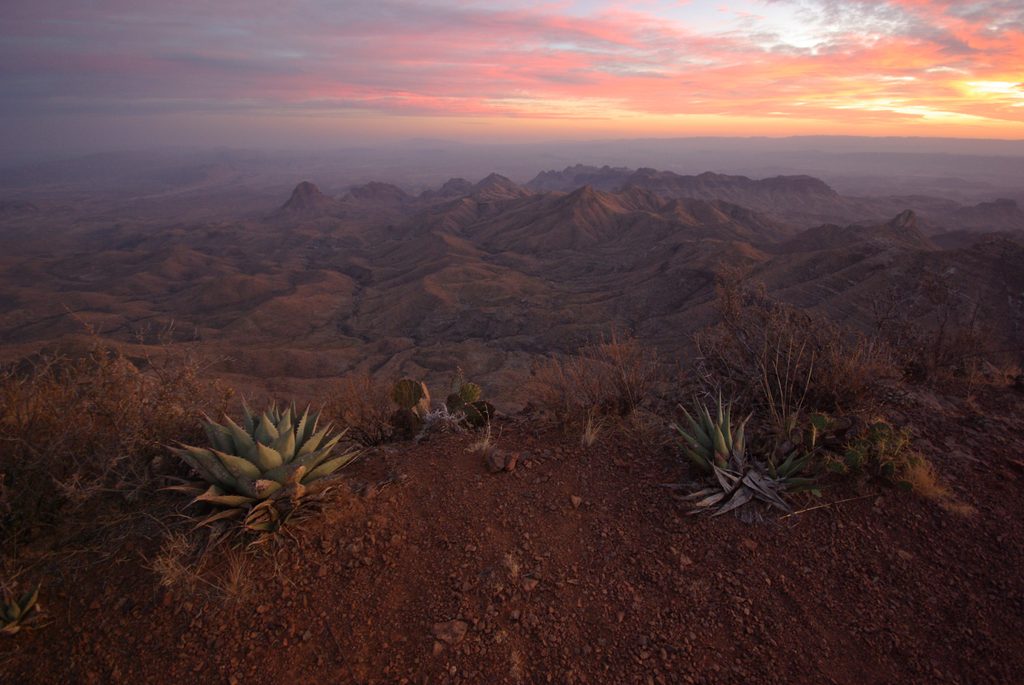
Glenn Spring is where Big Bend’s backcountry really feels like backcountry: a rare desert spring and historic site tucked along Glenn Springs Road, with primitive roadside campsites and sweeping views of the eastern Chisos and nearby desert hills. It’s quiet, stark, and rewarding if you like solitude and self-sufficiency.
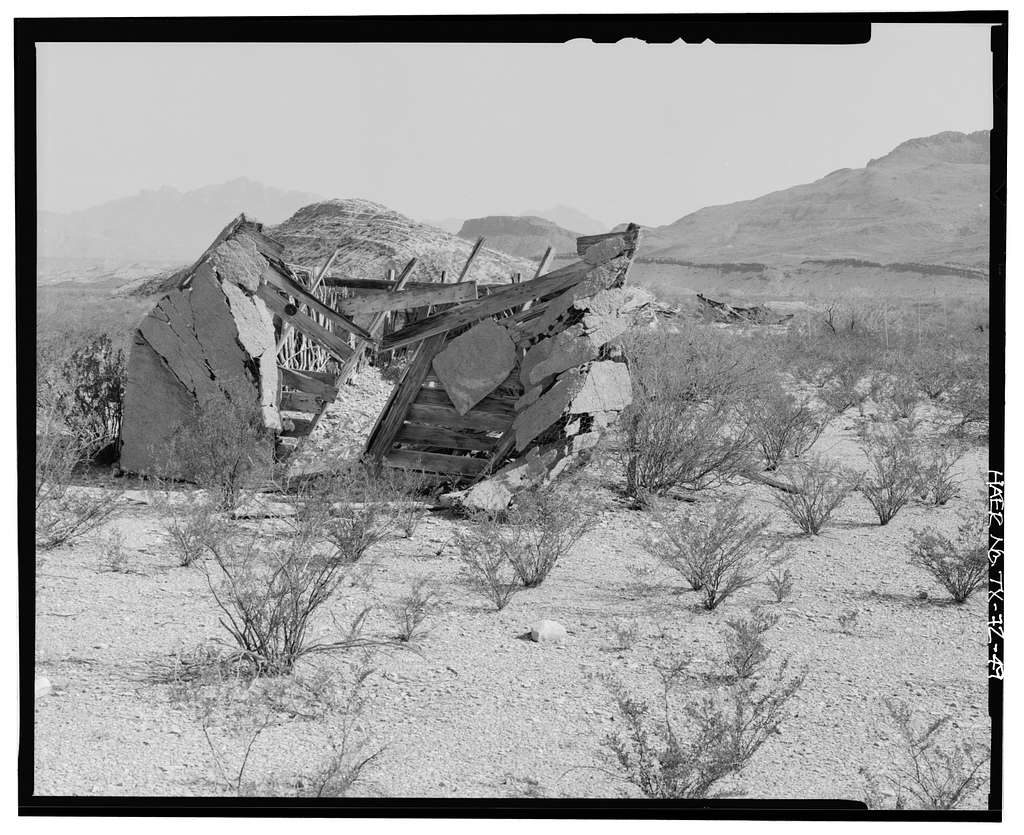
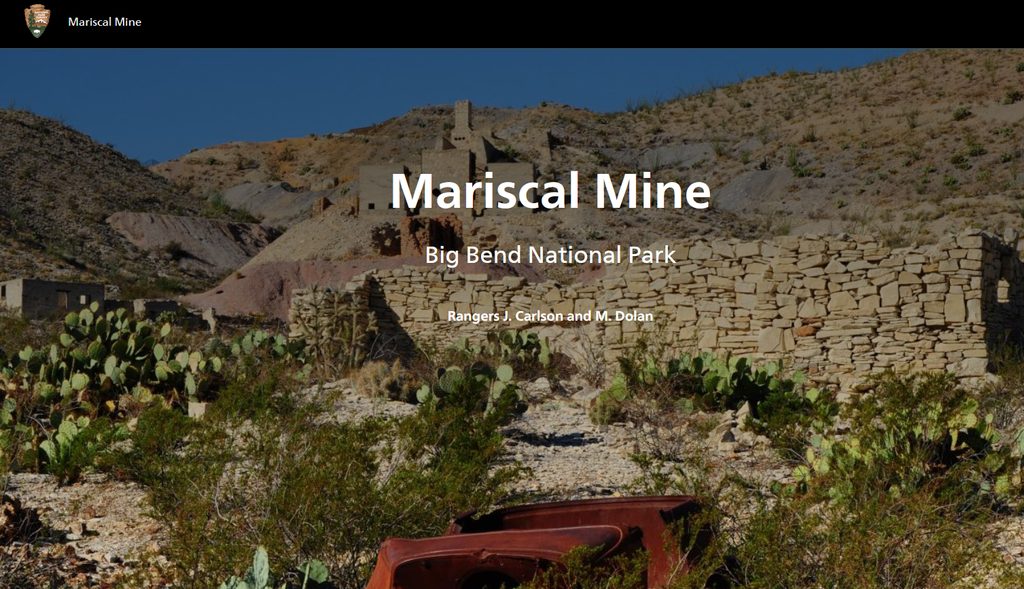
Long before ranchers showed up, the spring was a dependable water stop along the Comanche Trail. In the early 1900s it grew into a small community built around a candelilla wax camp, and in 1916 it became the site of a violent cross‑border raid—one of the pivotal episodes in the region’s border history. You can still find remnants of that era near the oasis.
Access is via Glenn Springs Road, a primitive dirt track that threads rough, rocky desert. High‑clearance 4x4 is strongly recommended, and travel after heavy rain is a bad idea due to washouts and muddy draws. As you descend from Glenn Spring toward River Road, the surface generally becomes smoother. There’s no cell service—download maps and be fully self‑reliant.
Designated, permit‑only primitive roadside sites line Glenn Springs Road. Expect bare‑bones spots just off the road with big skies and zero amenities. There’s no potable water, no toilets, and little to no shade, so come fully prepared. The isolation is the draw; you’re here for quiet nights, stars, and sunrise light on the desert.
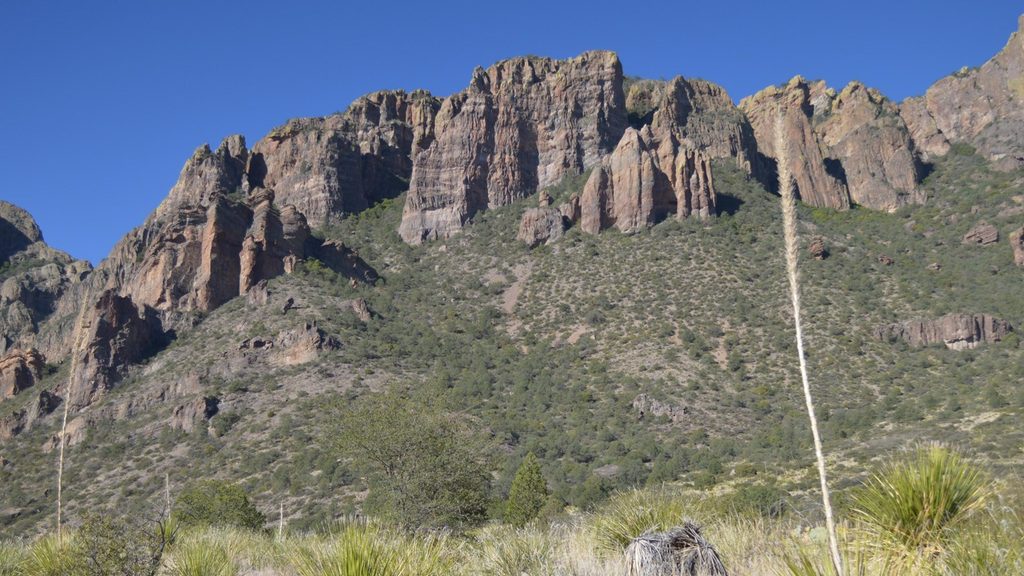
Around the spring itself, the desert softens a bit—look for a pocket of green in an otherwise creosote‑and‑cactus landscape, with rocky hills and views toward Chilicotal Mountain. The water source attracts typical Chihuahuan Desert life: birds, lizards, and the occasional desert mammal, especially in the cooler parts of the day.
Fall through early spring is the sweet spot; summer heat is brutal. Aim for early morning or late afternoon for the best light and calmer temperatures. Weekdays tend to be quieter on the road network, which suits the area’s vibe.
Bring far more water than you think you’ll need, sun protection, food, a full‑size spare and recovery gear, and offline navigation. Backcountry camping permits are required for the roadside sites, and road conditions can change quickly—check status before you commit.
Place · 4.5 mi away
Place · 5.8 mi away
Place · 6.7 mi away
Place · 9 mi away
Easy · 5.8 mi away
Easy · 6.8 mi away
Easy · 6.8 mi away
Moderate · 8.2 mi away

Parkwolf Tour Guide
