
Place · 0 mi away
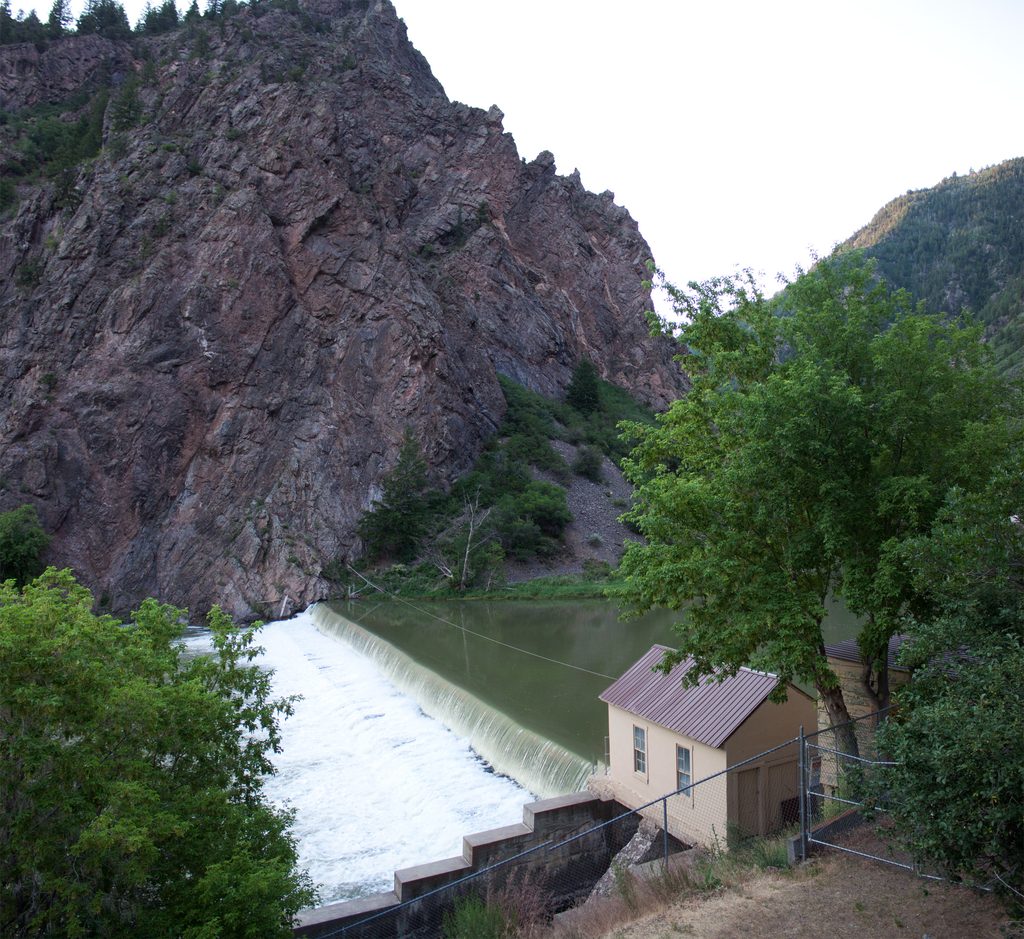
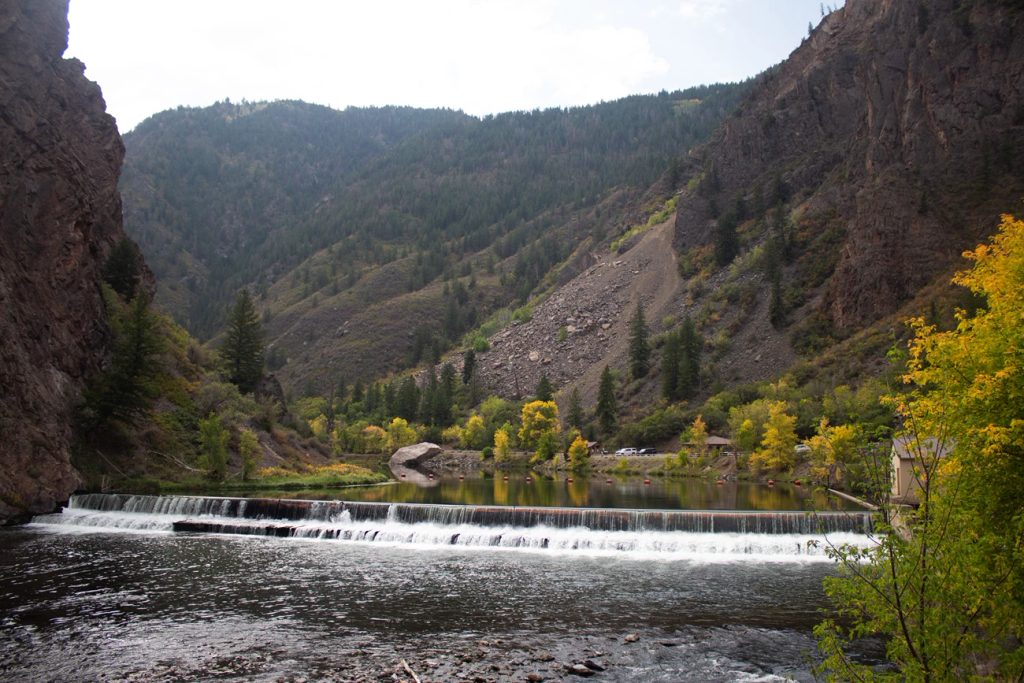
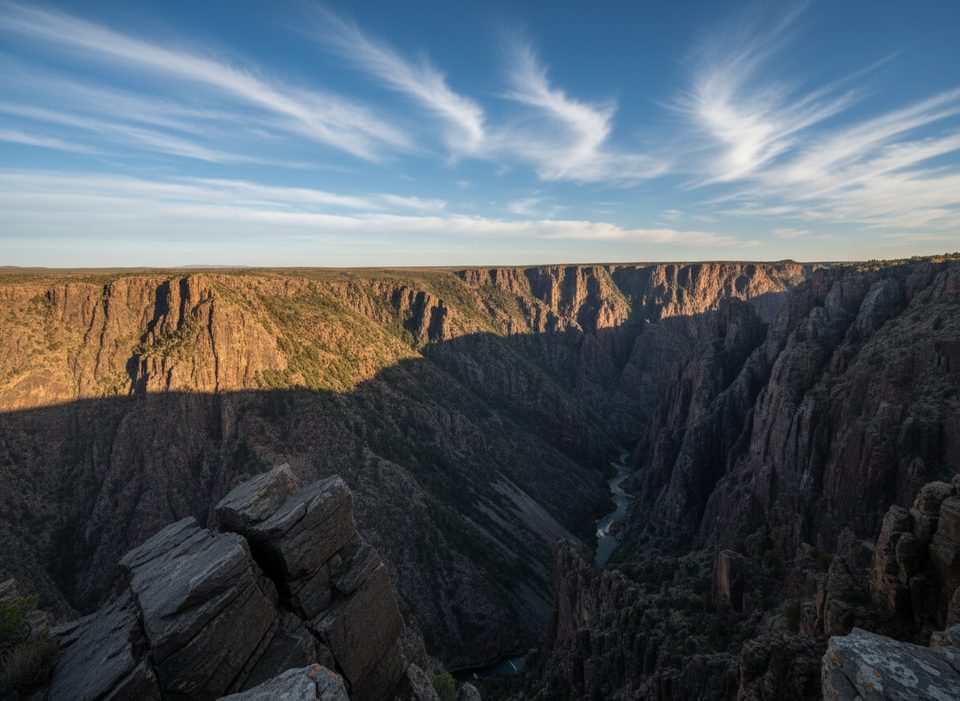
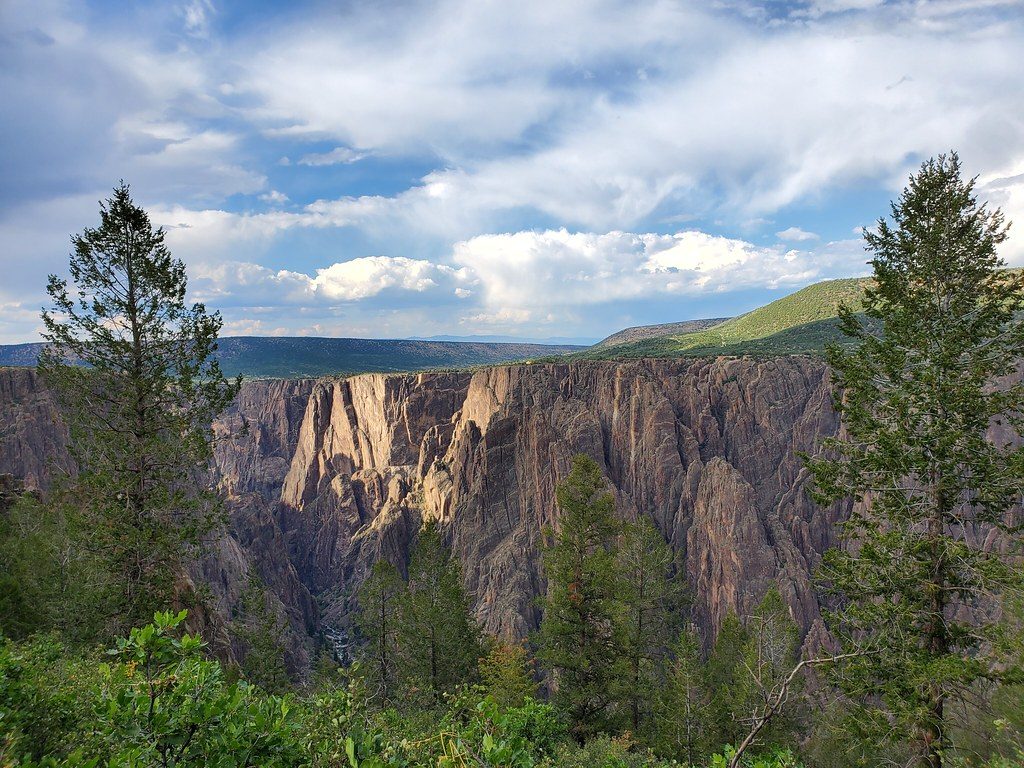
Down at East Portal, the Gunnison Tunnel is where western engineering meets raw canyon drama. You’re at river level, face-to-face with the diversion dam and the tunnel intake that still shuttles Gunnison River water out of the Black Canyon to farms in the Uncompahgre Valley. It’s a calmer, more intimate counterpoint to the South Rim overlooks—better for lingering by the water, reading the interpretive signs, and taking in those sheer walls from below.
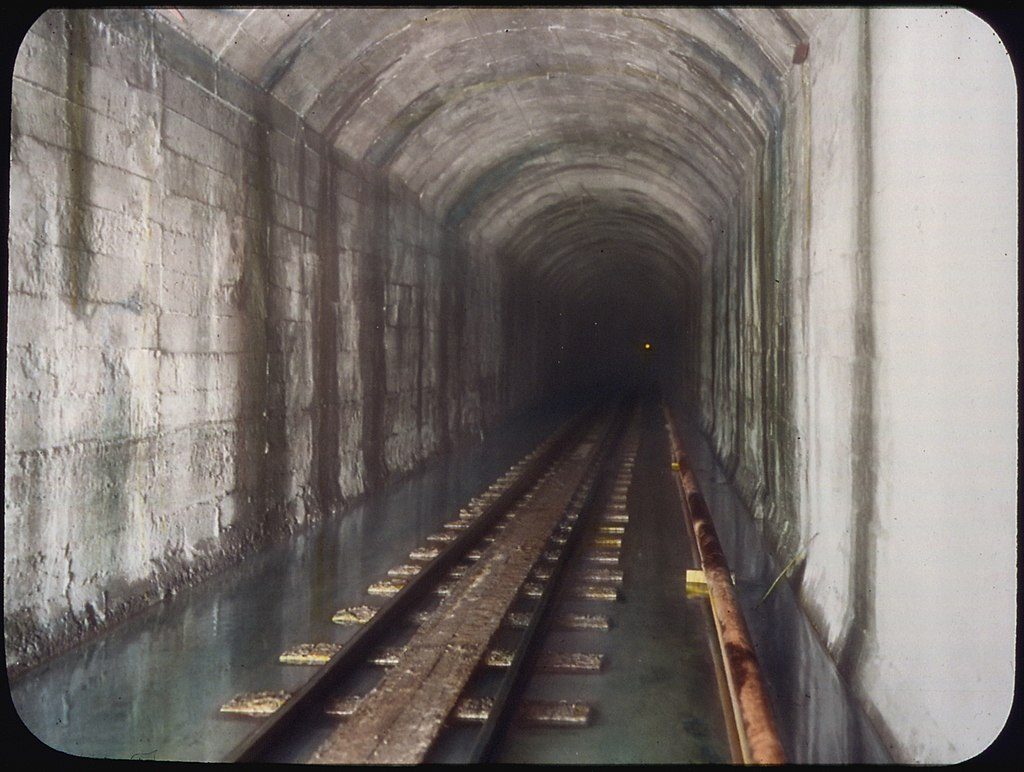
Completed in 1909 after a grueling four-year build, the 5.8‑mile tunnel was the longest irrigation tunnel in the world at the time. Crews drove toward each other from both ends and met with only a six‑inch error—an astonishing feat for the era. The bore is about 11 feet high by 12 feet wide, drops roughly 40 feet along its length, and at one point runs about 2,200 feet beneath Vernal Mesa. It’s still working, feeding a system that irrigates nearly 76,300 acres and supports everything from alfalfa and grains to fruit—and even malting barley grown for beer.
Surveyors first mapped the attack points in the 1890s. Construction kicked off in 1905, leaning on then-new tech like jackhammers and dynamite. The work was dangerous—more than two dozen workers died—and the precision meeting underground quickly became legend. The tunnel later earned recognition as a National Historic Civil Engineering Landmark and a listing on the National Register of Historic Places.
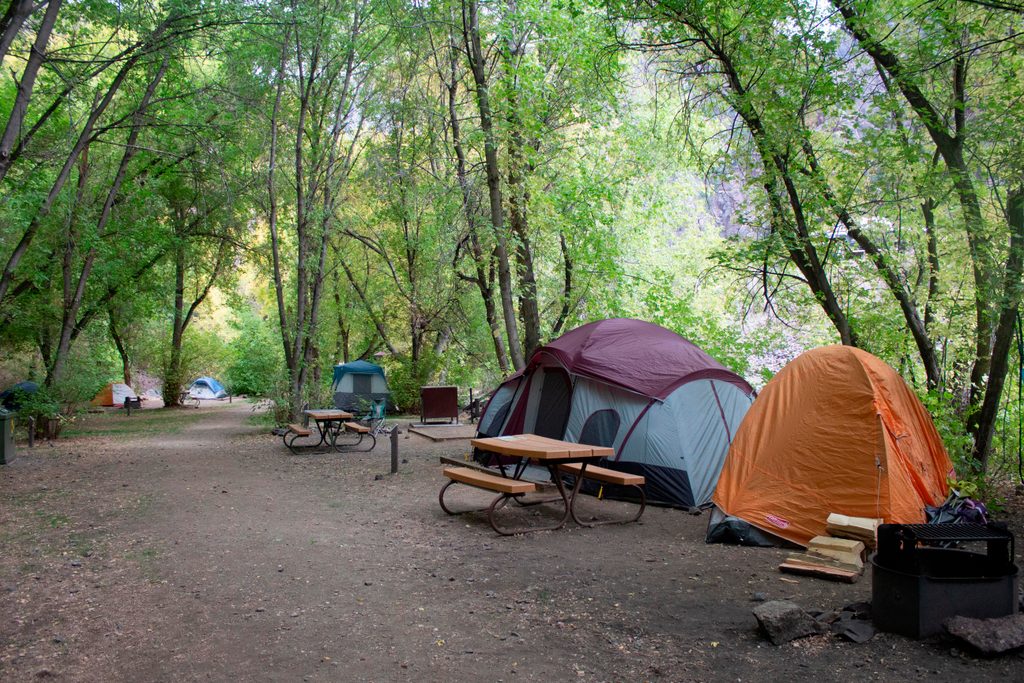
East Portal sits at the bottom of a steep, winding road from the South Rim side. The descent drops roughly 2,000 feet, with serious grades—this is not an easy drive for large RVs or trailers. On the canyon floor you’ll find auto parking, vault toilets, a picnic shelter area, and interpretive exhibits. The East Portal Campground is adjacent; potable water and a fill-up station are available there in summer only. No food, store, gas, or WiFi—plan ahead.
Anglers come for trout in this reach; otherwise expect typical riparian birds and small mammals. Keep your expectations modest—the draw here is the story and the setting more than wildlife density.
If you want on-site potable water, target summer when the campground spigot is turned on. Weekdays further amplify the area’s already-quiet vibe compared to the busy rim overlooks. Year-round, watch the weather and give yourself time for the steep drive and unhurried time by the river.
Place · 0 mi away
Place · 0.2 mi away
Place · 0.2 mi away
Place · 0.6 mi away
Moderate · 2 mi away
Challenging · 2.6 mi away
Easy · 2.8 mi away
Moderate · 2.8 mi away

Parkwolf Tour Guide
