
Place · 0 mi away
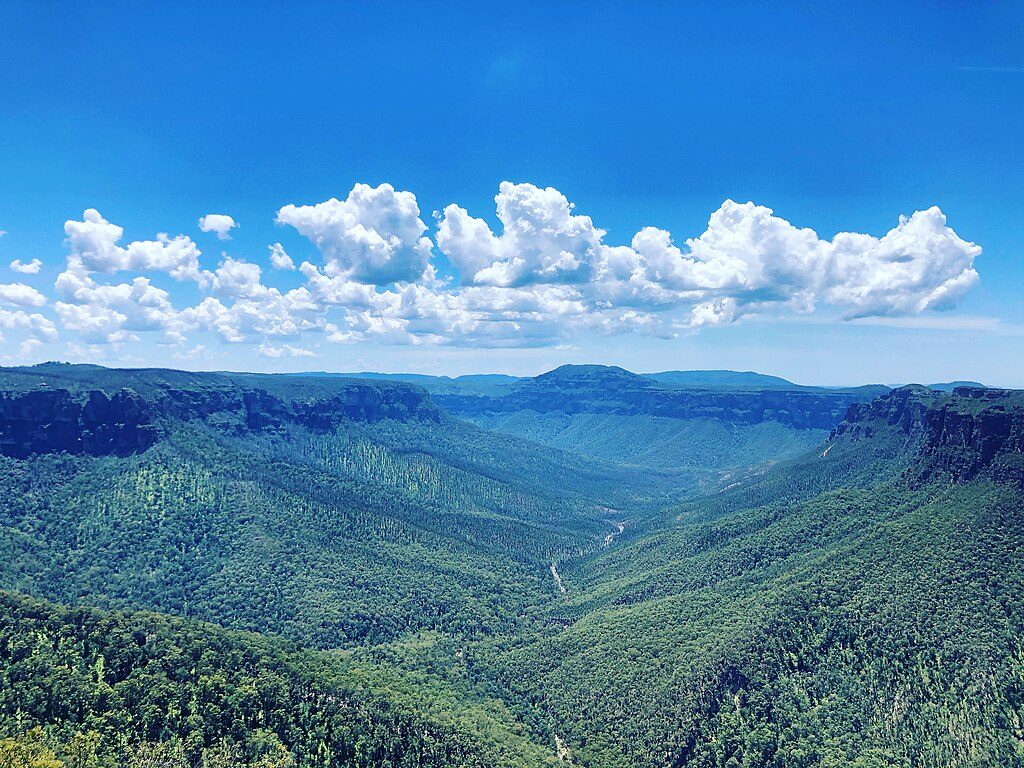
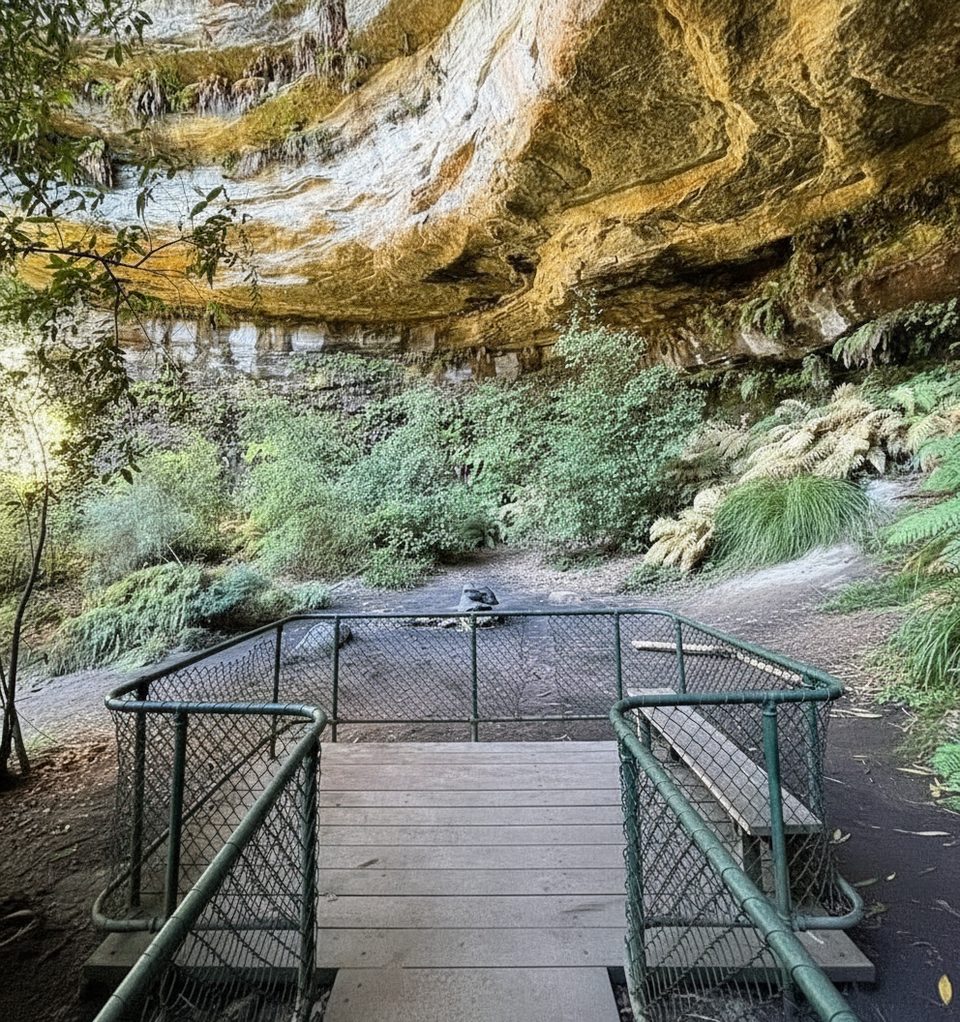
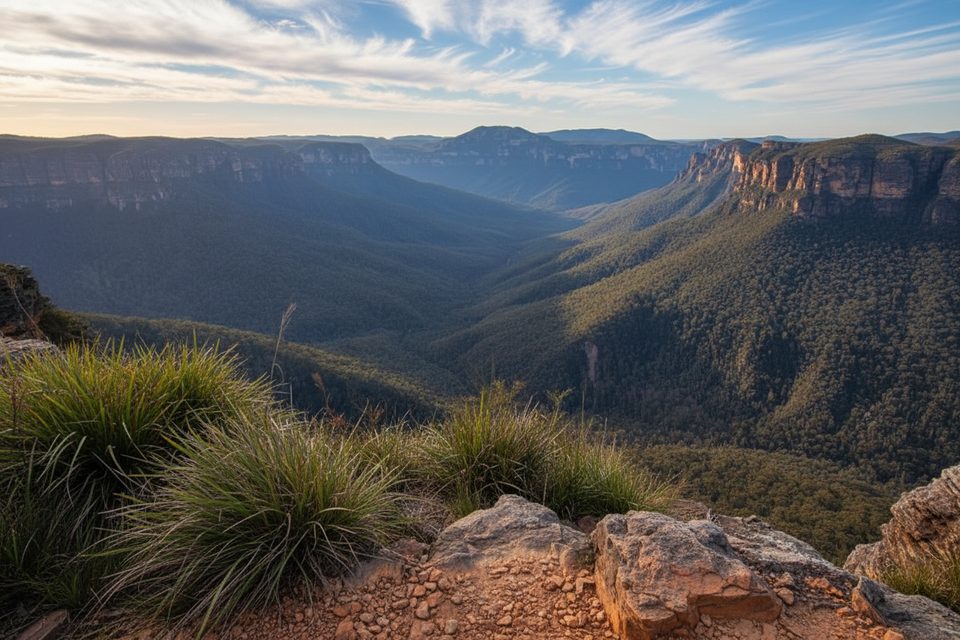
This historic 6–7 km loop drops from the plateau into a narrow sandstone chasm carved by Greaves Creek. Built in 1907 and carefully restored a century later, it’s one of the rare Blue Mountains canyons you can experience on foot. Expect 2–4 hours of moderate-to-challenging hiking with sustained stairs, a cool microclimate, and scenery that’s far more intimate than the clifftop walks.
You can start from Grand Canyon Carpark, Evans Lookout, or Neates Glen. Completing the official loop includes a 1.4 km road walk along Evans Lookout Road between Evans Lookout and Neates Glen—stay alert for traffic. The track is well marked but can feel confusing in places; mobile reception is spotty, so download a map beforehand. Toilets are available at Grand Canyon Carpark. There’s no drinking water or services along the route.
It’s one of the most popular walks in the mountains, so plan around crowds. The smallest car park overflows quickly and impacts the roadside—arrive early and consider using the larger trailheads along Evans Lookout Road instead of circling for spots.
Opened in 1907, the track is a classic of early bushwalking design, threading ledges and rockwork through Triassic sandstone sculpted by Greaves Creek. Recent restoration kept the heritage feel while improving safety and durability.
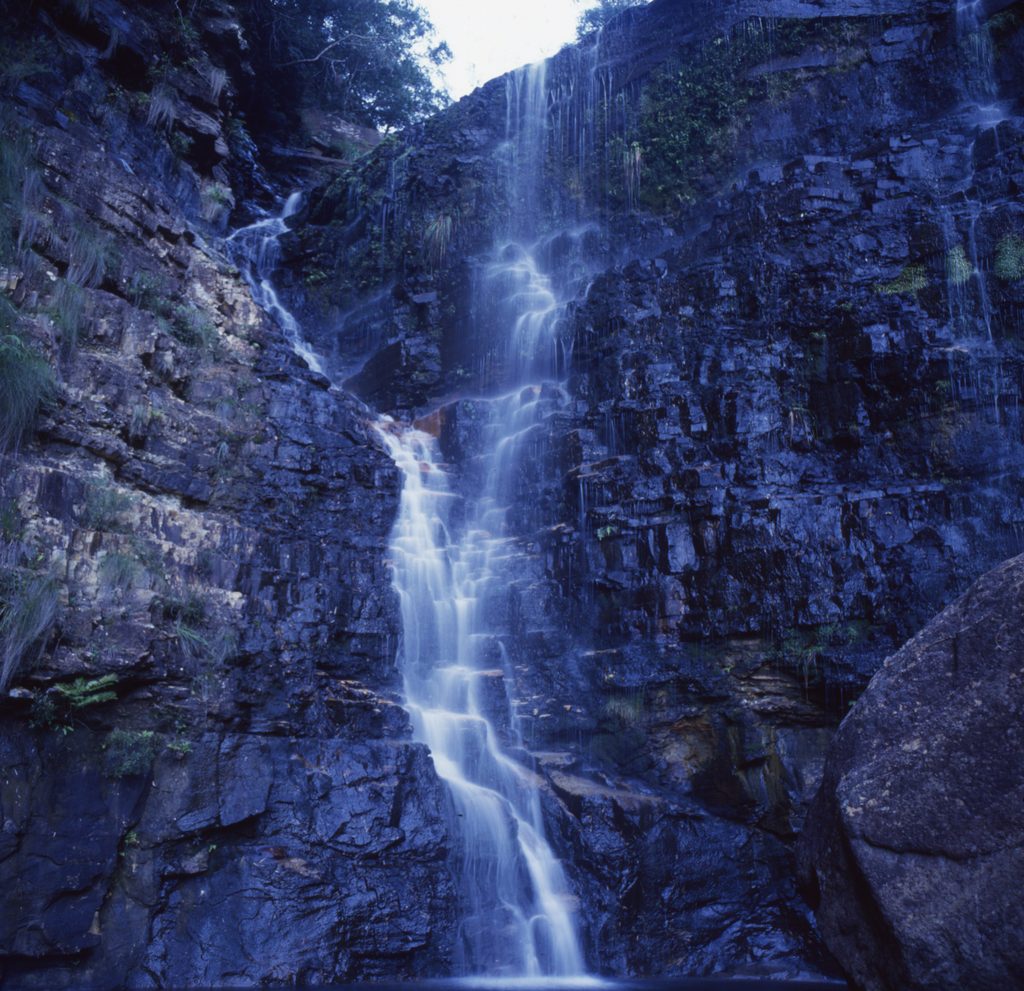
Birdlife is the main draw—listen and look for a variety of native species in the sheltered gullies. The damp, shaded environment also supports frogs and a bustle of insect life around pools and cascades.
Expect many stairs and some slippery sections, especially after rain. Creek crossings can be wet underfoot. Avoid the canyon after heavy rainfall due to flooding risk, and budget energy for the climb back to the rim.
Place · 0 mi away
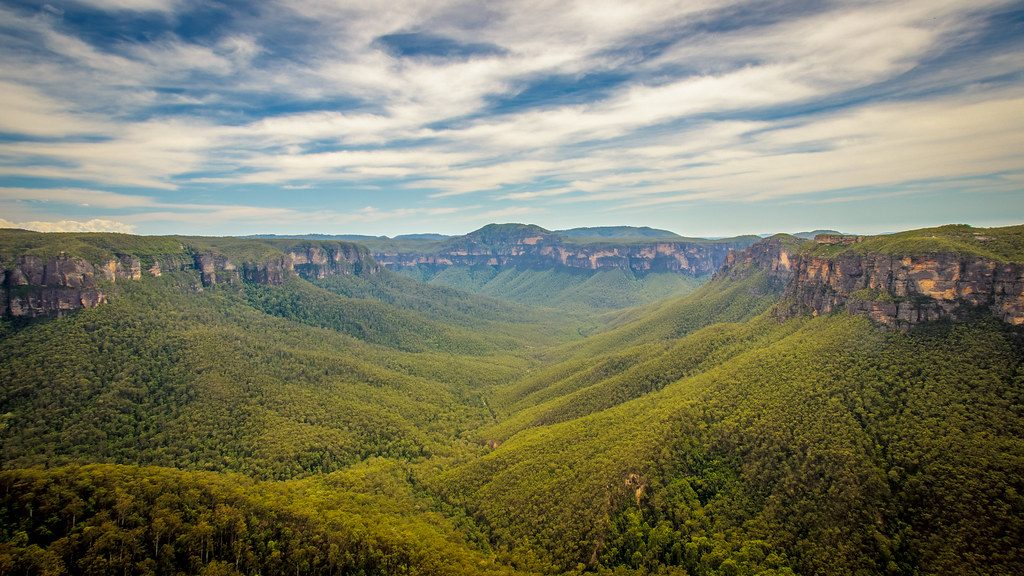
Place · 0.3 mi away
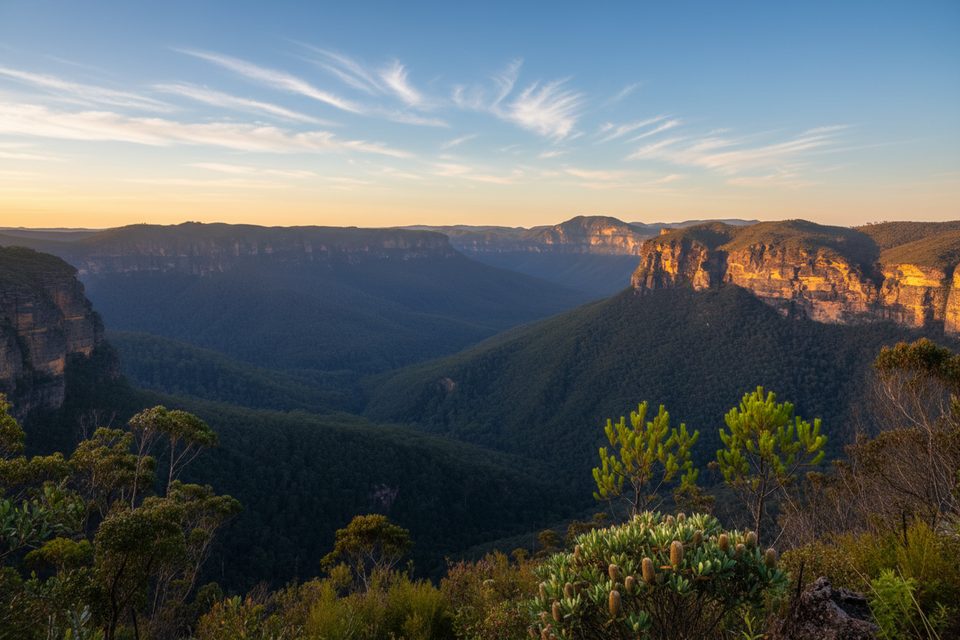
Place · 0.7 mi away
Place · 1 mi away
Moderate · 0 mi away
Challenging · 0.3 mi away
Challenging · 0.3 mi away
Challenging · 0.4 mi away

Parkwolf Tour Guide
