
Place · 0.1 mi away
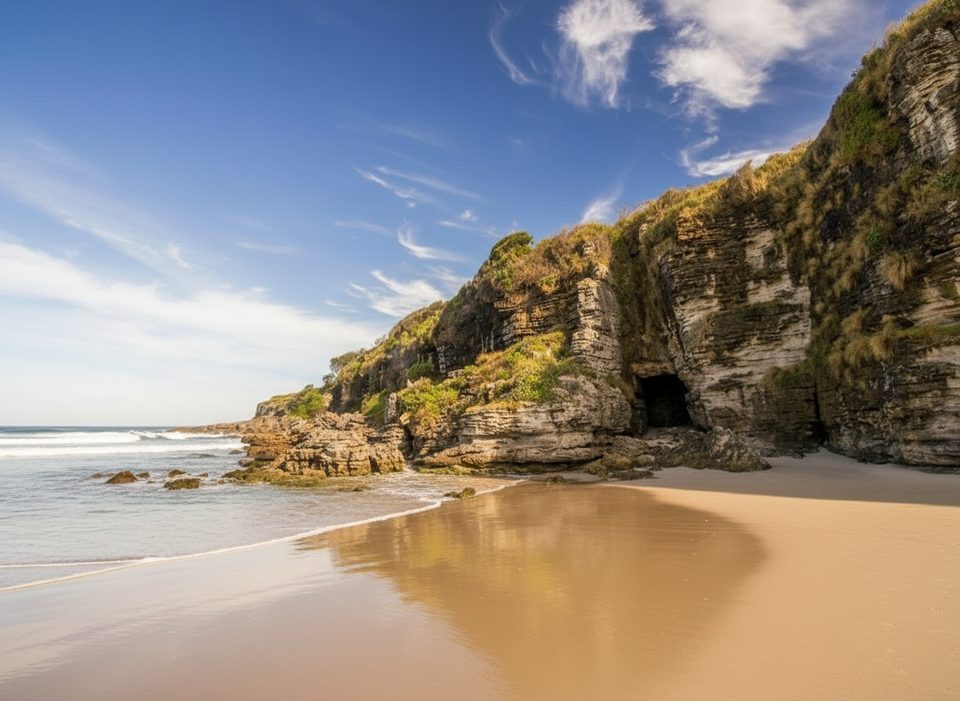
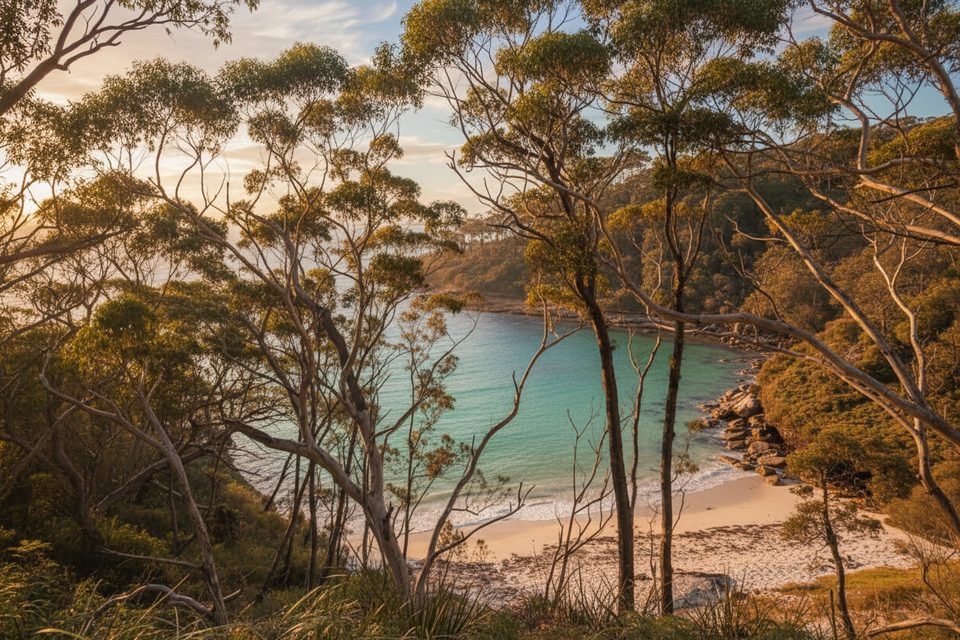
Tucked at the western end of Cave Beach, this tide‑carved chamber slices into Permian sandstone, framing turquoise water and white sand in a dramatic natural window. It’s the namesake feature of the beach and a fun mini‑adventure if you time it right.
Park at the Cave Beach carpark, then wander through the carry‑in campground area to the beach (the campground is about 300 m from the carpark). The cave sits along the rock platform on the western side of the beach. There’s a day‑use area near the beach with public amenities.
Only attempt the cave around low tide and in calm swell. Avoid high tide, heavy surf, or post‑storm surge—waves can funnel into the chamber. Rocks are slick and uneven; sturdy footwear helps, and a headlamp is handy once you’re inside. None of the park’s beaches are patrolled, so keep an eye on conditions and never turn your back on the ocean.
Inside, the light can be moody and beautiful, especially when you turn back toward the beach for a natural “sea‑arch” view. Expect classic south‑coast rock textures—bedding planes and joints guiding the cave’s shape—and sweeping dunes behind you. Around the campground and access path, kangaroos are often spotted at dawn and dusk; dolphins are regularly seen offshore. Birders can link a short walk to Ryans Swamp and long Bherwerre Beach for waterbirds and seabirds.
The cliffs and platforms here expose marine sandstones, siltstones and conglomerates from the southern Sydney Basin. Wave action along weaknesses in these layers has notched the coast and enlarged cavities like this cave. The overlying dunes are easily eroded, so stick to marked tracks.
Booderee means “bay of plenty” in the Dhurga language and is owned by the Wreck Bay Aboriginal Community. The Bherwerre Peninsula holds over a hundred Aboriginal sites—please leave shell deposits and any artefacts undisturbed and stay on established paths.
By the campground/day‑use area you’ll find toilets, fresh water and cold showers, plus a sheltered gas barbecue area and wood barbecues. Campsites are marked and lightweight style; all gear is carried from the carpark.
Aim for an early‑morning low tide for calmer conditions, softer light in the cave, and fewer people. Weekdays and outside school holidays are typically quieter. Skip days with large swell or king tides.
Place · 0.1 mi away
Place · 0.2 mi away
Place · 0.2 mi away
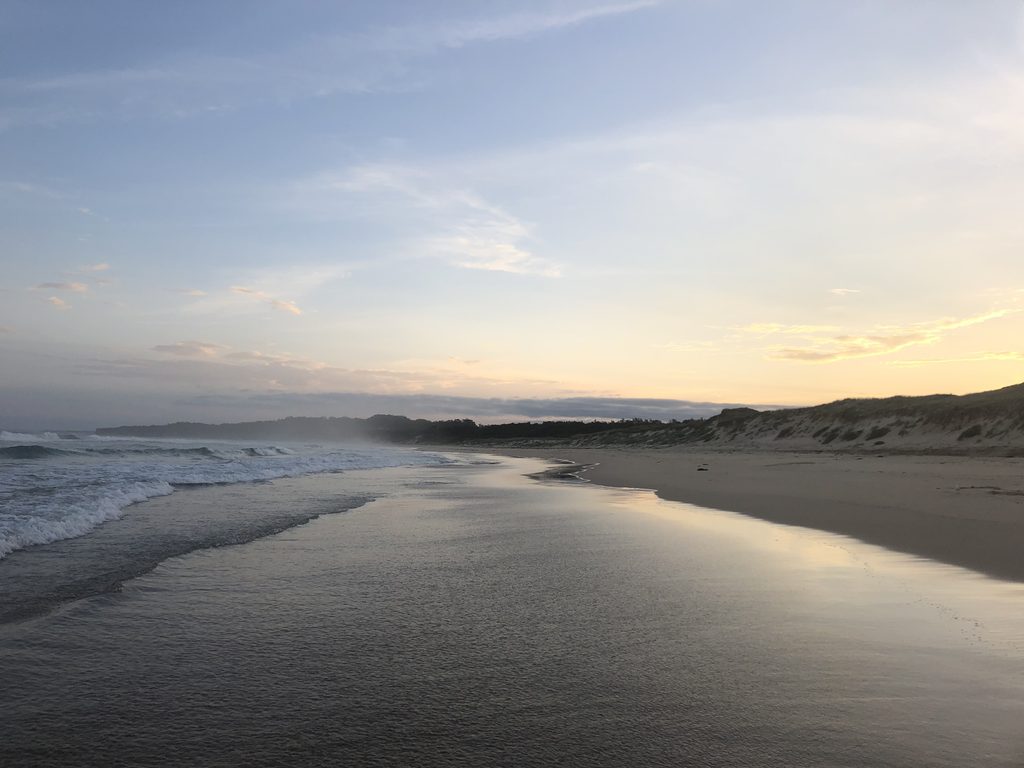
Place · 1 mi away
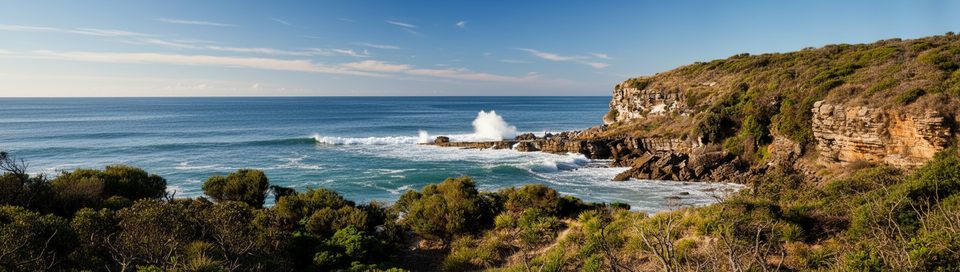
Easy · 0.3 mi away
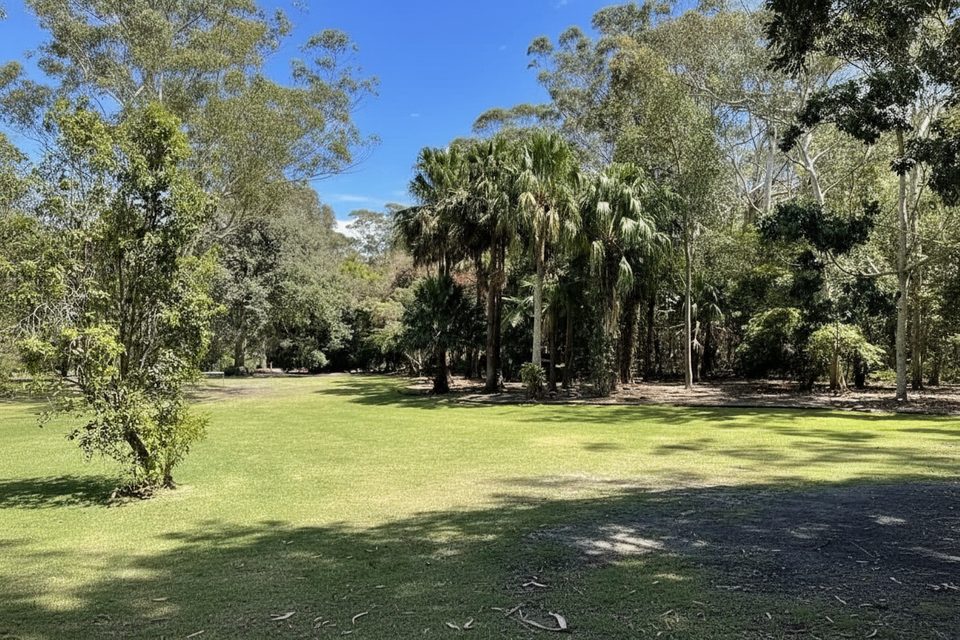
Easy · 1.3 mi away
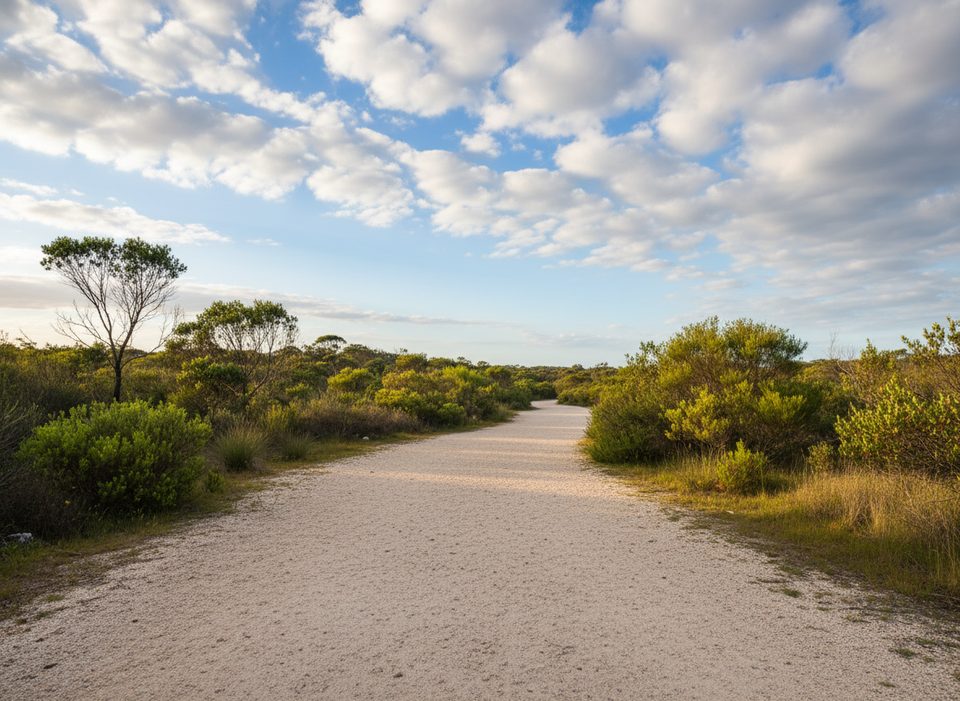
Easy · 1.3 mi away
Easy · 1.5 mi away

Parkwolf Tour Guide
