
Place · 0.2 mi away
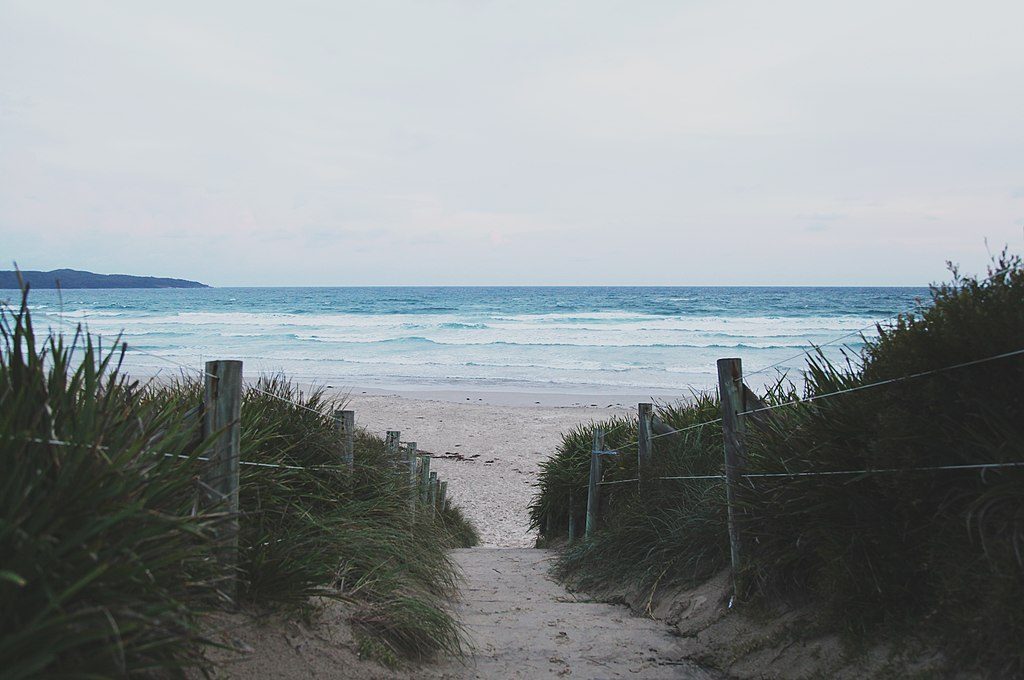
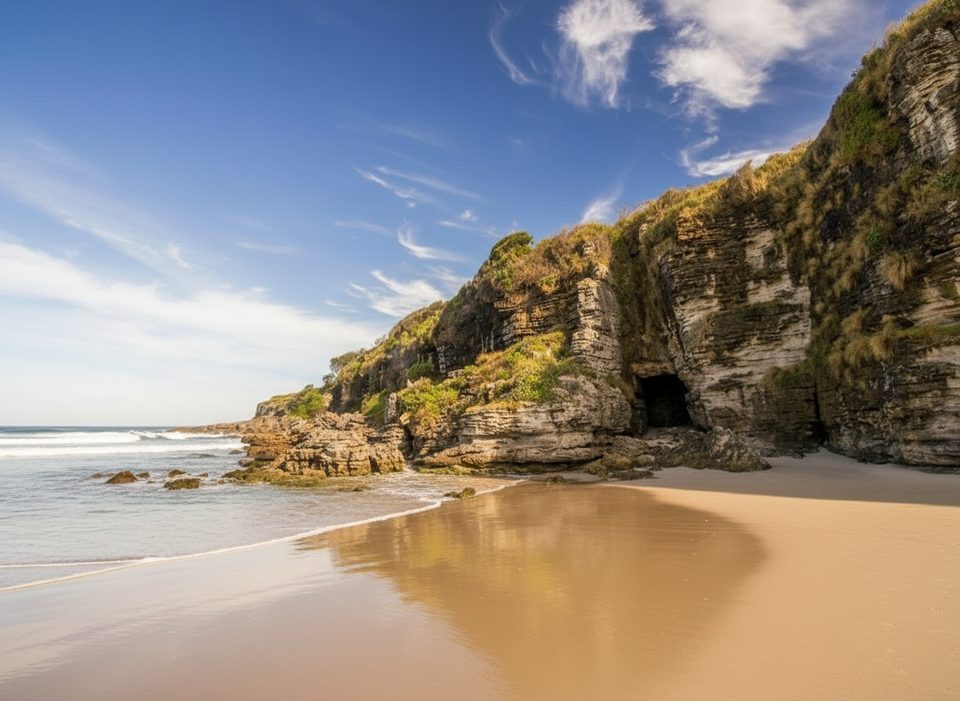
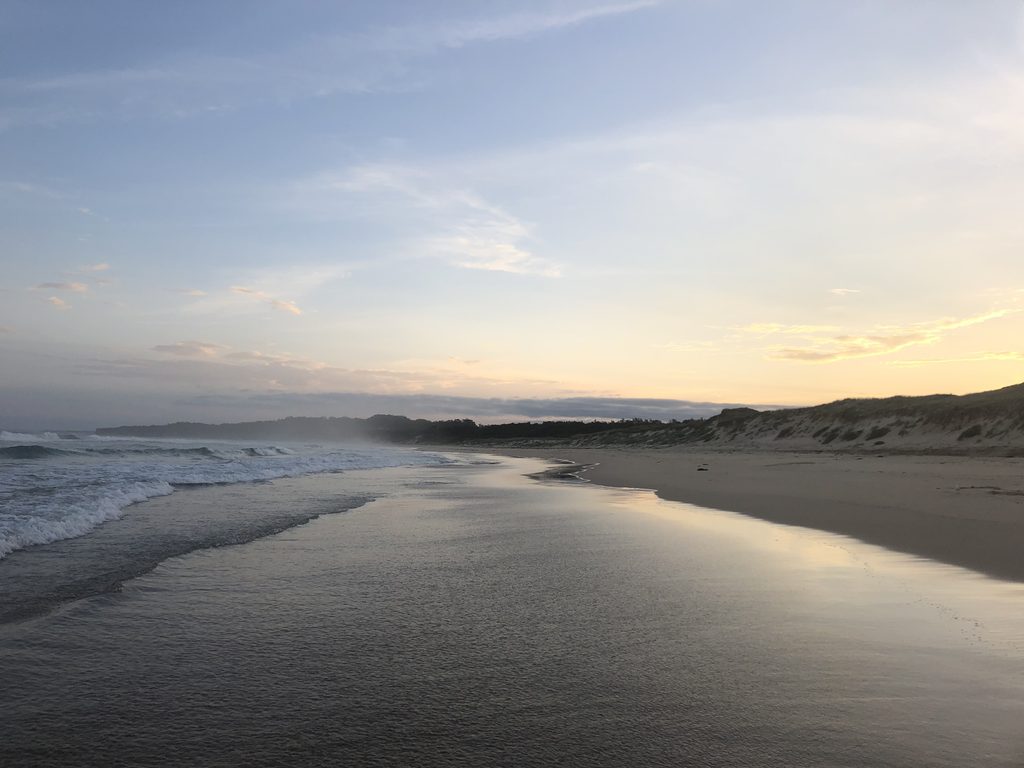
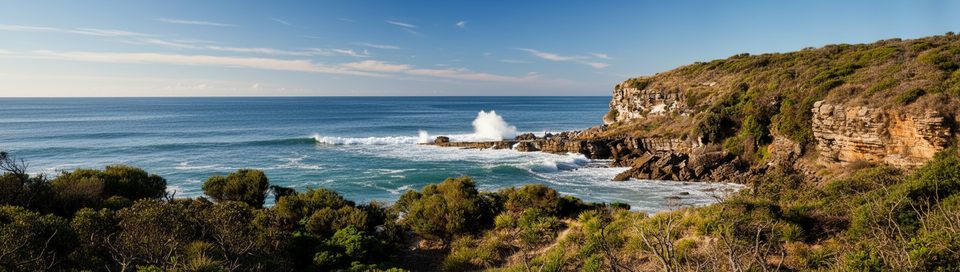
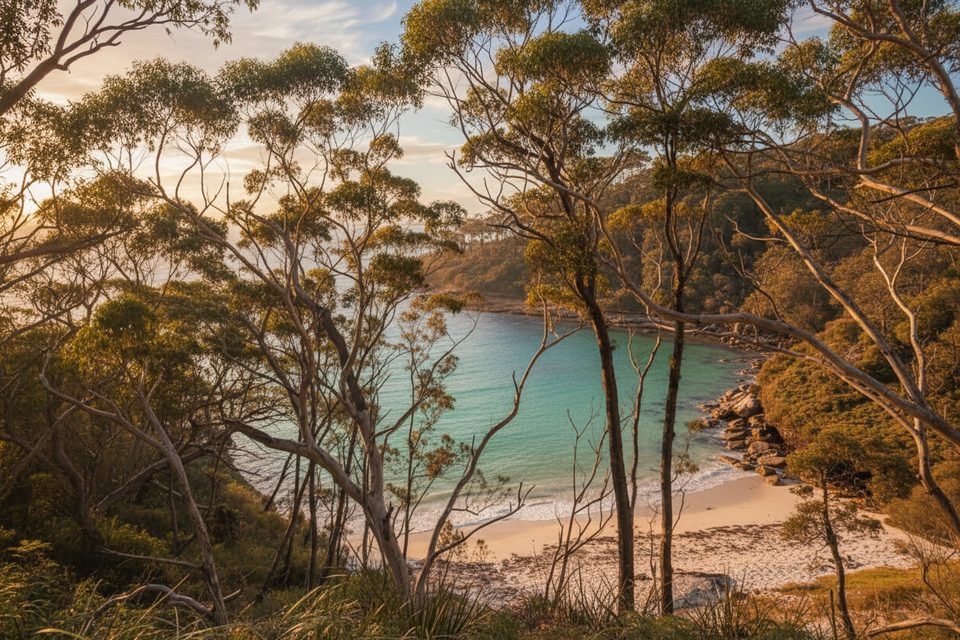
Cave Beach is the park’s wild, wave‑facing side: turquoise water, a sweep of sand, and a headland riddled with sea caves. It’s easy to love and easy to underestimate. Note the name—this is Cave Beach (singular), not the “Caves Beach” up near Newcastle.
Head for the western end where the shoreline caves steal the show, including a deep cave that perfectly frames the beach. There’s a handy lookout before you drop down to the sand—worth a pause for photos. Dolphins are regularly spotted offshore, and kangaroos often loiter around the nearby campground and car parks.
This is one of the best surf beaches in the park, but it’s usually unpatrolled and exposed. If the swell looks punchy or you’re here with less‑confident swimmers, walk over the headland to Bherwerre Beach for gentler options when conditions allow.
Only enter the sea caves around low tide and when the swell is calm. Conditions change fast near rock platforms; turn back early if the ocean starts pushing in. Wear sturdy footwear—the rock can be slick and uneven.
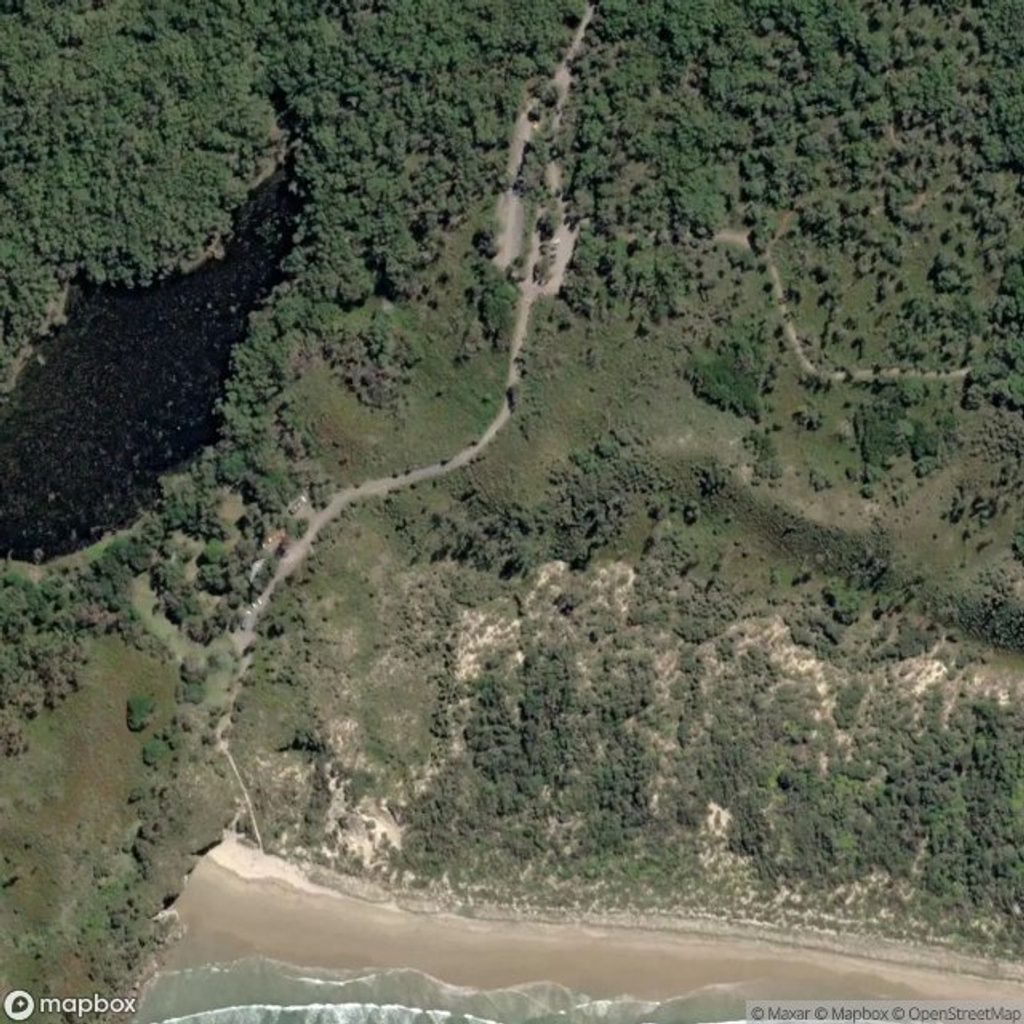
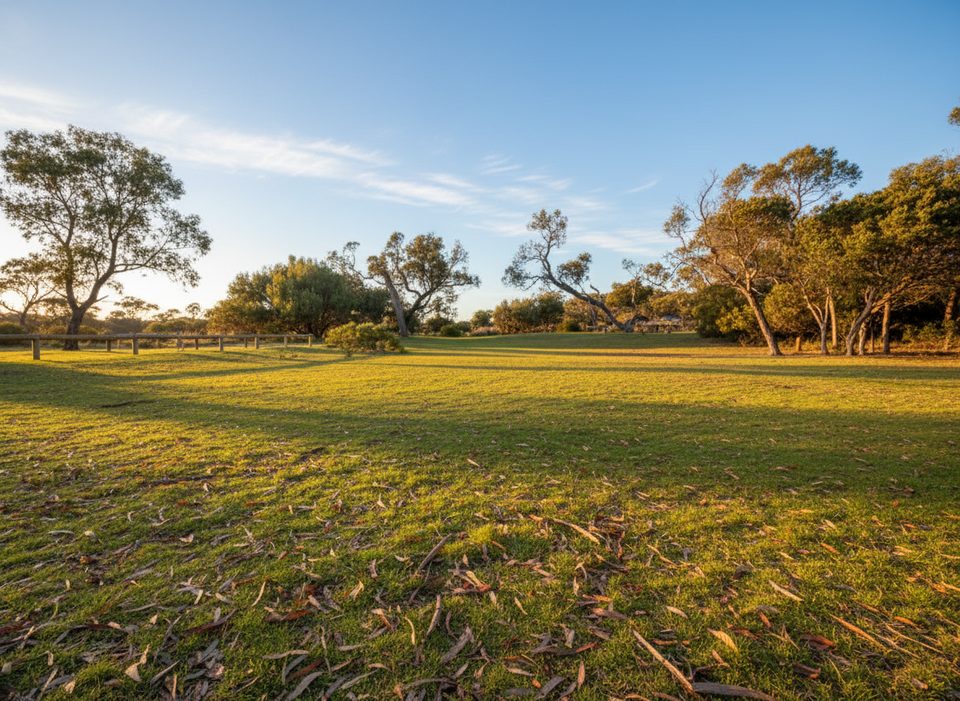
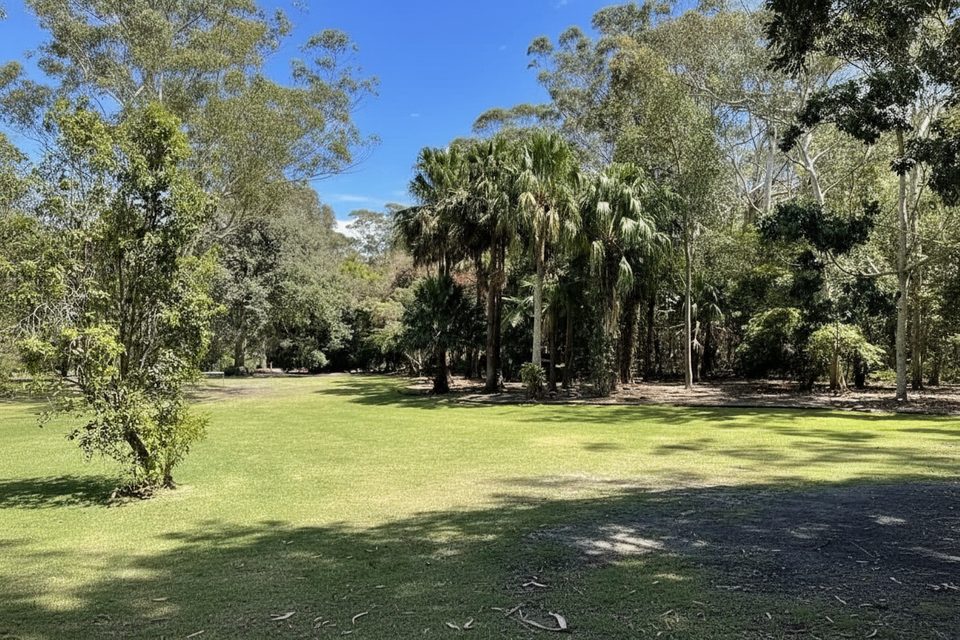
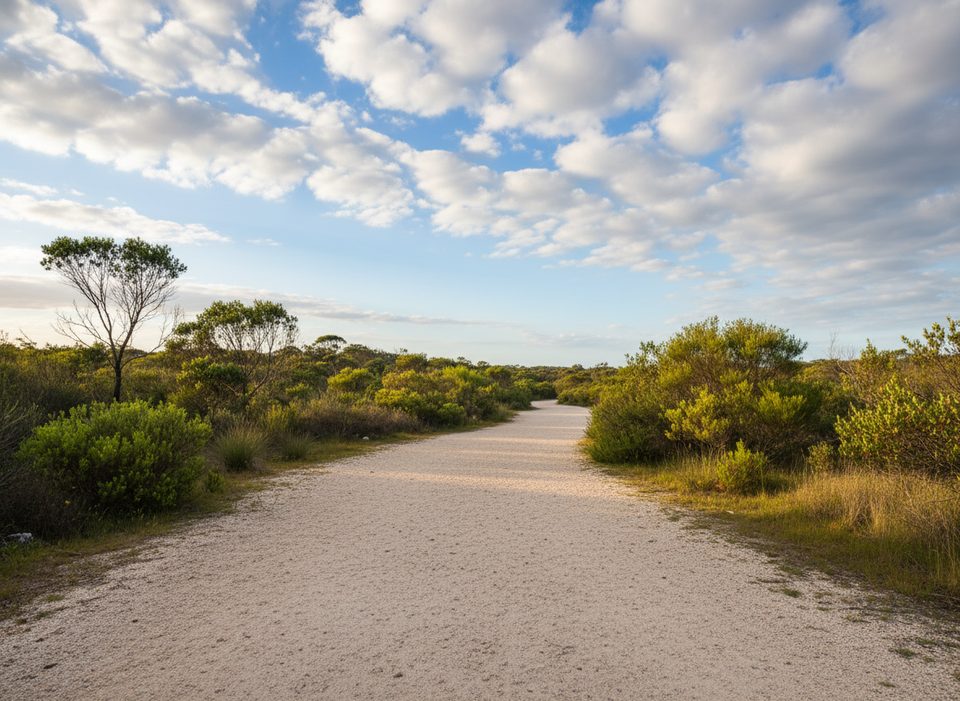
Park at the Cave Beach car park and follow the sandy/stepped track down. Day‑use toilets are available. The adjacent Cave Beach Campground is a 300 m carry‑in with fresh water, public toilets, cold‑water showers, and both sheltered gas BBQs and wood fire pits. Bookings are essential, tent sizes are limited to marked sites, and fires must stay in designated pits.
Kangaroos are a common sight around camp—admire, don’t feed. Offshore habitats and nearby wetlands support seabirds and other wildlife. Stay on tracks and keep off dune vegetation to protect the fragile coastal environment.
Booderee is owned by the Wreck Bay Aboriginal Community and jointly managed. You may encounter cultural programs or site protections—please follow all guidance and signs.
Early morning or late afternoon brings softer light, fewer people, and great cave‑framing shots. Aim for low tide if cave exploring is on your list. Weekends and holidays are popular, and warmer months (November–March) suit beach time best.
Place · 0.2 mi away
Place · 0.2 mi away
Place · 0.3 mi away
Place · 1.2 mi away
Easy · 0.3 mi away
Easy · 1.3 mi away
Easy · 1.3 mi away
Easy · 1.3 mi away

Parkwolf Tour Guide
