Place · 0.1 mi away

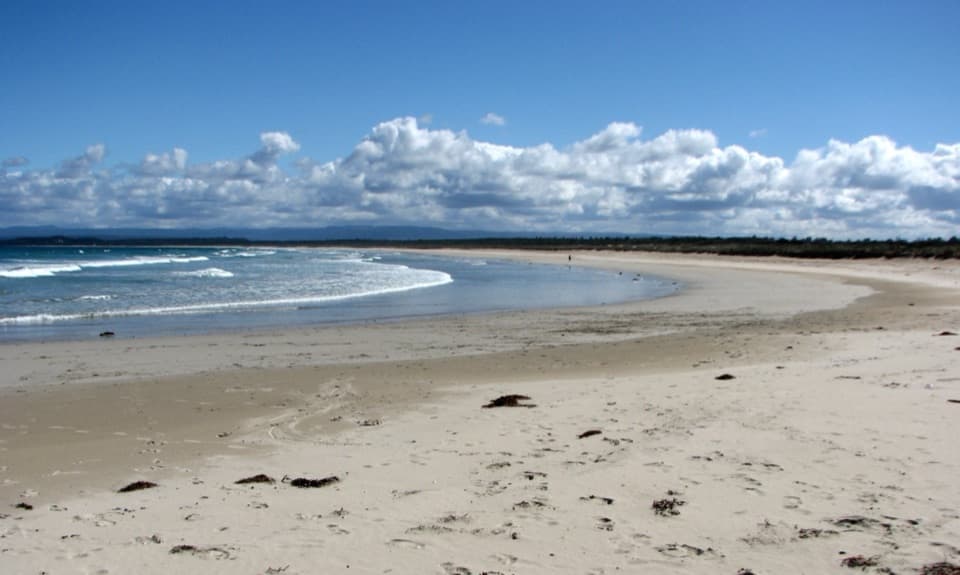
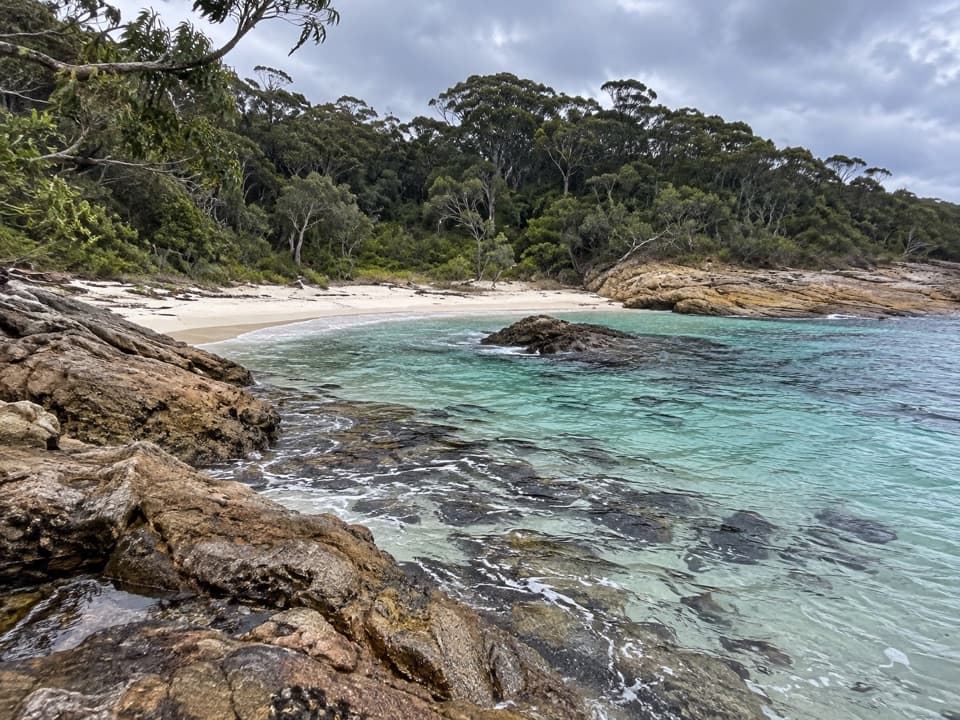
A classic coastal, tent‑only, walk‑in campground 300 m from the carpark, Cave Beach Campground feels wonderfully simple: grassy pads under coastal tea‑trees, ocean soundtrack at night, and kangaroos cruising through camp. You’re a short stroll from Cave Beach (surf, swim, sand play) and close to long, wild Bherwerre Beach. It’s low‑key camping in prime beach territory.
Sites are marked 5 m × 5 m; your entire setup must fit, and tents must be under 3.0 m × 4.5 m. Facilities include fresh water, public toilets, cold‑water showers, a sheltered gas BBQ area and wood BBQs. It’s unpowered and intentionally simple—perfect if you want to unplug.
Bookings are essential (first‑come, first‑served by date). You’ll carry all gear from the carpark to camp—bring a trolley or keep kits minimal. Fires are only in provided fire pits; no open fires on sites. Gas appliances are fine unless there’s a total fire ban. Don’t dig (tent pegs are OK), don’t feed wildlife, and leave the sand and vegetation undisturbed. Pick up a tent tag from the Visitor Centre on arrival (or next day after hours) and vacate by 12 noon. No animals are permitted in the park, and generators aren’t allowed. Pricing varies by season; a standard site (max five people) generally runs about $30–$80 per night.
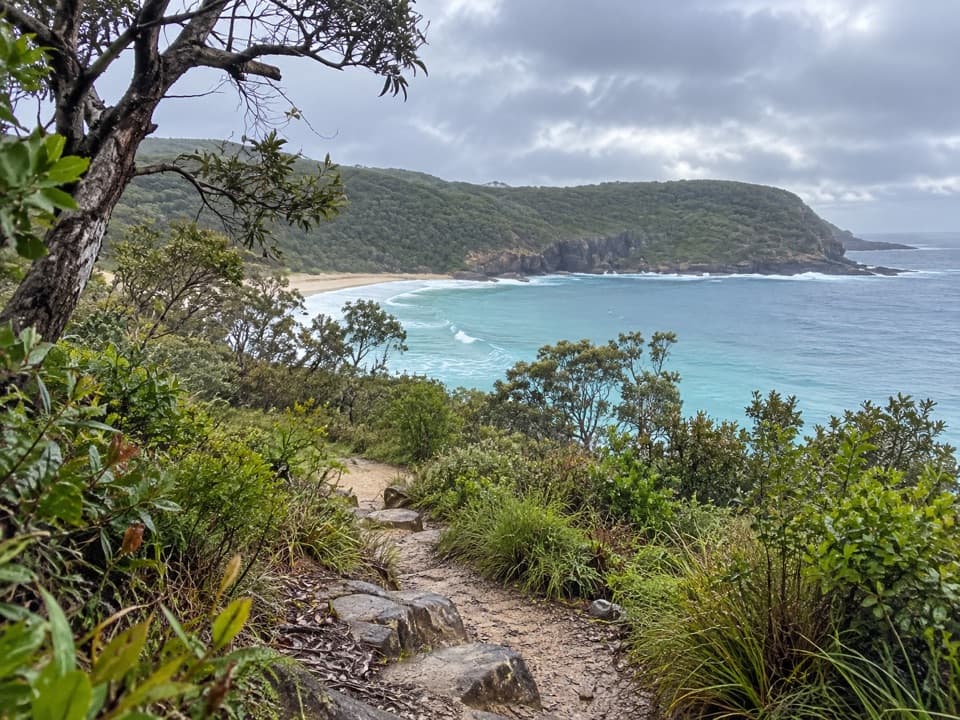
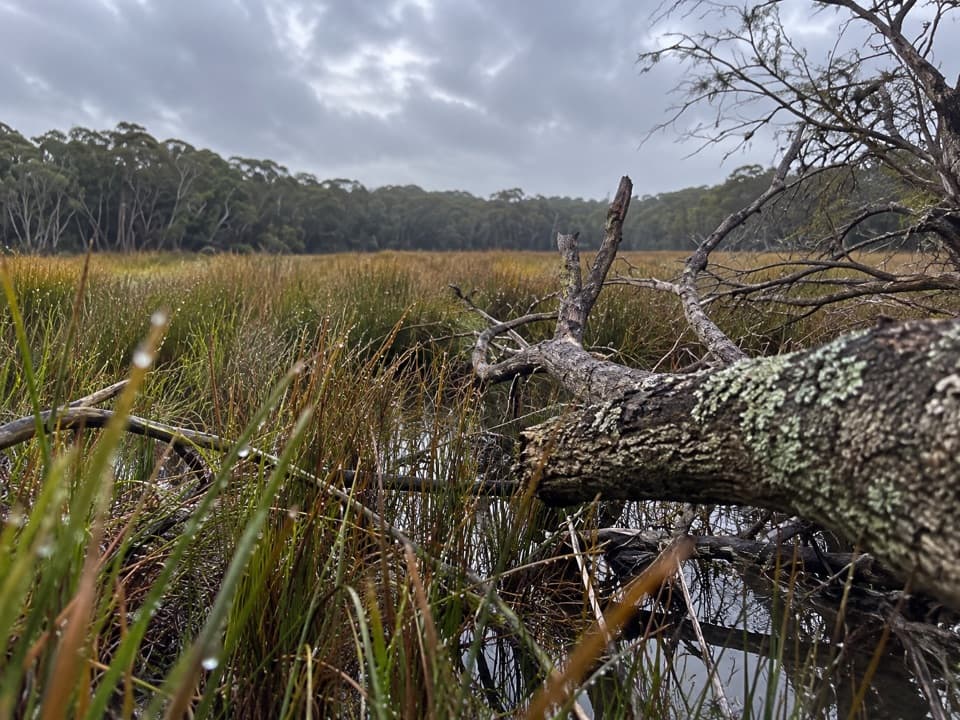
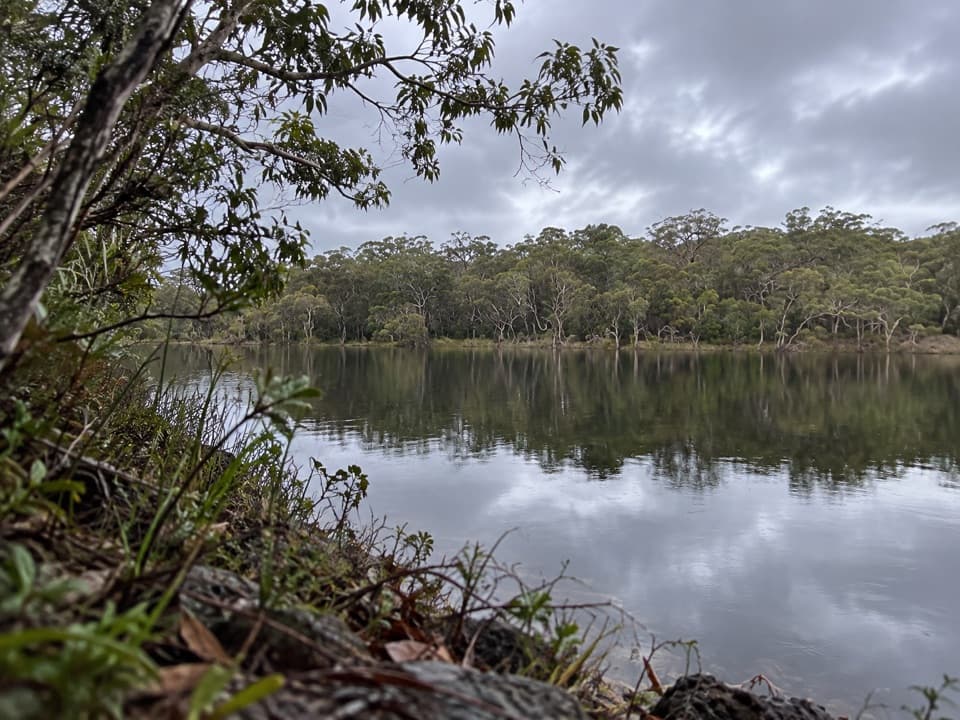
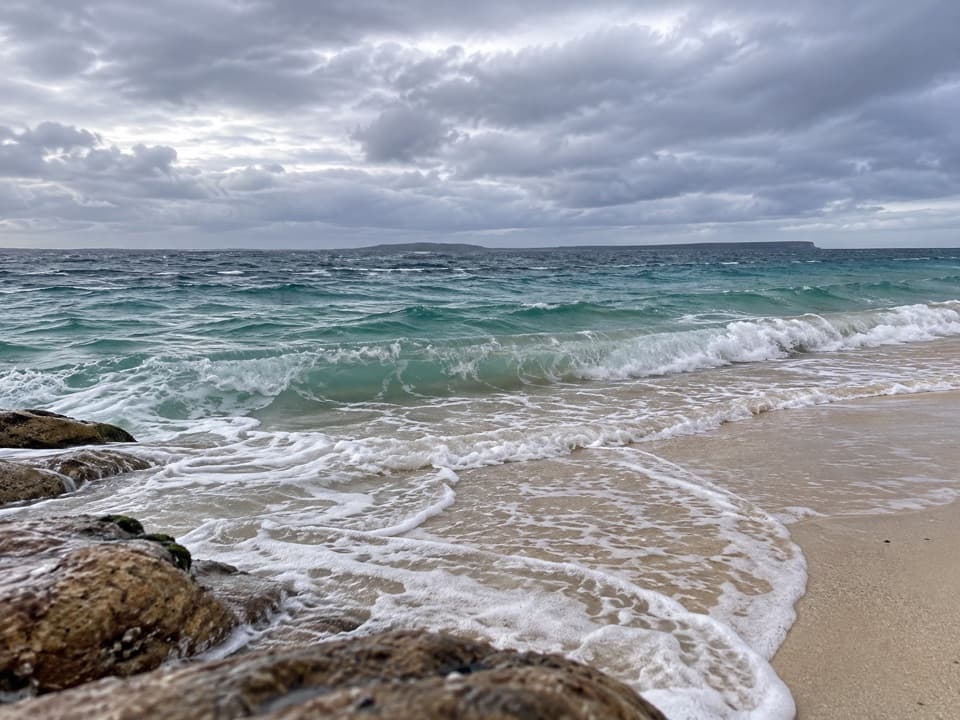
Cave Beach is your backyard: reliable surf, gorgeous sand, and moody cave shadows for photos. Bherwerre Beach is an easy wander away and good for swimming and surf days too. Inland, Ryans Swamp attracts waterbirds, frogs, snakes and turtles—great for quiet wildlife spotting. The ocean side can see powerful surf; check conditions and stick to patrolled swimming when available.
Expect kangaroos (often in the carpark and around camp), cheeky possums, and abundant birdlife. Snakes, including red‑bellied black snakes, are part of the local ecosystem—watch where you step, keep food sealed, and give all wildlife space.
Aim for early morning or late afternoon: softer light for photography, cooler carries to camp, and fewer day‑trippers at the carpark. Weekdays outside peak season feel the most relaxed. Sunrise and sunset light makes the rock and dune textures sing; blue hour is lovely for smooth‑water shots.
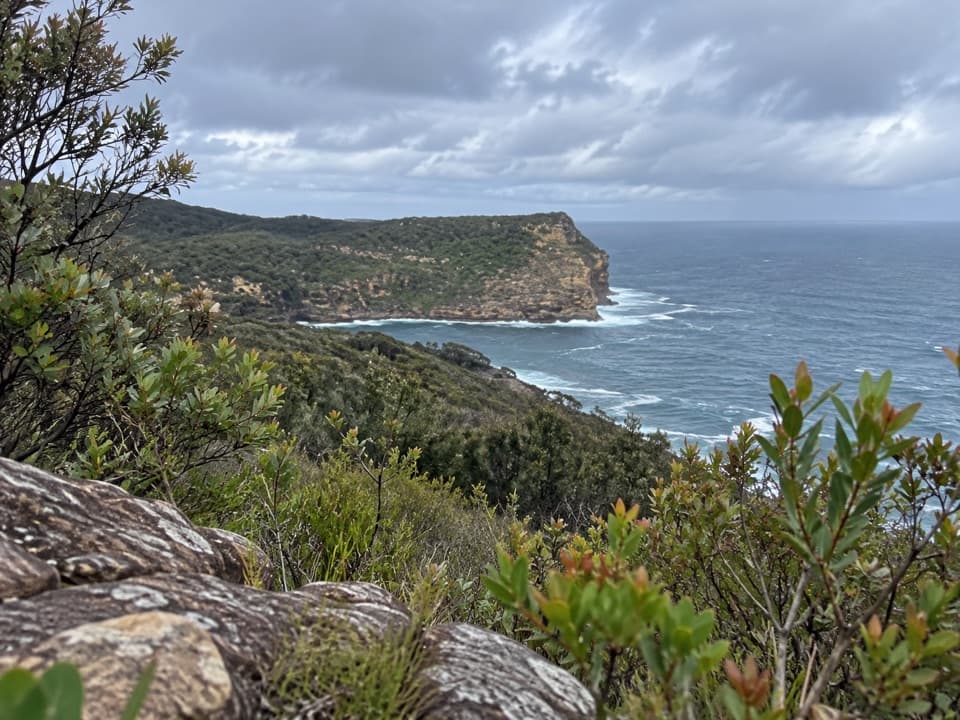
Bring a wide‑angle for big beach vistas, a polariser to tame glare, and a tripod for low light near the caves. If you’re exploring any rock platforms or cave areas, time it with tides for safe access and better reflections.
If you like simple, beach‑first camping with wildlife and can handle a short carry, this is a winner. If you need drive‑up sites, hot showers, or lots of amenities, consider one of the park’s more developed campgrounds instead.