Oversand Station

Your launch point for ORV passes and beach access at Race Point
Oversand Station, Cape Cod National Seashore
InsideCape Cod National Seashore

Overview

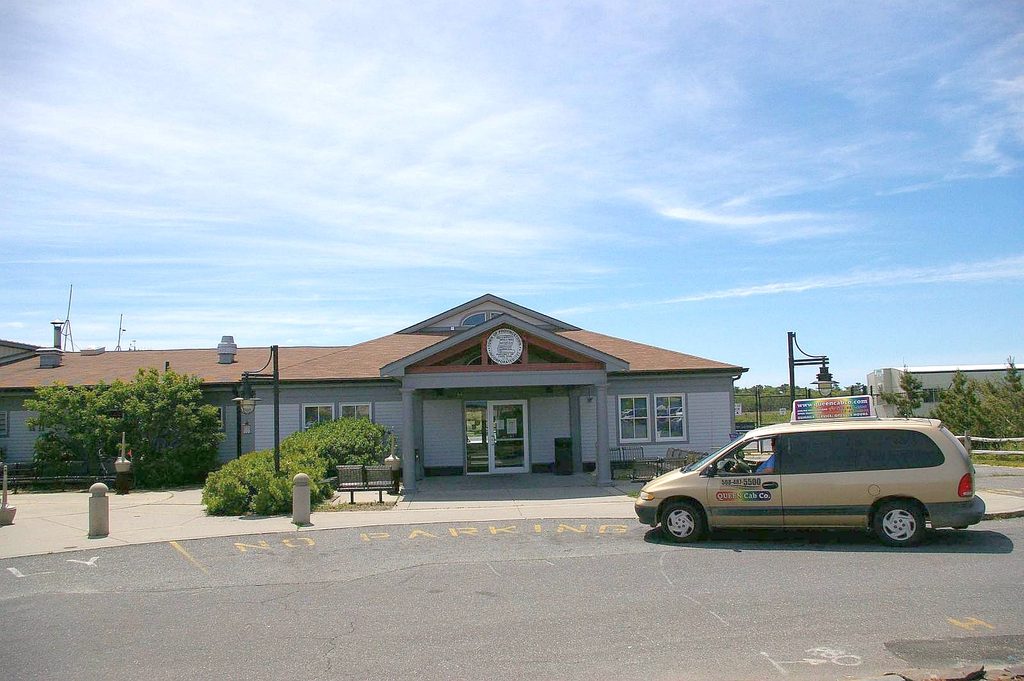
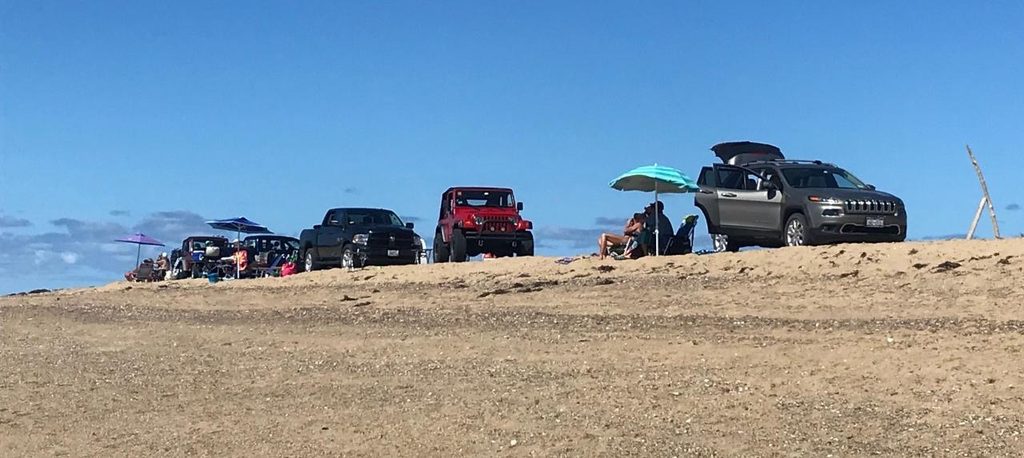
This is the nerve center for driving the Outer Beach. The Oversand Permit Station by Race Point Beach issues ORV and self‑contained vehicle permits, does vehicle/equipment checks, and gets you briefed before you hit the sand. Expect knowledgeable rangers and a straightforward process.

Season, Hours, and Access

  • Permit office: open daily April 10–November 15, 8:00 am–4:30 pm; last permit at 4:15 pm.
  • ORV corridor: typically opens April 15 and closes November 15, then shifts to Limited Access. Sections can change without notice—especially in June–July when protected piping plovers and least terns are nesting.

Permits and Pricing (2025)

  • ORV Annual $150; ORV 7‑Day $50.
  • Self‑Contained Vehicle Annual $225; SCV 7‑Day $75.
  • Capacity limits: up to 3,000 annual permits per season; up to 400 seven‑day permits active at a time.
  • All sales are final—no refunds even if conditions force closures.

How to Get a Permit

  • In person (Apr 10–Nov 15): Bring your 4WD/AWD or qualified SCV for inspection, show license and registration, view the orientation, agree to rules, and pay.
  • Mail‑in (annual permits only): Available starting April 1 for returning vehicles (permit within the past five years for the same vehicle). Include a self‑addressed stamped envelope; staff will call for card payment. Seven‑day permits are in‑person only.
  • Notes: Rental vehicles aren’t allowed; rangers conduct random equipment and tire checks; prepaid/gift cards aren’t accepted.

Required Gear and Driving Basics

Carry the mandated recovery kit: shovel, tow strap/chain/cable, jack with support board, low‑pressure tire gauge, and a full‑size spare (five compliant tires total). Air down, go low and slow, and stay within the signed corridor between the drift line and the berm crest. Yield rules apply (the vehicle with water on its left yields; SCVs have right of way). Boat launching is allowed for permitted vehicles when the corridor is open.

On‑the‑Ground Perks and Realities

There’s a porta‑potty at the station before you get on the sand, and the onsite air compressors are quick. Expect random closures or narrow corridors after storms or during nesting season—build flexibility into your plans. Cell service can be spotty toward Race Point Light.

Wildlife and Scenery

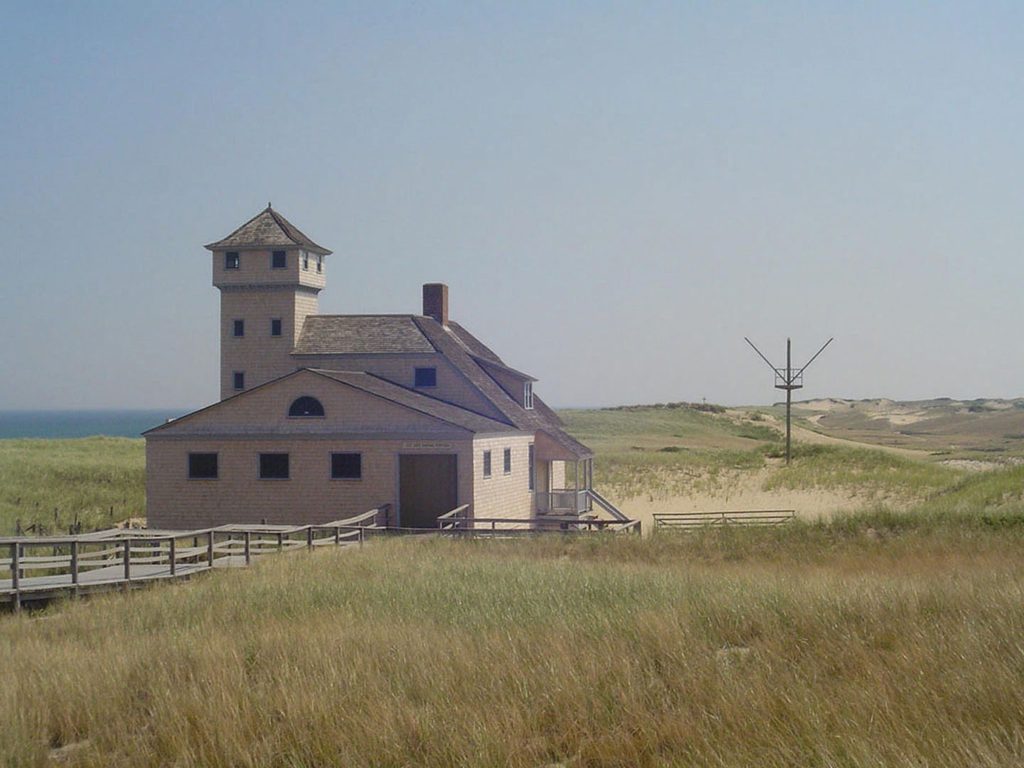
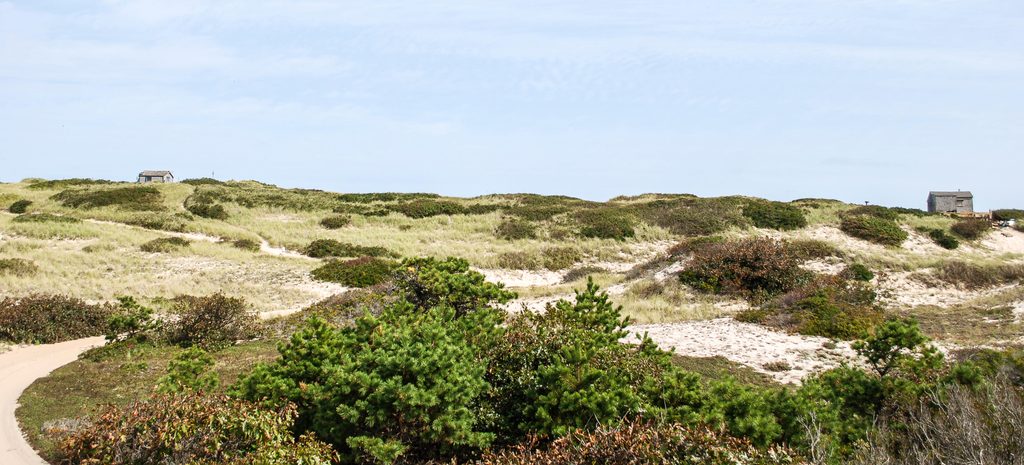
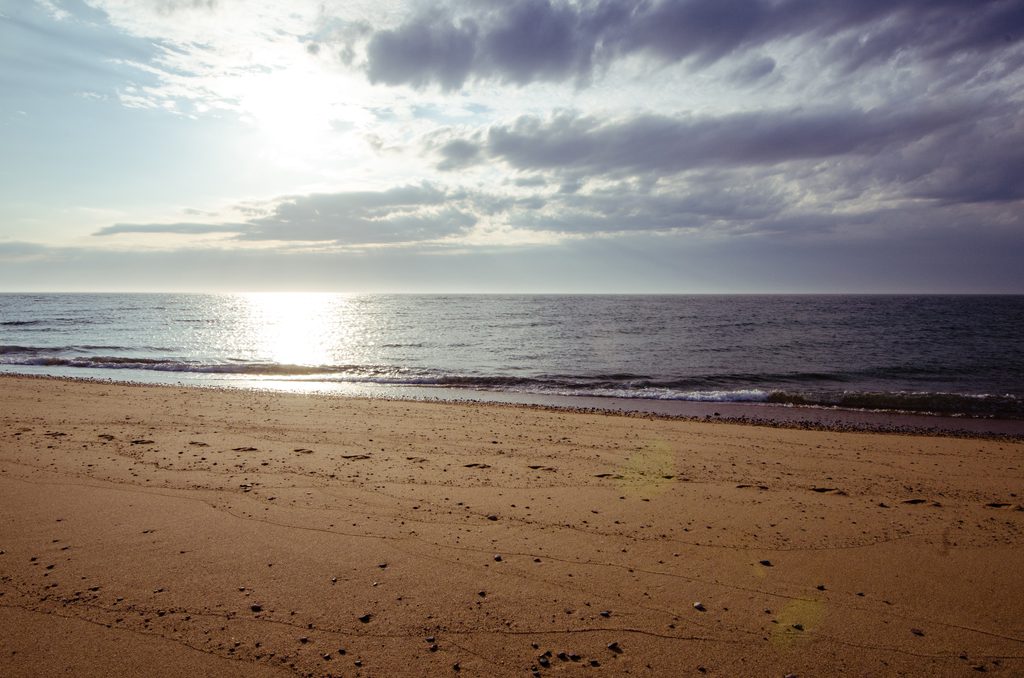
You’re entering Thoreau’s famed Outer Beach—shifting dunes, big sky, and broad, wild shoreline. Shorebirds get priority during nesting, so heed all postings. Seals often haul out on nearby sandbars; enjoy them from a distance.

Best Time to Visit

For permits, aim for opening hours (8–10 am) to breeze through; mid‑day can be busiest, especially on weekends. If you’re planning a full beach day, earlier starts help with softer sand, cooler temps, and easier parking. Always check the current corridor status before you commit your day.

Pros

  • Fast onsite air compressors for re-inflating tires
  • Same-day permits and inspections right at Race Point

Cons

  • Beach corridors can shrink or close for nesting shorebirds
  • No refunds if access later closes

Tips

  • Arrive before 9 am; the last permit is issued at 4:15 pm.
  • Air down tires and bring the full required recovery kit—rangers inspect.
  • Check the ORV corridor status by phone before you go; sections change fast.
  • Annuals by mail start April 1 for returning vehicles; include a stamped return envelope.
  • Seven‑day permits are in person only, and rental vehicles aren’t allowed on the corridor.
The Parkwolf tour guide sitting on a phone mounted in a car

Parkwolf Tour Guide

Like a tour guide in your car.

Save the places you found around Cape Cod, then let Parkwolf guide the drive between them.Download Parkwolf on the App Store