Overview
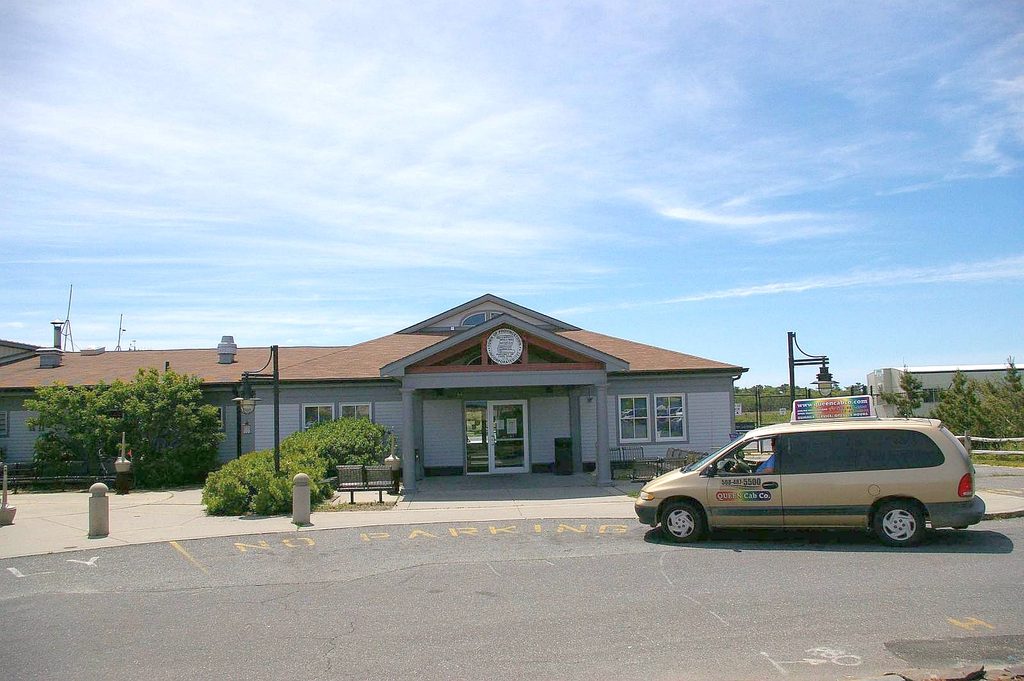
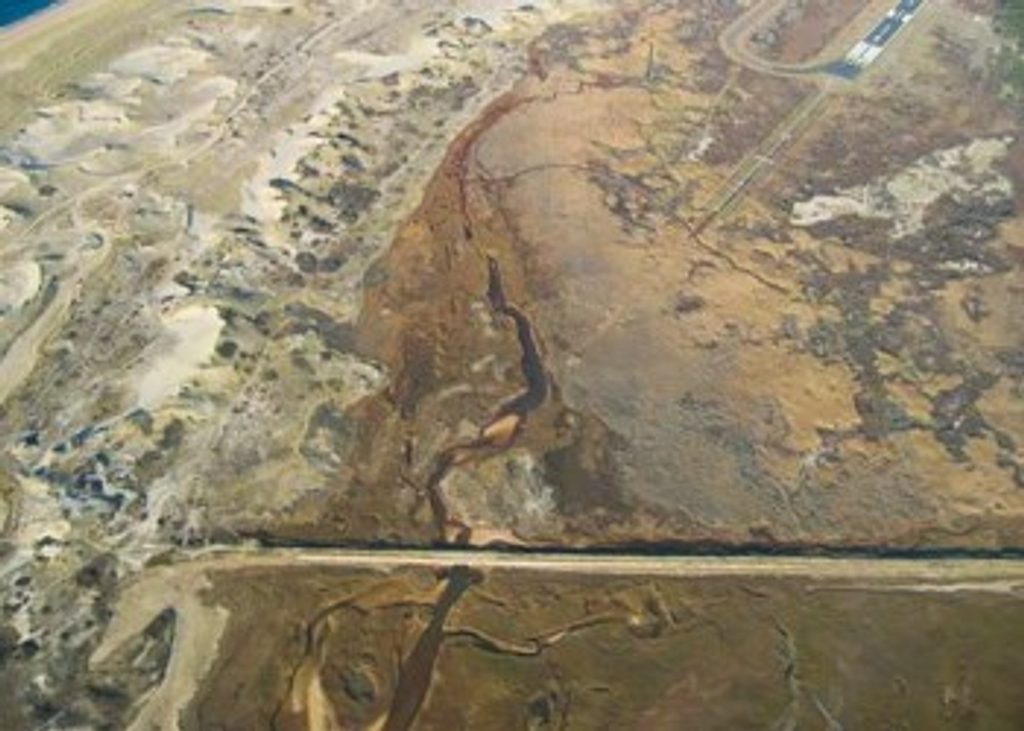
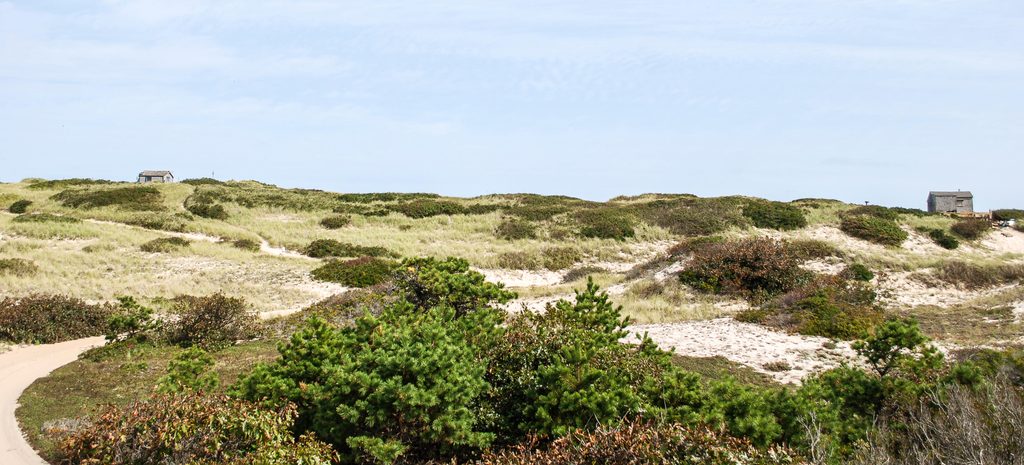
Set inside the dunes at the very tip of the Cape, Provincetown Municipal Airport sits within Cape Cod National Seashore—one of the rare U.S. airports inside a national park. Expect a tiny, no‑nonsense terminal and a fast, friendly experience that feels more beach town than big hub.
What You’ll Experience
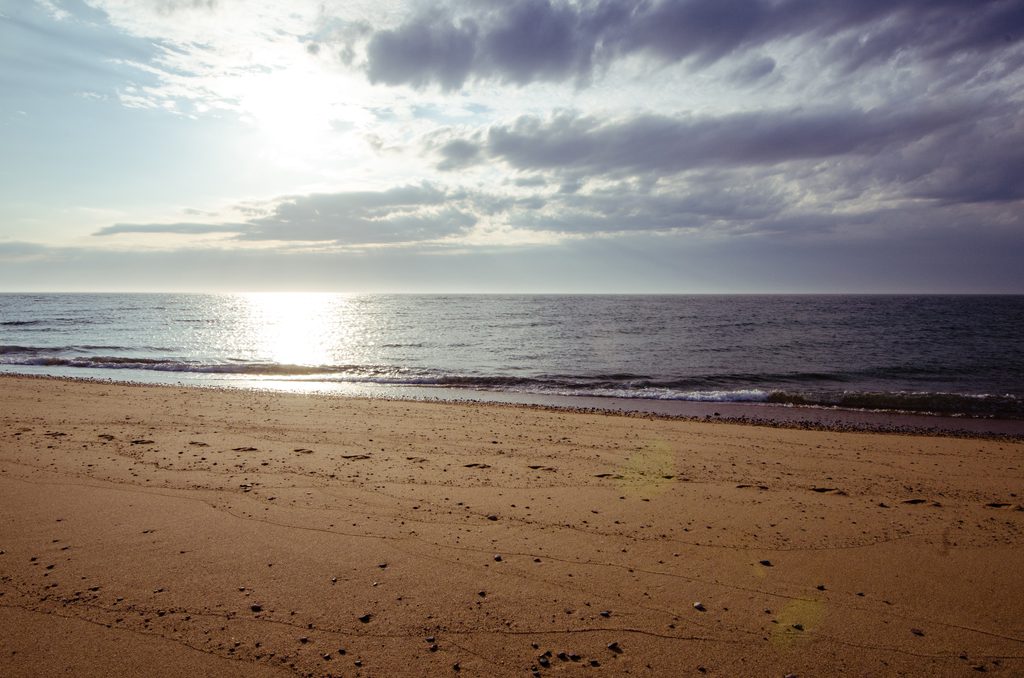
- Approaches skim over sand and surf, with runway views of dunes and ocean.
- The terminal is simple—check‑in, TSA, waiting area, restrooms, and complimentary Wi‑Fi—so you’re curb‑to‑gate in minutes.
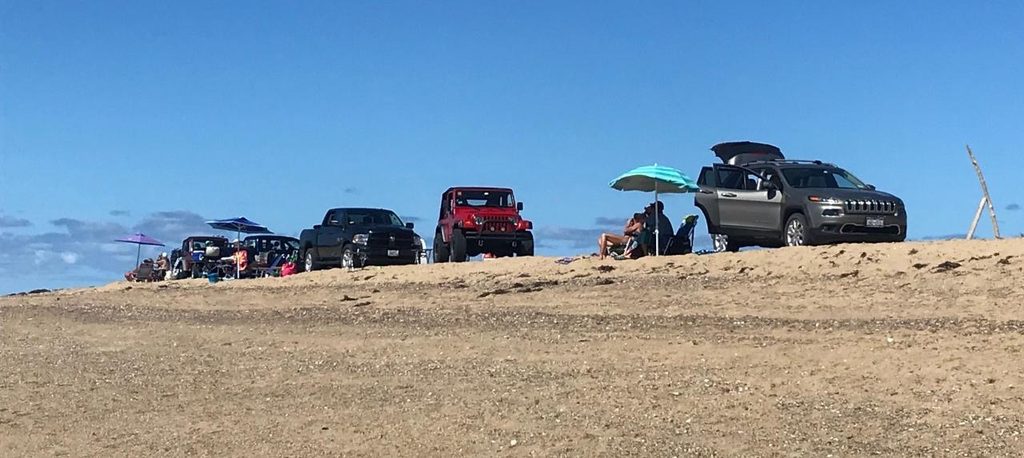
- From the airport, you can walk over a dune to the beach or hop on nearby bike paths; buses, taxis, and on‑site rentals make getting into town easy.
Flights and On‑the‑Ground Logistics
- Cape Air runs the scheduled service to Boston; frequencies ramp up in summer and thin out in the off‑season, so check times before you commit.
- Free parking is available for airport business, and ground transportation options include buses (seasonal shuttles Memorial Day weekend through late September), taxis, and rental cars.
For Pilots (If You’re Flying Yourself)
- Single runway 7/25 (3,502' x 100') with instrument procedures, lighting, AWOS, and paved tie‑downs; summer overflow uses adjacent improved grass.
- Fuel is available; plan ahead for any specialty services. Wildlife is common—stay alert on the ramp and during taxi.
A Bit of History
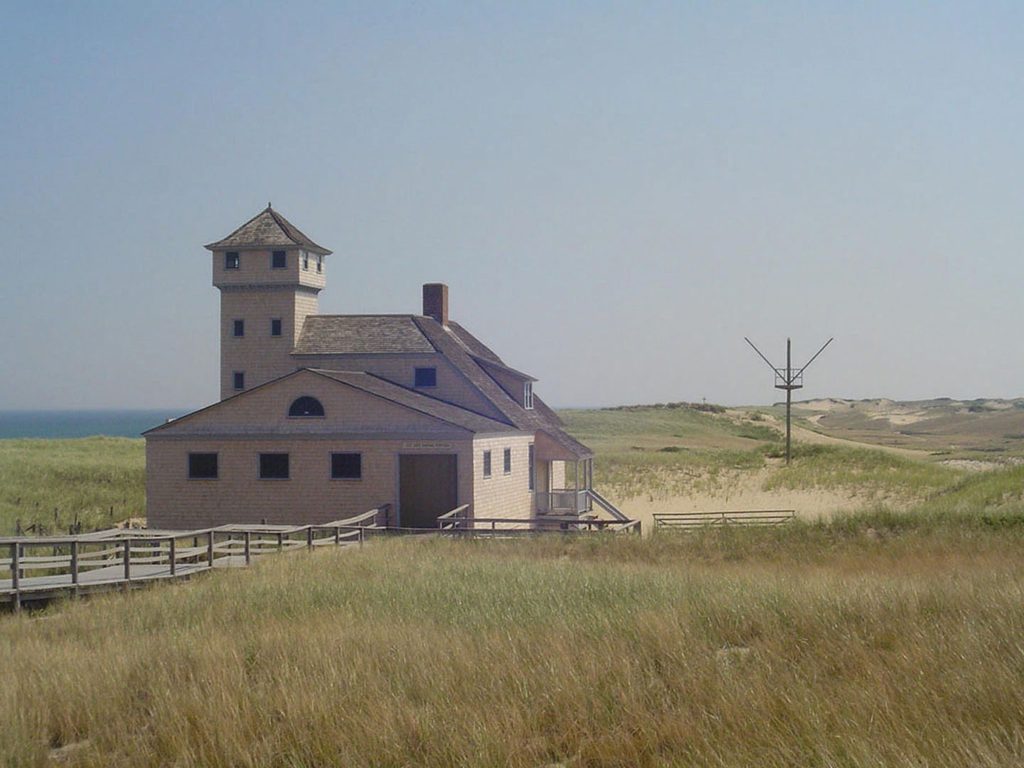
Built in the 1940s on National Park Service land, the field was paved in 1948, the terminal rebuilt in 1998, and the runway reconstructed in 2003. The distinctive “jug‑handle” taxiway layout harks back to the DC‑3 era.
Wildlife Notes
Foxes are the local celebrities here—occasionally seen near the runway and access roads. Enjoy the sighting, give them space, and never feed wildlife. Shorebirds and seals are common on nearby beaches; heed any seasonal beach closures.
Best Time to Visit
- For smooth sailing: early morning flights and midweek travel are the least hectic.
- Saturdays midday are typically the busiest. Summer sees the most flight options and crowds; spring and fall are quieter but less frequent.
- Staffed hours are roughly 6 am–6 pm in late spring–early fall and 6 am–5 pm in winter—plan arrivals and pickups inside those windows when possible.